

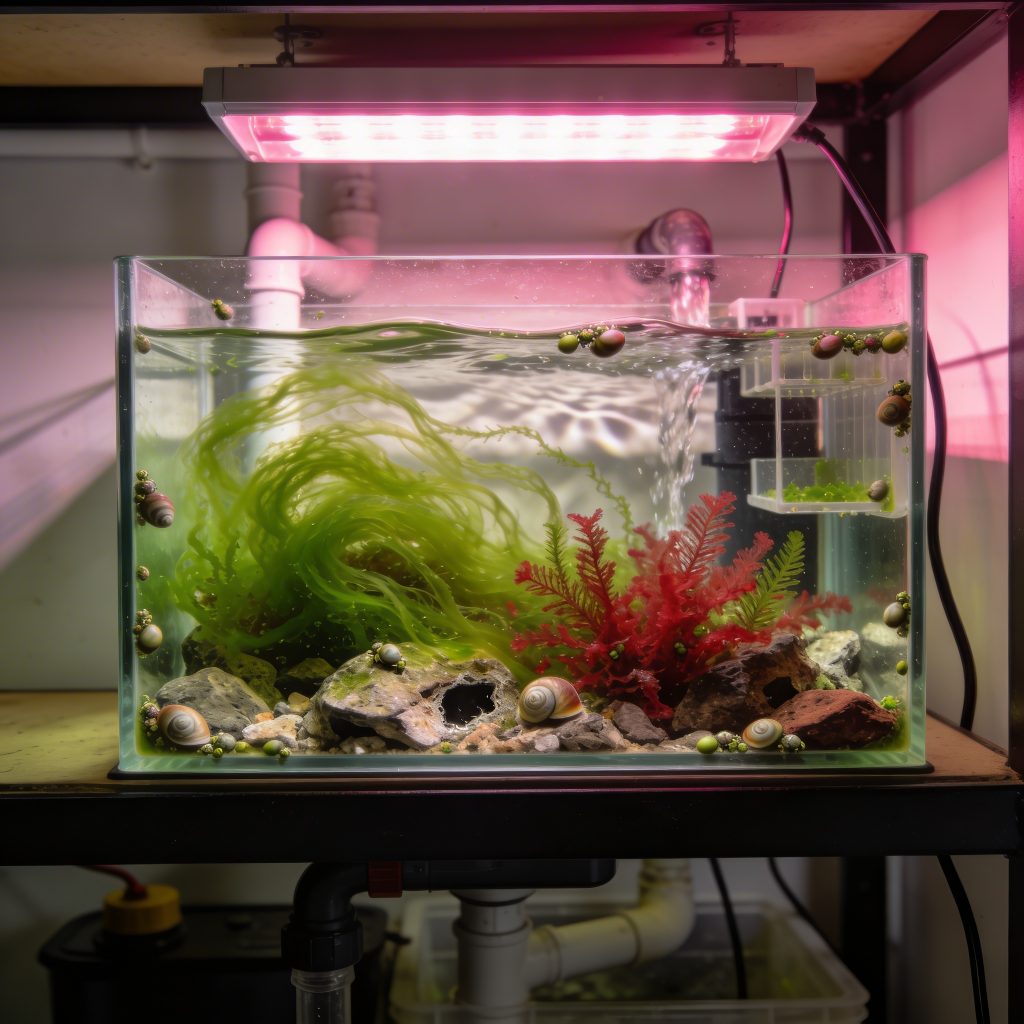
A refugium for saltwater tanks is a separate, low-stress chamber connected to the main system. It helps export nutrients, grow beneficial microfauna, and improve overall stability. A well-built refugium can reduce nitrate and phosphate, support copepod populations, and make reef maintenance easier for beginners and experienced hobbyists alike.
Many reef keepers hear about refugiums early in the hobby. They often sound complicated. In practice, they are simple once you understand their purpose. A refugium is just a protected area where helpful organisms can thrive without predation. It can hold macroalgae, live rock rubble, sand, and pods. It can also increase total water volume. In this guide, you will learn what a refugium does, how to set one up, what to put inside, and how to avoid common mistakes. You will also learn when a refugium is worth adding and when another nutrient control method may work better.
Quick Reference Table
| Category | Recommendation |
|---|---|
| Main purpose | Nutrient export, pod culture, added water volume |
| Best macroalgae | Chaetomorpha for most reef systems |
| Lighting schedule | Reverse daylight or 12 to 16 hours daily |
| Flow level | Moderate, enough to tumble algae gently |
| Common placement | Sump chamber, hang-on unit, or separate tank |
| Substrate | Optional; bare bottom is easiest to maintain |
| Key benefits | Lower nutrients, more pods, pH support, stability |
| Main risk | Detritus buildup, poor growth, algae die-off |
This table gives you the short version. The sections below explain how each part works in a real reef aquarium.
What Is a Refugium in a Saltwater Tank?
A refugium is a protected area tied into your aquarium system. Water flows through it, but fish and many larger predators do not. That safe space lets beneficial life grow with less pressure. In reef tanks, the refugium usually sits in the sump. Some hobbyists use hang-on refugiums. Others use a separate tank plumbed into the system.
The word refugium means refuge. That name fits its role well. Copepods, amphipods, worms, and other small organisms can reproduce there. Macroalgae can absorb nitrate and phosphate. Extra water volume helps buffer sudden swings. Some reef keepers also like the natural look and function of a mini ecosystem under the display.
A refugium is not mandatory on every reef tank. Many successful systems run without one. Still, it can be a very useful tool. It works best when paired with good feeding habits, stable parameters, and regular maintenance. Think of it as support for your system, not a cure for poor husbandry.
Natural Habitat and Why the Refugium Concept Works
On natural reefs, life exists in layers. Fish patrol open water and rock faces. Small crustaceans hide in algae mats, rubble zones, and seagrass beds. Nutrients move through the system constantly. Plants and algae absorb dissolved waste. Tiny grazers and scavengers process detritus. Predators keep populations in check.
A refugium copies a small part of that process. It creates a sheltered zone where microfauna can multiply. It also gives macroalgae a place to grow without being eaten by tangs, rabbitfish, or crabs. In nature, these protected areas help support food webs. In the aquarium, they can support mandarins, wrasses, and other pod-eating fish.
This natural approach is why refugiums remain popular. They do more than remove nutrients. They add biological diversity. They also create a more resilient system over time. That matters in mixed reefs, where stability often determines long-term success.
Benefits of a Refugium for Saltwater Tanks
The biggest benefit is nutrient export. Macroalgae uses nitrate and phosphate as it grows. When you harvest part of that algae, you physically remove those nutrients from the system. This can help limit nuisance algae in the display. It can also support coral health when nutrients are elevated.
The second major benefit is pod production. Copepods and amphipods breed quickly in a safe refugium. Some wash into the display and become live food. This is useful for picky fish. It also adds natural feeding behavior to the tank.
A refugium can also improve stability. More water volume means slower parameter swings. Reverse lighting can help reduce nighttime pH drops. Some hobbyists notice clearer water and better overall system balance. Others simply like having a dedicated place for extra live rock, frags, or biological media. The exact benefit depends on your setup, but most systems gain at least one clear advantage.
Aquarium Setup: Where and How to Add a Refugium
The most common refugium sits inside a sump. This is the easiest option for many reef tanks. One chamber holds macroalgae and receives a steady flow of tank water. A simple light shines on that chamber. Baffles help keep algae in place and prevent bubbles from reaching the return pump.
If you do not have a sump, a hang-on refugium can work well. These units attach to the back of the tank. They are popular on smaller aquariums. A separate remote refugium is another option. This gives more volume and flexibility, but it takes more space and plumbing.
Size matters, but bigger is not always necessary. Even a small refugium can grow pods and macroalgae. As a rough guide, many hobbyists aim for 10 to 20 percent of display volume. Keep the layout simple. Easy access is important. If maintenance is annoying, it will get skipped. Leave room to harvest algae, remove detritus, and inspect equipment. Practical design beats complicated design every time.
What to Put in a Refugium
Chaetomorpha is the most common macroalgae for reef refugiums. It is hardy, useful, and less likely to attach to surfaces. It usually forms a loose ball or mat. With decent light and flow, it grows steadily and is easy to harvest. This makes it the top choice for most beginners.
Live rock rubble is optional. It can add surface area for bacteria and pods. Use it sparingly. Too much rubble can trap detritus. Some reef keepers prefer a bare-bottom refugium because it is easier to clean. Sand is also optional. Deep sand beds were once very popular. Today, many hobbyists avoid them due to long-term maintenance issues.
You can also add copepod starter cultures. This helps seed the refugium faster. Avoid packing the chamber with too many materials. Open space improves flow and makes algae harvesting easier. A clean, simple refugium usually performs better than one stuffed with rubble, mud, and random media.
Lighting Requirements
Refugium lighting should match the goal of the chamber. If you want strong macroalgae growth, use a dedicated refugium light. Many compact LED grow lights work well. Choose a spectrum that supports plant and algae growth. Red and white heavy spectrums are common. Some full-spectrum options also perform well.
Most hobbyists run the refugium light on a reverse schedule. That means the light turns on when the display light turns off. This can help reduce nighttime pH swings because the algae continues photosynthesis after the display goes dark. A 12 to 16 hour schedule is common. Some run lights longer, but excessive light can stress algae or encourage nuisance growth.
Watch the algae itself. Pale color, melting, or no growth often points to weak lighting, low nutrients, or poor flow. Fast, dark, dense growth usually means the light is adequate. Clean the light lens often. Salt spray and dust can reduce output more than many hobbyists realize.
Water Flow
Moderate flow works best in most refugiums. Water should move enough to prevent dead spots. It should also keep detritus from settling too heavily. For Chaetomorpha, gentle tumbling is ideal. It exposes more algae surface to light and nutrients. It also helps prevent the center from collecting waste and dying off.
Too little flow can create sludge, cyanobacteria, and poor algae growth. Too much flow can break apart macroalgae or blast pods around before they establish. Aim for steady movement, not a washing machine effect. In sump refugiums, this often means adjusting how much water is directed through the chamber.
Check the refugium during feeding and after maintenance. If debris settles quickly, flow may be too weak. If algae gets pinned down hard, flow may be too strong. Small changes make a big difference. Stable, moderate flow supports both nutrient export and pod production.
Feeding and Nutrient Balance
A refugium does not replace feeding discipline. In fact, it works best in tanks with balanced nutrient input. If you overfeed heavily, the refugium may not keep up. If you run nutrients too low, macroalgae may stop growing or die back. Healthy growth needs nitrate, phosphate, light, and trace elements.
Iron can become limiting in some systems. If Chaetomorpha stalls despite good light and measurable nutrients, trace element depletion may be the issue. Dose carefully and test when possible. Avoid chasing numbers blindly. Coral color, algae growth, and nutrient trends tell the real story.
Feed fish normally. Monitor nitrate and phosphate weekly at first. If nutrients bottom out, reduce refugium photoperiod or harvest less algae. If nutrients remain high, increase harvest frequency and review feeding, filtration, and stocking. The refugium should be one part of the system, not the only nutrient strategy.
Compatibility With Reef Fish, Corals, and Invertebrates
A refugium is compatible with most reef systems. It especially benefits tanks with pod-eating fish. Mandarins, scooter dragonets, some wrasses, and small planktivores may all benefit from a steady trickle of live food. Mixed reefs also gain from the extra nutrient control and water volume.
Corals often respond well when nutrients become more stable. Soft corals, LPS, and SPS all prefer consistency. A refugium can help maintain that if it is sized and managed correctly. It can also reduce competition from nuisance algae in the display.
Be cautious with macroalgae choices. Some species can go sexual or release compounds into the water. Caulerpa is the classic example. It can work, but many hobbyists prefer Chaetomorpha because it is safer and simpler. If your system includes herbivorous fish, the refugium also protects macroalgae from being eaten before it can do its job.
Step-by-Step Guide to Setting Up a Refugium
- Choose the refugium type. Use a sump chamber, hang-on box, or separate tank.
- Decide on the size. Bigger helps, but simple access matters more.
- Add a dedicated light. Position it to cover the algae area evenly.
- Set moderate flow. Avoid dead spots and violent blasting.
- Start with a clean chamber. Bare bottom is easiest for most hobbyists.
- Add Chaetomorpha or another chosen macroalgae.
- Seed pods if desired. This speeds up population growth.
- Run the light 12 to 16 hours daily. Reverse schedule is ideal.
- Test nitrate and phosphate weekly. Watch for trends, not single readings.
- Harvest algae regularly. Remove only part of it each time.
This setup process is easy to repeat and adjust. Start simple. Add complexity only if your system clearly needs it.
Propagation and Harvesting
How to Harvest Macroalgae
Harvesting is the export step. If you never remove algae, nutrients stay in the system. Pull out a portion of the Chaetomorpha when it becomes dense. Remove enough to restore flow and light penetration. Many hobbyists harvest every one to three weeks.
How to Share or Propagate Chaeto
Chaetomorpha does not need special fragging. You simply divide it by hand. Share healthy portions with other reef keepers or use it to start another refugium. Always discard any section that smells foul, looks gray, or is packed with sludge.
Common Problems
Why is my refugium algae not growing?
The usual causes are weak light, low nutrients, poor flow, or trace element depletion. Check nitrate and phosphate first. If both are near zero, the algae may be starving. If nutrients are present, improve lighting and water movement.
Why does Chaeto keep dying?
Die-off often comes from detritus buildup, overheating, poor circulation, or sudden nutrient starvation. Remove decaying sections fast. Clean the chamber. Reduce compaction. Make sure the center of the algae mass gets light and flow.
Why is there cyanobacteria in my refugium?
Cyanobacteria thrives in low-flow, nutrient-rich areas with trapped waste. Increase flow, siphon debris, and shorten the light cycle if needed. Check that the macroalgae is healthy. A dirty refugium can become a nutrient sink instead of an export tool.
Can a refugium lower nutrients too much?
Yes. This is common in lightly stocked tanks. Corals may pale if nitrate and phosphate bottom out. Shorten the photoperiod, harvest less algae, or feed slightly more. Stability matters more than chasing ultra-low readings.
Frequently Asked Questions
Do I need a refugium on every reef tank?
No. Many successful reef tanks run without one. A refugium is helpful, not essential. It is best seen as a support tool.
What is the best macroalgae for beginners?
Chaetomorpha is usually the best choice. It is hardy, effective, and easier to manage than many alternatives.
Should I use sand in my refugium?
Most hobbyists do not need it. Bare-bottom refugiums are easier to clean and maintain. Sand is optional, not required.
How long should refugium lights stay on?
Start with 12 to 16 hours daily. A reverse schedule is common. Adjust based on algae growth and nutrient levels.
Will a refugium get rid of nuisance algae in the display?
It can help, but it will not fix the root cause alone. You still need good feeding habits, maintenance, and source water quality.
Final Thoughts
A refugium for saltwater tanks can be one of the most useful upgrades in reef keeping. It supports nutrient control, pod production, and system stability. It also adds a natural element that many reef hobbyists enjoy. Keep the design simple. Use strong lighting, moderate flow, and regular harvesting. Watch nutrient trends and adjust slowly. When managed well, a refugium becomes a quiet, effective part of a healthy reef system.
For more reef setup help, read our guides on reef tank setup, protein skimmer guide, copepods in a reef tank, and reef tank water parameters.
Was this helpful?
Related Posts
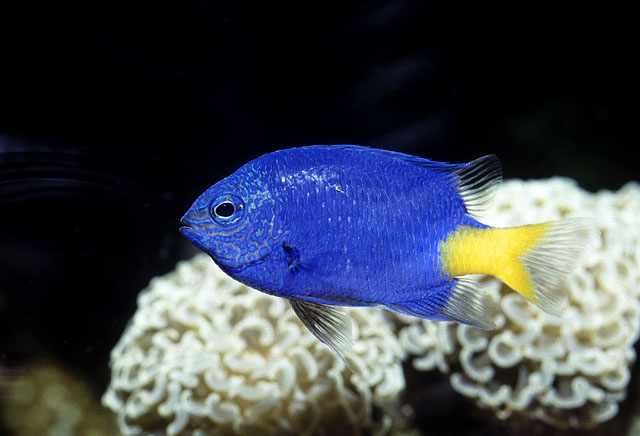
Yellowtail Damselfish (Chrysiptera Parasema)
Yellowtail Damselfish are hardy, colorful, and reef safe, but they can be territorial. Learn their care, feeding, tank…
 By
By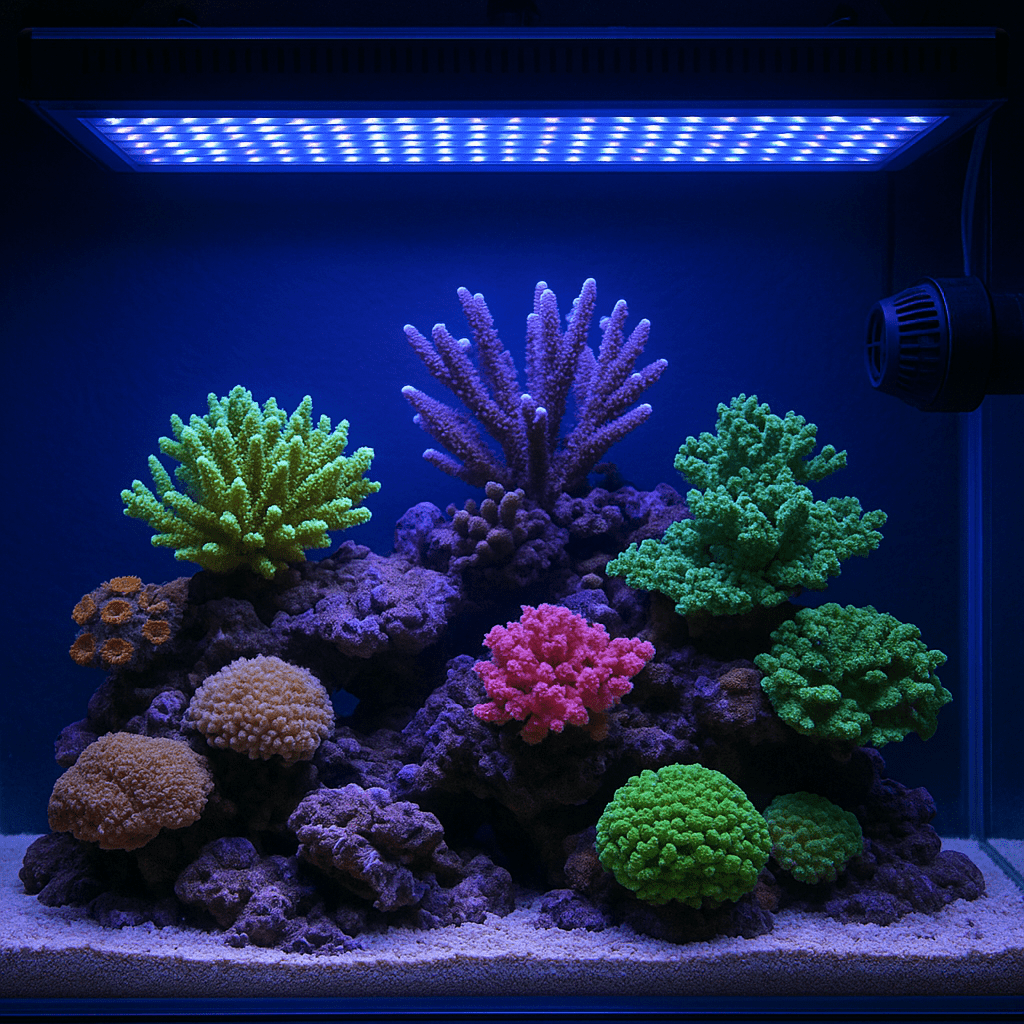
Water Chemistry Basics
Water chemistry basics are the foundation of reef success. Learn the key parameters, target ranges, and simple ways…
[favorite_button]
My Bookmarks:
To see full list click here
[user_favorites user_id="" include_links="true" site_id="" post_types="" include_thumbnails="true" thumbnail_size="thumbnail" include_excerpt="false"]