

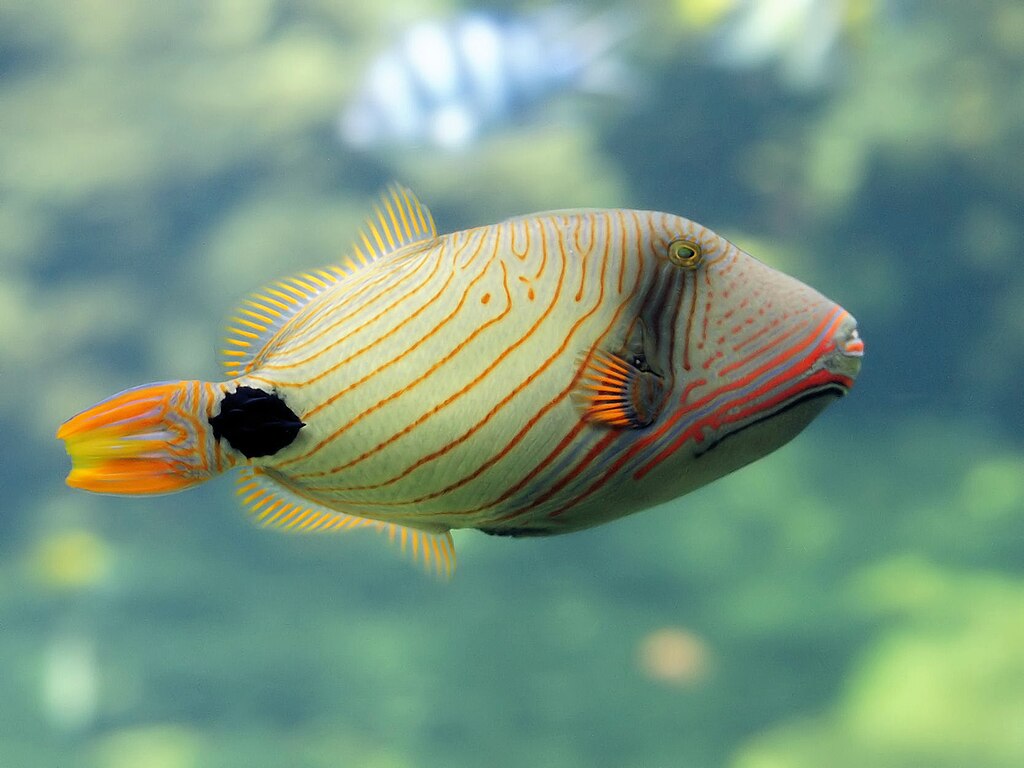
The undulated triggerfish is one of the most striking triggerfish in the hobby. It is also one of the most aggressive. This species is hardy, intelligent, and full of personality, but it rarely suits a peaceful reef aquarium. Most hobbyists keep it in a species-focused or predator marine tank with strong equipment and careful stocking choices.
In this guide, you will learn how to care for Balistapus undulatus, what tank size it needs, what it eats, and why compatibility is the biggest challenge. You will also learn how to reduce aggression, maintain water quality, and avoid common mistakes before bringing this fish home.
Quick Reference Care Table
| Common Name | Undulated Triggerfish |
| Scientific Name | Balistapus undulatus |
| Care Level | Moderate |
| Temperament | Very aggressive |
| Minimum Tank Size | 125 gallons |
| Adult Size | 10 to 12 inches |
| Diet | Carnivore |
| Reef Safe | No, with caution at best |
| Temperature | 75 to 80°F |
| Salinity | 1.023 to 1.026 |
| pH | 8.1 to 8.4 |
| Lifespan | 10 years or more |
Natural Habitat
The undulated triggerfish comes from the Indo-Pacific region. It occurs across coral-rich coastal areas, lagoons, and outer reef slopes. In the wild, it usually stays close to structure. It uses rock crevices and coral heads for shelter and defense.
This fish is built for a rough neighborhood. It has strong jaws, thick scales, and a trigger spine that locks into place. That spine helps it wedge into holes when threatened. It also makes removal from live rock nearly impossible once the fish is settled.
Wild undulated triggers feed on hard-shelled prey and small benthic animals. They pick at crustaceans, worms, mollusks, and other meaty foods. Their natural behavior explains much of their aquarium care. They need secure rockwork, a varied carnivorous diet, and tankmates that can handle a bold and territorial fish.
Aquarium Setup
A 125-gallon tank is the practical minimum for an adult undulated triggerfish. Bigger is always better. A 150-gallon or larger system gives more room for territories and reduces pressure on tankmates. This fish is active, powerful, and messy at feeding time.
Build the aquascape with stability first. Use heavy rock structures that cannot topple. Triggerfish move substrate and may push against rocks. Create caves, arches, and shaded retreats. Leave some open swimming space in the front and middle of the tank.
A tight lid is essential. Triggerfish can jump when startled. Strong filtration is also important. Use an oversized protein skimmer and plenty of mechanical and biological filtration. These fish produce substantial waste. Stable salinity and low nitrate matter, even in predator systems. If you are planning a fish-only setup, read our guides on saltwater tank setup and marine aquarium filtration for a solid foundation.
Lighting Requirements
The undulated triggerfish does not need specialized reef lighting. Standard marine lighting is enough in a fish-only tank. Moderate lighting works well and lets you enjoy the fish’s bright green, orange, and blue patterning.
If the fish lives in a mixed system with hardy corals, set the lighting for the corals, not the triggerfish. Still, that setup carries risk. This species may nip invertebrates and disturb the aquascape. It is not a dependable reef inhabitant.
Provide a normal day and night cycle. Avoid sudden light changes. Triggers can startle easily when lights switch on in a dark room. Using ramp-up and ramp-down settings helps reduce stress. Calm transitions also reduce frantic swimming and collisions with rockwork.
Water Flow
Moderate to strong water movement is ideal. In nature, this fish lives around reefs with constant circulation. Good flow helps oxygen levels, keeps waste suspended, and supports overall water quality. That matters in tanks with large carnivores.
Avoid blasting one area with a narrow powerhead stream. Use broad, turbulent flow instead. The fish should be able to swim comfortably without fighting a constant jet. Place pumps so dead spots do not form behind the rockwork.
Good flow also helps with feeding mess. Triggerfish often bite, chew, and scatter food. Leftover pieces can quickly foul the tank. Combine strong circulation with regular maintenance. Siphon detritus, rinse mechanical media, and perform consistent water changes.
Feeding
The undulated triggerfish is a carnivore with powerful teeth and jaws. Feed a varied diet of meaty marine foods. Good options include shrimp, squid, clam, mussel, krill, silversides in moderation, and high-quality frozen blends for predators. Many specimens also accept pellets once settled.
Feed juveniles once or twice daily. Feed adults once daily or five to six times weekly. Avoid overfeeding. This fish will often act hungry even when well fed. Too much food leads to obesity and poor water quality.
Include some hard foods with shell. This helps wear down the teeth naturally. Pieces of clam on the half shell are useful. So are unshelled shrimp and crab legs in moderation. Rotate foods for better nutrition. If you want to improve feeding routines and nutrient control, see our article on reef tank feeding guide.
Compatibility
Compatibility is the main reason this species is difficult. The undulated triggerfish is notorious for aggression. Many specimens become hostile as they mature. Some attack tankmates suddenly after months of calm behavior. Others claim the entire tank as territory from day one.
It is usually best kept alone or with other robust, carefully chosen fish in a very large tank. Potential tankmates may include large angelfish, tough tangs, groupers, puffers, or moray eels. Even then, success is never guaranteed. Avoid shy fish, slow fish, small fish, and long-finned fish.
It is not reef safe in the usual sense. It may eat shrimp, crabs, snails, and other invertebrates. It may also bite corals while hunting around the base. If you are building a community reef, choose a different species. For more peaceful stocking ideas, visit reef safe fish guide and best clean up crew for reef tank.
Step-by-Step Acclimation Guide
Acclimating an undulated triggerfish is simple, but preparation matters. This fish is hardy, yet stress can still trigger aggression or disease. Follow a careful process.
- Quarantine the fish first. Use a separate tank with hiding places.
- Observe breathing, appetite, and skin condition for at least two weeks.
- Match salinity and temperature before transfer.
- Use drip acclimation for 30 to 45 minutes.
- Dim the lights before release.
- Add the fish after the aquascape is secure.
- Do not place your hands near its mouth during transfer.
If adding it to an established predator tank, rearrange some rockwork first. This can reduce territorial behavior. Introduce the trigger last whenever possible. That gives existing fish a better chance to hold their space before the dominant fish arrives.
Propagation and Breeding
Breeding undulated triggerfish in home aquariums is extremely rare. There are no common reports of routine captive propagation by hobbyists. In the wild, triggerfish often form pairs and spawn over prepared nesting areas. The female may guard the eggs aggressively.
In aquariums, the barriers are obvious. Adults need a lot of space. They are highly territorial. Pairing can be dangerous. Even if spawning occurs, raising the larvae would require advanced marine breeding systems and specialized live foods.
Because of these challenges, hobbyists should not buy this species with breeding plans in mind. Focus on long-term care, safe handling, and responsible stocking instead. This fish is best appreciated for its behavior and color, not for home propagation potential.
Common Problems
Why is my undulated triggerfish attacking everything?
This is normal for the species. Maturity often increases aggression. Small tanks make it worse. Inadequate hiding spaces also raise tension. Remove weak tankmates quickly. Rearrange rockwork if needed. In severe cases, the trigger should live alone.
Why is my triggerfish not eating?
New arrivals may hide and refuse food for several days. Stress, poor water quality, and bullying also reduce appetite. Test ammonia, nitrite, nitrate, and salinity. Offer strong-smelling foods like clam or shrimp. Check for rapid breathing or visible parasites if the problem continues.
Why is it biting heaters, cords, or equipment?
Triggerfish investigate everything with their mouths. They may bite exposed gear out of curiosity or frustration. Use equipment guards where possible. Keep cords organized. Choose durable heaters and place vulnerable gear out of easy reach.
Can it get marine ich or other diseases?
Yes. It is hardy, but not immune. Quarantine remains important. Stress lowers resistance. Poor water quality also weakens the fish. Watch for flashing, white spots, cloudy eyes, frayed fins, and labored breathing. Early treatment is far easier than a full display outbreak.
Frequently Asked Questions
Is the undulated triggerfish good for beginners?
Not usually. It is hardy, but its aggression makes it difficult. Beginners often underestimate its temperament. It is better for hobbyists with large tanks and experience managing aggressive marine fish.
How big does an undulated triggerfish get?
Most reach about 10 to 12 inches in captivity. Growth depends on diet, space, and overall care. A healthy adult is thick-bodied and powerful.
Can an undulated triggerfish live in a reef tank?
It is not recommended. This fish may eat ornamental invertebrates and harass tankmates. It is much safer in a fish-only or predator setup.
What is the minimum tank size?
A 125-gallon tank is the minimum for a single adult. Larger tanks are strongly preferred. More space helps with stability and aggression management.
How long does an undulated triggerfish live?
With proper care, this species can live 10 years or longer. Stable water quality, a varied diet, and suitable housing all support a long lifespan.
Final Thoughts
The undulated triggerfish is beautiful, bold, and unforgettable. It is also one of the least community-friendly triggerfish available. If you respect its nature, it can become an outstanding centerpiece in a large marine predator tank. If you want a peaceful reef fish, look elsewhere.
Success with Balistapus undulatus depends on realistic expectations. Give it space. Feed it well. Build secure rockwork. Plan tankmates with caution. Do that, and you can enjoy one of the ocean’s most intense personalities for many years.
Was this helpful?
Related Posts
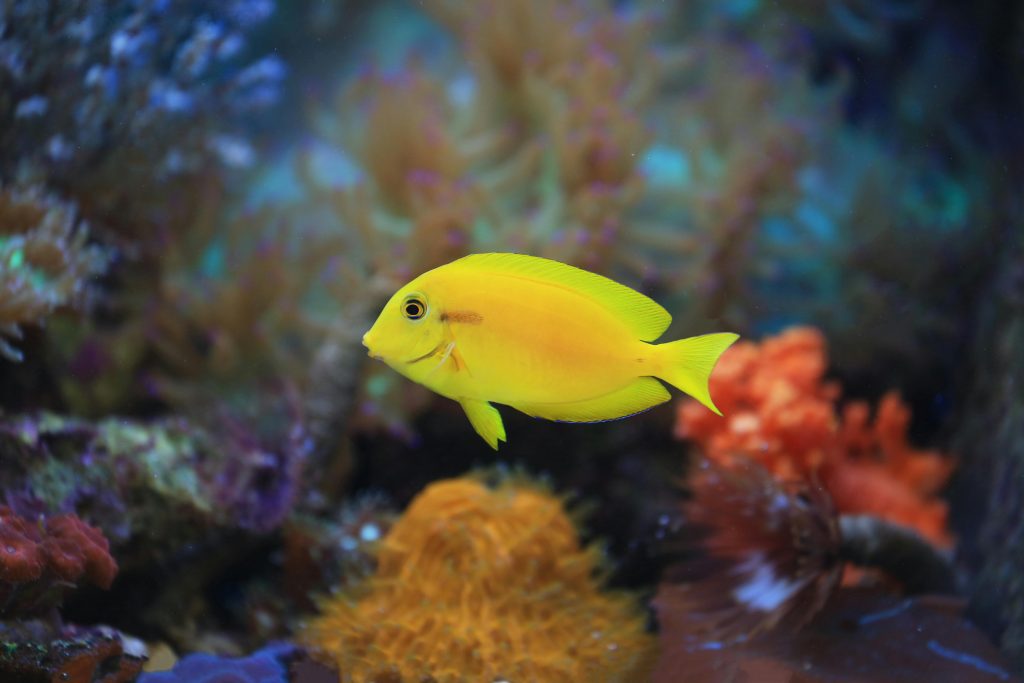
Juvenile Orange Shoulder (acanthurus Olivaceus)
Juvenile orange shoulder tangs are bright, hardy, and reef safe, but they grow large and need a spacious…
 By
By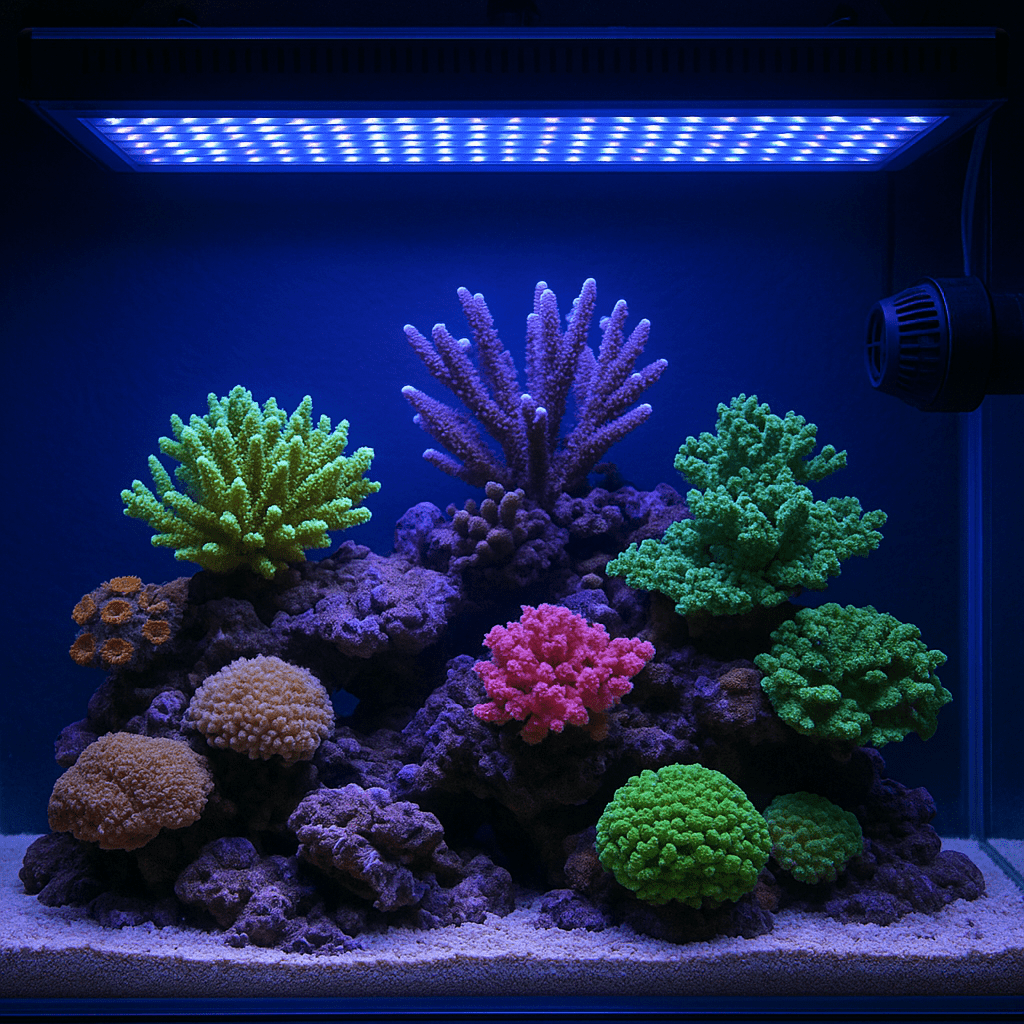
Best Filtration Systems
Best Filtration Systems for a Healthy Saltwater Aquarium Choosing the best filtration system for your saltwater aquarium is…
[favorite_button]
My Bookmarks:
To see full list click here
[user_favorites user_id="" include_links="true" site_id="" post_types="" include_thumbnails="true" thumbnail_size="thumbnail" include_excerpt="false"]