A chaeto reactor is a sealed chamber that grows chaetomorpha algae under strong light. It removes nitrate and phosphate as the algae grows. This helps control nutrients, reduce nuisance algae, and support a more stable reef tank when sized and maintained correctly.
Many reef keepers struggle with rising nutrients. Fish waste, leftover food, and detritus all add nitrate and phosphate. Some nutrients are helpful. Too much can fuel ugly algae, dull coral color, and stress sensitive animals. A chaeto reactor offers a clean and efficient export method. It uses macroalgae growth to bind nutrients, then removes them when you harvest the algae. In this guide, you will learn what a chaeto reactor is, how it works, when to use one, and how to set it up for reliable results. You will also learn common mistakes, troubleshooting steps, and how a reactor compares with a refugium.
Quick Reference Table
| Purpose | Grow chaeto to absorb nitrate and phosphate |
| Best for | Reef tanks with limited sump space or persistent nutrients |
| Main benefit | Controlled nutrient export in a compact unit |
| Needs | Strong light, steady flow, healthy chaeto, iron and trace support |
| Typical placement | In sump cabinet, fed by manifold, return pump, or dedicated pump |
| Harvest schedule | Usually every 2 to 4 weeks |
| Common problems | Chaeto melting, low growth, clogging, low nutrients, weak flow |
| Good target use | Supplement skimming, water changes, and mechanical filtration |
A reactor is not magic. It works best as part of a balanced filtration plan. Think of it as a nutrient export tool, not a cure for every tank problem.
What Is a Chaeto Reactor?
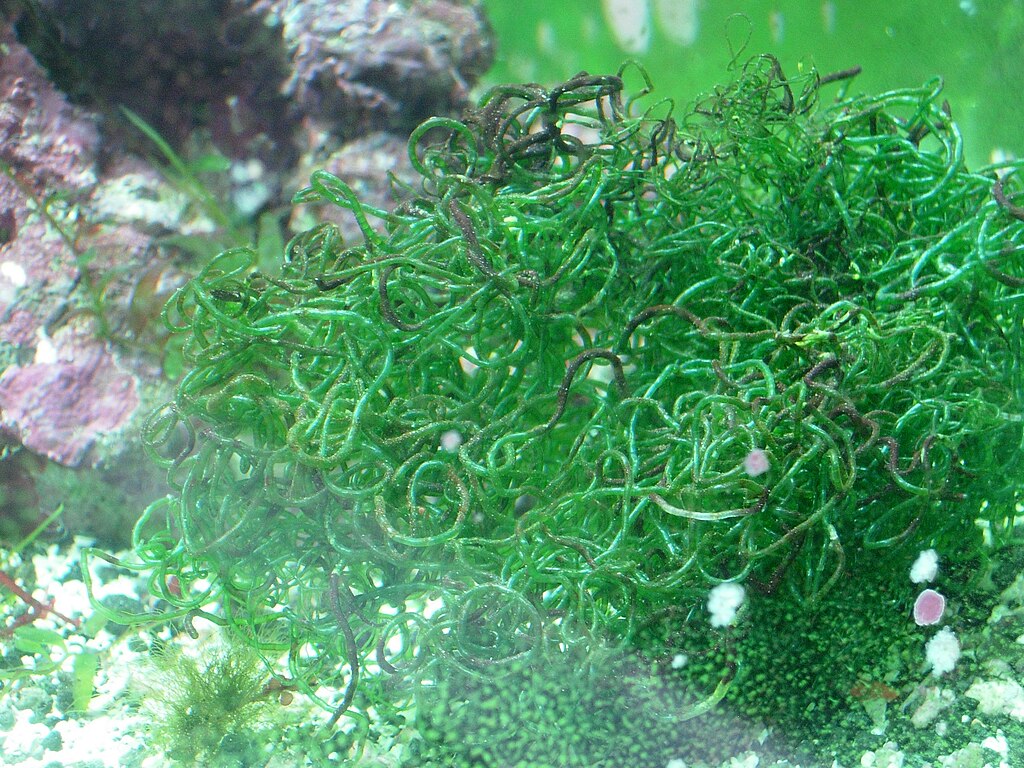
A chaeto reactor is a cylindrical or enclosed filter chamber filled with chaetomorpha macroalgae. Reef keepers often call this algae “chaeto.” Water flows through the chamber while a dedicated light shines on the algae. As the chaeto grows, it takes up nitrate, phosphate, and some dissolved waste compounds.
Unlike a traditional refugium, the algae grows inside a closed unit. This design saves space and reduces light spill. It can also improve contact between water and algae. Many hobbyists choose a reactor when they do not have room for a large refugium section in the sump.
Most reactors are made from acrylic or plastic. Some have an internal light. Others use an external wraparound LED. Water enters near the bottom and exits near the top. This keeps the chaeto tumbling or gently shifting, which exposes more surface area to light and flow.
How a Chaeto Reactor Helps Control Nutrients
Chaeto grows by using light, carbon dioxide, and nutrients from the water. In a reef tank, the most important nutrients are nitrate and phosphate. When chaeto grows, it locks these nutrients into plant tissue. When you trim and remove part of the algae mass, you physically export those nutrients from the system.
This process can lower nutrient levels over time. It can also make nutrient swings less severe. Stable nutrients usually help corals look better and grow more consistently. A reactor may also reduce nuisance algae in the display. It does this by competing for the same nitrate and phosphate.
Chaeto also supports microfauna. Pods and other tiny life forms often live in the algae mass. Some may pass into the system and feed fish or corals. That benefit is usually stronger in a refugium, but reactors can still support some life.
Natural Habitat and Why Chaeto Works So Well
Chaetomorpha is a marine macroalgae found in coastal marine habitats. It grows in shallow areas with strong light and steady water movement. In nature, macroalgae absorb dissolved nutrients from the surrounding water. That same biology makes chaeto useful in aquariums.
In the ocean, algae growth can be limited by light, nutrient access, grazing pressure, and trace element availability. In a reactor, you control many of those factors. You provide long photoperiods, consistent flow, and a protected space without herbivorous fish. This often allows rapid growth when tank conditions are suitable.
That said, chaeto still follows the same biological rules. It will not grow well without enough nitrate, phosphate, and trace support. It also struggles in poor flow or weak light. Understanding its natural needs helps you avoid many common reactor failures.
Chaeto Reactor vs Refugium
A chaeto reactor and a refugium do the same basic job. Both grow macroalgae for nutrient export. The main difference is form. A refugium is an open sump chamber. A reactor is a closed vessel.
A reactor uses less space. It contains the algae neatly. It also prevents bright refugium lighting from spilling into your cabinet. Many reef keepers like the cleaner look. Reactors can be easier to add to an existing system. You only need plumbing and a pump.
A refugium has its own strengths. It usually supports more pods and microfauna. It is easier to inspect and harvest. It is also less likely to clog if the chaeto grows dense. If you have sump space, a refugium is often simpler. If space is tight, a reactor is often the better fit.
For a broader filtration plan, see: reef tank filtration guide, how to lower nitrate in a reef tank, how to lower phosphate in a reef tank, and reef tank refugium guide.
Aquarium Setup
A chaeto reactor can work on many reef systems, from nano tanks to large mixed reefs. The right size depends on your nutrient load. Heavy feeding and large fish populations need more export capacity. Lightly stocked tanks need less.
Place the reactor where you can access it easily. You will need room for maintenance and algae harvests. Most hobbyists install the reactor inside the stand. Feed it with a small dedicated pump or a manifold from the return pump. Use flexible tubing or PVC that allows easy removal.
Keep the plumbing simple. Avoid sharp bends and weak fittings. Add valves if you want to fine tune flow. Make sure the reactor can be isolated for cleaning. A reactor that is hard to service often gets neglected. That leads to poor performance and messy clogging.
Lighting Requirements
Strong lighting is critical. Chaeto needs far more light than many beginners expect. Most reactors use LEDs in the red and blue spectrum, with strong output around plant growth wavelengths. Some reef keepers run the light opposite the display tank schedule. Others run it for 12 to 18 hours daily.
Longer light periods can increase growth, but more is not always better. If nutrients are already low, excessive lighting can stress the chaeto. It may pale, thin out, or stop growing. Start with a moderate schedule. Then adjust based on growth and nutrient trends.
Watch the algae color. Healthy chaeto is usually deep green and springy. Pale or brittle chaeto often points to weak light, low iron, or nutrient imbalance. If your reactor uses an external LED wrap, keep the sleeve clean. Salt creep and dust can reduce output fast.
Water Flow
Flow matters as much as light. Water must move through the chaeto mass evenly. This brings nutrients to the algae and prevents dead spots. Low flow can cause detritus buildup. It can also lead to dark, compacted algae that slowly dies from the inside.
You do not need violent flow. You need consistent flow. Some reactors are designed to tumble the chaeto gently. Others simply pass water through a loose algae column. Follow the reactor manufacturer’s flow recommendation when possible. Then adjust based on actual growth and clogging.
If the reactor clogs often, your chaeto may be packed too tightly. Harvest more aggressively. Also check for trapped detritus, snail shells, and sponge growth near the inlet. Stable flow keeps the reactor efficient and prevents sudden drops in performance.
Feeding, Nutrient Balance, and Trace Elements
A chaeto reactor only works if nutrients exist to fuel growth. That sounds obvious, but many reef tanks run very lean. If nitrate or phosphate is bottomed out, chaeto may stall or melt. In those systems, the reactor is not the problem. The tank simply lacks available nutrients.
Iron is another common limiting factor. Macroalgae uses iron for healthy growth and color. Some reef keepers dose a small amount of iron or trace elements when chaeto growth slows. Do this carefully. Test and observe your tank. Overdosing trace elements can create new problems.
Feed your fish consistently. Avoid huge swings in feeding volume. Stable nutrient input helps the reactor work predictably. If you carbon dose, run GFO, or skim very wet, monitor nutrients closely. Too many export methods at once can strip the water too far.
Step-by-Step Guide to Setting Up a Chaeto Reactor
1. Choose the right reactor size. Match it to your tank volume and bioload. Bigger is not always better for low nutrient tanks.
2. Pick a reliable feed source. Use a small pump or manifold line. Aim for steady, controllable flow.
3. Add clean, healthy chaeto. Start with pest-free algae if possible. Rinse it gently in saltwater before use.
4. Set the light schedule. Begin with 12 hours daily. Increase slowly if growth is weak and nutrients remain high.
5. Monitor nitrate and phosphate weekly. Track trends, not single numbers. Reactors work gradually.
6. Harvest regularly. Remove part of the chaeto once it fills the chamber densely. This exports nutrients and restores flow.
7. Clean the unit. Wipe the body, clear the inlet, and remove detritus during each harvest cycle.
Compatibility With Other Filtration Methods
A chaeto reactor works well with protein skimmers, filter socks, roller mats, and biological filtration. These methods support each other. Mechanical filtration removes particles before they break down. The skimmer removes organics. The reactor handles dissolved nutrients through algae growth.
Be careful with aggressive phosphate removers like GFO. They can starve the chaeto if phosphate falls too low. The same issue can happen with heavy carbon dosing. If chaeto stops growing after adding another export method, test your water and adjust slowly.
Reactors are reef safe when maintained well. They do not harm fish, corals, or invertebrates directly. In fact, many tanks benefit from the added nutrient stability. The main risk is overexport. Corals still need some nitrate and phosphate to thrive.
Propagation and Harvesting
How to Harvest Chaeto
Open the reactor and remove a portion of the algae mass. Do not remove all of it unless the algae is unhealthy. Leave enough behind to regrow quickly. A baseball-sized starter can rebound fast under good conditions.
How Often to Harvest
Most tanks need harvesting every two to four weeks. Fast-growing systems may need weekly trimming. Slow-growing systems may go longer. Harvest when the chamber looks crowded or flow starts dropping.
What Healthy Growth Looks Like
Healthy chaeto is firm, green, and slightly coarse. It should not smell rotten. Slimy, gray, or mushy algae usually signals a problem with flow, light, or nutrient balance.
Common Problems
Why Is My Chaeto Not Growing?
The most common causes are weak light, low flow, low iron, or nutrients that are already too low. Test nitrate and phosphate first. If both are near zero, chaeto has little to consume. If nutrients are present, inspect the light and flow path next.
Why Did My Chaeto Turn White or Melt?
This usually points to starvation, overheating, or poor circulation. Sudden drops in phosphate are a frequent cause. Remove dying algae quickly. Decaying chaeto can release nutrients back into the water and foul the reactor.
Why Are Nitrate and Phosphate Still High?
Your reactor may be undersized, immature, or packed with unhealthy algae. Feeding may also exceed export. Increase harvest efficiency, improve flow, and review your total nutrient input. Sometimes a larger reactor or refugium is needed.
Why Does the Reactor Keep Clogging?
Overgrown chaeto, detritus buildup, and weak prefiltration are common causes. Harvest more often. Clean the inlet and outlet. Use filter socks or a roller mat upstream if your system produces lots of debris.
Frequently Asked Questions
Is a chaeto reactor better than a refugium?
Not always. A reactor is better for small spaces and neat installation. A refugium is often easier to maintain and better for pod production.
Can a chaeto reactor replace water changes?
No. It helps export nutrients, but water changes still restore balance and dilute unwanted compounds.
How long does it take to lower nutrients?
Most tanks show trends within a few weeks. Results depend on reactor size, feeding, and chaeto health.
Can chaeto lower nutrients too much?
Yes. In low nutrient tanks, strong algae growth can strip nitrate or phosphate too far. Test regularly and reduce light or harvest less if needed.
Do I need to dose iron for a chaeto reactor?
Not always. Some tanks have enough trace elements from feeding and water changes. If growth stalls despite proper light and nutrients, iron may help.
Final Thoughts
A chaeto reactor is a practical tool for nutrient control in reef aquariums. It works by growing macroalgae that absorbs nitrate and phosphate. When maintained well, it can reduce nuisance algae, stabilize water quality, and fit neatly into systems with limited sump space. The keys are simple. Use strong light, steady flow, healthy chaeto, and regular harvesting. Test your nutrients often. Make small adjustments. A well-tuned reactor can become one of the most useful parts of your reef filtration system.
Was this helpful?
Related Posts
What is a Propagation Tank, and How Do Reef Hobbyists Use it to Grow Coral Frags?
A propagation tank is a dedicated coral grow-out system. It helps reef hobbyists heal, organize, and multiply coral…
 By
By
What is Coral Bleaching, and What Causes it in a Home Aquarium?
Coral bleaching happens when stressed corals lose their symbiotic algae. In reef tanks, heat, light shock, and unstable…