

Choosing the right return pump is simple once you match flow, head height, and overflow capacity. Most reef tanks do best with moderate sump turnover, not maximum pump power. A well-sized return pump improves filtration, keeps the display stable, and avoids noise, microbubbles, and wasted electricity.
Many reef keepers oversize their return pump at first. That often creates more problems than benefits. Your return pump does not replace powerheads or wavemakers. Its job is to move water between the display and sump reliably. In this guide, you will learn how to calculate return pump size, estimate head loss, choose a realistic turnover rate, and avoid common mistakes. We will also cover plumbing choices, DC versus AC pumps, and troubleshooting weak or excessive flow. By the end, you should be able to pick a return pump with confidence for a beginner or advanced reef system.
Quick Reference Table
| Tank Type | Suggested Sump Turnover | Notes |
|---|---|---|
| Mixed reef | 3x to 5x display volume per hour | Best balance for noise, filtration, and stability |
| SPS reef | 4x to 6x display volume per hour | Use wavemakers for in-tank flow, not the return pump |
| LPS or soft coral reef | 3x to 4x display volume per hour | Gentler sump flow often works better |
| Fish-only with sump | 4x to 6x display volume per hour | Useful when mechanical filtration is a priority |
| Nano reef | 4x to 6x display volume per hour | Watch for overflow limits and noise |
These numbers are starting points. They are not strict rules. The best return pump size depends on your overflow rating, plumbing design, sump layout, and equipment. Reactors, UV sterilizers, and manifolds can also change the final pump choice.
What a Return Pump Actually Does
The return pump sends water from the sump back to the display tank. That constant loop supports gas exchange, filtration, and temperature stability. It also feeds equipment placed in the sump. Examples include protein skimmers, heaters, probes, refugiums, and filter socks.
Many hobbyists confuse return flow with display flow. They are different. Corals need water movement inside the display. That job belongs to wavemakers, gyres, and circulation pumps. A huge return pump will not create proper coral flow patterns. It usually just makes the overflow louder and the sump harder to manage.
A correctly sized return pump should be reliable and quiet. It should match your overflow and sump design. It should also provide enough turnover for filtration without blasting water through the system too quickly. In most reef tanks, moderate and stable return flow works best long term.
How Much Return Flow Do You Really Need?
A good target for most reef aquariums is 3x to 5x display volume per hour after head loss. For a 75-gallon tank, that means roughly 225 to 375 gallons per hour reaching the display. This surprises many hobbyists. They often expect much higher numbers.
Higher turnover is not always better. Water moving too fast through the sump can reduce contact time in some filtration zones. It can also create splashing, salt creep, and microbubbles. Skimmers often perform better when sump flow is not excessive. Refugiums also tend to prefer gentler flow.
If you run a heavily stocked fish system, you may prefer slightly more turnover. If you keep a quiet mixed reef, lower turnover often feels easier to manage. The key is consistency. Stable sump flow supports stable water levels, quieter drains, and more predictable equipment performance.
Step-by-Step Return Pump Sizing Guide
Step 1: Start with display tank volume
Use the display tank size as your baseline. A 40-gallon breeder, 75-gallon reef, or 120-gallon system each starts here. Ignore total system volume for this first estimate. Return flow is usually discussed against display size.
Step 2: Choose a turnover target
Pick a realistic turnover rate. Most reef tanks do well at 3x to 5x. For example, a 90-gallon mixed reef often targets 270 to 450 gallons per hour at the display. Aim near the middle if you want flexibility. DC pumps make fine tuning easier later.
Step 3: Measure head height
Head height is the vertical distance from the pump outlet to the return outlet in the display. Measure from the pump location in the sump to the point where water re-enters the tank. This number matters a lot. Pumps lose flow as head height increases.
Step 4: Account for plumbing losses
Elbows, unions, valves, manifolds, and smaller pipe diameters all reduce flow. A simple setup with straight pipe loses less flow than a complex one. If your plumbing has several bends, assume more head loss than the vertical height alone suggests. Manufacturer flow charts help here.
Step 5: Check the pump flow chart
Never size a pump using the box rating alone. That number usually reflects zero head. Look at the flow chart instead. Find your estimated head height. Then see how much water the pump delivers at that height. That is the number that matters.
Step 6: Match the overflow capacity
Your overflow must safely handle the real pump output. If the pump pushes more water than the overflow can drain, the display level rises and noise increases. In extreme cases, flooding can happen. Always keep the overflow as the limiting factor.
Step 7: Leave room for adjustment
A slightly adjustable pump is often ideal. DC return pumps shine here. You can tune them to your drain system and equipment needs. If using an AC pump, choose carefully and avoid relying on a valve to correct a badly oversized pump.
Real Example Calculations
Let’s use a common 75-gallon reef tank. A practical target is 4x turnover. That means you want about 300 gallons per hour returning to the display. Your sump sits below the tank with about 5 feet of head height. The plumbing includes two elbows and a return nozzle.
If a pump is rated at 800 gallons per hour at zero head, it may only deliver around 450 to 550 gallons per hour at 5 feet. Exact numbers vary by brand. That could still be too much for your target. A controllable DC pump would let you reduce flow and match the overflow better.
Now consider a 20-gallon nano reef. You may want 80 to 120 gallons per hour at the display. Many all-in-one systems already account for this. If you are building a nano with a sump, avoid the urge to install a large pump. Nanos become noisy very quickly with excessive return flow.
DC vs AC Return Pumps
DC return pumps are popular for modern reef tanks. They are usually controllable, quieter, and more efficient. You can adjust flow with a controller. This makes it easier to tune a Herbie or Bean Animal overflow. Feed modes are also convenient during maintenance.
AC pumps are often simple and durable. Many have strong long-term track records. They can be great choices for basic systems. However, they are less flexible. Some run hotter or louder than DC options. Fine control is also limited unless you restrict output with plumbing.
Neither type is automatically better. The best choice depends on your budget and goals. For most new reef keepers, a reliable DC return pump offers the easiest setup experience. For simple fish systems or budget builds, a proven AC pump can still work very well.
Aquarium Setup and Plumbing Considerations
Return pump sizing is closely tied to plumbing design. Larger pipe diameters reduce friction and preserve flow. Sharp bends increase resistance. Flexible tubing can simplify installation, but poor routing can still reduce performance. Keep the return line as direct as possible.
If you plan to run a manifold, size for that from the start. A manifold can feed reactors, UV sterilizers, or a refugium branch. Each outlet takes flow away from the display return. That means your pump may need extra capacity. Always estimate that demand before buying.
Think about maintenance too. Add unions so the pump can be removed easily. Use a check valve only as a backup, not flood protection. Check valves can fail. During power loss, rely on proper sump capacity and return outlet placement. This is safer and more predictable.
Common Return Pump Sizing Mistakes
Choosing by zero-head rating
This is the most common mistake. A pump rated at 1000 gallons per hour rarely delivers that in a real reef setup. Head height and plumbing losses change everything. Always use the flow chart, not the marketing number on the box.
Using the return pump for display flow
Corals need broad and varied in-tank movement. Return nozzles cannot replace wavemakers. Oversizing the return pump to create coral flow usually causes noise and inefficiency. Keep these jobs separate for better control.
Ignoring overflow limits
Your overflow sets the ceiling. If the drain system handles 600 gallons per hour safely, do not plan for more. Running near the limit often increases noise. A little margin makes the whole system calmer and easier to tune.
Forgetting power outage behavior
A stronger pump can drain more water back into the sump when power stops if return outlets sit too deep. Test this before stocking the tank. Make sure the sump can hold all back-siphoned water safely.
Common Problems and Troubleshooting
Why is my return pump flow weaker than expected?
Check for dirty pump parts first. Calcium buildup and debris reduce output fast. Then inspect the plumbing for clogs, kinks, or partially closed valves. Review the head height and compare it to the pump chart. The pump may simply be undersized for the real setup.
Why is my overflow loud after upgrading the pump?
The new pump likely exceeds the drain system’s comfortable range. Reduce the flow if you use a DC pump. If not, consider a valve on the return line or a smaller pump. Re-tune the overflow after any pump change. Even small flow increases can alter noise significantly.
Why am I getting microbubbles in the display?
Excessive sump turnover often causes this. Water moves too quickly through the baffles and carries bubbles to the pump. Lower the return flow and check sump water level. Also inspect for air entering the drain line or a loose fitting on the pump intake side.
Should I throttle back a return pump?
Yes, within reason. Many pumps can be safely reduced on the output side. DC pumps are best for this because they reduce speed directly. Still, it is better to choose a pump close to your needs than to heavily restrict a much larger pump.
Practical Buying Tips
Look for a pump with a published flow chart and a good reputation. Spare parts matter. So does easy cleaning. Reef tanks run continuously, so reliability should come before flashy features. Noise level also matters more than many beginners expect.
If you can, buy a pump with some adjustment range. This helps as your system evolves. You may add a UV sterilizer later. You may also change plumbing or upgrade your overflow. A little flexibility now can save money later.
Finally, think in terms of system balance. The best return pump is not the strongest one. It is the one that matches your tank, overflow, plumbing, and husbandry style. Reef success usually comes from stable choices, not extreme ones.
Frequently Asked Questions
How many times per hour should water go through a sump?
Most reef tanks do best at 3x to 5x display volume per hour after head loss. Some systems run slightly higher, but moderate flow is usually easier to manage.
Can a return pump be too strong?
Yes. An oversized return pump can create overflow noise, microbubbles, excess power use, and unstable sump operation. It can also exceed your drain capacity.
Do SPS tanks need a bigger return pump?
Not usually. SPS corals need strong in-tank flow from wavemakers. The return pump still only needs moderate sump turnover in most cases.
Is head height the same as pipe length?
No. Head height is the vertical lift. Pipe length and fittings add friction loss on top of that. Both reduce final pump output.
Should I choose a DC return pump for my first reef tank?
For many beginners, yes. DC pumps offer easy adjustment and quieter operation. They make tuning the system simpler, especially with modern overflow designs.
Related FancyReef Guides
- reef tank flow guide
- how to set up a sump
- protein skimmer sizing guide
- reef tank plumbing basics
- reef tank water parameters
A return pump should support the system, not overpower it. Start with a realistic turnover goal. Measure head height carefully. Use the manufacturer flow chart. Then match the final output to your overflow and sump design. That approach leads to a quieter, safer, and more efficient reef tank.
Was this helpful?
Related Posts
Best Filtration Systems
Best Filtration Systems for a Healthy Saltwater Aquarium Choosing the best filtration system for your saltwater aquarium is…
 By
By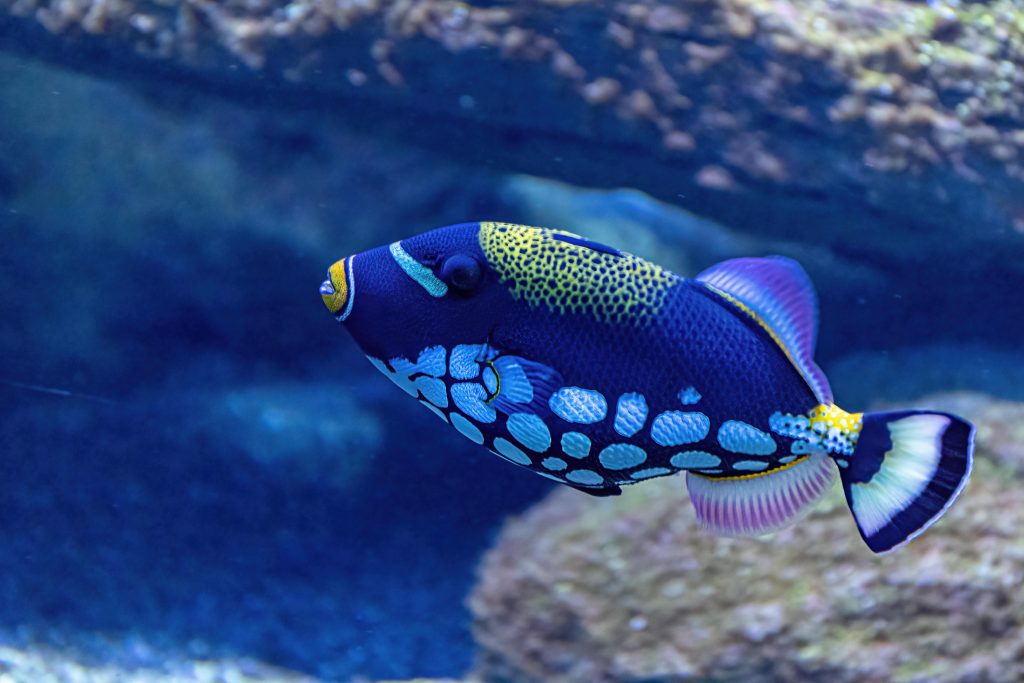
Clown Triggerfish (Balistoides Conspicillum)
Clown triggerfish are stunning but aggressive marine fish that need very large tanks, strong filtration, and careful tankmate…
[favorite_button]
My Bookmarks:
To see full list click here
[user_favorites user_id="" include_links="true" site_id="" post_types="" include_thumbnails="true" thumbnail_size="thumbnail" include_excerpt="false"]