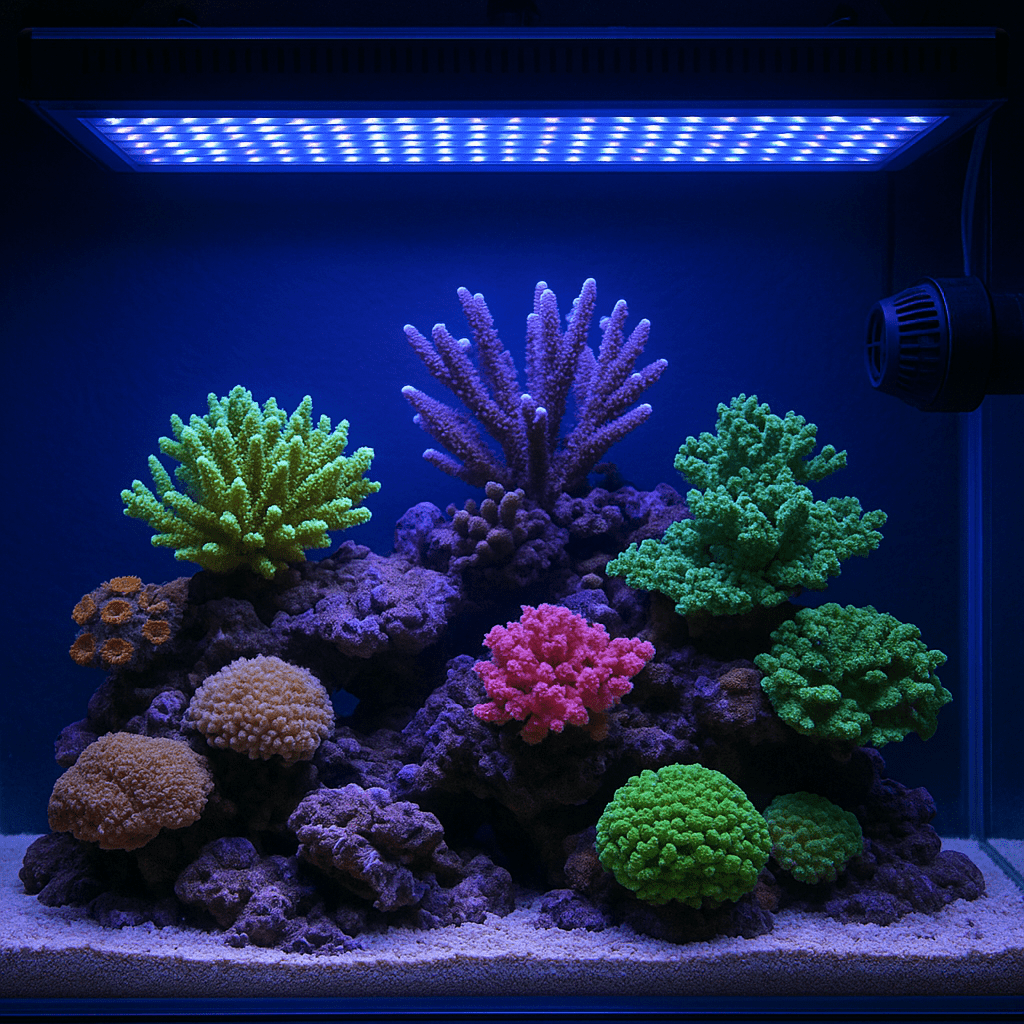
Choosing the right overflow box affects noise, safety, surface skimming, and sump performance. The best option depends on your tank, drilling status, budget, and risk tolerance. In most reef setups, drilled internal overflows with a full siphon drain offer the best mix of reliability, quiet operation, and long-term peace of mind.
An overflow box moves water from the display tank to the sump. It also sets the display water level. That sounds simple, but the design matters a lot. A poor overflow can be loud, ugly, hard to tune, or even fail during a power outage. A good one runs quietly and consistently for years. In this guide, you will learn the main overflow box options, their pros and cons, and how to choose the right style for your reef. We will also cover drain types, plumbing tips, and common mistakes that cause noise or flooding.
Quick Reference Table
| Overflow Option | Best For | Main Pros | Main Drawbacks |
|---|---|---|---|
| Internal corner overflow | Standard drilled reef tanks | Reliable, simple, good surface skimming | Takes display space |
| Internal rear overflow | Tanks needing wide skimming | Excellent surface film removal | Visible inside tank |
| External overflow box | Clean display look | More display space, slim internal weir | Needs precise drilling and plumbing |
| Hang-on-back siphon overflow | Undrilled tanks | No drilling required | Higher failure risk, more maintenance |
| Bean Animal drain | Quiet, fail-safe reef systems | Very quiet, very safe | Needs three drains and room |
| Herbie drain | Most modern reef tanks | Quiet and efficient | Needs two drains and tuning |
| Durso drain | Simple single-drain setups | Easy and common | Noisier and less fail-safe |
Use the table as a starting point. The best overflow is not always the cheapest one. It is the one that matches your tank design and your comfort level with plumbing.
What an Overflow Box Actually Does
An overflow box does more than send water to the sump. It constantly removes the top layer of water. That top layer holds proteins, oils, and dust. Good surface skimming keeps the display clearer and improves gas exchange. It also helps your skimmer work better.
The overflow also controls water height in the display. That matters for rimless tanks and clean viewing lines. Inside the overflow, drain pipes carry water to the sump. The return pump then sends water back up. This creates the full filtration loop.
In reef tanks, stability matters more than raw flow. A quiet overflow with predictable water level is easier to live with. It also reduces salt creep and splash. If you plan to keep corals long term, choose reliability first. Fancy plumbing features mean little if the system is hard to tune.
Main Overflow Box Options
Internal Corner Overflow
This is one of the oldest drilled designs. The overflow sits in a back corner of the tank. Water enters through teeth or a slotted weir. Bulkheads in the bottom or back panel carry water down.
Corner overflows are dependable and easy to understand. Many reef-ready tanks use them. They work well with Herbie or Durso drains. The downside is lost display space. They also create a visible black box inside the aquascape. On smaller tanks, that space loss feels significant.
Internal Rear Overflow
This style runs along part or all of the back wall. It gives a longer weir length. That improves surface skimming. It also spreads flow more evenly across the tank surface. Many modern frag tanks and shallow reefs use this design.
The tradeoff is visual impact. You still lose some internal space. Yet many reef keepers prefer this over a large corner tower. It often looks cleaner and performs better.
External Overflow Box
External overflows place most of the box outside the tank. Inside the display, you only see a slim internal weir. Water passes through holes or a weir opening in the back glass into the external box. The drains then drop to the sump.
This is a favorite option for custom reef tanks. It saves display space and looks clean. It also allows wide surface skimming with a low-profile internal section. The downside is installation complexity. Hole placement must be exact. The back of the tank also needs clearance from the wall.
Hang-On-Back Siphon Overflow
A hang-on-back overflow is used when the tank is not drilled. Water flows over an internal box, through a siphon tube, and into an outer box. From there it drains to the sump.
This option avoids drilling. That makes it attractive for existing tanks. Still, it has more risk than a drilled overflow. Air buildup, siphon loss, and restart issues can cause trouble. Some hobbyists run them successfully for years. Others replace them after one flood scare. If you choose this route, use proven models, inspect them often, and never ignore maintenance.
Drain System Options
The overflow box is only half the system. The drain layout determines noise and safety. This part matters just as much as the box itself.
Durso
A Durso uses one main standpipe with an air vent. It is simple and common on older reef-ready tanks. It reduces some gurgling compared to an open pipe. Still, it is usually louder than modern multi-drain systems. It also lacks a dedicated emergency drain.
Herbie
A Herbie uses two drains. One runs as a full siphon with a gate valve. The second acts as an emergency standpipe. This design is quiet and very popular. It works well on many reef tanks. It does require tuning, but once dialed in, it is stable and quiet.
Bean Animal
A Bean Animal uses three drains. One is a full siphon. One is an open channel. One is a dry emergency. This is the gold standard for quiet and safe overflow performance. It handles flow changes well and offers excellent redundancy. The main limitation is space. You need enough room for three bulkheads and plumbing lines.
How to Choose the Best Overflow Box
Start with one question. Is your tank drilled or undrilled? If it is drilled, choose a drilled overflow. That will usually be safer and quieter. If the tank is not drilled, decide whether drilling is possible. In many cases, drilling the back panel is worth it. Tempered glass changes that answer, so always verify first.
Next, think about display space. If you want a clean aquascape, an external overflow is attractive. If you want simplicity, an internal overflow is easier. Then consider your tolerance for plumbing work. A Bean Animal offers excellent performance, but it needs more room and planning. A Herbie is often the sweet spot for most hobbyists.
Also match the overflow to your return rate. Many beginners oversize flow through the sump. That creates noise and microbubbles. Reef tanks do not need extreme sump turnover. Moderate flow is easier to manage. In-tank powerheads should handle most coral circulation.
Step-by-Step Overflow Planning Guide
- Measure the tank and stand space carefully.
- Confirm whether the glass can be drilled safely.
- Choose internal or external box style.
- Select a drain system. Herbie or Bean Animal are best for most reefs.
- Match bulkhead size to realistic sump flow.
- Plan for an emergency drain every time.
- Leave room behind the tank for plumbing access.
- Use a gate valve on the siphon line, not a ball valve.
- Test power outage behavior before adding livestock.
- Run the system for several days and fine tune it.
That last step is important. Many overflow issues appear during the first week. Water levels settle. Air pockets shift. Return pumps break in. Test early, not after your floor gets wet.
Aquarium Setup and Placement Tips
Place the tank where you can reach the overflow easily. This sounds obvious, but many tanks end up too close to the wall. External overflows need rear clearance. Internal overflows need enough top access for standpipe cleaning. Tight spaces make routine service frustrating.
Keep the overflow away from rock structures that block surface movement. Surface film needs a clear path to the weir. If your return nozzles point poorly, dead spots can form at the top. Then the overflow skims only one area. Aim return flow to keep the surface gently moving toward the box.
Use strainers or guards where needed. Snails, macroalgae, and loose frags can clog drains. In reef tanks, small obstructions are common. Build with that in mind. Redundancy matters because living systems are messy.
Common Problems
Why is my overflow so loud?
Loud overflows usually have too much air mixing in the drain. The drain may also be undersized or poorly tuned. A single Durso often gurgles more than hobbyists expect. If you run a Herbie, adjust the gate valve slowly. Wait between changes. Fast adjustments make tuning harder.
Check for splashing in the sump too. Sometimes the overflow is quiet, but the drain outlet is noisy. Extending the drain below the sump water line can help. So can reducing total return flow.
Why does my overflow level keep changing?
This often points to inconsistent return flow or partial blockage. Dirty filter socks can raise sump water and change back pressure. Snails in the overflow can also affect flow. Clean the system and inspect the standpipes. Then retune the siphon if needed.
Can a hang-on-back overflow lose siphon?
Yes. That is the main concern with this style. Air can collect in the siphon section over time. Some designs manage air better than others. Regular inspection is essential. If reliability is your top priority, a drilled overflow is the better choice.
Why am I getting microbubbles?
Microbubbles often come from excessive drain turbulence. They can also come from the skimmer section or return pump chamber. Reduce sump turnover if it is too high. Check for air leaks on plumbing fittings. Make sure the drain outlet is not blasting into a shallow sump area.
Practical Buying Advice
If you are buying a new reef-ready tank, prioritize overflow design early. It is much harder to change later. A slim internal weir with an external box is excellent if you want a clean display. A standard internal overflow is still a strong choice if you value simplicity.
Do not choose based on advertised gallons per hour alone. Real-world quiet flow is usually lower. Build around realistic return rates, not marketing numbers. Also buy quality bulkheads and a true gate valve. Cheap plumbing parts create expensive headaches.
If you are upgrading an older tank, drilling may be worth the effort. Many hobbyists spend money trying to perfect a hang-on-back overflow when drilling would have solved the core issue. Still, every setup is different. Apartment tanks, temporary systems, and budget builds may need compromises.
Frequently Asked Questions
What is the safest overflow box option?
A drilled overflow with a Bean Animal drain is the safest common option. It offers strong redundancy and quiet operation.
Is a Herbie overflow enough for a reef tank?
Yes. A Herbie is enough for many reef tanks. It is quiet, efficient, and much safer than a single-drain setup.
Should I drill my tank or use a hang-on-back overflow?
If the glass can be drilled safely, drilling is usually the better long-term choice. It reduces risk and improves reliability.
How much flow should go through the overflow?
Most reef tanks do well with moderate sump turnover. You do not need extreme flow through the overflow. Let powerheads handle display circulation.
Do overflow teeth reduce performance?
They can reduce flow slightly, but they help block snails and debris. In most reef tanks, the tradeoff is worth it.
Final Thoughts
The best overflow box is the one that stays quiet, skims well, and protects your home from avoidable mistakes. For most reef keepers, that means a drilled overflow paired with a Herbie or Bean Animal drain. Keep the design simple. Leave room for maintenance. Test every failure scenario before livestock goes in. That approach will save stress later.
For more reef system planning, see reef tank plumbing basics, how to choose a sump, return pump sizing guide, and reef tank flow explained.
Was this helpful?
Related Posts
Nano Reef Care
Nano Reef Care Basics Nano reefs look small and simple. They are not always easy. Stability is harder…
 By
ByDo You Need An Aquarium Controller
An aquarium controller is helpful, but not essential for every reef tank. Learn when it is worth the…