

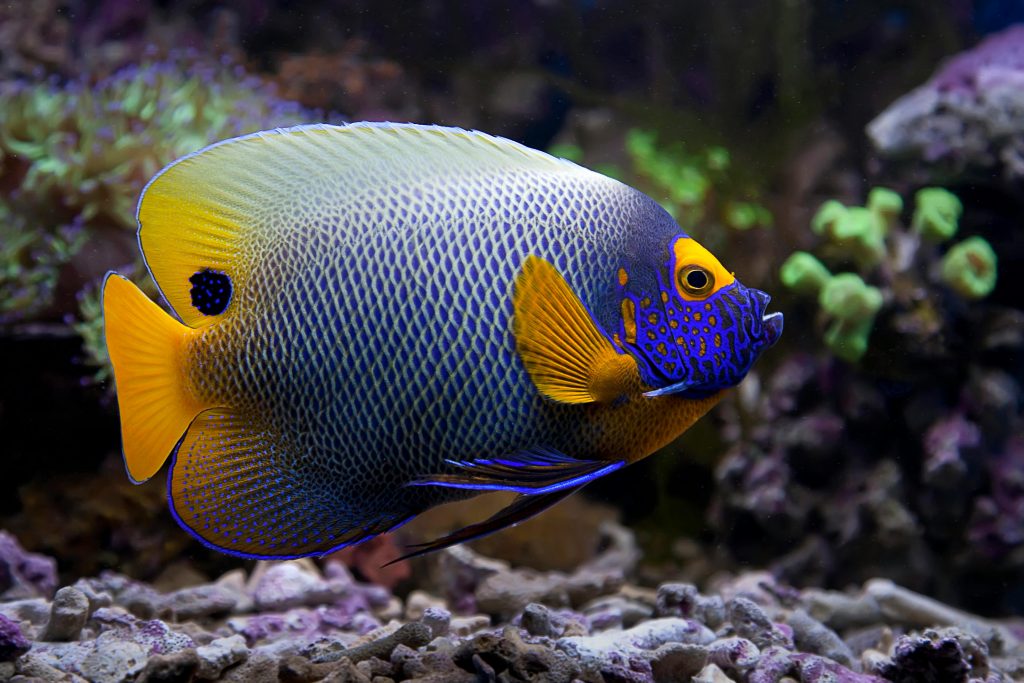
The Blueface Angelfish is one of the most striking large marine angelfish in the hobby. It is also one of the more demanding species to keep well long term. This fish needs a large, mature aquarium, stable water quality, and careful tankmate selection. Reef keepers should also expect some risk with corals and clam mantles. In this guide, you will learn how to house, feed, and manage Pomacanthus xanthometopon successfully.
Many hobbyists fall in love with this species because of its electric blue facial pattern and bold yellow body. Juveniles look very different from adults, which adds even more appeal. Still, beauty alone does not make it an easy fish. The Blueface Angelfish grows large, becomes territorial, and can be sensitive during import and acclimation. Success comes from planning ahead. You need enough swimming space, heavy filtration, and a varied diet. You also need realistic expectations about reef safety. If you understand those points, this angelfish can become a true showpiece fish.
Quick Care Reference
| Common name | Blueface Angelfish |
| Scientific name | Pomacanthus xanthometopon |
| Care level | Moderate to difficult |
| Temperament | Semi-aggressive to aggressive |
| Adult size | Up to 15 inches |
| Minimum tank size | 180 gallons, larger preferred |
| Diet | Omnivore with sponge-based foods |
| Reef safe | With caution |
| Temperature | 75 to 79°F |
| Salinity | 1.024 to 1.026 |
| pH | 8.1 to 8.4 |
| Nitrate | Preferably under 20 ppm |
This table gives the short version, but each point matters. A juvenile may seem small in a dealer tank. That does not mean it belongs in a medium aquarium. This fish needs room to turn, graze, and establish territory. It also needs a mature system with stable oxygen levels and low stress. Many losses happen in undersized or newly set up tanks.
Natural Habitat
The Blueface Angelfish comes from the Indo-Pacific region. It is found around reefs in Indonesia, the Philippines, Papua New Guinea, and nearby waters. In nature, it lives on outer reef slopes, lagoons, and coral-rich areas with abundant rock structure. Juveniles often hide among crevices and sheltered reef zones. Adults patrol larger territories and spend much of the day grazing.
Wild Blueface Angelfish feed on sponges, tunicates, algae, and other encrusting organisms. That matters in captivity. Their diet is not limited to simple meaty foods. They need variety and frequent feeding to maintain body weight and color. Their natural habitat also explains their need for rockwork. This species feels secure when caves and overhangs are available. Open water is important too, but constant shelter access reduces stress. A tank that mimics these reef zones will usually produce a more confident fish.
Identification and Growth
This species changes dramatically as it matures. Juveniles are dark blue to black with curved white and blue stripes. They resemble other juvenile Pomacanthus angels at first glance. As they grow, the adult pattern slowly appears. The face develops the famous blue network pattern. The body turns yellow to tan with blue-edged scales and darker rear markings.
Adults can reach around 15 inches in ideal conditions. Many home aquarium specimens stay somewhat smaller, but they still become large fish. Growth depends on diet, space, genetics, and overall husbandry. Do not buy one expecting it to remain a compact centerpiece. This is a long-term commitment. If you start with a juvenile, be prepared for years of growth and changing behavior. That transformation is rewarding, but only if the tank can support the fish as an adult.
Aquarium Setup
A 180-gallon tank is the practical minimum for most hobbyists. A 220-gallon or larger aquarium is even better. This fish needs both swimming room and substantial rock structure. Build the aquascape with arches, caves, and shaded retreats. Leave open lanes in front and along the rockwork. That helps the fish cruise naturally without feeling trapped.
Use strong filtration. A large skimmer is essential. Mechanical filtration helps remove heavy waste. Biological filtration must be mature before adding this species. Blueface Angelfish produce a lot of waste and eat multiple times daily. That can raise nitrate quickly in under-filtered systems. Good gas exchange is also important. Large angelfish have high oxygen demand. Keep lids secure, but do not restrict airflow. Stable salinity and temperature matter more than chasing tiny number changes. For more system planning, see: reef tank setup guide, protein skimmer basics, marine fish quarantine guide, and live rock aquascaping tips.
Lighting Requirements
The Blueface Angelfish does not have special lighting needs in the way corals do. It adapts well to standard fish-only lighting and to reef lighting if acclimated properly. The real concern is intensity. In bright reef tanks, newly imported specimens may feel exposed. They often settle faster when caves and shaded ledges are available.
If you keep this fish in a mixed reef, avoid sudden lighting changes. New bulbs, major spectrum shifts, or abrupt schedule increases can stress fish that are still adjusting. Use a normal day-night cycle. Around eight to ten hours of full lighting works well in many systems. Dawn and dusk ramping can reduce startle responses. This species often becomes bolder under predictable lighting. If the fish hides all day, review aquascape, aggression, and acclimation, not just the light itself.
Water Flow
Moderate to strong water movement is ideal. This fish comes from active reef environments with steady circulation. Good flow supports oxygenation and helps prevent detritus buildup around the rockwork. That is important in tanks with large, messy feeders. Still, avoid blasting the fish with a narrow jet. Turbulent, broad flow works best.
Create calm zones behind rock structures where the angelfish can rest. This is especially useful during acclimation. If the fish struggles to hold position constantly, the flow pattern may be too harsh. If waste collects in dead spots, flow may be too weak. Aim for a balanced layout. In reef systems, coordinate powerhead placement so coral needs and fish comfort both make sense. Stable oxygen and clean surfaces support appetite, color, and overall resilience.
Feeding
Feeding is one of the most important parts of Blueface Angelfish care. In the wild, this fish grazes on sponges and encrusting foods throughout the day. In captivity, it should receive a varied omnivore diet with marine sponge content whenever possible. High-quality angelfish formulas are very useful. Supplement them with mysis shrimp, chopped clam, brine enriched with vitamins, nori, and quality pellets.
Feed juveniles two to three times daily. Adults usually do well with two generous feedings. Variety prevents nutritional gaps and helps maintain body mass. Soak foods in vitamins if the fish is newly imported or recovering from stress. A fish that refuses food needs quick attention. Try different textures and sizes. Offer food near cover if it is shy. Never rely on one food item alone. Poor diet is a common reason large angelfish lose condition over time.
Compatibility
The Blueface Angelfish is not a peaceful community fish. It can coexist with many larger marine species, but planning matters. Good tankmates include tangs, larger wrasses, rabbitfish, triggerfish with care, and robust reef-safe fish that can handle a confident angelfish. Avoid tiny timid species in the same territory zone. Avoid adding other large angelfish unless the tank is very large and the mix is carefully managed.
Reef compatibility is mixed. Some individuals ignore many corals for months. Others nip quickly. Large-polyp stony corals, fleshy soft corals, zoanthids, and clam mantles are all at risk. Even if coral damage starts lightly, it often increases with time. A fish-only system or a very selective mixed reef is usually safer. If you try one in a reef, accept the risk before purchase. Never assume a single good week means the fish is reef safe forever.
Step-by-Step Acclimation Guide
Large angelfish often struggle during the first few weeks. A careful acclimation process improves your odds greatly.
- Quarantine the fish in a spacious, stable tank. Add PVC shelters or inert rock structures.
- Match temperature and salinity slowly. Avoid rapid swings.
- Keep lighting dim for the first day.
- Offer food within the first 24 hours. Try sponge foods first.
- Observe breathing rate, feces, and skin condition daily.
- Treat parasites only when needed and with the right diagnosis.
- Move the fish to the display only after it eats well and behaves confidently.
If possible, add the Blueface Angelfish before the most aggressive established fish. Rearranging some rock can also reduce territorial disputes. Use an acclimation box if tankmates are known bullies. The first month often determines long-term success. Patience helps more than rushing.
Propagation and Breeding
Breeding Blueface Angelfish in home aquariums is extremely rare. This species is a pelagic spawner in the wild. Pairs release eggs into the water column, usually under specific social and environmental conditions. Home systems almost never provide the space or group dynamics needed for consistent spawning behavior.
Can Hobbyists Frag or Propagate This Species?
No. Fish are not propagated through fragging like corals. Any breeding effort would involve pairing, spawning, larval rearing, and advanced live food culture. That is beyond normal home aquarium practice. For most hobbyists, the realistic goal is excellent long-term care rather than captive breeding.
Common Problems
Why is my Blueface Angelfish not eating?
New imports often refuse food due to shipping stress, internal parasites, or bullying. Start by checking for rapid breathing, hiding, or stringy feces. Offer sponge-based frozen foods, clam on the half shell, and vitamin-soaked mysis. Reduce aggression and provide more cover. Poor appetite that lasts several days should not be ignored.
Why is it hiding all the time?
Constant hiding usually points to stress. Common causes include aggressive tankmates, too little cover, recent introduction, or unstable water quality. Test ammonia, salinity, and temperature first. Then review the social setup. A fish that feels secure usually becomes visible during feeding and then throughout the day.
Why is it nipping my corals?
This is normal behavior for many large angelfish. Hunger can increase nipping, but feeding more does not guarantee a fix. Some individuals simply develop a taste for certain corals or clam mantles. If damage becomes frequent, the only reliable solution is removing either the fish or the vulnerable invertebrates.
Why are the colors fading?
Color loss often links to poor diet, chronic stress, or declining water quality. Increase dietary variety. Include sponge formulas and vitamin supplementation. Check nitrate, dissolved organics, and aggression levels. Dull color can also appear during adjustment, but long-term fading means something is off.
Frequently Asked Questions
Is the Blueface Angelfish reef safe?
It is reef safe with caution at best. Many individuals nip corals, zoanthids, and clam mantles. A fish-only or carefully chosen mixed system is safer.
What is the minimum tank size for a Blueface Angelfish?
Most aquarists should consider 180 gallons the minimum. Larger tanks provide better long-term success and lower aggression.
Can I keep two Blueface Angelfish together?
Usually no in normal home aquariums. They are territorial and can fight badly. Very large systems are required for any serious attempt.
How often should I feed a Blueface Angelfish?
Feed juveniles two to three times daily. Feed adults at least twice daily with varied foods that include sponge content.
How long do Blueface Angelfish live?
With excellent care, they can live for many years. Long lifespan depends on tank size, diet, water quality, and disease prevention.
Final Thoughts
The Blueface Angelfish is a spectacular fish, but it is not an impulse buy. It needs space, structure, and consistent care. It also needs an owner who accepts its adult size and possible coral nipping. If you can provide a large, mature aquarium and a varied diet, Pomacanthus xanthometopon can become one of the most impressive fish in your collection. For reef keepers who plan carefully, few angelfish make a stronger visual statement.
Was this helpful?
Related Posts
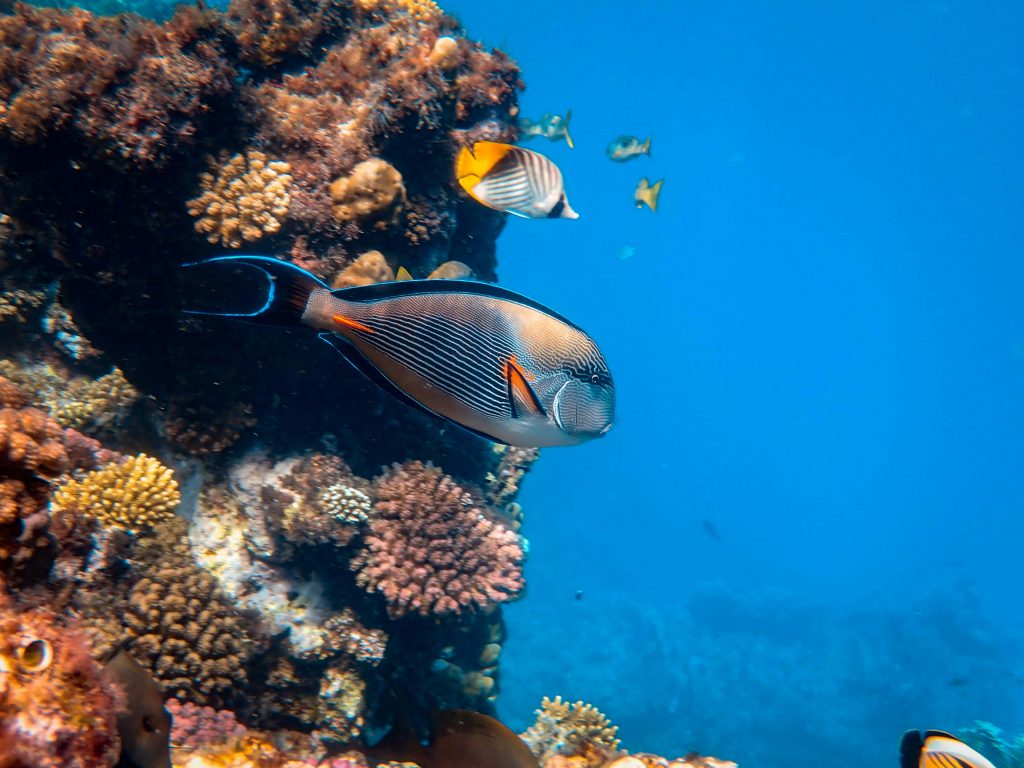
Sohal Tang (Acanthurus Sohal)
Sohal Tang care centers on space, heavy feeding, and aggression control. Learn tank size, diet, compatibility, and common…
 By
By
Reef Safe Fish Guide
Learn which reef safe fish work best in coral tanks, plus species to avoid, compatibility tips, and beginner-friendly…
[favorite_button]
My Bookmarks:
To see full list click here
[user_favorites user_id="" include_links="true" site_id="" post_types="" include_thumbnails="true" thumbnail_size="thumbnail" include_excerpt="false"]