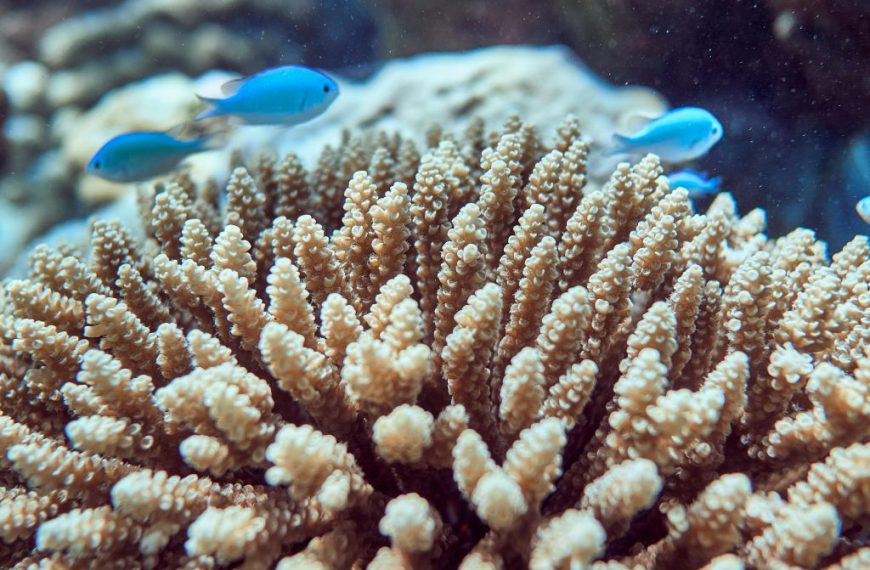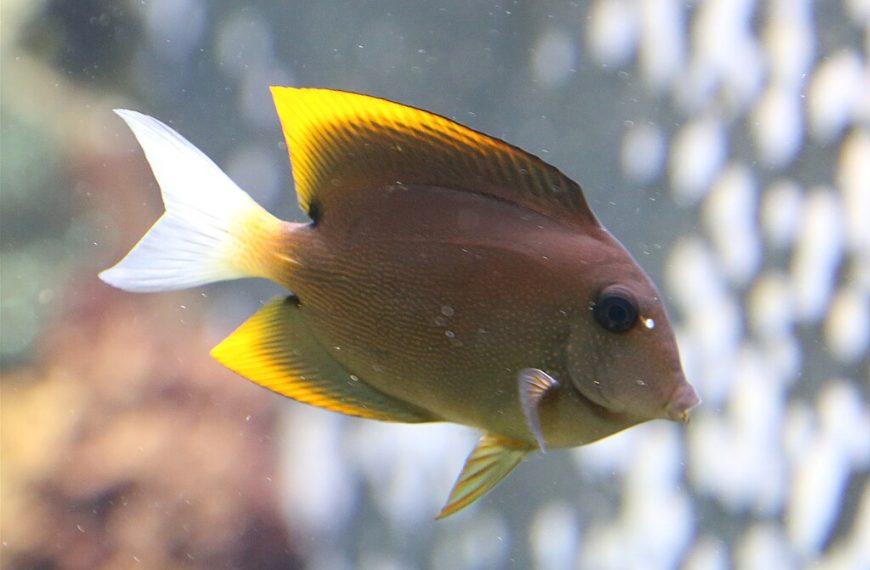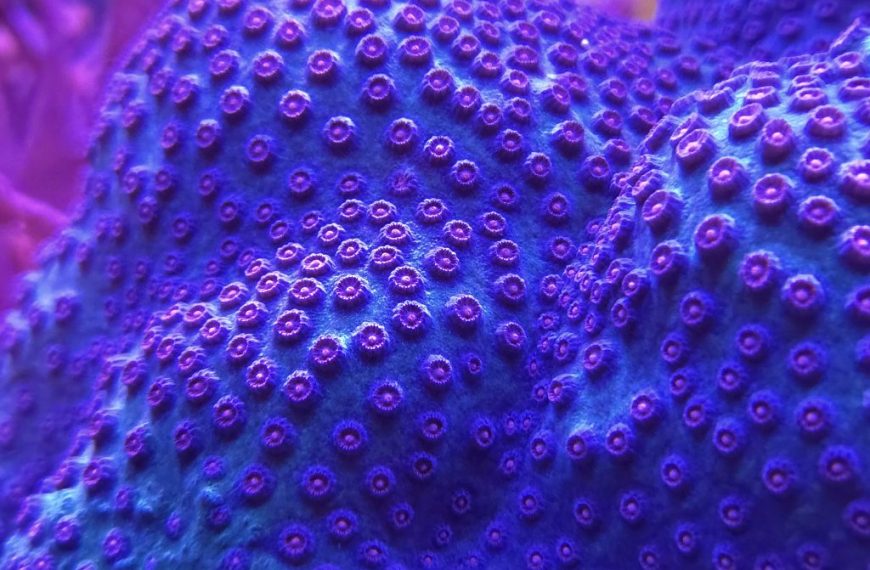

Angelfish and butterflyfish are among the most striking and sought-after marine fish in the aquarium hobby. Their bold colors, intricate patterns, and graceful swimming make them instant centerpieces in any saltwater tank. However, they also come with specific care requirements and compatibility concerns that aquarists must understand before bringing them home.
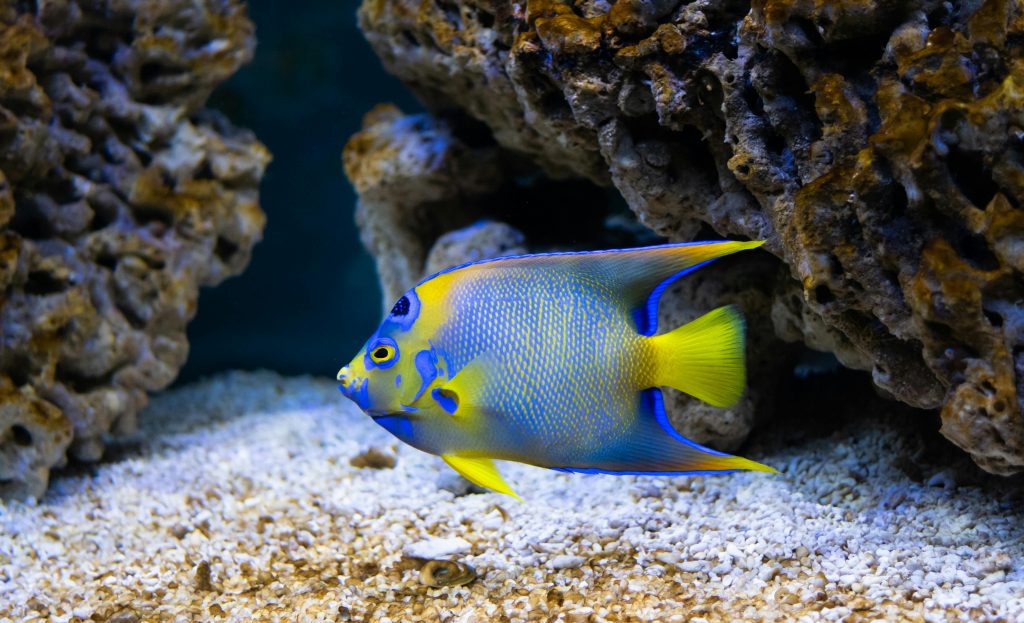
Understanding Angelfish
Marine angelfish (family Pomacanthidae) are medium to large reef fish known for their laterally compressed bodies, elongated dorsal and anal fins, and vivid coloration. Many species change appearance dramatically as they grow, with juveniles often looking completely different from adults.
Key Characteristics of Angelfish
- Family: Pomacanthidae
- Size range: 3–15 inches (7.5–38 cm), depending on species
- Lifespan: 10–15+ years in captivity with good care
- Temperament: Semi-aggressive to territorial, especially adults
- Diet: Omnivorous; many are sponge and algae grazers in the wild
- Reef safety: Often not fully reef-safe; may nip at corals and clams
Types of Angelfish Common in Aquariums
Angelfish are often grouped by size: dwarf (pygmy), medium, and large. Each group has different space and compatibility requirements.
Dwarf (Pygmy) Angelfish
Dwarf angelfish belong mainly to the genus Centropyge. They are generally more manageable in size and are popular for home aquariums.
- Coral Beauty Angel (Centropyge bispinosa): Hardy, relatively peaceful, and one of the most common dwarf angels. Colors range from deep purple to orange with blue highlights.
- Flame Angel (Centropyge loricula): Bright orange-red body with vertical black bars and electric blue edging on the fins. Can be feisty and may nip at some corals.
- Potter’s Angel (Centropyge potteri): Striking orange and blue scribbled pattern. More delicate and best for experienced aquarists.
- Cherub or Pygmy Angel (Centropyge argi): Small but bold; deep blue body with a yellow face. Territorial in smaller tanks.
Medium and Large Angelfish
Larger angelfish often require spacious aquariums and careful planning. Many are showpiece fish that can dominate a tank.
- Emperor Angel (Pomacanthus imperator): Famous for its dramatic juvenile-to-adult color change. Adults display yellow and blue horizontal stripes with a bold mask pattern.
- Queen Angel (Holacanthus ciliaris): Intense blues and yellows with a distinctive “crown” spot on the head. Can be aggressive and is generally not reef-safe.
- Regal Angel (Pygoplites diacanthus): Elegant vertical striping and subtle coloration. Often difficult to acclimate; best left to advanced keepers.
- French Angel (Pomacanthus paru): Dark body with bright yellow edging and speckling. Grows quite large and needs ample swimming space.
Care Requirements for Angelfish
Angelfish need stable, high-quality water conditions and a well-structured aquascape. Many species graze on live rock and benefit from mature systems with established algae and microfauna.
- Tank size: 55 gallons (200 L) minimum for dwarf angels; 120+ gallons (450+ L) for larger species.
- Water parameters: Temperature 24–27°C (75–81°F), salinity 1.023–1.026, pH 8.1–8.4, stable alkalinity and low nitrates.
- Diet in captivity: A mix of high-quality marine pellets, frozen foods (mysis, brine, marine blends), and specialized angelfish formulas containing sponge and algae.
- Aquascape: Plenty of rockwork with caves, arches, and grazing surfaces; open areas for swimming.
- Behavior: Introduce last in community tanks when possible, as established angels may become territorial.
Understanding Butterflyfish
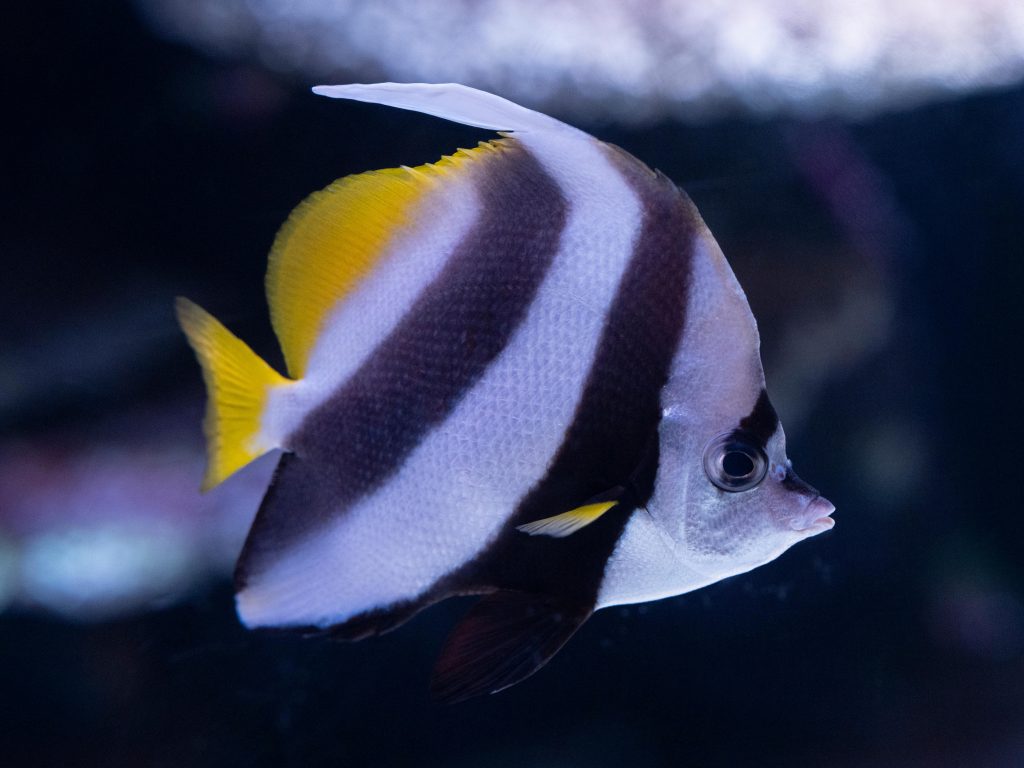
Butterflyfish (family Chaetodontidae) are delicate, laterally compressed reef fish with small, pointed mouths designed for picking at coral polyps, invertebrates, and algae. Their bold patterns and graceful movement make them highly desirable, but many species have specialized diets that can be challenging in captivity.
Key Characteristics of Butterflyfish
- Family: Chaetodontidae
- Size range: 4–9 inches (10–23 cm) for most common species
- Lifespan: 7–10+ years with proper care
- Temperament: Generally peaceful, though some are territorial toward conspecifics
- Diet: Many are corallivores (coral eaters); others feed on invertebrates and algae
- Reef safety: Frequently not reef-safe due to coral predation
Popular Butterflyfish Species
Some butterflyfish adapt better to aquarium life than others. Research each species carefully before purchase.
- Copperband Butterflyfish (Chelmon rostratus): Iconic yellow and white vertical bands with a long snout. Known for eating aiptasia anemones but can be finicky eaters and sensitive to shipping.
- Raccoon Butterflyfish (Chaetodon lunula): Distinctive “mask” over the eyes and bold yellow-black pattern. More adaptable but will nip at corals.
- Threadfin or Auriga Butterflyfish (Chaetodon auriga): White body with diagonal lines and a trailing dorsal filament. One of the hardier butterflyfish for fish-only systems.
- Klein’s Butterflyfish (Chaetodon kleinii): Brownish-yellow with subtle striping; often more tolerant of prepared foods and considered one of the easier species.
Care Requirements for Butterflyfish
Butterflyfish require stable water conditions, ample swimming space, and careful attention to diet. Many do best in mature, well-established aquariums.
- Tank size: 75 gallons (280 L) minimum for smaller species; 125+ gallons (475+ L) for larger or multiple butterflyfish.
- Water parameters: Temperature 24–27°C (75–81°F), salinity 1.023–1.026, pH 8.1–8.4, low nitrates and phosphates.
- Diet in captivity: Frozen mysis and brine shrimp, finely chopped seafood, and high-quality marine omnivore diets. Some may require live foods initially.
- Aquascape: Open swimming areas combined with rockwork and crevices for security.
- Special considerations: Many butterflyfish are poor shippers; quarantine and patient acclimation are essential.
Angelfish vs. Butterflyfish: Key Differences
While angelfish and butterflyfish share some visual similarities, they differ in behavior, diet, and suitability for various aquarium setups.
| Aspect | Angelfish | Butterflyfish |
|---|---|---|
| Family | Pomacanthidae | Chaetodontidae |
| Body shape | Deep-bodied, robust | Laterally compressed, delicate |
| Temperament | Semi-aggressive, territorial | Generally peaceful, can be shy |
| Diet (wild) | Sponges, algae, small invertebrates | Corals, invertebrates, algae |
| Reef safety | Often risky; many nip corals | Frequently not reef-safe, especially corallivores |
| Hardiness | Many species hardy; some delicate | Many species sensitive and diet-specialized |
| Best tank type | Large mixed reef (with caution) or FOWLR | Fish-only or carefully planned FOWLR |
Keeping Angelfish and Butterflyfish Together
Mixing angelfish and butterflyfish in a single aquarium can be visually stunning but requires planning. Compatibility depends on species, tank size, individual temperament, and the overall aquascape.
Compatibility Considerations
- Tank size and layout: Larger tanks (180+ gallons / 680+ L) with multiple rock structures and line-of-sight breaks greatly improve success.
- Temperament: Semi-aggressive angelfish can intimidate shy butterflyfish. Choose calmer angel species when possible.
- Feeding competition: Ensure butterflyfish get enough food; they can be outcompeted by bolder angelfish.
- Introduction order: Add more timid species (often butterflyfish) first, then introduce angelfish.
- Individual variation: Personalities vary; always have a backup plan if aggression becomes severe.
Suggested Combinations
The following combinations are general guidelines and assume a large, stable system:
- Dwarf angels + hardy butterflyfish: A coral beauty angel with a Klein’s butterflyfish in a 120+ gallon fish-only or FOWLR tank.
- Single large angel + single butterflyfish: A relatively peaceful large angel (e.g., a well-behaved emperor in a mature system) with a robust butterflyfish like a raccoon or auriga, in a 180+ gallon tank.
- Multiple dwarfs with a butterflyfish: In very large systems with extensive rockwork, multiple dwarf angels may coexist with one or two butterflyfish, but close monitoring is required.
Reef Tanks, FOWLR, and Stocking Choices
Because both angelfish and butterflyfish may nip corals or invertebrates, many aquarists keep them in fish-only or FOWLR (Fish-Only With Live Rock) setups. However, some carefully chosen species can work in reef environments with acceptable risk.
Angelfish in Reef Aquariums
- Lower-risk dwarf angels: Coral beauty and flame angels are often kept in reefs, but individual behavior varies. They may nip at LPS corals, zoanthids, and clams.
- Higher-risk large angels: Queen, emperor, and French angels frequently damage corals and are best in FOWLR systems.
- Management strategies: Heavy feeding, ample natural grazing surfaces, and accepting some coral nipping as part of the trade-off.
Butterflyfish in Reef Aquariums
Most butterflyfish are not recommended for traditional coral reefs, especially those that naturally feed on coral polyps. A few species may be managed cautiously in soft-coral or mixed reefs, but there is always risk.
- Corallivores: Many Chaetodon species will systematically consume corals and are unsuitable for reef tanks.
- Relative exceptions: Klein’s and some other species may be kept in soft-coral dominated systems, but they can still cause damage.
- Best use: Butterflyfish are generally better suited to FOWLR systems where their natural behaviors do not conflict with expensive coral collections.
Feeding Strategies for Angelfish & Butterflyfish
Feeding both angelfish and butterflyfish properly is essential for long-term health, coloration, and behavior.
Angelfish Diet Tips
- Offer a varied diet: marine pellets, frozen mysis, spirulina, nori, and angelfish-specific formulas with sponge.
- Feed small portions 2–3 times daily to mimic grazing behavior.
- Encourage natural grazing by providing mature live rock with algae and sponges.
- Supplement vitamins occasionally to support immune health and coloration.
Butterflyfish Diet Tips
- Start with enticing foods: live brine shrimp, blackworms, or enriched frozen foods to trigger feeding response.
- Gradually transition to frozen mysis, finely chopped seafood, and high-quality prepared diets.
- Feed small, frequent meals to accommodate their natural grazing habits.
- Monitor weight closely; a pinched belly or sunken body indicates insufficient nutrition.
Health, Quarantine, and Long-Term Success
Both angelfish and butterflyfish are susceptible to common marine diseases such as marine ich (Cryptocaryon irritans) and flukes. Stress from transport, poor water quality, or aggression can quickly compromise their immune systems.
- Quarantine: Always quarantine new angelfish and butterflyfish for 3–4 weeks in a separate system to observe and treat for parasites.
- Acclimation: Use drip acclimation to minimize shock when introducing them to your display tank.
- Observation: Watch for rapid breathing, flashing, fin clamping, or refusal to eat, and act quickly if symptoms appear.
- Stability: Maintain consistent salinity, temperature, and pH; sudden swings are more dangerous than slightly imperfect numbers.
Is an Angelfish or Butterflyfish Right for You?
Choosing between angelfish and butterflyfish depends on your tank size, experience level, and goals for the aquarium.
- Choose angelfish if: You want a bold, centerpiece fish, have a medium to large tank, and can accept some risk to corals or opt for FOWLR.
- Choose butterflyfish if: You have a large, stable fish-only system, are willing to accommodate specialized diets, and prefer more peaceful, graceful swimmers.
- Consider both if: You have a very large aquarium, experience with sensitive marine species, and are prepared to manage compatibility and feeding carefully.
Angelfish and butterflyfish can transform a marine aquarium into a living work of art. With proper planning, species selection, and long-term care, these iconic reef fish can thrive and become the stars of your saltwater display.
Was this helpful?
Related Posts
Protein Skimmer Reef Tank Guide
Learn how a protein skimmer works, how to size one, and how to tune it for a cleaner,…
 By
By
Reef Aquarium Water Parameters
Learn the ideal reef aquarium water parameters, safe ranges, and how to keep salinity, alkalinity, nutrients, and pH…