

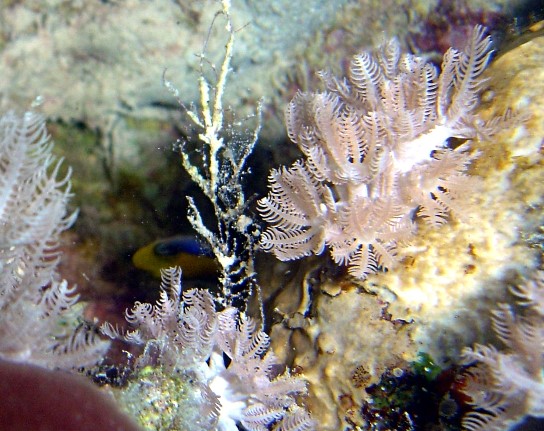
Anthelia coral is a fast-growing soft coral with constant waving polyps and easy care needs. It suits many beginner reef tanks. Success depends on stable water, moderate light, moderate flow, and careful placement because it can spread quickly across rockwork.
Many reef keepers love Anthelia for its motion. The colony adds life to areas that look still. It also adapts well to a range of established reef systems. That said, easy corals can still become frustrating without a plan. Anthelia may overgrow nearby corals if you place it carelessly. In this guide, you will learn how to identify healthy Anthelia, set up the right environment, feed and frag it, and solve common problems like shrinking polyps, poor extension, and unwanted spreading.
Anthelia Coral Quick Reference
| Common name | Anthelia, Waving Hand Coral, Glove Coral |
| Scientific group | Anthelia spp. |
| Care level | Easy |
| Temperament | Peaceful but invasive |
| Lighting | Low to moderate, moderate works best |
| Water flow | Moderate, indirect, varied |
| Placement | Lower to middle rockwork, isolated island preferred |
| Diet | Mostly photosynthetic, benefits from nutrient availability |
| Growth rate | Fast |
| Propagation | Very easy by cutting or peeling mat sections |
| Best for | Beginner and mixed reef aquariums |
Use this table as a starting point. Fine tuning still matters. Your exact light, nutrient level, and flow pattern will affect how Anthelia behaves in your tank.
What Is Anthelia Coral?
Anthelia is a soft coral known for feathery polyps that sway all day. Many hobbyists confuse it with Xenia. They are similar, but not identical. Anthelia usually forms a mat and shows waving tentacles without the strong pulsing action seen in pulsing Xenia. The motion is softer and more grass-like.
This coral contains zooxanthellae. These symbiotic algae provide much of its energy through photosynthesis. That is why Anthelia does not need heavy target feeding. It still responds to a healthy reef environment with available dissolved nutrients and stable chemistry.
Anthelia is popular because it gives a tank movement without difficult care demands. It can fill empty areas fast. That same trait is the main warning. In a mixed reef, it can creep onto neighboring rocks and irritate prized corals by shading or crowding them. Treat it as a decorative weed. Give it a place where its growth helps your design instead of ruining it.
Natural Habitat
Anthelia species occur in tropical Indo-Pacific reef habitats. They are often found in shallow to mid-depth areas with steady water movement. In nature, colonies attach to hard surfaces and spread over rock. Their soft tissue and flexible polyps are built for moving currents.
These reefs usually have stable salinity, warm water, and regular nutrient input from surrounding marine life. Light levels vary by depth and water clarity. Most aquarium colonies do best when we mimic the middle ground rather than extremes. Very dim tanks often slow growth. Very intense light can stress fresh frags if they are not acclimated.
Understanding the natural habitat helps with placement. Anthelia is not a deep cave coral. It also is not a coral that demands harsh, blasting flow. It wants enough current to keep the polyps moving and clean. It also wants enough light to support photosynthesis without bleaching newly introduced tissue.
Aquarium Setup
Anthelia can live in small reef tanks, but larger systems make control easier. A nano tank can support it, yet fast growth becomes a problem much sooner. In most cases, a mature tank of 20 gallons or more is a practical minimum. Stability matters more than size alone.
Place Anthelia on its own rock island if possible. Leave sand or open space around that rock. This slows spreading and makes future trimming simple. Avoid placing it next to slow-growing LPS or SPS corals. Anthelia can overtake them over time.
Keep salinity around 1.025 to 1.026. Aim for temperatures of 76 to 79 degrees Fahrenheit. Maintain alkalinity around 8 to 9 dKH. Calcium and magnesium should stay in normal reef ranges. Nitrate and phosphate should not be stripped to zero. Ultra-clean systems sometimes cause poor extension in soft corals. If your tank runs very lean, Anthelia may look thin or stalled.
For help building a stable soft coral system, see reef tank setup guide, reef tank water parameters, and best soft corals for beginners.
Lighting Requirements
Anthelia prefers low to moderate light. Moderate light is usually the sweet spot. Under weak lighting, the colony may survive but grow slowly. Polyps may stretch upward. Under very strong lighting, fresh frags can shrink or bleach if moved too quickly.
A practical target is roughly 50 to 120 PAR. Many hobbyists keep it successfully on the lower half of the tank under standard reef LEDs. If you use powerful lights, start low and move the frag slowly over one to two weeks. Watch for tissue contraction, faded color, or failure to open.
Light acclimation matters after shipping. Newly imported soft corals are often stressed. Reduce intensity at first if the coral came from dim holding systems. Once settled, Anthelia usually becomes reliable and forgiving. Consistency is more important than chasing exact numbers. Avoid dramatic changes in spectrum or schedule. Stable photoperiods support better extension and a more natural waving appearance.
Water Flow
Moderate, indirect flow works best for Anthelia. The polyps should sway back and forth. They should not fold over from a direct blast. Too little flow allows detritus to settle on the mat. That can irritate the colony and dull its movement.
A random flow pattern is ideal. Use wavemakers or alternating pumps if possible. This keeps debris suspended and helps the coral look its best. If the colony stays closed, inspect the flow angle first. A strong jet aimed straight at the tissue often causes retraction. Move the frag slightly or redirect the pump.
Flow also helps with spreading control. Colonies in balanced flow tend to stay cleaner and grow more evenly. Dead spots can trap waste and encourage nuisance algae around the base. If algae starts covering the mat, increase indirect flow and improve nutrient balance rather than scrubbing the coral aggressively.
Feeding
Anthelia is mainly photosynthetic. It does not require direct feeding to survive in most reef tanks. Good lighting and stable nutrients usually provide enough support. This is one reason the coral is beginner friendly.
Still, Anthelia often benefits from a reef with some available nutrition. Fish waste, dissolved organics, and occasional broadcast feeding can help soft corals thrive. You do not need to target feed each polyp. In fact, heavy target feeding often creates more mess than benefit.
If your tank is very clean, feed your fish well and consider light broadcast feeding of fine coral foods once or twice weekly. Then monitor nitrate and phosphate. The goal is balance, not excess. Anthelia often looks best in tanks with detectable nutrients. If you run aggressive filtration, oversized skimmers, or heavy media, the colony may stop expanding even when all major parameters look acceptable.
Compatibility
Anthelia is generally reef safe with fish, shrimp, snails, and most peaceful invertebrates. It does not have strong sweeper tentacles like many LPS corals. The main compatibility issue is space. It can spread onto nearby rock and crowd slower corals.
Keep distance between Anthelia and zoanthids, acans, euphyllia, chalices, and SPS frags. Even if it does not sting them heavily, it can shade them and claim attachment points. This becomes a real issue in small tanks where every inch of rock matters.
Most reef fish ignore it. Some large angelfish and certain grazers may nip soft corals, but Anthelia is not a common target in typical reef communities. Avoid housing it with animals that bulldoze rockwork or constantly bury corals with sand. If you want a mixed soft coral display, pair it carefully and plan barriers from day one. You can also review coral placement guide and soft coral vs LPS for layout ideas.
How to Add Anthelia to Your Tank
Start with a healthy frag from a trusted source. Look for open polyps, intact tissue, and a clean base. Avoid pieces with melting areas, brown slime, or heavy algae growth.
- Dip the frag if appropriate for your coral protocol.
- Match temperature and salinity slowly.
- Place it in low to moderate light first.
- Give it moderate indirect flow.
- Observe for several days before moving it.
- Choose an isolated rock if long-term control matters.
Do not keep repositioning the frag every day. Soft corals need time to settle. If the polyps open and sway gently, leave it alone. If it stays closed for several days, check salinity, flow direction, and recent chemical changes. Carbon, large water changes, and aggressive nutrient reduction can all affect new soft coral frags.
Propagation and Fragging
When to Frag Anthelia
Frag Anthelia when the colony reaches the edge of its rock or threatens nearby corals. Healthy, established colonies recover quickly. Do not frag a stressed colony that is already shrinking or melting.
How to Frag It Safely
Use clean scissors, a scalpel, or forceps. Cut or peel a section of the mat from the rock. Attach the piece to rubble with a mesh cup, rubber band method, bridal veil, or reef-safe glue on the rubble beside the tissue. Many hobbyists find containment methods easier than direct gluing because soft tissue is slippery.
Aftercare for Fresh Frags
Place fresh frags in gentle to moderate flow. This prevents waste buildup. Keep lighting moderate. Most pieces attach within days to weeks. Once attached, move them only if needed. Fragging is easy, which is helpful because routine pruning is often part of keeping this coral long term.
Common Problems
Why is my Anthelia closed?
Recent changes are the usual cause. Check salinity, temperature, and alkalinity first. Then inspect flow. Direct flow often keeps polyps shut. New frags may also stay closed after shipping or dipping. Give them time if tissue still looks intact.
Why is my Anthelia melting?
Melting often points to stress, unstable water, pest damage, or sudden chemical swings. Very low nutrients can also weaken soft corals. Remove dying sections if they foul the tank. Improve stability and moderate the environment. If the whole colony declines fast, inspect for contamination and review recent dosing or media changes.
Why is it not waving?
Lack of motion usually means poor flow, not poor health. Increase random indirect flow around the colony. If the polyps are extended but still, the coral may simply need a better current pattern to show its signature movement.
How do I stop Anthelia from spreading?
Use an isolated rock from the start. Trim the mat often. Remove creeping edges before they attach to neighboring structures. Some hobbyists create sand gaps or bare barriers. Physical separation is the best long-term control method.
Frequently Asked Questions
Is Anthelia a good beginner coral?
Yes. It is one of the easier soft corals for established tanks. Its main challenge is growth control, not basic survival.
What is the difference between Anthelia and Xenia?
Anthelia usually forms a mat and waves in the current. Xenia often shows stronger pulsing behavior. They have similar care, but growth habits can differ.
Can Anthelia live in a nano reef?
Yes, but control becomes harder. In very small tanks, it can dominate the aquascape quickly.
Does Anthelia need feeding?
Usually no direct feeding is needed. Stable light and reasonable nutrient availability are often enough.
Can I place Anthelia next to SPS corals?
It is not ideal. Anthelia can spread and shade SPS frags over time. Give each coral clear space.
Anthelia coral is easy to keep and fun to watch. Its waving polyps bring motion to any reef. Just remember that easy growth needs smart planning. If you isolate the colony, maintain stable parameters, and trim it when needed, Anthelia can be one of the most rewarding soft corals in a beginner or mixed reef aquarium.
Was this helpful?
Related Posts
Reef Tank Basics
Learn reef tank basics, from setup and cycling to lighting, flow, and water chemistry, so your first reef…
 By
By
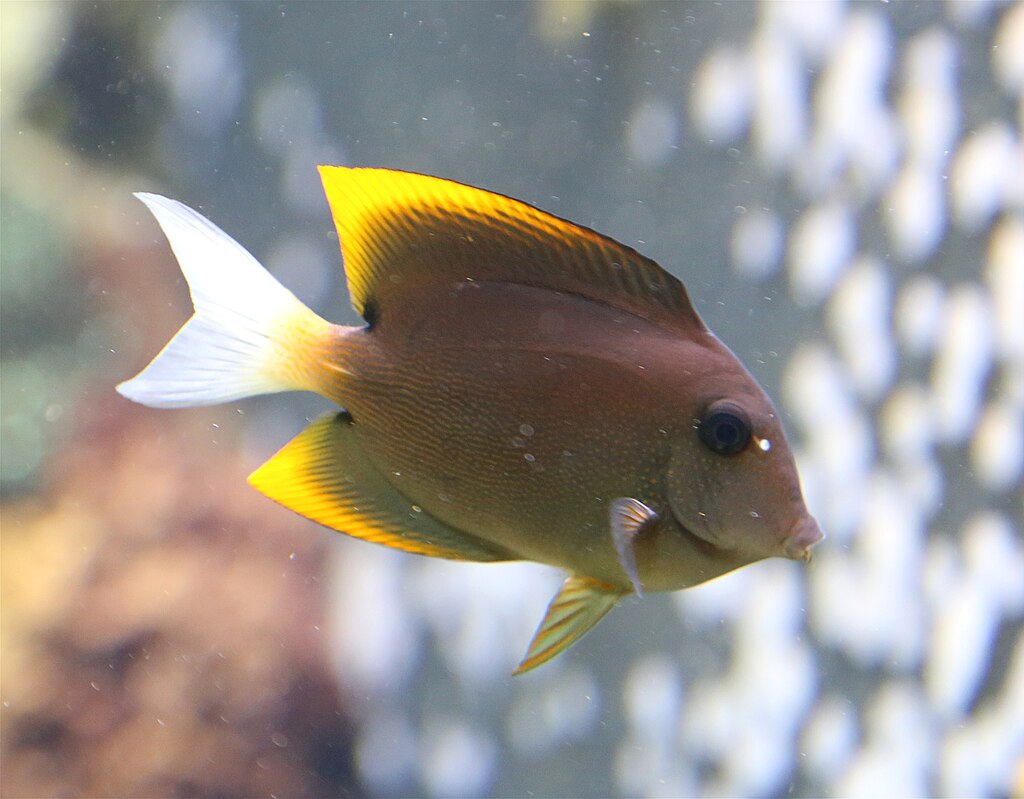
Juvenile Orange Shoulder (acanthurus Olivaceus)
Juvenile orange shoulder tangs are bright, hardy, and reef safe, but they grow large and need a spacious…
[favorite_button]
My Bookmarks:
To see full list click here
[user_favorites user_id="" include_links="true" site_id="" post_types="" include_thumbnails="true" thumbnail_size="thumbnail" include_excerpt="false"]