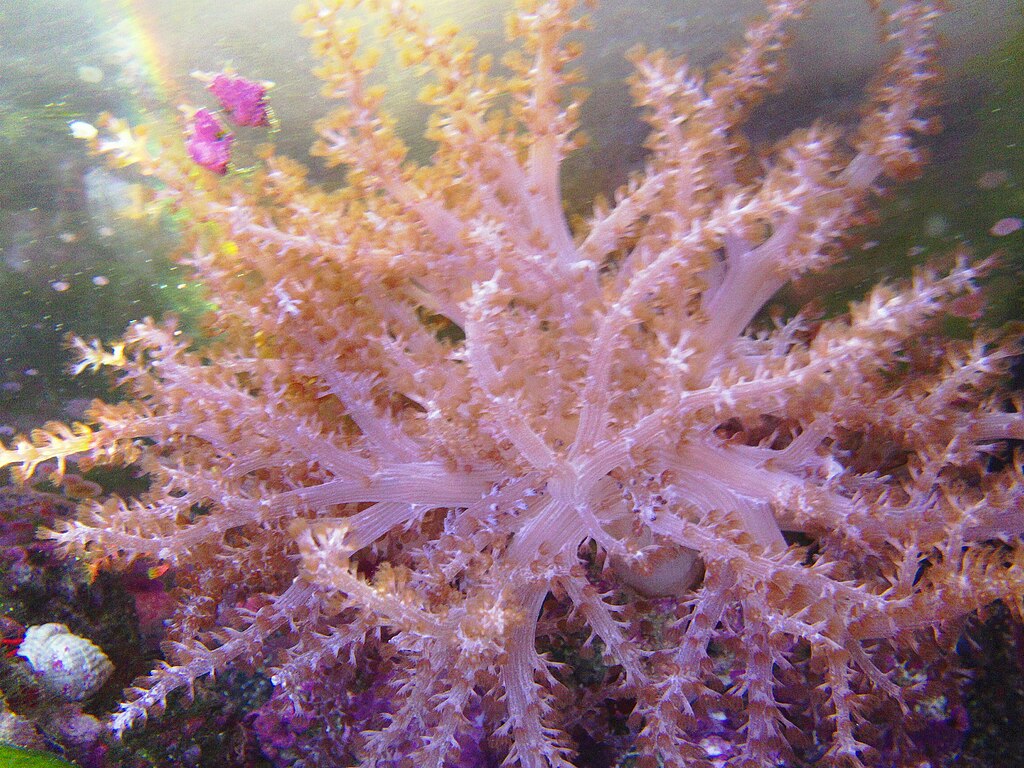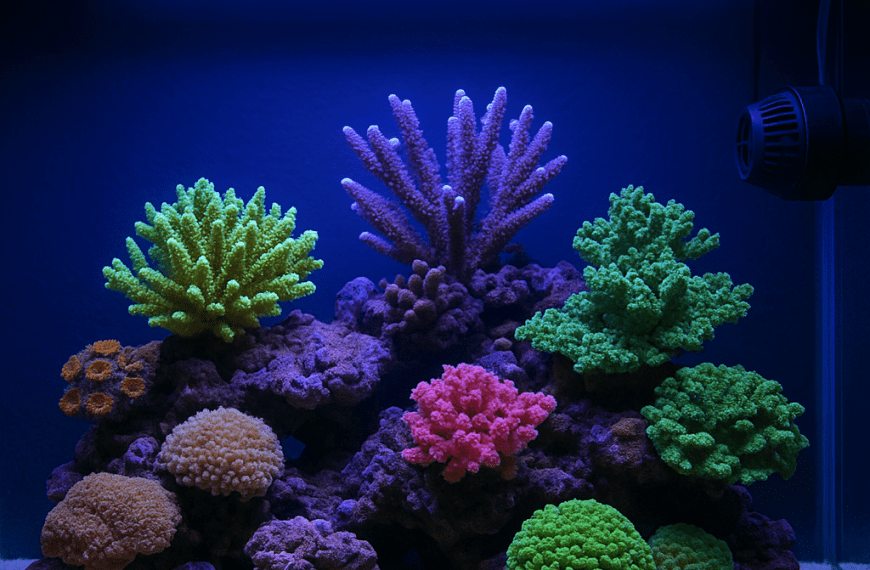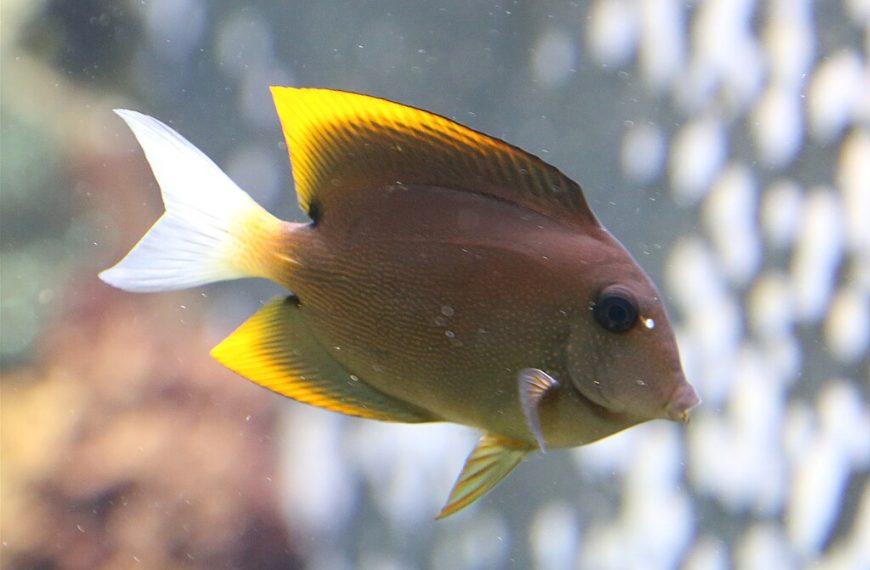

Great aquarium photos start before you press the shutter. Good composition makes fish look natural and corals look three dimensional. Use a few repeatable steps and your keepers will rise fast.
Set up the shot before you compose
Clean the viewing pane inside and out. Use a magnet cleaner first. Follow with a microfiber cloth on the outside. Remove salt creep near the rim. It creates haze and flare.
Turn off room lights and close curtains. This cuts reflections on the glass. Wear dark clothing if you can. Stand close to the tank. Keep the lens square to the glass.
Stabilize the water for clear detail. Pause wavemakers for 5 to 10 minutes. Leave the return pump on for oxygen. Wait for microbubbles to clear. Then shoot while the surface is calm.
Lock in stable display settings. Use your normal photoperiod peak. Avoid heavy blue-only modes for “true color” shots. If you run strong blues, set a custom white balance. Use a gray card near the glass if possible.
- Clean glass 10 minutes before shooting to avoid stirred debris.
- Pause flow briefly to reduce shimmer lines on coral.
- Use a lens hood or rubber shade to block reflections.
For more prep routines, see our aquarium maintenance checklist. It helps you plan photo days around cleaning cycles.
Compose with layers, lines, and negative space
Start with a clear subject. Pick one fish, one coral colony, or one interaction. Move the camera until the background simplifies. Avoid powerheads and cords behind the subject. A small shift often fixes clutter.
Use the rule of thirds as a baseline. Place the fish eye near an upper third point. Leave space in front of the swimming direction. This adds motion and story. It also prevents “cramped” framing.
Create depth with foreground and background. Shoot through an arch or between rock branches. Keep the foreground slightly soft. Keep the subject sharp. This gives reef structure and scale.
Watch for distracting tangents. Avoid coral tips “touching” the frame edge. Avoid fish tails merging with rock lines. Reframe by a few degrees. Or zoom slightly and crop later.
- Leave 10–20% empty space in front of a moving fish.
- Use rock arches as natural frames around a coral head.
- Keep the horizon level if you include the waterline.
If you want better animal behavior shots, read reef fish behavior basics. It helps you predict turns, displays, and feeding passes.
Camera settings that support strong composition
Use fast shutter speeds for fish. Start at 1/250s for slow swimmers. Use 1/500s for wrasses and anthias. Increase ISO as needed. Grain is better than blur.
Pick an aperture that fits the subject size. Use f/2.8 to f/4 for single fish portraits. Use f/5.6 to f/8 for coral colonies. This keeps more polyps in focus. On phones, tap to focus and lock exposure.
Focus on the eye for fish. Use single-point AF if available. For corals, focus on the front third of the colony. Take short bursts of 3 to 5 frames. Shimmer and sway change sharpness fast.
Troubleshoot color before you blame composition. If photos look neon, reduce blue channel intensity 10–20%. If whites look yellow, raise color temperature slightly. If everything looks flat, add a small top-down angle. Use a top-down box for open tanks.
- Fish: 1/250–1/500s, continuous AF, burst mode.
- Coral: f/5.6–f/8, tripod or brace, 2-second timer.
- Phones: tap-eye focus, exposure lock, avoid digital zoom.
For lighting tweaks that improve color, see our reef lighting spectrum guide. Small spectrum changes can fix camera white balance.
Conclusion
Strong aquarium composition comes from prep, clean framing, and stable settings. Build layers, leave negative space, and keep the subject sharp. With practice, your tank will photograph like it looks in person.
Sources: Digital Photography School (composition basics); NOAA Coral Reef Conservation Program (reef color and light context); Adobe Lightroom documentation (white balance concepts).
Was this helpful?
Related Posts
Protein Skimmer Reef Tank Guide
Learn how a protein skimmer works, how to size one, and how to tune it for a cleaner,…
 By
By
Reef Aquarium Water Parameters
Learn the ideal reef aquarium water parameters, safe ranges, and how to keep salinity, alkalinity, nutrients, and pH…