Beginner Reef Tank Mistakes (and How to Avoid Them)
Starting your first reef tank is exciting, but it can also be overwhelming. Corals, fish, invertebrates, and rock all depend on stable water conditions, and small mistakes early on can snowball into big problems later. In this guide, we’ll walk through the most common beginner reef tank mistakes and how to avoid them so your first saltwater aquarium has the best chance to thrive.
Mistake #1: Rushing the Cycle
Impatience is the number one reef-killer. New hobbyists often add fish and corals long before the tank is biologically ready. Your tank needs time to build up beneficial bacteria that process toxic ammonia and nitrite into less harmful nitrate.
To avoid this:
- Use a reliable ammonia, nitrite, and nitrate test kit from day one.
- Let the tank fully cycle before adding livestock; this often takes 4–6 weeks.
- Add your first fish slowly and in small numbers.
For a deeper look at getting started the right way, check out our guide on setting up your first saltwater tank, which covers the full cycling process in more detail.
Mistake #2: Skipping Basic Water Testing
Many beginners rely on how the tank looks instead of what the numbers say. Clear water can still be dangerous. Stable parameters are the backbone of a healthy reef tank.
At minimum, regularly test for:
- Salinity (with a refractometer, not a swing-arm hydrometer)
- Temperature (aim for 76–79°F / 24–26°C)
- Alkalinity, calcium, and magnesium for coral growth
- Nitrate and phosphate to manage nutrients and algae
Tip: Keep a simple logbook or spreadsheet of your test results. Trends over time are more important than any single reading.
Once your tank matures, you can fine-tune these parameters for the specific corals you keep. Our article on reef tank water parameters explains ideal ranges and how to correct common imbalances.
Mistake #3: Overstocking and Overfeeding
It’s tempting to fill your new reef with every colorful fish and coral you see, but a crowded tank quickly leads to aggression, poor water quality, and disease.
To prevent overstocking:
- Research adult sizes and behavior of each fish before purchase.
- Follow conservative stocking levels; less is more in a new system.
- Quarantine new fish when possible to avoid introducing parasites.
Overfeeding is just as harmful. Excess food becomes waste, driving up nitrate and phosphate and fueling nuisance algae.
- Feed small amounts your fish can finish in 1–2 minutes.
- Target-feed corals carefully instead of dumping food in the tank.
- Use a quality protein skimmer and perform regular water changes.
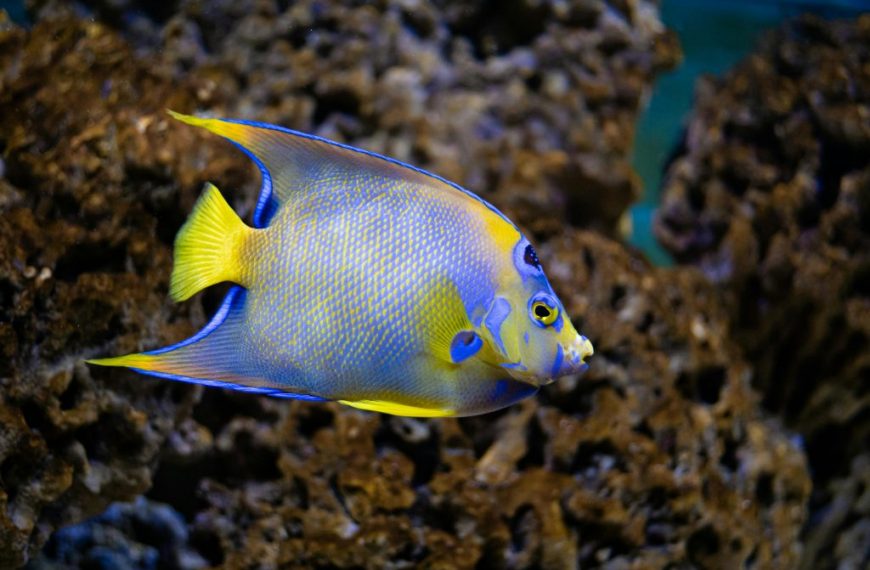
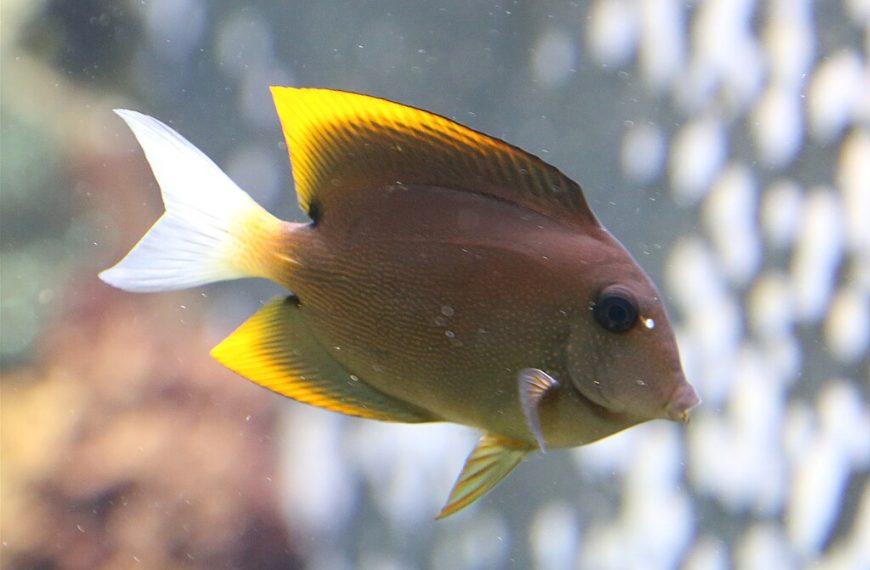
For stocking ideas that match tank size and experience level, see our beginner-friendly list of best beginner reef fish.
Mistake #4: Inconsistent Maintenance
Even the best equipment can’t replace consistent care. Skipping water changes, filter cleaning, or top-offs can quickly destabilize a young reef.
Build a simple routine:
- Daily: Check temperature, equipment, and livestock behavior.
- Weekly: Test water, clean glass, and perform a 10–15% water change.
- Monthly: Clean pumps and powerheads, inspect plumbing, and recalibrate equipment.
Bringing It All Together
Beginner reef tank mistakes usually come down to rushing, skipping testing, and adding too much too fast. If you move slowly, test regularly, and keep your stocking and feeding light, your reef will have time to stabilize and reward your patience. Focus on learning the basics, enjoy the process, and remember: a successful reef tank is a marathon, not a sprint.
Sources
- Sprung, J. & Delbeek, J. C. The Reef Aquarium (Volume 1–3).
- Borneman, E. H. Aquarium Corals: Selection, Husbandry, and Natural History.
- Fenner, R. M. The Conscientious Marine Aquarist.
Was this helpful?
Related Posts
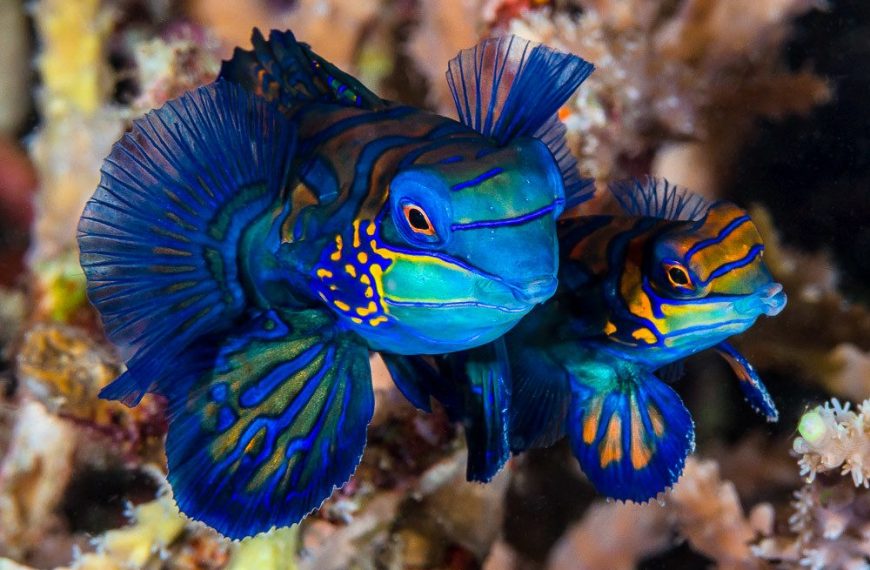
Dragonets Fish Care
Dragonets are beautiful reef fish, but they need mature tanks and steady food sources. Learn how to keep…
 By
By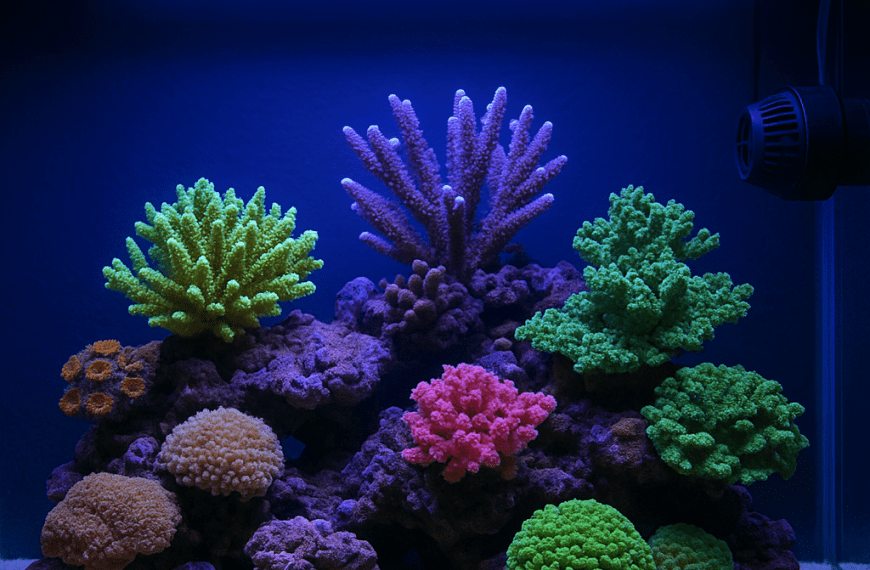
Lighting For Aquarium
Lighting for Aquarium: Getting Saltwater Illumination Right Lighting for a saltwater aquarium is about much more than simply…