

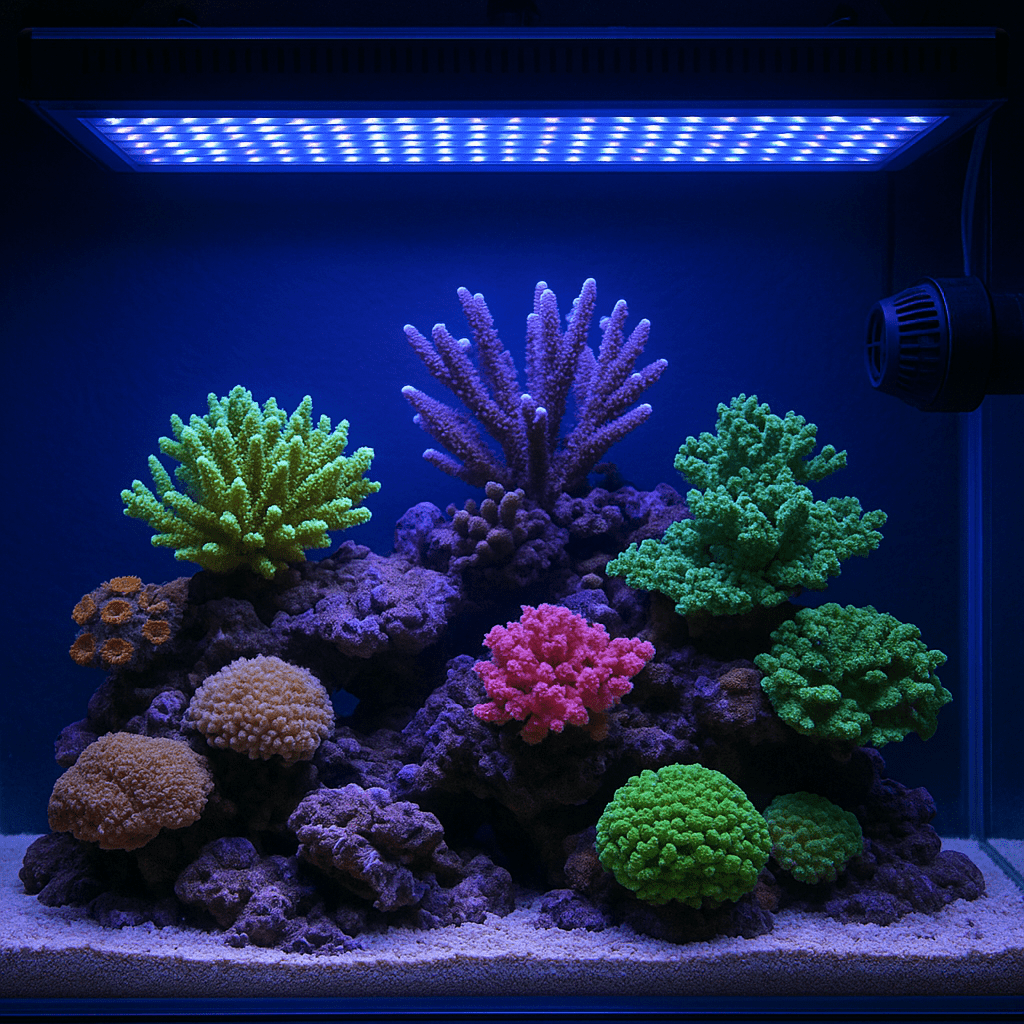
Aquarium lighting does far more than brighten your tank. It drives coral growth, shapes color, supports photosynthesis, and changes how your reef looks each day. The best light depends on your livestock, tank depth, aquascape, and budget. Stable, appropriate lighting almost always beats chasing extreme PAR numbers.
If reef lighting feels confusing, you are not alone. New hobbyists often hear terms like PAR, spectrum, blue channels, photoperiod, and acclimation without clear guidance. This guide breaks reef lighting into simple, practical steps. You will learn how aquarium lights work, how to choose the right fixture, how to match light to coral types, and how to avoid common mistakes. We will also cover setup, mounting height, scheduling, and troubleshooting. By the end, you should feel confident building a lighting plan that helps your reef look better and grow more consistently.
Quick Reference Table
| Topic | Best Practice |
|---|---|
| Fish-only tank | Moderate output LED is usually enough |
| Soft corals | Low to moderate PAR, stable schedule |
| LPS corals | Moderate PAR, avoid sudden intensity jumps |
| SPS corals | Higher PAR, strong stability, even spread |
| Photoperiod | 8 to 10 hours of full lighting |
| Acclimation | Reduce intensity 20 to 40 percent at first |
| Mounting height | Usually 8 to 12 inches above the tank |
| Main mistake | Too much light too quickly |
Why Lighting Matters in a Reef Aquarium
Most reef corals contain symbiotic algae called zooxanthellae. These algae use light to produce energy. The coral then uses part of that energy for growth and survival. That is why lighting is a core life support system in reef aquariums. It is not just decoration.
Light also affects coral color and form. Too little light can cause browning, stretching, and slow growth. Too much light can bleach tissue and stress corals quickly. Good lighting creates a balance. You want enough usable light for photosynthesis, but not so much that corals cannot adapt.
Fish-only systems are simpler. Fish do not need reef-level PAR. In those tanks, lighting is mostly about appearance and viewing. Reef tanks are different. Corals, clams, and some anemones all depend on light intensity and spectrum. If your tank struggles despite good water chemistry, lighting is often part of the answer. For help balancing other basics, see: reef tank parameters, beginner reef tank setup, and coral placement guide.
Types of Aquarium Lighting
LED lighting is now the most common choice. Modern reef LEDs are efficient, controllable, and cooler than older systems. Many units let you adjust intensity, spectrum, ramp times, and weather effects. Good LEDs can grow soft corals, LPS, and SPS when sized correctly.
T5 fluorescent lighting still has a loyal following. T5 fixtures provide very even coverage. They reduce shadowing well. Many SPS keepers like them for consistent growth across large colonies. The tradeoff is bulb replacement and less control.
Metal halide lights were once the reef standard. They produce strong output and beautiful shimmer. They also create more heat and use more power. Some advanced hobbyists still love them, but they are less common today.
Hybrid systems combine LED and T5. This setup offers control plus broad spread. It can be excellent for demanding reefs. For most beginners, though, a quality LED fixture is the easiest path. It gives enough flexibility without the heat and maintenance of older technologies.
How to Choose the Right Light
Start with your livestock plan. A mixed reef needs different lighting than a fish-only tank. If you want mostly mushrooms, zoanthids, and leathers, you do not need extreme intensity. If you want Acropora and clams, your light must deliver stronger PAR with good spread.
Next, consider tank dimensions. Depth matters a lot. A shallow frag tank is easy to light. A deep display needs stronger penetration or more fixtures. Length matters too. One bright fixture over a long tank often creates hot spots and dark corners.
Look at spread, not just peak output. Corals grow best under even coverage. Strong center PAR with weak edges causes placement issues. Also think about control features. Timers, acclimation modes, and app control can make life easier. They are not required, but they help.
Budget matters, but avoid buying too small. Underpowered lights often lead to upgrades later. It is better to buy a fixture that fits your end goal. If you plan to keep demanding corals eventually, choose a light that can grow with the tank.
Lighting Requirements by Coral Type
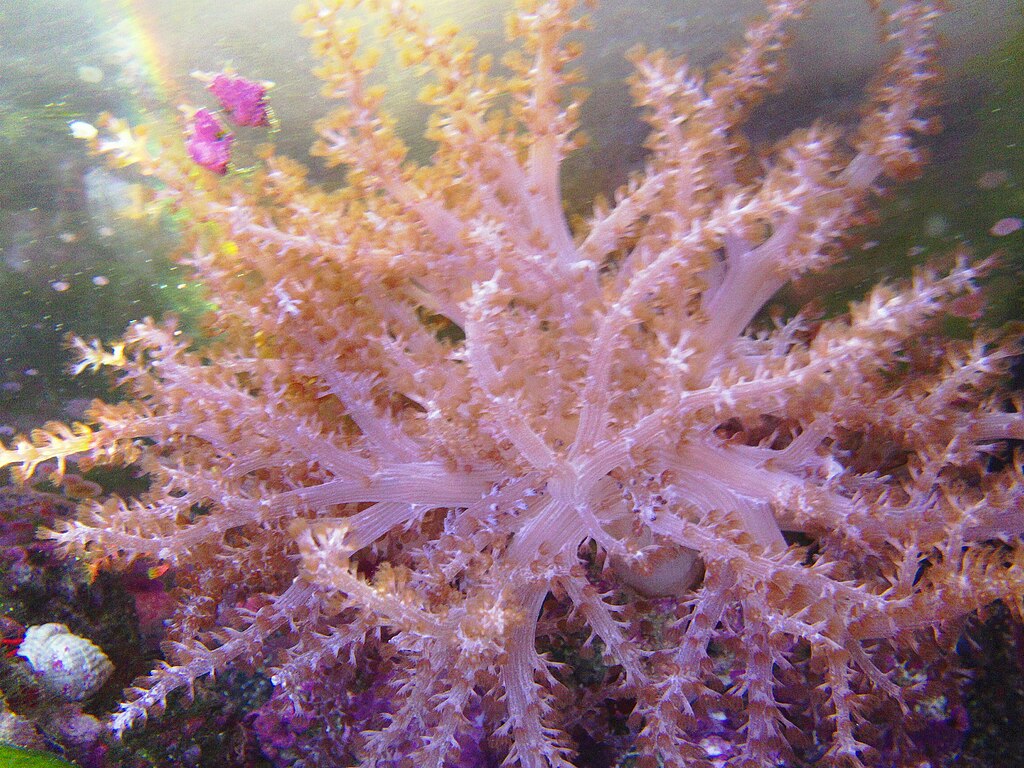
Soft corals usually prefer low to moderate light. This includes mushrooms, many leather corals, and some zoanthids. They often do well in lower PAR zones. Too much intensity can cause shrinking or fading.
LPS corals generally like moderate light. Examples include hammer corals, frogspawn, acans, and blastomussa. Many LPS show better inflation and color under stable, moderate PAR. They often dislike sudden jumps in intensity.
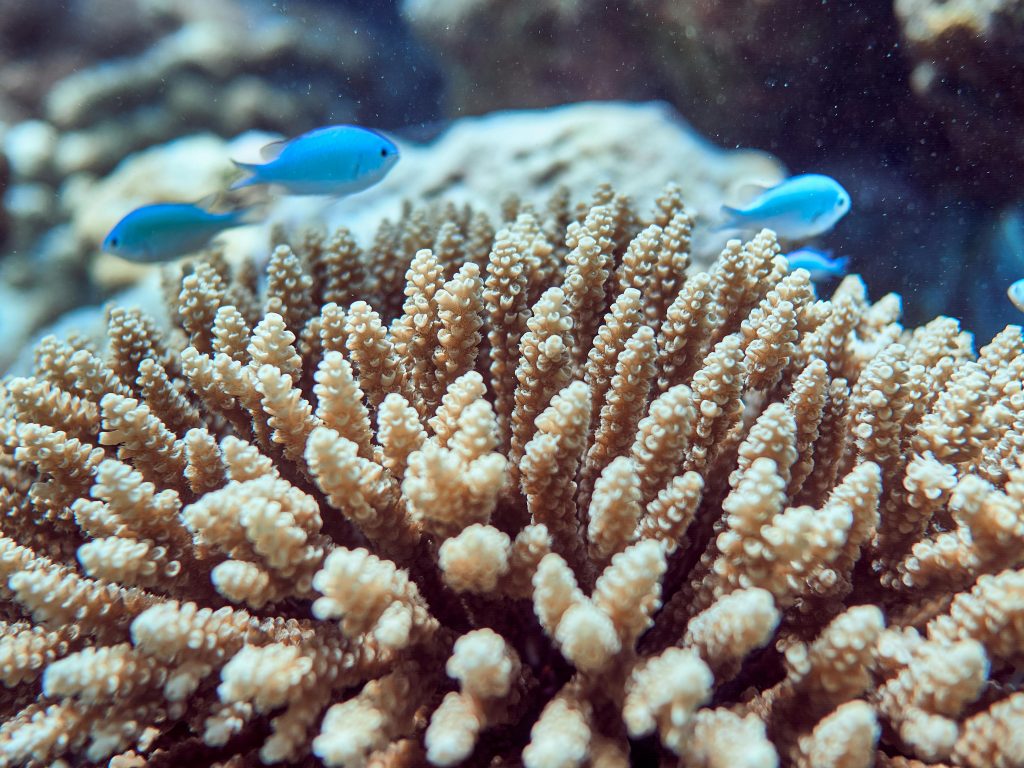
SPS corals usually require higher light. Acropora, Montipora, and similar species often thrive under stronger PAR with excellent stability. However, high light alone is not enough. They also need strong flow, stable alkalinity, and low nutrient swings.
Anemones vary by species, but many need moderate to high light once established. Research each species carefully. Never place new corals by guesswork alone. Start lower when possible, then move upward slowly. A PAR meter is ideal. If you do not have one, use trusted manufacturer maps and watch coral response closely. You can also review: LPS coral care and SPS coral care basics.
Lighting Requirements
In reef keeping, spectrum and intensity work together. Corals use wavelengths in the photosynthetically active range, often called PAR. Blue and violet wavelengths are especially important in reef aquariums. That is why many successful reef tanks look very blue during peak hours.
That said, more blue is not automatically better. Corals still benefit from a balanced spectrum. White, blue, violet, and other channels each affect appearance and usable output. Many hobbyists run heavy blue schedules because corals fluoresce beautifully under them. This can work well. Just make sure total intensity is appropriate.
For full photoperiod, 8 to 10 hours of strong light is a good starting point. Ramp-up and ramp-down periods can add one to two hours on each side. Long photoperiods do not always improve growth. They often increase algae pressure instead. Keep your schedule consistent. Corals respond better to stability than constant tweaking. Once the tank looks good and corals are healthy, resist the urge to change settings every week.
Aquarium Setup
Lighting works best when paired with smart aquascaping. Build your rockwork with coral placement in mind. High-light corals should have secure upper zones. Lower-light corals need shaded or lower areas. This gives you flexibility as the reef matures.
Mounting height affects spread and intensity. Most reef LEDs perform well around 8 to 12 inches above the water. Higher mounting improves spread and blending. Lower mounting increases intensity but can create harsh hot spots. Follow the fixture guide, then fine-tune based on coral response.
Tank size also matters. Nano reefs can become overlit very easily. Large tanks often need multiple fixtures for even coverage. Do not judge a light only by wattage. Lens design, mounting height, and spread all matter. Keep the water surface clean too. Salt creep and dirty covers reduce light penetration. A simple maintenance routine helps preserve output and keeps your readings more consistent over time.
Step-by-Step Guide to Setting Up Aquarium Lighting
Step 1: Decide what you will keep. Fish-only, soft coral, mixed reef, and SPS systems need different output.
Step 2: Measure tank length, width, and depth. Use those numbers when comparing fixture coverage charts.
Step 3: Mount the fixture at the recommended height. Start near the middle of the manufacturer range.
Step 4: Program a simple schedule. Use gradual ramping and 8 to 10 hours of peak lighting.
Step 5: Start with reduced intensity. New tanks and new corals should be acclimated slowly.
Step 6: Place corals by light demand. Put low-light corals lower and high-light corals higher.
Step 7: Observe for two to three weeks. Watch extension, color, inflation, and any signs of bleaching.
Step 8: Make small adjustments only. Increase intensity in small steps, not dramatic jumps.
Step 9: Clean lenses and splash guards regularly. Dust and salt reduce performance more than many expect.
Step 10: Reassess as corals grow. Colonies create shade and may require fixture repositioning later.
Water Flow and Lighting Work Together
Light is only part of coral health. Water flow helps corals use that light effectively. Strong, appropriate flow removes waste, delivers oxygen, and moves nutrients across tissue. Under bright lighting, poor flow often leads to stressed corals.
SPS corals usually need stronger, more chaotic flow. Many soft corals and LPS prefer gentler, indirect movement. If a coral receives high PAR but weak flow, tissue may recede or algae may settle on it. If flow is too harsh, flesh can tear or stay retracted.
Think of lighting and flow as a pair. High-light zones often need stronger circulation. Lower-light zones can support corals that prefer calmer water. When troubleshooting coral issues, check both factors together. A lighting change alone may not fix a placement problem if flow remains poor.
Feeding and Nutrients Under Strong Lighting
Brighter light can increase coral demand for nutrients. Corals still need available nitrogen, phosphorus, and trace elements. Extremely low nutrients under intense lighting can contribute to pale color and slow growth. This is common in ultra-clean tanks.
Feed fish consistently. Consider coral foods for some LPS and non-photosynthetic species. Do not assume light replaces feeding completely. Photosynthetic corals gain energy from light, but they still benefit from dissolved and particulate nutrition.
Balance is the goal. High nutrients plus long photoperiods can fuel nuisance algae. Very low nutrients plus high PAR can wash corals out. Test nitrate and phosphate regularly. Then match feeding and export to the needs of your tank. Lighting decisions make more sense when nutrient levels are stable and predictable.
Compatibility
Lighting affects how different tank inhabitants share space. Corals with low light needs can be stressed if placed near high-light species. Likewise, SPS placed too low may brown and lose structure. A mixed reef succeeds when each coral gets a suitable zone.
Fish are generally easy to accommodate. Most reef fish adapt well to typical lighting schedules. Some species may prefer caves or overhangs during bright periods. Invertebrates vary more. Maxima clams often need strong light. Many shrimp and snails are less affected, though they still benefit from a natural day and night cycle.
Compatibility also includes visual balance. A tank with only intense top lighting can leave lower areas dim and unused. Smart aquascaping creates varied light zones, which improves stocking options. It also reduces competition for prime placement among corals with different needs.
Common Problems
Why are my corals turning brown?
Brown corals often indicate low light, excess nutrients, or both. Corals may increase zooxanthellae density under lower light. This creates a browner look. Check nitrate and phosphate. Then review placement and fixture output. Increase intensity slowly if needed.
Why are my corals bleaching?
Bleaching usually follows sudden stress. Light shock is a common cause. New fixtures, higher output, or moving corals upward can trigger it fast. Reduce intensity, shorten the peak period, and improve acclimation. Also confirm temperature and alkalinity stability.
Why is algae growing faster after a lighting change?
Longer photoperiods and stronger white channels often increase algae growth. So can dirty water and rising nutrients. Cut the schedule back slightly. Clean the tank. Test nutrients. Make sure the increase in light matches actual coral demand.
Why do some corals look good while others struggle?
Different corals want different PAR and flow. A mixed reef always has winners and losers when placement is random. Map your tank into low, medium, and high-light zones. Then place each coral by need, not by appearance alone.
Why does my tank look too blue or too dim?
Heavy blue settings can make corals glow, but the tank may look dim to your eyes. Add a little white carefully if needed. Keep changes small. Visual preference matters, but coral health comes first. Balance appearance with usable output.
Frequently Asked Questions
How many hours should aquarium lights stay on?
Most reef tanks do well with 8 to 10 hours of peak light. Add short ramp periods if desired. Longer is not always better.
Do fish need blue reef lighting?
No. Fish do not need heavy blue lighting for health. Blue lighting mainly benefits coral photosynthesis and enhances coral fluorescence.
Can aquarium lighting be too strong?
Yes. Excess light can bleach corals, especially after abrupt changes. Always acclimate new corals and new fixtures slowly.
Is a PAR meter necessary?
It is not required, but it is very helpful. A PAR meter removes guesswork and improves coral placement decisions.
What is the best light for a beginner reef tank?
A quality, controllable LED fixture is usually the best choice. It offers efficiency, adjustability, and simpler maintenance.
Good aquarium lighting is not about buying the most powerful fixture. It is about matching light to your animals, your tank, and your goals. Start simple. Make small changes. Stay consistent. In reef keeping, stable lighting usually wins. For more help, explore: reef tank cycle guide and saltwater aquarium maintenance checklist.
Was this helpful?
Related Posts
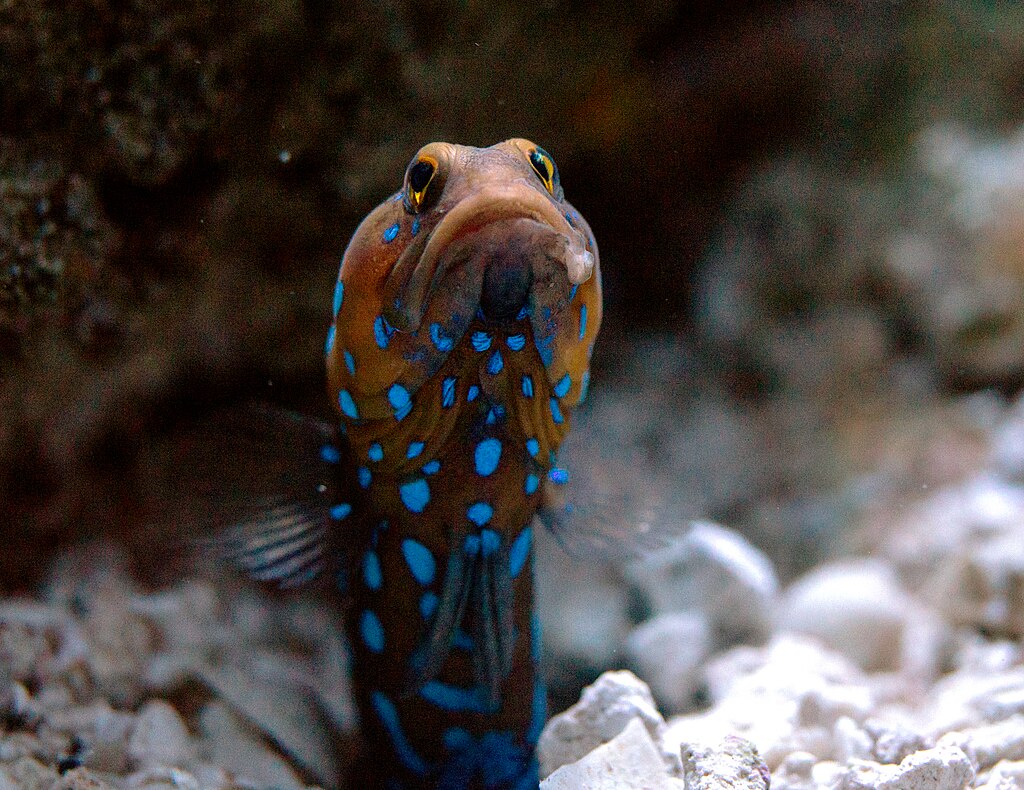
Blue Dot Jawfish (Opistognathus Rosenblatti)
Blue Dot Jawfish need cool water, deep sand, and a tight lid. Learn how to keep Opistognathus rosenblatti…
 By
By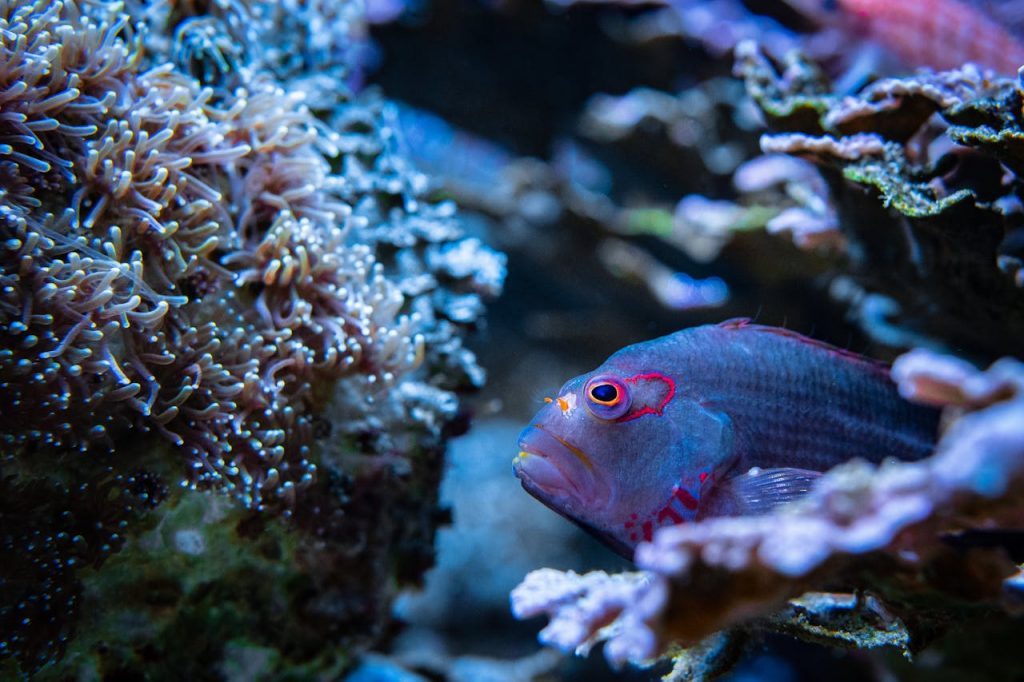
Arc Eye Hawkfish (Paracirrhites arcatus)
Arc Eye Hawkfish care is simple in a stable tank. Learn tank size, feeding, reef safety, and shrimp…
[favorite_button]
My Bookmarks:
To see full list click here
[user_favorites user_id="" include_links="true" site_id="" post_types="" include_thumbnails="true" thumbnail_size="thumbnail" include_excerpt="false"]