Choosing the best foods for marine fish is one of the fastest ways to improve color, behavior, and long-term health. Reef fish need varied diets, not one generic food. The right mix of frozen, pellet, flake, algae, and live foods helps prevent disease, supports immune function, and keeps even picky saltwater fish eating well.
Many beginners buy a beautiful marine fish, feed one food every day, and then wonder why it loses weight or stops eating. Saltwater fish have very different feeding styles. Tangs graze all day. Wrasses hunt small prey. Clownfish accept prepared foods easily. Mandarins often need live copepods. This guide explains the best foods for marine fish, how to match food to species, how often to feed, and how to avoid common feeding mistakes in reef tanks.
Quick Reference Table
| Fish Type | Best Food Types | Feeding Frequency | Key Tip |
|---|---|---|---|
| Clownfish | Pellets, frozen mysis, brine, flakes | 1–2 times daily | Easy to train onto quality pellets |
| Tangs | Nori, spirulina foods, herbivore pellets, mysis | 2–3 times daily | Provide algae often to prevent weight loss |
| Wrasses | Mysis, brine, finely chopped seafood, pellets | 2 times daily | Prefer meaty foods and variety |
| Gobies and Blennies | Small pellets, frozen foods, algae foods | 1–2 times daily | Match food size to small mouths |
| Angelfish | Sponge-based foods, mysis, pellets, algae | 2 times daily | Many need mixed plant and protein foods |
| Mandarins | Copepods, live foods, enriched frozen options | Continuous grazing | Needs mature pod population in most tanks |
| Butterflyfish | Mysis, clam, blackworms, specialty frozen foods | 2–3 times daily | Often need tempting foods at first |
Use this table as a starting point. Always research the exact species before buying food in bulk.
Why Marine Fish Need a Varied Diet
Marine fish rarely eat one thing in nature. Reef fish graze algae, pick at crustaceans, hunt plankton, or nip sponge and tunicates. A single dry food cannot fully copy that range. Variety improves nutrition and feeding response. It also reduces the risk of vitamin gaps over time.
Different foods provide different benefits. Pellets are convenient and often fortified. Frozen mysis offers rich protein. Nori supports herbivores. Live foods trigger feeding in shy fish. High-quality flakes can work well for small community species. Mixing these foods creates a stronger feeding plan.
A varied diet also helps with aggression. Hungry fish become territorial faster. Well-fed tangs and wrasses often behave better. Fish that eat confidently also handle stress better during acclimation, medication, and tank changes. In short, better food usually means healthier fish and a more stable reef tank.
Best Types of Food for Marine Fish
The best foods for marine fish usually fall into five main groups. Each has a place in a smart feeding routine. Most successful hobbyists use at least two or three types every week.
1. Frozen Foods
Frozen foods are a staple for many saltwater tanks. Popular options include mysis shrimp, brine shrimp, plankton, krill, chopped clam, and mixed reef blends. Mysis is one of the best all-around choices. It has good protein content. Most fish accept it quickly.
Choose brands with clean ingredients and minimal fillers. Thaw frozen food in tank water first. Strain excess packing juice if nutrients are a concern. This can help reduce phosphate input in smaller systems.
2. Pellets
Pellets are convenient, consistent, and easy to portion. Many premium marine pellets include vitamins, color enhancers, and immune support additives. They are ideal for automatic feeders. That makes them useful for busy hobbyists and for fish that do better with multiple small meals.
Pick the right pellet size. Small fish often ignore large pellets. Soak pellets briefly for delicate feeders if needed. Avoid cheap foods with heavy wheat fillers as the first ingredients.
3. Flake Foods
Flakes still work well for many community marine fish. They are especially useful for clownfish, chromis, damsels, and some gobies. Good flakes can be highly nutritious. The problem is not the format. The problem is low-quality ingredients in cheap products.
Use flakes as part of a rotation, not the whole diet. Crush them for small fish. Feed small pinches to avoid waste floating into the overflow.
4. Algae and Seaweed
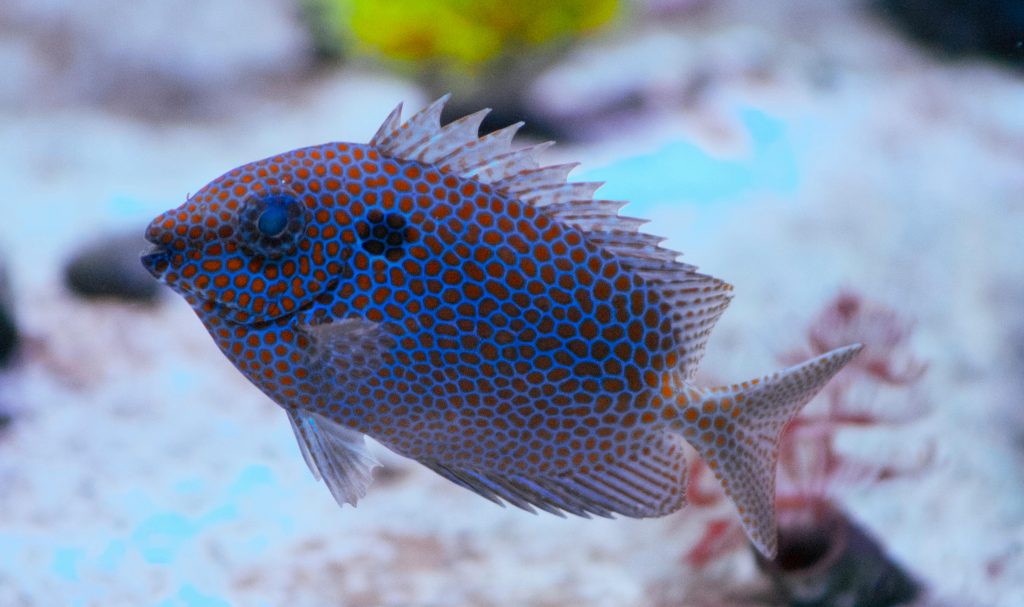
Herbivores need plant matter often. Tangs, rabbitfish, and many blennies do best when offered dried nori or other marine algae regularly. Clip a sheet to the glass. Remove leftovers after a few hours. This keeps water cleaner and prevents the sheet from breaking apart.
Spirulina flakes and herbivore pellets also help. Do not rely only on mysis for algae grazers. They may eat it eagerly, but still lose body mass over time.
5. Live Foods
Live foods are excellent for finicky fish and new arrivals. Common choices include copepods, blackworms, live brine shrimp, and enriched baby brine. Live foods stimulate natural hunting behavior. They often start feeding in fish that ignore prepared foods.
Use live foods strategically. They are helpful during quarantine and acclimation. They are also important for species like mandarins, pipefish, and some butterflyfish.
Best Foods by Type of Marine Fish
Matching food to feeding style matters more than brand loyalty. Here is a practical breakdown by fish group.
Clownfish: Feed pellets, flakes, mysis, and brine shrimp. They are usually easy feeders. Variety still improves color and condition.
Tangs and rabbitfish: Feed nori daily. Add herbivore pellets and occasional mysis. These fish need frequent grazing support.
Wrasses: Offer mysis, chopped seafood, enriched brine, and small pellets. Many wrasses burn energy fast and prefer two daily feedings.
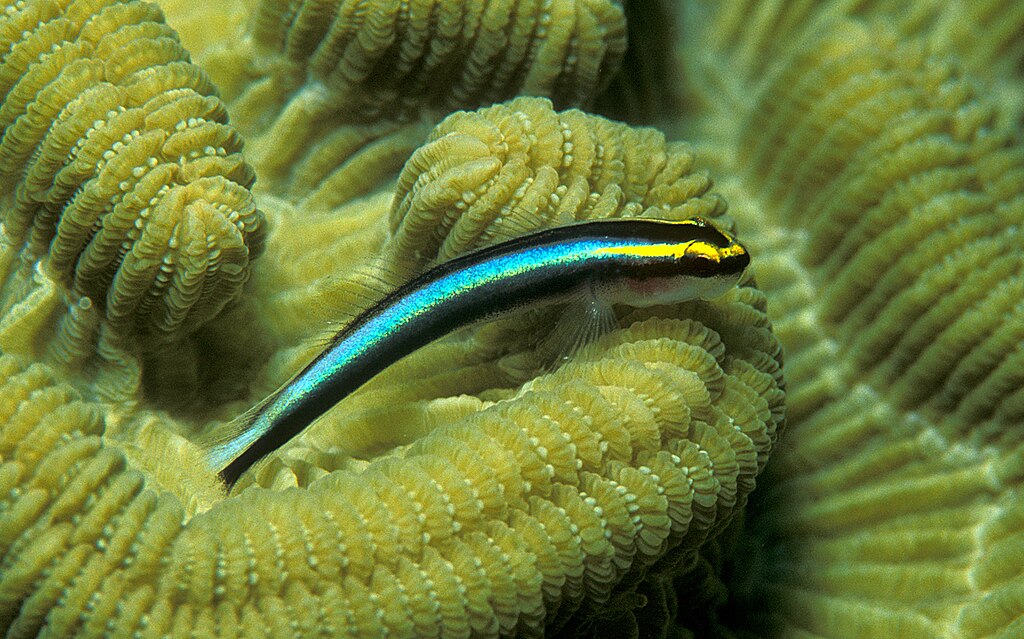
Gobies and blennies: Use tiny pellets, frozen foods, and algae foods depending on the species. Watch timid fish during feeding.
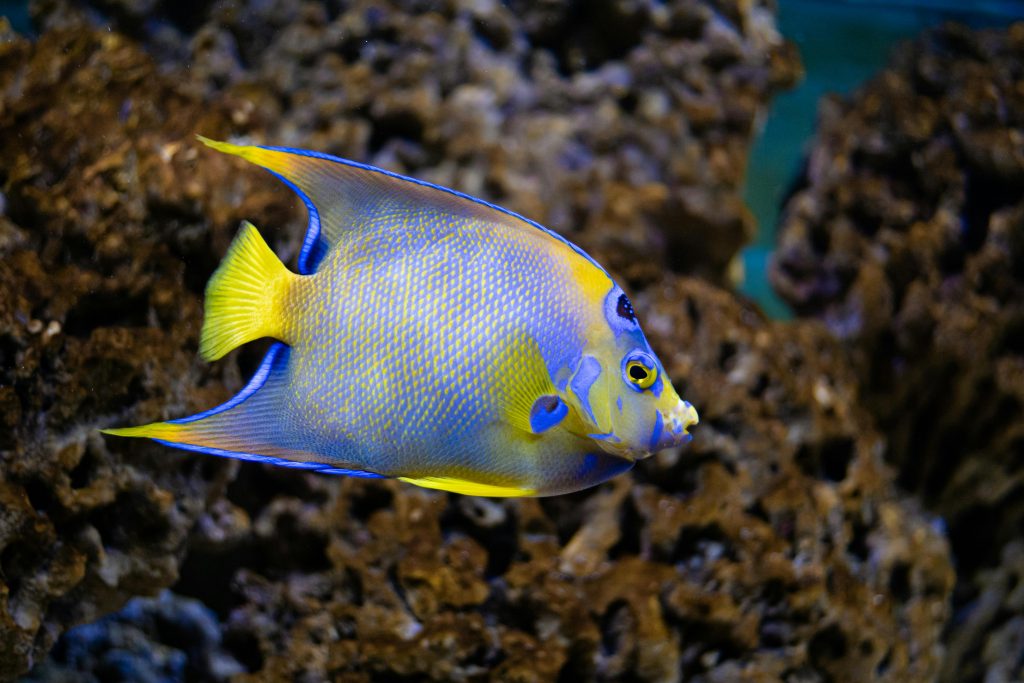
Dwarf angelfish: Feed mixed diets with algae, sponge-based frozen foods, and quality pellets. This helps support natural browsing behavior.
Mandarins and dragonets: Prioritize live copepods. Some learn frozen foods, but many still need a mature pod population to thrive.
Butterflyfish: Start with enticing foods like mysis, clam, blackworms, or specialty frozen blends. Some species are difficult long term.
How Often Should You Feed Marine Fish?
Most marine fish do best with one to two feedings daily. Active planktivores and small wrasses often benefit from more frequent meals. Herbivores need access to algae between feedings. Large predators may eat less often, but still need balanced nutrition.
Feed only what the tank can handle. Overfeeding is a major cause of high nitrate and phosphate. Uneaten food also drives nuisance algae and cyanobacteria. Small portions are safer than one large dump of food.
Watch the fish, not just the clock. A healthy fish eats with interest and maintains body weight. Sunken bellies, pinched sides, and food spitting are warning signs. Adjust food type, size, and frequency based on what you see.
Step-by-Step Feeding Plan for a Reef Tank
If you want a simple routine, follow this step-by-step plan.
- Identify each fish as herbivore, omnivore, or carnivore.
- Choose one staple dry food and one staple frozen food.
- Add algae sheets if you keep tangs, rabbitfish, or algae blennies.
- Feed small amounts once or twice daily.
- Target shy fish if aggressive eaters dominate the tank.
- Rotate foods across the week for better nutrition.
- Soak foods in vitamins occasionally for stressed or thin fish.
- Test nitrate and phosphate if you increase feeding.
- Remove uneaten algae sheets and excess food promptly.
- Reassess body condition every week.
This routine works well for most mixed reef aquariums. It balances fish health and water quality.
Feeding Tips for Better Nutrition and Cleaner Water
Rinse some frozen foods if they release cloudy liquid. Use feeding rings for flakes and pellets. Turn off pumps briefly when target feeding timid fish. Use an auto feeder for midday pellet feedings if your fish need more frequent meals.
Vitamin supplements can help fish under stress. Garlic is often used to improve feeding response, though results vary. It should not replace proper nutrition or quarantine. Enriched foods are usually more useful than chasing miracle additives.
Do not forget tank maturity. New tanks often lack natural microfauna. That matters for pod-dependent species. A fish can appear healthy at purchase, then decline weeks later if the system cannot support its feeding style.
Common Problems
My marine fish will not eat
New fish often refuse food from stress. Check for bullying, poor acclimation, or ammonia exposure. Try frozen mysis, live brine, or blackworms. Reduce flow during feeding. Offer food near the fish’s hiding area. Research whether the species has specialized needs.
My fish eats but keeps losing weight
This usually points to the wrong food type, internal parasites, or competition. Herbivores may need more algae. Fast fish may outcompete shy tankmates. Observe every feeding closely. A fish that nips food but spits it out may also have mouth injury or disease.
Nitrate and phosphate rise after feeding
Feed smaller portions. Rinse frozen foods. Improve export with skimming, water changes, or refugium growth. Check whether pellets are falling into rockwork. Nutrient issues often come from wasted food, not just feeding frequency.
Aggressive fish steal all the food
Use multiple feeding spots. Distract dominant fish first. Then target timid fish with a baster or pipette. Rearranging feeding order can make a big difference in mixed reef communities.
Frequently Asked Questions
What is the single best food for marine fish?
There is no single best food for all marine fish. Frozen mysis is one of the best general options, but most fish do best with a varied diet.
Are pellets better than frozen food?
Neither is always better. Pellets are convenient and fortified. Frozen foods are highly palatable. Using both is usually the best approach.
How many times a day should I feed saltwater fish?
Most reef fish do well with one to two feedings daily. Small active species and herbivores often benefit from more frequent access to food.
Can marine fish eat freshwater fish food?
It is not ideal for regular use. Marine fish foods are formulated for saltwater species and usually provide more suitable ingredients and nutrient balance.
Do reef fish need seaweed?
Many do not need it daily, but herbivores absolutely benefit from it. Tangs, rabbitfish, and some blennies should receive algae or seaweed often.
Final Thoughts
The best foods for marine fish depend on the species, tank setup, and feeding behavior. Still, the winning formula is simple. Feed a varied diet. Match food to the fish. Use high-quality ingredients. Keep portions controlled. Watch body condition closely. Good feeding habits improve fish health, coral safety, and overall reef stability.
For more help building a healthy reef, read our guides on best beginner reef fish, how to cycle a saltwater tank, reef tank water parameters, and best clean up crew for reef tank.
Was this helpful?
Related Posts
Bristleworms
Bristleworms are usually helpful reef tank scavengers. Learn how to identify them, control numbers, and spot the rare…
What is a Chaeto Reactor, and How Does it Help Control Nutrients?
A chaeto reactor grows macroalgae in a sealed chamber to remove nitrate and phosphate, helping reef tanks control…