
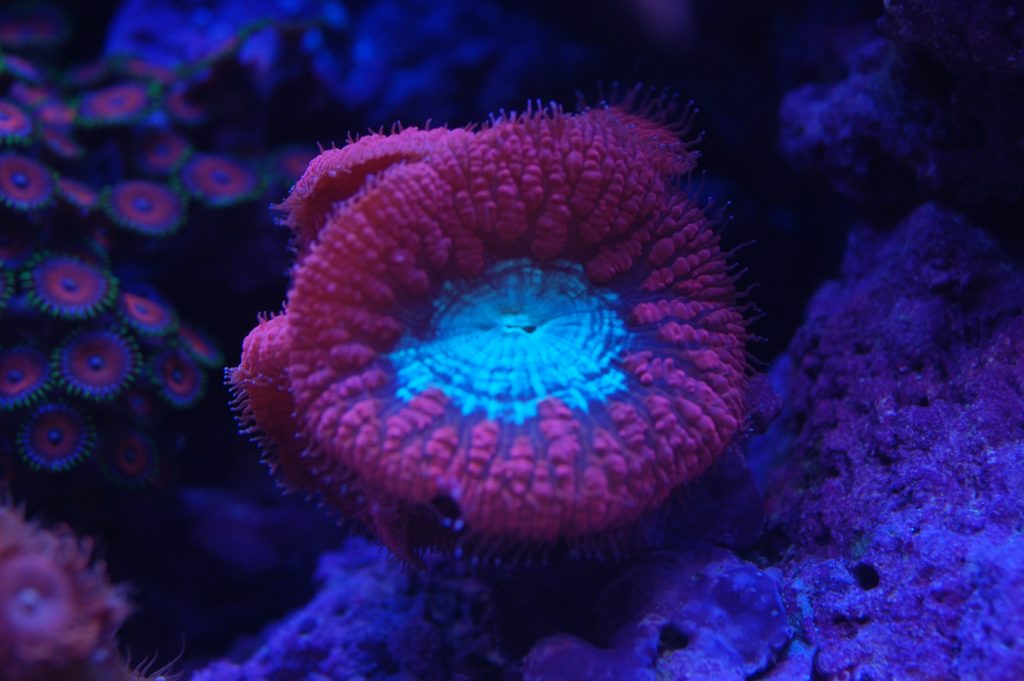
Blastomussa corals are hardy LPS with big, fleshy polyps. They reward steady care with fast feeding responses and bright color. This guide covers placement, light, flow, feeding, and common fixes.
Tank setup, placement, and stability
Blastomussa does best in stable reef tanks that are at least 6 months old. Aim for salinity 1.025 to 1.026 and temperature 77 to 79°F. Keep alkalinity 8 to 9 dKH and calcium 420 to 460 ppm. Hold magnesium near 1300 to 1400 ppm for balance.
Place Blastomussa low to mid in the rockwork at first. Give it a flat ledge or a small sandbed “island.” Leave 2 to 3 inches of space from other corals. Its tissue can sting, and it can get stung back.
Start with moderate light and adjust slowly. Many tanks do well at 60 to 120 PAR. Higher PAR can work, but bleaching risk rises. Acclimate over 10 to 14 days using a ramp or screen.
- Target nutrients: nitrate 5 to 15 ppm and phosphate 0.03 to 0.10 ppm
- Weekly water change: 5 to 10% helps keep trace elements steady
- Test alkalinity twice weekly in new systems or after dosing changes
For more on stability, review our reef tank water parameters guide. If you are still tuning nutrients, see nitrate and phosphate control.
Lighting and flow that keep polyps inflated
Blastomussa prefers gentle, indirect flow. Tissue should sway, not whip. Too much flow prevents feeding and can cause recession at the base. Too little flow lets detritus settle between heads.
Use a random flow pattern if possible. Point powerheads at the glass or over the coral. Watch for “puffy” inflation as a good sign. A tight, shrunken look often means stress.
Lighting issues show up fast. Bleaching means too much light or a rapid change. Browning can mean low light or high nutrients. Make only one change at a time. Then wait 7 to 10 days before judging results.
Nighttime is a good check. Many Blastomussa extend feeder tentacles after lights out. Use a flashlight with a red filter to observe. That tells you when to feed and how strong flow is.
- Start at 60 to 80 PAR and increase by 10 to 15 PAR per week
- Keep flow low enough that food stays on the polyp for 10 seconds
- Move the coral, not the pumps, when dialing in micro-flow zones
Feeding, growth, and troubleshooting common problems
Blastomussa can live on light and dissolved nutrients, but feeding boosts growth. Feed 1 to 3 times per week. Offer small meaty foods like mysis, brine, or chopped shrimp. Reef roids and similar powders also work when mixed thin.
Turn off return pumps for 10 to 15 minutes during feeding. Use a pipette to place food on each head. Wait for the mouth to close around the food. Then restore gentle flow to prevent leftovers from rotting.
A common mistake is overfeeding in low flow areas. That can spike phosphate and irritate tissue. If you see brown jelly or rapid tissue loss, act fast. Siphon the affected area and increase flow slightly. Consider an iodine dip if recession continues.
Recession often tracks alkalinity swings. A jump of 1 dKH in a day can cause stress. Match new saltwater to your tank at ±0.3 dKH. If you dose, use a dosing pump and spread additions across the day. For safer additions, see our alkalinity and calcium dosing basics.
- Signs of stress: gaping mouths, deflation, exposed skeleton at the base
- Quick checks: salinity with a refractometer, alkalinity, and temperature swing
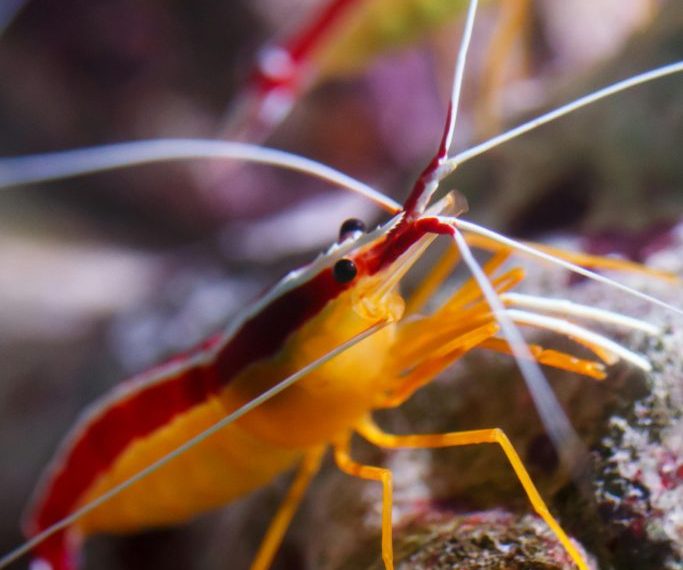
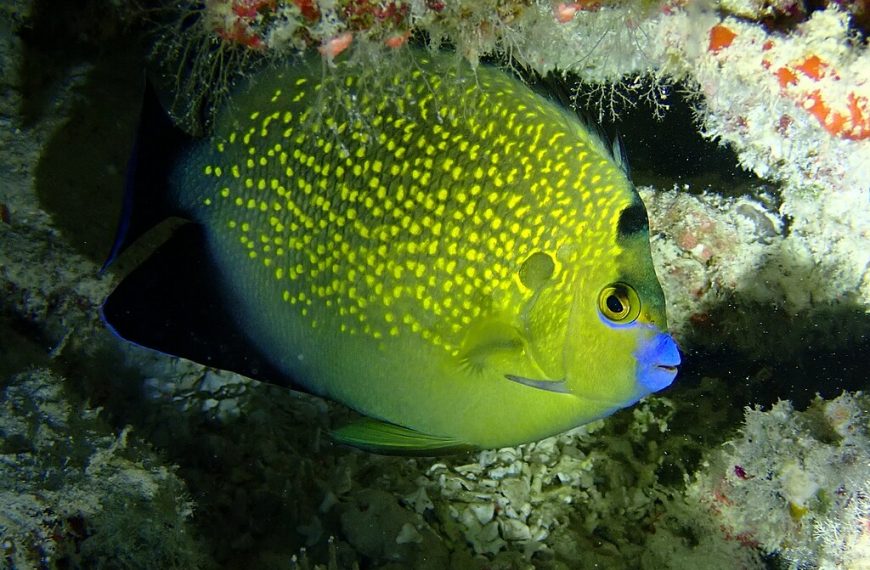
- Predators: watch for peppermint shrimp picking and angelfish nipping
Blastomussa fragging is possible once heads are plump and stable. Cut between heads with a clean bone cutter or saw. Keep tissue wet during the cut. Place frags in low flow for a week.
Blastomussa corals thrive with moderate light, gentle flow, and steady chemistry. Feed them consistently and keep nutrients in a healthy range. With patience, they become reliable show corals in mixed reefs.
Sources: Borneman, E. (2001) Aquarium Corals; Delbeek, J.C. & Sprung, J. (1994–2005) The Reef Aquarium Vol. 1–3; Veron, J.E.N. (2000) Corals of the World
Was this helpful?
Related Posts
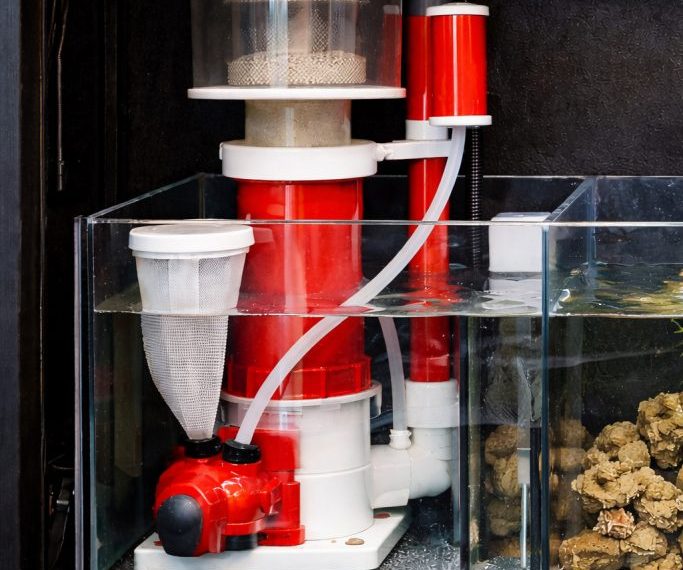
Protein Skimmer Reef Tank Guide
Learn how a protein skimmer works, how to size one, and how to tune it for a cleaner,…
 By
By
Reef Aquarium Water Parameters
Learn the ideal reef aquarium water parameters, safe ranges, and how to keep salinity, alkalinity, nutrients, and pH…