

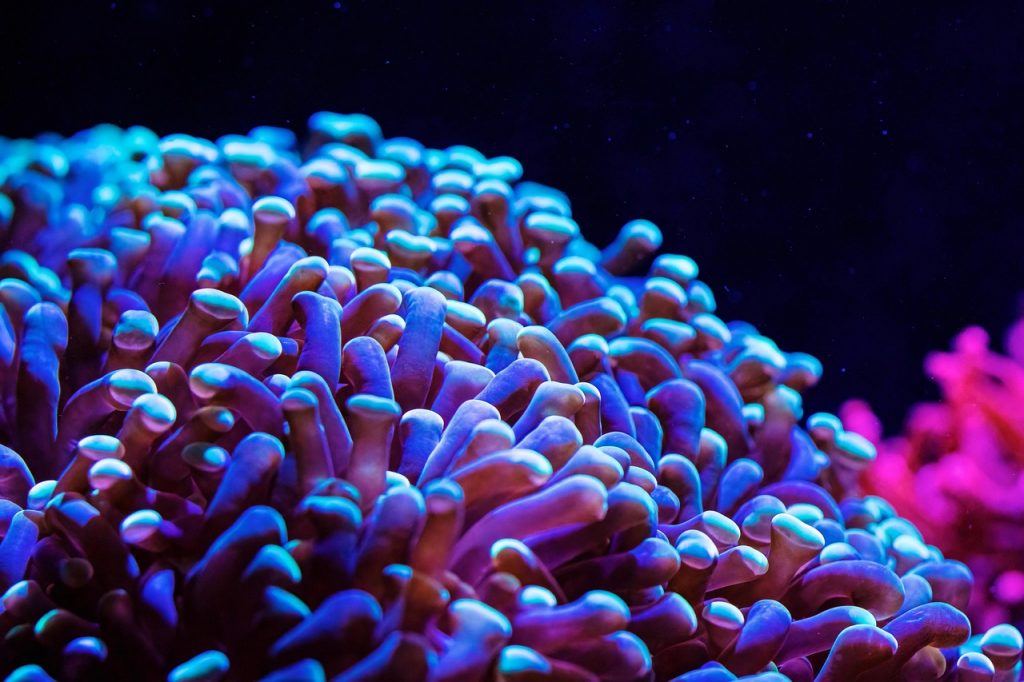
LPS corals are some of the best reef tank corals for beginners and intermediate hobbyists. They offer bold color, visible polyp movement, and easier care than many SPS species. Success comes from stable water, moderate light, moderate flow, and careful placement that respects each coral’s sweepers and feeding habits.
LPS stands for large polyp stony coral. These corals build a hard calcium skeleton, but they also have fleshy tissue and large polyps. That combination makes them attractive and easier to observe. Many reef keepers start with hammers, frogspawns, acans, blastos, candy canes, and favias. They are forgiving compared with demanding SPS corals, but they still need consistency. In this guide, you will learn how to choose healthy specimens, set up the tank correctly, dial in lighting and flow, feed for growth, avoid common mistakes, and troubleshoot problems before they become losses.
Quick Reference Table
| Care Factor | Recommended Range | Notes |
|---|---|---|
| Difficulty | Easy to moderate | Great for newer reef keepers |
| Tank Size | 20 gallons and up | Larger tanks offer better stability |
| Temperature | 76-79°F | Keep daily swings small |
| Salinity | 1.025-1.026 | Use a calibrated refractometer |
| Alkalinity | 8-9 dKH | Stability matters more than chasing numbers |
| Calcium | 400-450 ppm | Supports skeleton growth |
| Magnesium | 1250-1400 ppm | Helps maintain balance |
| Nitrate | 5-15 ppm | Ultra-low nutrients can cause poor expansion |
| Phosphate | 0.03-0.10 ppm | Avoid both zero and excessive levels |
| Lighting | Low to moderate | Most thrive at 50-150 PAR |
| Flow | Low to moderate | Indirect, varied flow is best |
| Feeding | 1-3 times weekly | Target feeding can improve growth |
Use this table as a starting point. Always adjust based on the coral species and how it responds in your tank.
What Counts as an LPS Coral?
LPS corals include many popular reef species with large, fleshy polyps over a hard skeleton. Common examples are Euphyllia, Acanthastrea, Micromussa, Favia, Favites, Blastomussa, Caulastrea, Lobophyllia, Trachyphyllia, Duncanopsammia, and scolymia. Their care is not identical, but the general pattern is similar. They prefer stable parameters, moderate nutrient levels, and room to expand.
Many hobbyists love LPS because they show obvious behavior. Polyps inflate. Tentacles sway. Feeding responses are easy to see. This makes them rewarding to keep. It also helps you notice stress early. A retracted hammer coral or a receding acan often tells you something is off before a test kit does. LPS corals can be hardy, but they are not indestructible. Fast swings in alkalinity, aggressive neighbors, and poor placement cause many losses.
Natural Habitat
LPS corals occur across the Indo-Pacific and other tropical reef regions. Many species live in lagoons, reef slopes, protected back reefs, and lower energy zones. These habitats often have moderate light and gentler flow than shallow SPS-dominated reef crests. Some species sit in sandy areas. Others attach to rock ledges or sheltered reef faces.
This matters in the home aquarium. It explains why many LPS corals dislike harsh, direct flow and intense lighting. Their fleshy tissue can tear or stay retracted under too much force. Their large polyps are built for expansion, feeding, and light capture in more moderate conditions. When you match your aquarium setup to their habitat, you usually get better extension, better color, and steadier growth.
Aquarium Setup
LPS corals can thrive in tanks as small as 20 gallons, but larger systems are easier to keep stable. A 40-gallon breeder, 50-gallon cube, or larger mixed reef gives you more room for coral spacing and equipment. Stability is the real goal. Sudden changes hurt LPS more than slightly imperfect numbers.
Build an aquascape with shelves, lower ledges, and open sand areas. This gives you options for species with different needs. Place sand-dwelling corals like trachyphyllia and scolymia on a clean substrate. Put branching LPS on stable rock where they can expand freely. Leave space between colonies. Many LPS send out sweeper tentacles at night. These can sting nearby corals and start tissue damage.
Use reliable filtration. A protein skimmer helps, but it should not strip nutrients too low. Add activated carbon if you keep many corals together. Chemical warfare is real in mixed reefs. Strong export, paired with moderate feeding, usually works well.
Lighting Requirements
Most LPS corals prefer low to moderate light. A useful target is 50 to 150 PAR for many common species. Some acans, blastos, scolys, and trachys prefer the lower end. Euphyllia, duncans, and candy canes often tolerate the middle range well. A few species can adapt to more, but they should be acclimated slowly.
Too much light causes bleaching, retraction, faded color, and poor feeding response. Too little light can cause browning and slower growth. Start lower than you think. Then observe. Healthy LPS usually show full inflation, good color, and a normal day-night rhythm. If you upgrade lights, reduce intensity at first. Use acclimation mode if your fixture has one. Raise PAR over two to four weeks rather than all at once.
Blue-heavy reef lighting often shows the best fluorescence, but coral health still depends on total usable light. Do not judge placement by color pop alone.
Water Flow
LPS corals usually want low to moderate, indirect flow. The goal is movement without punishment. You want the polyps to sway gently, not fold over, whip, or stay clenched. Direct pump blast can damage tissue on exposed skeleton. This is common with hammers, frogspawns, torches, and fleshy brain corals.
Random flow patterns work better than constant streams. Use a wavemaker or alternating pumps if possible. Check the coral from several angles. A colony may look fine from the front but get blasted from the side. Detritus should not settle heavily around the base, but the coral should still expand fully. If a coral stays tight all day, reduce flow or move it to a more sheltered spot.
Each species has its own preference. Euphyllia likes more movement than acans or scolys. Observe and adjust rather than following a single rule for every LPS coral.
Water Chemistry and Stability
Stable chemistry is the foundation of LPS coral care. Aim for salinity around 1.025 to 1.026, temperature between 76 and 79°F, alkalinity near 8 to 9 dKH, calcium around 400 to 450 ppm, and magnesium around 1250 to 1400 ppm. Keep nitrate and phosphate detectable. Many LPS corals look worse in ultra-clean systems.
Alkalinity swings are a major problem. A fast jump or drop can trigger tissue recession, failed inflation, and poor growth. Test often if your tank is full of stony corals. As colonies grow, demand rises. You may need two-part dosing, kalkwasser, or a calcium reactor in larger systems. Water changes help, but they often stop being enough over time.
Do not chase perfect numbers every day. Chase consistency. A stable tank with slightly elevated nitrate often performs better than a tank with ideal numbers that swing every week.
Feeding
Many LPS corals benefit from direct feeding. They get energy from light, but they also capture meaty food. Offer small portions of mysis shrimp, brine shrimp, reef roids, finely chopped seafood, or specialized coral foods one to three times per week. Feed after lights dim if the coral extends feeder tentacles at night.
Turn off return and flow pumps for a few minutes during target feeding. Use a turkey baster or feeding pipette. Gently place food on the polyp. Do not blast it. Corals like acans, blastos, duncans, and trachys often show a strong feeding response. Euphyllia can eat, but they usually need smaller pieces and calmer flow during feeding.
Do not overfeed. Excess food can rot and raise nutrients too fast. Feed lightly and watch your nutrient trend. If your LPS corals are pale, thin, or not growing, careful feeding often helps.
Compatibility
LPS corals are compatible with many reef fish and invertebrates, but placement still matters. Keep enough distance between corals. Many species have sweeper tentacles that extend after lights out. Favias and galaxea are especially aggressive. Euphyllia can also sting nearby corals if placed too close.
Be careful with coral-nipping fish. Some angelfish, butterflyfish, and even certain clownfish can irritate LPS corals. Clownfish sometimes host large fleshy corals and keep them closed. Emerald crabs, hermits, and shrimp are usually fine, but hungry inverts may steal food from fleshy polyps during target feeding. Peppermint shrimp can be a nuisance in some tanks.
Mixed reefs can work very well. Just respect coral warfare. Use carbon, leave space, and watch for overnight damage. A healthy-looking layout by day can become a stinging battle at night.
Step-by-Step Guide to Adding LPS Corals
- Choose a healthy coral. Look for full tissue, good color, and no exposed skeleton.
- Dip the coral before it enters the display. This helps reduce pests and hitchhikers.
- Acclimate to temperature and salinity. Keep the process gentle and simple.
- Start in lower light. Move upward only if the coral asks for more.
- Place it in indirect flow. Watch for gentle movement, not violent whipping.
- Give it space from neighbors. Account for daytime expansion and nighttime sweepers.
- Monitor for one to two weeks. Check inflation, feeding response, and tissue condition.
- Adjust slowly. Move one factor at a time so you know what changed.
This slow approach prevents many common losses. Most new coral problems come from too much light, too much flow, or poor placement near aggressive neighbors.
Propagation and Fragging
Branching LPS
Branching species are the easiest to frag. Candy cane coral, duncan coral, and many Euphyllia types can be cut between branches. Use bone cutters or a coral saw, depending on skeleton thickness. Always cut cleanly below the tissue line. Wear eye protection. Some corals release irritating mucus.
Encrusting and Massive LPS
Favias, acans, and lobos are harder to frag. A diamond saw is often safest. Each frag should have enough flesh and skeleton to heal well. Avoid cutting through a mouth unless the species tolerates it. After fragging, place pieces in lower light and lower flow for recovery.
Post-Frag Care
Fresh cuts need stability. Keep alkalinity steady and avoid strong flow on the wound. Iodine-based dips are used by some hobbyists, but clean water and low stress matter most. Feed only after the coral reopens and shows normal behavior.
Common Problems
Why is my LPS coral not opening?
The most common causes are too much flow, too much light, unstable alkalinity, recent handling, or irritation from nearby corals. Check for pests and fish picking. Move the coral to a calmer spot if tissue is being pushed hard. Test alkalinity first if several LPS corals close at once.
Why is tissue receding from the skeleton?
Tissue recession often points to alkalinity swings, physical damage, stings, brown jelly infection, or chronic stress from poor placement. Inspect at night for sweepers. Remove dead tissue if infection spreads. Improve flow around the colony, but do not blast the damaged area.
Why is my LPS coral bleaching?
Bleaching usually means excess light or sudden parameter change. Reduce intensity or move the coral lower. Check temperature, salinity, and alkalinity. Light acclimation is critical after buying corals from dimmer systems.
What is brown jelly disease?
Brown jelly is a fast-moving infection seen often on Euphyllia and other fleshy LPS. It looks like brown, slimy decay over tissue. Remove affected heads quickly if possible. Siphon away the jelly. Dip the coral and improve general tank stability. Early action gives the best chance.
Why is growth slow?
Slow growth can come from low nutrients, weak feeding, low calcium, low alkalinity, or simply insufficient time. Many LPS corals grow steadily, not rapidly. If color and inflation look good, patience may be the answer.
Frequently Asked Questions
Are LPS corals good for beginners?
Yes. Many are excellent beginner corals. Start with candy canes, duncans, blastos, or hardy acans. Learn placement and stability before trying more sensitive pieces.
Do LPS corals need to be fed?
They can survive mostly on light, but many grow better with occasional feeding. Small, meaty foods once or twice weekly often improve color and fullness.
Can LPS and SPS corals live together?
Yes, in a mixed reef. You must balance placement carefully. SPS usually prefer stronger light and flow. LPS usually prefer less. Give each coral its own zone.
How much space should I leave between LPS corals?
Leave several inches at minimum. Aggressive species may need much more. Research each coral and check for nighttime sweeper behavior before final placement.
What are the easiest LPS corals to keep?
Candy cane coral, duncan coral, some acans, and blastomussa are often among the easiest. They adapt well and show clear signs when happy.
Final Tips for Long-Term Success
Keep your routine simple and repeatable. Test alkalinity often. Do not make large corrections in one day. Feed lightly, but consistently. Watch each coral’s behavior. The coral will tell you if placement is right. Full inflation, steady color, and a feeding response usually mean you are on track.
If you want to keep learning, read our guides on reef tank water parameters, best beginner corals, how to acclimate coral, and reef tank lighting guide. Strong fundamentals make every coral easier to keep.
Was this helpful?
Related Posts
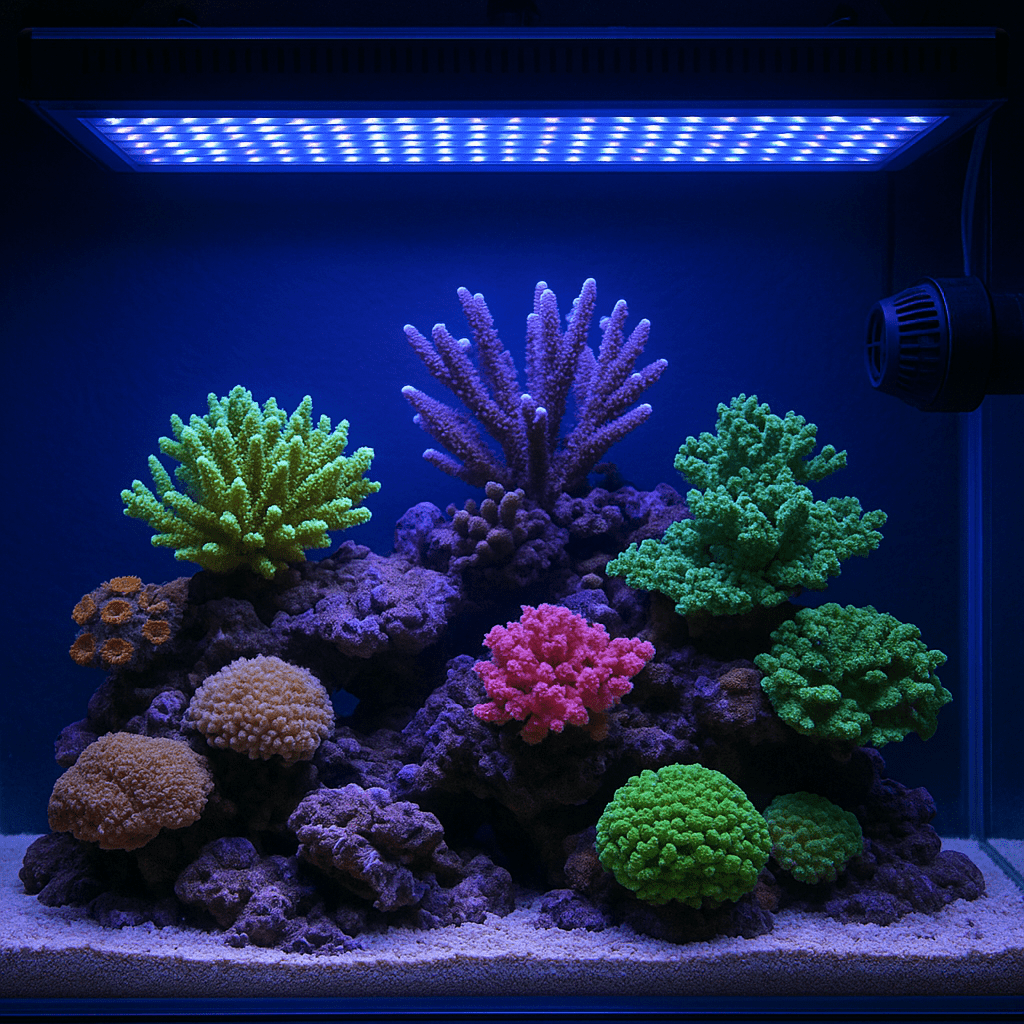
Best Filtration Systems
Best Filtration Systems for a Healthy Saltwater Aquarium Choosing the best filtration system for your saltwater aquarium is…
 By
By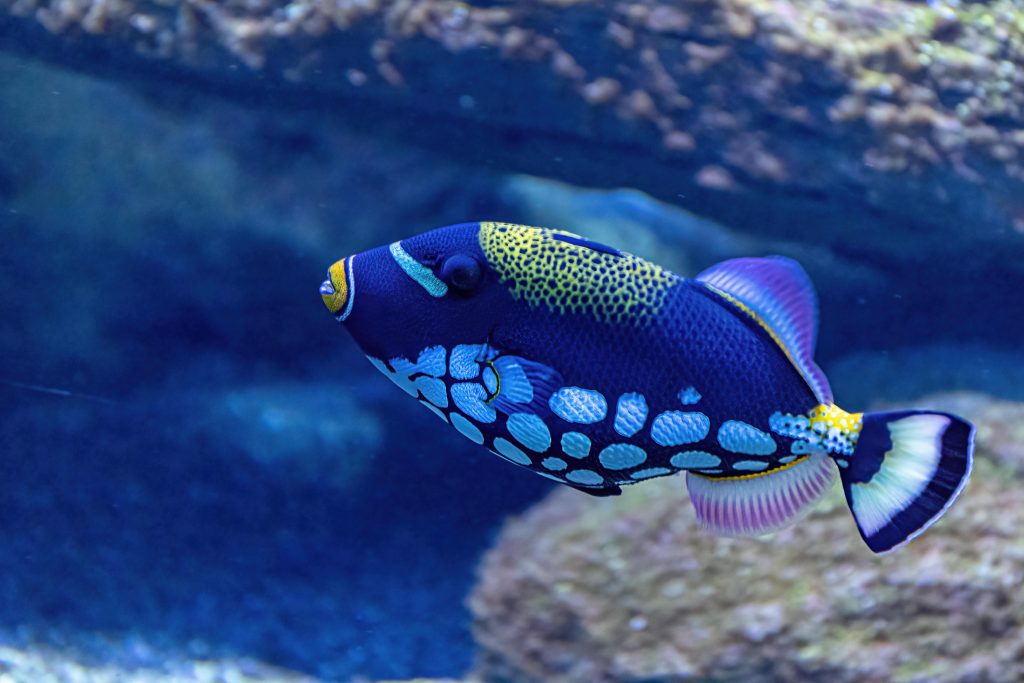
Clown Triggerfish (Balistoides Conspicillum)
Clown triggerfish are stunning but aggressive marine fish that need very large tanks, strong filtration, and careful tankmate…
[favorite_button]
My Bookmarks:
To see full list click here
[user_favorites user_id="" include_links="true" site_id="" post_types="" include_thumbnails="true" thumbnail_size="thumbnail" include_excerpt="false"]