
Best beginner corals are hardy, forgiving, and adaptable. Soft corals, many LPS corals, and a few easy polyps handle small mistakes well. They grow under moderate reef conditions. They also help new hobbyists learn placement, flow, feeding, and water stability without constant setbacks.
Choosing your first corals can feel overwhelming. Stores often show dozens of colorful options. Not all of them suit a new reef tank. Some corals need intense light, pristine chemistry, or advanced feeding. Others thrive in stable beginner systems and recover well from minor errors. In this guide, you will learn which beginner corals are easiest to keep, how to place them, what lighting and flow they need, and how to avoid common mistakes. You will also see a quick care table, practical buying tips, and troubleshooting advice that answers the questions new reef keepers ask most.
Quick Reference Table for Best Beginner Corals
| Coral | Type | Light | Flow | Aggression | Feeding | Beginner Notes |
|---|---|---|---|---|---|---|
| Mushroom Coral | Soft coral | Low to moderate | Low | Low to moderate | Mostly photosynthetic | Very forgiving and easy to place |
| Zoanthids | Colonial polyp | Moderate | Low to moderate | Low | Optional fine foods | Colorful and fast growing |
| Green Star Polyps | Soft coral | Moderate | Moderate to high | Low | Mostly photosynthetic | Hardy but can spread quickly |
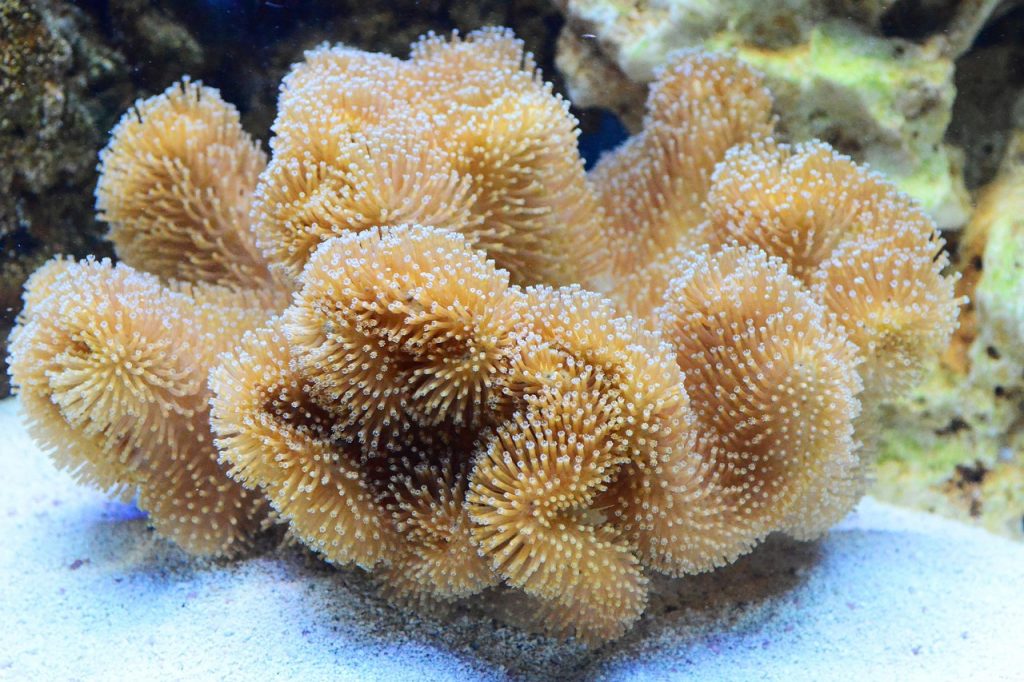
| Leather Coral | Soft coral | Moderate | Moderate | Chemical warfare possible | Mostly photosynthetic | Tough and adaptable |
| Kenya Tree | Soft coral | Low to moderate | Low to moderate | Low | Mostly photosynthetic | Very hardy and beginner friendly |
| Duncan Coral | LPS coral | Moderate | Low to moderate | Low | Benefits from target feeding | Easy LPS with visible feeding response |
| Candy Cane Coral | LPS coral | Low to moderate | Low to moderate | Low to moderate | Optional meaty foods | Great first stony coral |
| Toadstool Leather | Soft coral | Moderate | Moderate | Chemical warfare possible | Mostly photosynthetic | Excellent beginner showpiece |
This table gives you a fast starting point. Always match coral placement to your tank’s actual light and flow. Even easy corals decline in unstable systems. Stability matters more than chasing perfect numbers.
What Makes a Coral Beginner Friendly?
A beginner coral should tolerate small mistakes. It should handle moderate light and average reef flow. It should also adapt to common mixed reef conditions. Hardy corals recover faster from shipping stress. They also show clear signs when unhappy. That helps new hobbyists correct problems early.
Easy corals usually have broad parameter tolerance. They do well with stable salinity, temperature, alkalinity, calcium, and magnesium. They often rely mostly on light for energy. Some also accept occasional feeding. Fast visual feedback is another benefit. You can see extension, color, and growth within weeks. That builds confidence.
Beginner friendly does not mean indestructible. Corals still need stable salinity around 1.025, temperature near 76 to 78 degrees, and low nutrient swings. Avoid adding corals to immature tanks. Wait until ammonia and nitrite stay at zero. Nitrate and phosphate should also be under control. Patience saves money and coral lives.
Best Beginner Corals to Start With
Mushroom corals are among the easiest first choices. They like lower light and gentle flow. They tolerate a wide range of reef conditions. They also come in many colors and textures. Place them on isolated rocks if possible. Some varieties spread fast and compete for space.
Zoanthids are another excellent option. They stay colorful under moderate light and modest flow. Many hobbyists love building zoa gardens with different morphs. Keep them away from aggressive neighbors. Dip new frags carefully before adding them. Zoanthids can carry pests, and they contain palytoxin. Handle them with care.
Green star polyps are famous beginner corals. Their waving polyps create strong movement in the tank. They like moderate to strong flow. They also grow quickly once established. Isolate them on a separate rock or back wall. Otherwise, they can overtake slower corals.
Leather corals, including toadstools and finger leathers, are very forgiving. They adapt well to many reef systems. They may close for days while shedding a waxy film. That is normal. Good flow helps them reopen. Run carbon in mixed reefs because leathers release chemical compounds.
For an easy LPS coral, start with Duncan corals or candy cane corals. Both accept moderate light and gentle to moderate flow. Both usually show clear polyp extension when happy. Duncan corals often eat readily. Candy canes are hardy and grow into attractive clusters.
Natural Habitat and Why It Matters
Most beginner corals come from shallow tropical reefs in the Indo-Pacific. These reefs have stable salinity, warm water, and constant movement. Light levels vary by depth and placement. Mushrooms often live in shaded crevices or lower light zones. Zoanthids and green star polyps often colonize exposed rock surfaces. Leather corals occur in areas with moderate current and suspended nutrients.
Understanding habitat helps with placement. Corals from lower light areas can bleach under intense LEDs. Corals from higher flow zones may collect debris in dead spots. Habitat also explains growth form. Encrusting corals spread across rock. Branching LPS corals need room around their skeletons. Soft corals sway and shed mucus, so they need enough flow to stay clean.
You do not need to copy nature perfectly. You should copy the important parts. Stable water, appropriate light, and suitable flow matter most. When you match those basics, beginner corals usually adapt well.
Aquarium Setup for Beginner Corals
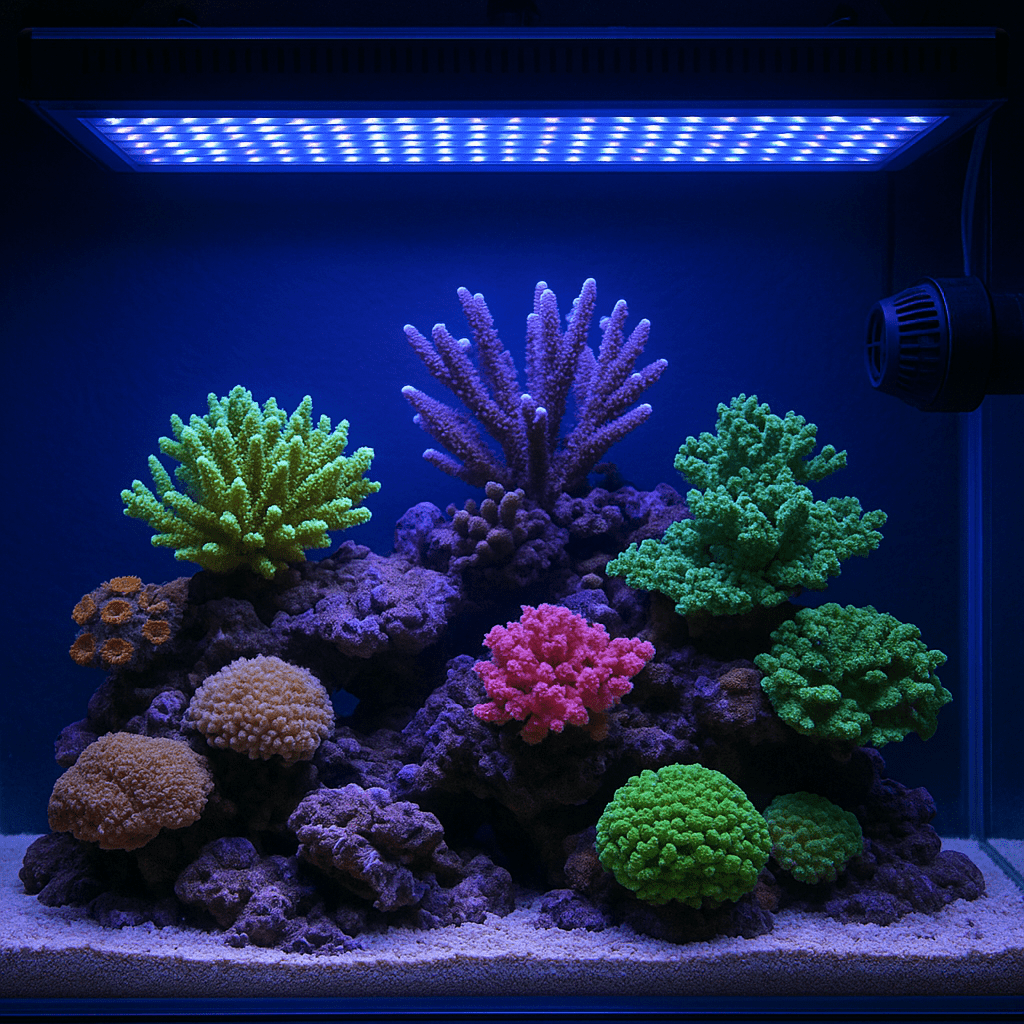
A beginner coral tank does not need to be huge. A stable nano reef can work well. Larger tanks are often easier to keep stable. A 20 to 40 gallon reef is a great starting range. Use quality live rock or dry rock with biological maturity. Build open aquascape with shelves, islands, and gaps for flow.
Leave room between coral placements. New hobbyists often crowd frags too early. Corals grow, sting, and shade one another. Plan for future size. Place fast spreaders on isolated islands. Keep LPS corals where sweeper tentacles cannot reach neighbors. Add a small frag rack if you want to test placement first.
Use a reliable heater, refractometer, and test kits. Stability matters more than gadgets. If you dose, dose consistently. If you do water changes, do them on schedule. Good filtration helps, but avoid stripping nutrients too low. Corals need some nitrate and phosphate to thrive.
Lighting Requirements
Most beginner corals prefer low to moderate light. That makes them ideal for common reef LEDs. Mushrooms and some leathers often do best in lower PAR zones. Zoanthids, green star polyps, and Duncan corals usually like moderate PAR. Candy cane corals also do well without extreme intensity.
The biggest beginner mistake is adding corals directly under bright lights. Corals can bleach from sudden exposure. Start new frags low in the tank. Then move them gradually over one to two weeks. If your light has acclimation mode, use it. Watch for signs of stress. Faded color and shrunken tissue often mean too much light.
Do not chase exact numbers if you lack a PAR meter. Instead, watch coral response. Healthy beginner corals usually show good extension, stable color, and gradual growth. Consistency matters more than frequent light changes. Set a schedule and avoid constant tweaking.
Water Flow
Flow keeps corals clean and oxygenated. It also brings food and removes waste. Beginner corals generally like gentle to moderate, indirect flow. Mushrooms dislike strong direct blasts. Their tissue can detach or stay tightly closed. Duncan and candy cane corals also prefer a gentle, swaying current.
Green star polyps and many leathers enjoy stronger movement. Their polyps open best when detritus does not settle on them. Toadstool leathers especially benefit from enough flow during shedding cycles. If a leather stays closed and glossy, increase indirect flow before changing anything else.
Aim for random movement, not a constant jet. Use wavemakers if possible. Watch each coral closely after placement. If tissue whips violently, flow is too strong. If debris collects on the surface, flow is too weak. Small adjustments make a big difference.
Feeding and Nutrition
Most beginner corals rely mainly on photosynthesis. Their zooxanthellae provide much of their energy. That said, some benefit from occasional feeding. Duncan corals often grab mysis shrimp or fine meaty foods. Candy cane corals may also accept target feeding after lights dim.
Do not overfeed a young reef tank. Extra food raises nitrate and phosphate fast. Feed fish normally and let corals benefit from dissolved nutrients. If you target feed, use small amounts once or twice weekly. Turn off pumps briefly. Then restart them after the coral has captured food.
Coral foods can help, but they are not magic. Stable chemistry, proper light, and correct flow matter more. If your coral looks dull, test water before adding more food. Many coral issues come from instability, not hunger.
Compatibility in a Mixed Reef
Beginner corals usually mix well, but placement still matters. Soft corals can release chemical compounds into the water. Leathers are known for this. Run activated carbon and perform regular water changes. That reduces chemical warfare. LPS corals can extend sweeper tentacles at night. Leave space around them.
Fish compatibility is usually good. Most community reef fish ignore mushrooms, zoanthids, and leathers. Some angelfish, butterflyfish, and large crabs may nip. Certain clownfish may host in large leather corals or Duncan colonies. That can irritate smaller frags. Watch their behavior closely.
Invertebrates are usually safe. Snails and cleaner shrimp are excellent reef additions. Emerald crabs and some hermits can bother frags if hungry or unstable. Secure new corals well. A loose frag can get knocked over and stung by neighbors.
Step-by-Step Guide to Adding Your First Coral
- Make sure the tank is cycled and stable for several weeks.
- Test salinity, temperature, alkalinity, nitrate, and phosphate before buying.
- Choose one or two hardy corals, not a full batch.
- Inspect frags for pests, algae, and damaged tissue.
- Dip new corals with a reef-safe coral dip.
- Start them low in the tank under reduced light.
- Place them in suitable indirect flow.
- Observe daily for extension, color, and tissue health.
- Adjust placement slowly if needed.
- Wait before buying more. Learn from each coral first.
This slow approach prevents many beginner problems. It also helps you understand how your system behaves. Every tank is different. Let the corals guide your next step.
Propagation and Fragging
Soft Coral Fragging
Mushrooms, Kenya trees, and many leathers are easy to propagate. Hobbyists often cut healthy tissue with a clean blade. Then they secure the frag to rubble or a plug using mesh, a cup method, or reef-safe glue where appropriate. Soft corals slime heavily, so use gloves and eye protection.
LPS Coral Fragging
Duncan and candy cane corals are usually fragged by cutting between heads or branches. Use bone cutters or a rotary tool on the skeleton, not the fleshy polyp. Always work on healthy colonies. Fragging stressed corals often ends badly.
Common Problems
Why is my beginner coral closed?
Recent placement, shipping stress, too much light, or poor flow are common causes. Test salinity and temperature first. Then inspect for pests and debris. Give the coral time if all parameters look stable. Many soft corals need several days to settle.
Why is my coral losing color?
Bleaching usually comes from excess light or sudden change. Browning often points to low light or elevated nutrients. Check nitrate and phosphate. Review recent light adjustments. Move the coral slowly, not dramatically.
Why is my leather coral shedding?
This is often normal. Leathers form a waxy layer and then shed it. Increase indirect flow and keep water quality stable. Do not peel the film off. The coral usually reopens after the shed completes.
Why are zoanthids not opening?
Check for nudibranchs, sundial snails, and algae around the mat. Review flow and light. Too little flow can let debris settle. Too much flow can keep polyps shut. Dipping and close inspection are often necessary.
Frequently Asked Questions
What is the easiest coral for a beginner?
Mushroom corals and Kenya tree corals are among the easiest. They tolerate modest light and flow. They also recover well from minor mistakes.
Can I keep beginner corals in a nano reef?
Yes, but stability is harder in small tanks. Watch salinity and temperature closely. Start with hardy soft corals and avoid overstocking.
How long should a tank run before adding corals?
Wait until the cycle is complete and parameters stay stable. Many hobbyists wait several weeks after cycling before adding the first coral.
Do beginner corals need dosing?
Not always. Lightly stocked tanks may maintain levels with water changes alone. As coral growth increases, alkalinity and calcium demand also rise.
Should I buy frags or colonies first?
Frags are usually better for beginners. They cost less and adapt well. They also let you learn coral placement without risking a large colony.
Final Tips for Success
Start with a few proven corals. Resist the urge to buy difficult species too early. Keep your hands out of the tank when possible. Test regularly, but do not chase numbers daily. Stability wins. If a coral struggles, change one variable at a time. That makes the cause easier to identify.
If you want to keep learning, read our guides on reef tank parameters, best reef tank lighting, how to dip coral frags, and soft coral care guide. These resources pair well with your first coral purchases and help build a healthier reef from day one.
Was this helpful?
Related Posts
Gold Spotted Rabbitfish (Siganus Punctatus)
Gold Spotted Rabbitfish care includes large tanks, heavy algae feeding, and caution with corals. Learn tank size, diet,…
 By
By
Sharknose Goby (Elacatinus evelynae)
Sharknose Goby care is simple in stable reef tanks. Learn feeding, tank setup, compatibility, and common problems for…
[favorite_button]
My Bookmarks:
To see full list click here
[user_favorites user_id="" include_links="true" site_id="" post_types="" include_thumbnails="true" thumbnail_size="thumbnail" include_excerpt="false"]