
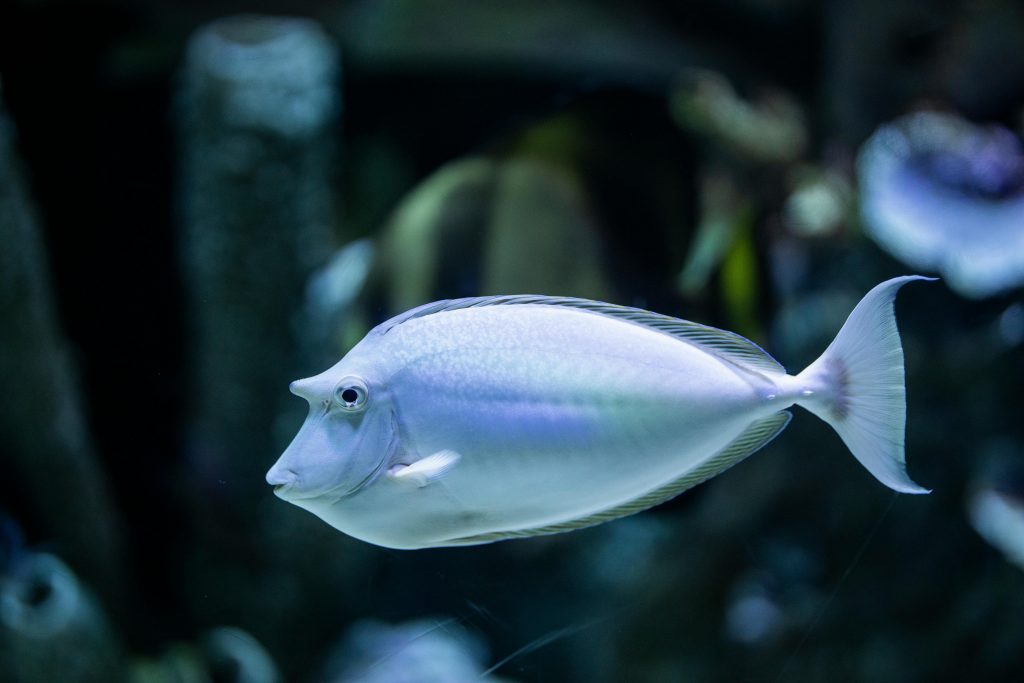
The Blue Unicorn Tang, Naso brevirostris, is a striking surgeonfish with bold markings and huge adult size. It is hardy once settled, but it is not a casual purchase. This species needs a very large aquarium, strong swimming room, stable water quality, and a long-term plan before you bring one home.
This guide covers what reef keepers need to know before buying a Blue Unicorn Tang. You will learn about its natural habitat, adult growth, tank size, diet, flow, compatibility, and common health issues. We will also cover why juveniles often look manageable in stores, yet become challenging adults. If you want to keep this fish successfully, planning ahead matters more than anything else.
Blue Unicorn Tang Quick Reference
| Common name | Blue Unicorn Tang |
| Scientific name | Naso brevirostris |
| Family | Acanthuridae |
| Care level | Moderate to advanced |
| Temperament | Generally peaceful, can be assertive with tangs |
| Adult size | Up to 24 inches in the wild, very large in captivity |
| Minimum tank size | 300 gallons, larger strongly preferred |
| Diet | Marine algae, macroalgae, herbivore foods, some meaty fare |
| Reef safe | Usually yes |
| Lighting | No special fish requirement |
| Water flow | Moderate to strong |
| Temperature | 74 to 78°F |
| Salinity | 1.025 to 1.026 specific gravity |
| pH | 8.1 to 8.4 |
The quick reference tells the main story. This is a giant open-water grazer. It needs room, oxygen, and constant access to quality food. Small juveniles can do fine at first, but their long-term needs exceed most home reef systems.
Natural Habitat
The Blue Unicorn Tang comes from the Indo-Pacific. Its range includes the Red Sea, East Africa, Hawaii, Japan, and much of the central Pacific. It lives on outer reef slopes, lagoons, and seaward reef faces. Juveniles and adults often use different zones as they grow.
Young fish often stay closer to reef structure. They use rockwork for shelter and feeding. Adults move into more open water and cruise long distances. This shift matters in captivity. A juvenile may seem comfortable in a moderate tank, but that behavior changes with age and size.
In nature, this species feeds heavily on algae and planktonic material depending on life stage and opportunity. It is built for constant movement. That means high oxygen demand and a strong need for swimming space. When hobbyists understand the fish’s habitat, its care becomes more logical. You are not keeping a small reef fish. You are housing a large, active grazer that matures into a pelagic-style swimmer.
Appearance and Growth Rate
The Blue Unicorn Tang is famous for changing shape as it matures. Juveniles have a flatter face and a clean, elegant look. As they grow, they develop the long forehead projection that gives the unicorn tang group its name. Adults also become much deeper-bodied and more imposing.
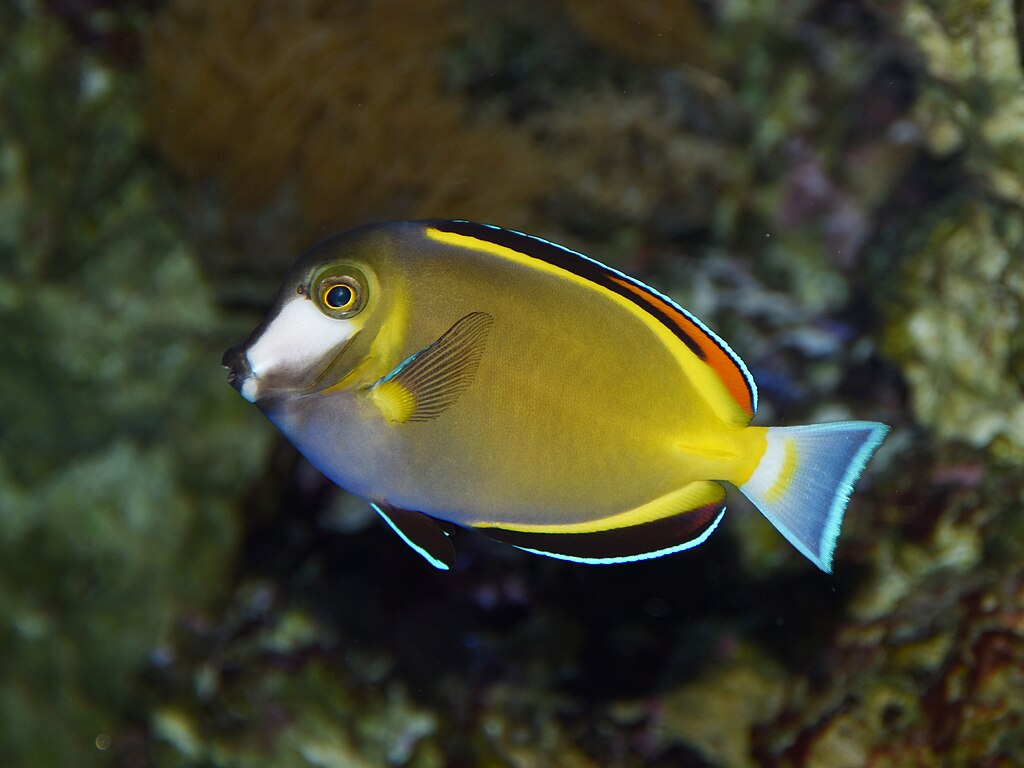
Coloration is attractive at every stage. The body is gray to blue-gray with darker facial markings. The fins can show yellow accents. The tail has a smooth, strong shape built for endurance swimming. Large specimens look dramatic in big displays.
Growth is the real issue. Small store specimens can grow quickly under good care. Many hobbyists underestimate how fast this happens. A fish that starts at 3 inches does not stay compact for long. This is why tank planning must focus on adult size, not purchase size. If you cannot provide a very large tank later, choose a different tang now. That is the most responsible approach.
Aquarium Setup
A Blue Unicorn Tang needs a large, mature aquarium with open swimming lanes. A 300-gallon tank is the bare minimum for long-term care. Larger systems are much better. Public aquarium scale is ideal for full adult specimens. Tank length matters as much as water volume.
Build the aquascape with swimming room first. Avoid packing the tank wall to wall with rock. Use stable islands or arches that leave broad open channels. The fish should be able to turn easily and cruise without constant obstruction. Tight rockwork causes stress and pacing.
Strong filtration is essential. Use an oversized protein skimmer and robust biological filtration. These fish eat heavily and produce a lot of waste. High dissolved oxygen is also important. Surface agitation, sump turnover, and internal flow all help. Keep ammonia and nitrite at zero. Keep nitrate controlled through water changes, export methods, and smart feeding. Stable salinity and temperature matter every day.
Lighting Requirements
The Blue Unicorn Tang does not need specialty lighting for its own health. Standard reef lighting works well. Fish-only systems can also keep this species under moderate full-spectrum lighting. The more important issue is the tank environment created by the lights.
In reef aquariums, bright lighting often supports algae films and macroalgae growth. That can benefit grazing fish. If your system grows natural algae on rocks and glass, the tang will spend time browsing between feedings. This behavior reduces boredom and supports natural foraging.
Avoid sudden lighting changes. New fish can spook easily in brightly lit tanks. If your tang arrives stressed, dim the lights for the first day. Offer hiding space and a calm acclimation period. Once settled, this species adapts well to normal reef photoperiods. If you run a mixed reef, set lighting for the corals. The tang will adapt as long as the tank is stable and feeding is generous.
Water Flow
This species appreciates moderate to strong water movement. In the wild, it lives in oxygen-rich reef zones with constant flow. Good circulation helps support respiration, waste export, and overall activity. It also helps prevent dead spots in large aquariums.
Create varied flow rather than one harsh blast. Use gyres, return outlets, and broad powerheads to keep water moving across the whole tank. The fish should be able to swim into current, then move into calmer areas when it wants to rest. Constant direct pressure can cause stress.
Flow also affects feeding response. Active tangs often become more confident in tanks with good circulation and high oxygen. If your fish breathes heavily, hangs near the surface, or acts sluggish, review your oxygen levels and flow pattern. Warm water, overcrowding, and low surface agitation can all reduce oxygen. This is a large-bodied swimmer. It will show poor conditions quickly.
Feeding
Feed the Blue Unicorn Tang a varied herbivore-focused diet. Offer dried nori daily. Clip it in multiple locations if the fish is shy or if tankmates are aggressive. Add spirulina-based foods, quality herbivore pellets, and frozen blends with marine algae. Variety improves condition and color.
Do not rely on one food type. This fish is active and burns energy. Feed at least two to three times daily in established systems. Juveniles often benefit from even more frequent small meals. Supplement with mysis or other meaty foods in moderation. These are useful, but algae should remain the core diet.
Watch body shape closely. A healthy specimen should look full through the body, not pinched behind the head. Weight loss often points to underfeeding, bullying, internal parasites, or poor acclimation. New arrivals may need extra encouragement. Rubber-band nori to rock, use a veggie clip, and reduce competition during feeding. For more nutrition tips, see: best food for reef fish and reef tank water parameters.
Compatibility
The Blue Unicorn Tang is usually reef safe. It does not commonly nip corals. That makes it appealing for large reef displays. It generally coexists well with many peaceful and semi-aggressive fish, especially when added to a spacious aquarium with proper feeding.
The main compatibility issue is other tangs. Surgeonfish can become territorial, especially in cramped tanks. Similar body shapes often trigger aggression. If you plan a tang community, use a very large tank and introduce fish carefully. Add the most aggressive species last when possible. Even then, success is never guaranteed.
It usually ignores shrimp, snails, and other common reef invertebrates. Still, stress and hunger can change behavior in any fish. Keep it well fed. Avoid housing it with highly aggressive triggers or large bullies in undersized systems. For planning fish communities, see: reef safe tang guide and how to quarantine marine fish.
Step-by-Step Acclimation Guide
Proper acclimation improves survival and feeding response. Large tangs stress easily during shipping. Follow a calm, simple process.
- Prepare a quarantine tank before purchase. Use strong aeration and stable salinity.
- Dim the lights when the fish arrives. Reduce visual stress immediately.
- Float the bag only long enough to equalize temperature.
- Check salinity in the bag water. Match slowly if the difference is large.
- Transfer the fish gently. Avoid adding store water into quarantine.
- Offer nori within the first day. Many tangs respond to algae faster than frozen food.
- Observe breathing, swimming, and skin condition several times daily.
- Maintain excellent oxygen and low waste. Tangs decline quickly in poor holding systems.
Quarantine is strongly recommended. Surgeonfish are notorious for showing marine ich and other parasites after shipping stress. A quiet observation period protects your display and gives the fish time to settle.
Propagation and Breeding
Can hobbyists breed Blue Unicorn Tangs?
Captive breeding is not realistic for home hobbyists. This species is a broadcast spawner in the wild. It needs open water, mature social behavior, and larval rearing methods far beyond normal home systems. Nearly all specimens in the trade are wild collected.
Can you frag or propagate this species?
No. This is a fish, not a coral. There is no fragging or propagation method for hobbyists. The best “propagation” practice is responsible buying. Only purchase one if you can meet its adult needs or have a confirmed upgrade plan.
Common Problems
Why is my Blue Unicorn Tang not eating?
New imports often refuse food from stress. Poor acclimation, bullying, and low oxygen also reduce appetite. Start with nori, spirulina foods, and a calm quarantine setup. Check for rapid breathing and external parasites. Many tangs begin eating faster when housed alone during quarantine.
Why is it breathing fast?
Fast breathing can signal low oxygen, ammonia exposure, parasites, or shipping damage. Test water immediately. Increase aeration and surface movement. Inspect the fish for flashing, spots, or excess mucus. Large tangs need high oxygen, especially in warm water.
Why does it have white spots?
Surgeonfish are very prone to marine ich. Stress is a common trigger. Quarantine all new fish and avoid adding untreated livestock to the display. Stable water quality, low aggression, and proper nutrition help, but they do not replace quarantine and treatment.
Why is it becoming aggressive?
Territorial behavior often appears when space is limited. Competition with other tangs makes this worse. Rearranging rockwork can help, but tank size is the real solution. Feed generously and provide more open swimming lanes.
Why is its body looking thin?
Weight loss usually means underfeeding, internal issues, or social stress. Increase feeding frequency and review competition at meals. Check feces, appetite, and body profile. A fish that keeps losing mass despite eating may need closer diagnosis in quarantine.
Frequently Asked Questions
Is the Blue Unicorn Tang good for beginners?
Not usually. It is hardy once established, but its adult size makes it a poor beginner choice. Most new hobbyists do not have a large enough tank.
How big does a Blue Unicorn Tang get?
It can reach around 24 inches in the wild. Captive fish may stay smaller, but they still become very large and need serious space.
Can a Blue Unicorn Tang live in a 180-gallon tank?
A small juvenile may fit short term, but a 180-gallon tank is not a good long-term home. This species needs much more swimming room as it matures.
Is the Blue Unicorn Tang reef safe?
Yes, it is usually considered reef safe. It rarely bothers corals and generally ignores common cleanup crew invertebrates.
What do Blue Unicorn Tangs eat?
They do best on a varied diet of marine algae, nori, herbivore pellets, spirulina foods, and some frozen foods. Frequent feeding is important.
The Blue Unicorn Tang is a beautiful fish, but it is not a practical choice for most reef keepers. Its long-term care depends on space, oxygen, strong filtration, and heavy herbivore feeding. If you can meet those needs, it can become a stunning centerpiece. If not, choose a smaller tang that fits your system for life. For related reading, visit: tang tank size guide.
Was this helpful?
Related Posts
Best Filtration Systems
Best Filtration Systems for a Healthy Saltwater Aquarium Choosing the best filtration system for your saltwater aquarium is…
 By
By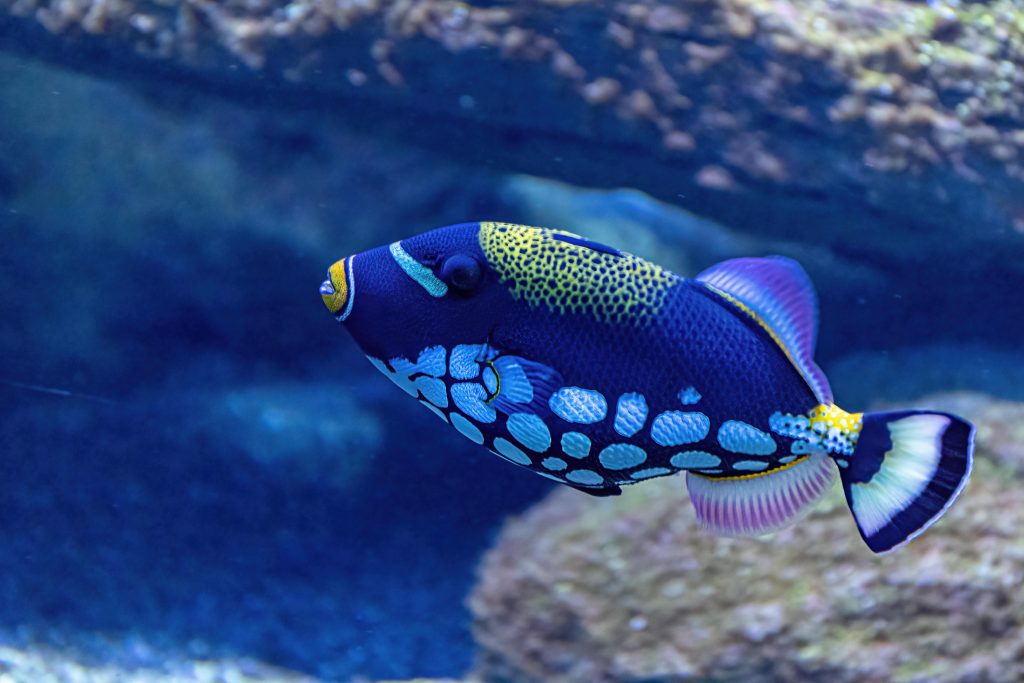
Clown Triggerfish (Balistoides Conspicillum)
Clown triggerfish are stunning but aggressive marine fish that need very large tanks, strong filtration, and careful tankmate…
[favorite_button]
My Bookmarks:
To see full list click here
[user_favorites user_id="" include_links="true" site_id="" post_types="" include_thumbnails="true" thumbnail_size="thumbnail" include_excerpt="false"]