
Chemical warfare happens when corals and algae release toxins into the water. These compounds can slow growth, cause tissue loss, or trigger sudden coral decline. The good news is that you can manage it with planning and steady maintenance.
What chemical warfare looks like in a reef tank
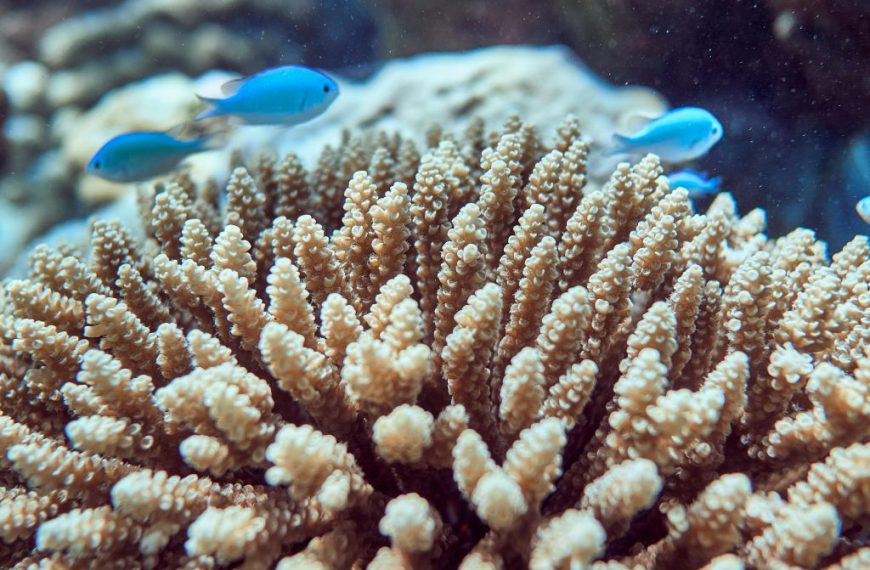
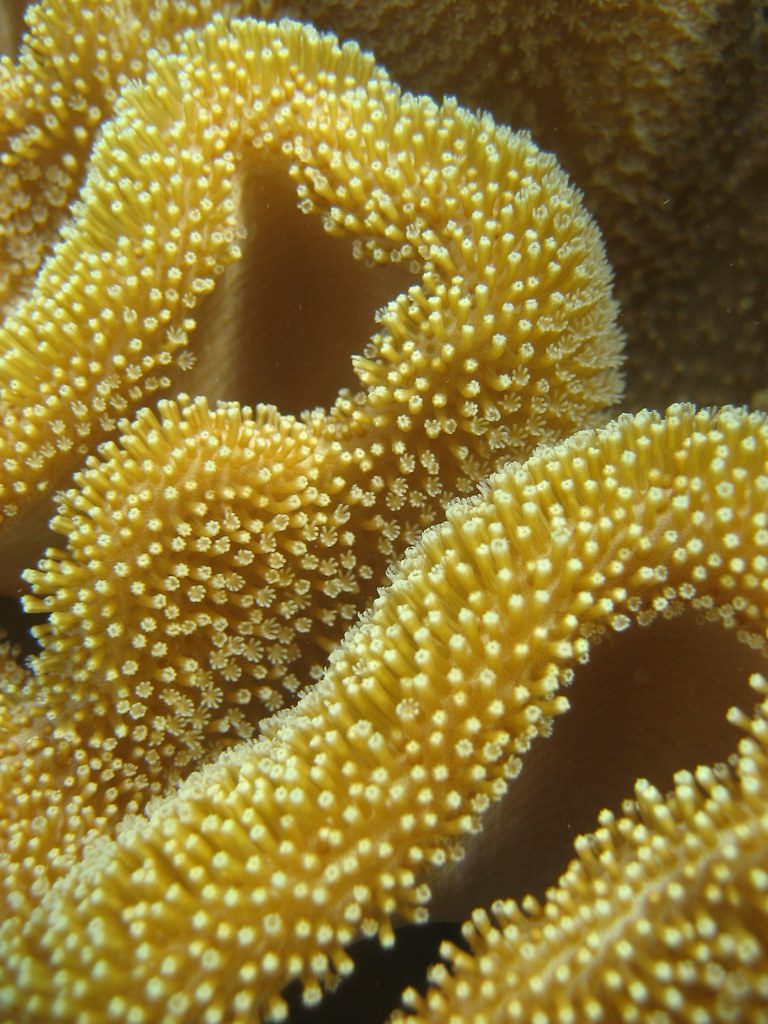
Many soft corals use allelopathy to compete for space. Leather corals, xenia, and some mushrooms can release terpenes and other irritants. Stony corals can also contribute through mucus and sweeper damage. Macroalgae and cyanobacteria may add their own toxins.
In a mixed reef, symptoms often look vague at first. You may see poor polyp extension and dull color. LPS may inflate less and recede at the edges. SPS tips may pale, then show slow tissue loss.
Watch for “domino” stress after a new coral addition. One coral looks fine, but others sulk within 24 to 72 hours. This pattern is common when a large leather is added to a small system. It also happens after heavy fragging or a coral spawn.
Do not confuse warfare with parameter swings. Test alkalinity, temperature, and salinity first. Keep temperature at 25–26°C and salinity at 1.025–1.026. Keep alkalinity stable within 0.3 dKH day to day.
- Common red flags: closed polyps tank-wide, sudden SPS tip burn, LPS recession, and a “chemical” smell after maintenance.
- High-risk events: adding a large soft coral, moving rocks, heavy pruning, and letting carbon go stale.
- Easy checks: confirm skimmer is producing, verify flow, and inspect for dying snails or sponges.
Prevention: filtration, spacing, and smart stocking
Activated carbon is your main defense. Use a high-quality reef carbon and rinse it well. A practical dose is 1/2 cup per 50 gallons, changed every 2 to 4 weeks. Run it in a reactor or high-flow media bag.
Skimming helps by removing dissolved organics before they break down. Aim for steady, dark skimmate, not constant overflow. If you run ozone or UV, keep it consistent. Sudden changes can stress corals and mask the real issue.
Physical spacing still matters, even with carbon. Give LPS at least 6 to 8 inches from neighbors. Some euphyllia can reach farther at night. Place aggressive soft corals downstream in the flow path when possible.
Stocking choices reduce risk in smaller tanks. In a 20 to 40 gallon reef, avoid mixing a large leather with sensitive acropora. Consider a “softie zone” and an “SPS zone” with strong, directional flow. For more planning help, see reef tank coral placement and mixed reef setup basics.
- Change carbon on a schedule, not “when you remember.”
- Run carbon harder for 7 days after adding new corals.
- Use separate frag racks for soft corals and SPS when possible.
Fixing an active chemical warfare event
Start with a fast response that does not swing parameters. Do a 15–25% water change with matched salinity and temperature. Add fresh carbon immediately. Increase aeration and keep the skimmer running wet for 24 hours.
Next, identify the source. Look for a leather that is shedding heavily or a mushroom melting. Check for damaged LPS releasing slime. Remove dying tissue if you can do it cleanly. A single rotting coral can poison a small tank fast.
Adjust flow to carry mucus to the overflow and filtration. Aim for 20–40x turnover in most reefs, with varied flow. Avoid blasting a stressed coral directly. If you use a reactor, increase carbon flow slightly, but prevent tumbling that creates dust.
Give corals time to recover before making major changes. Keep nitrate around 5–15 ppm and phosphate around 0.03–0.10 ppm. Ultra-low nutrients can worsen stress signs. If you need a structured plan, follow our water change schedule and log results daily for one week.
- Emergency kit: fresh carbon, extra saltwater, filter socks, and an air stone.
- Common mistake: doing a 50% water change, then chasing alkalinity.
- When to separate: if symptoms repeat after carbon changes, move the suspected coral to another system.
Chemical warfare is real, but it is manageable. Use carbon, strong export, and smart coral placement to prevent most issues. When problems hit, respond with measured water changes and fresh media, then track stability.
Sources: Borneman, E. (2001) Aquarium Corals; Delbeek & Sprung (1994–2005) The Reef Aquarium series; Fenner, R. (2003) The Conscientious Marine Aquarist.
Was this helpful?
Related Posts
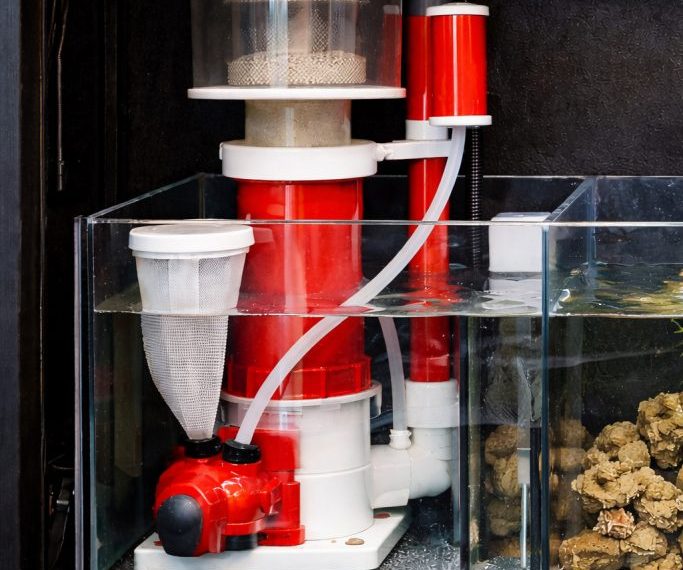
Protein Skimmer Reef Tank Guide
Learn how a protein skimmer works, how to size one, and how to tune it for a cleaner,…
 By
By
Best Reef Safe Cleanup Crew
The best reef safe cleanup crew includes hardy snails, selective scavengers, and a few specialty invertebrates matched to…