

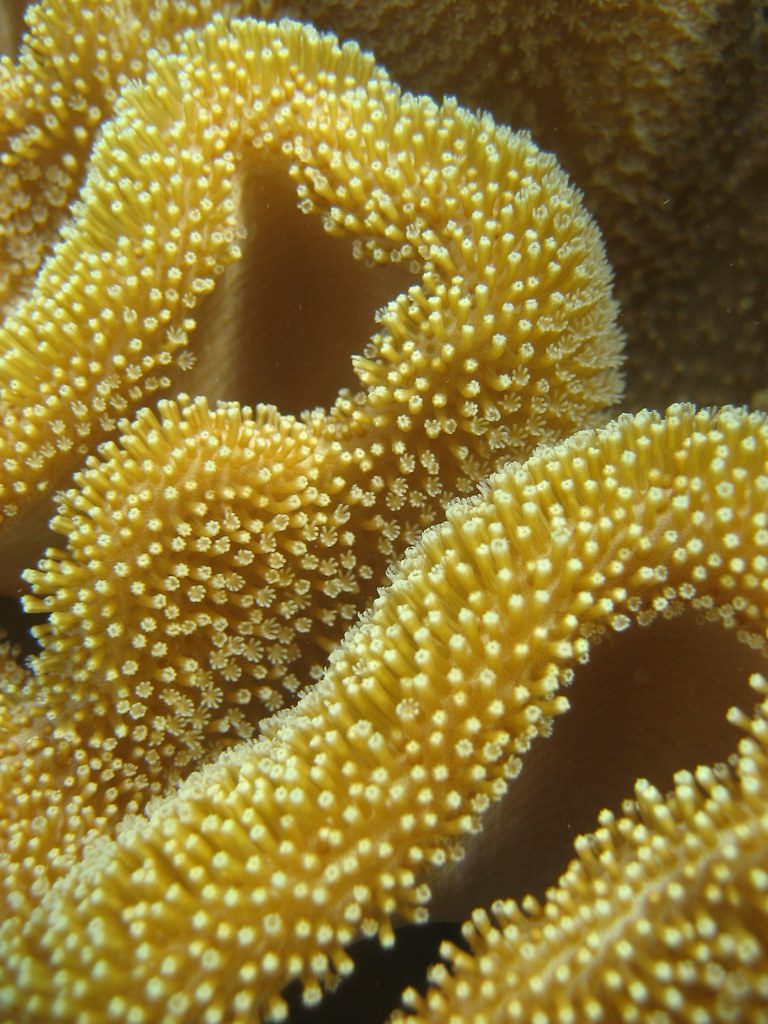
Chemical warfare in reef tanks happens when corals and other sessile invertebrates release defensive compounds into the water. These chemicals can slow growth, cause poor polyp extension, trigger tissue loss, and even kill nearby neighbors. Good spacing, smart coral choices, strong filtration, and stable husbandry greatly reduce the risk.
Many reef keepers focus on visible aggression. They watch for sweeper tentacles, stings, and direct contact. Yet many coral battles happen out of sight. Soft corals, LPS corals, zoanthids, sponges, and even macroalgae can release compounds that irritate competitors. In a closed aquarium, those compounds build up faster than they would on a natural reef. This article explains what chemical warfare is, which corals are most likely to cause it, how to spot the warning signs, and what practical steps help you keep peace in a mixed reef.
Quick Reference Table
| Topic | Key Takeaway |
|---|---|
| Main cause | Allelopathic compounds from corals, macroalgae, and other sessile invertebrates |
| Most common offenders | Leathers, mushrooms, zoanthids, xenia, some LPS, macroalgae |
| Common symptoms | Closed polyps, fading color, poor growth, tissue recession, unexplained decline |
| Best prevention | Activated carbon, water changes, spacing, strong skimming, careful stocking |
| Highest risk tanks | Small mixed reefs with many soft corals and low export |
| Fast response | Run fresh carbon, change water, improve flow, remove stressed or offending coral |
This table gives the short version. The details matter, though. Coral warfare often looks like a random problem at first. Understanding the pattern helps you act faster and save sensitive corals.
What Chemical Warfare Means in a Reef Aquarium
Chemical warfare is also called allelopathy. It describes the release of compounds that affect nearby organisms. Corals use these compounds to compete for space and light. On a reef, water volume is huge. Ocean currents dilute those chemicals quickly. In a home aquarium, dilution is limited. This makes the effect much stronger.
Soft corals are famous for this behavior. Leather corals are a classic example. Many hobbyists notice SPS corals struggling after adding large leathers. The problem is not always direct contact. The water itself can become irritating. Some LPS corals also contribute. Zoanthids and palythoas can be surprisingly aggressive in mixed systems. Macroalgae may also release compounds that suppress coral growth.
This issue becomes more serious in small tanks. It also worsens when export is weak. Old carbon, infrequent water changes, and poor skimming allow compounds to linger. A reef can look fine for months. Then one new coral tips the balance.
Natural Habitat and Why It Matters
On natural reefs, corals live in crowded communities. They still compete constantly. They use stinging cells, sweeper tentacles, mucus, and dissolved chemicals. The difference is scale. Ocean water moves those compounds away. Tides and currents create constant dilution. Distance between colonies is also often greater than it appears.
Different coral groups dominate different zones. Soft corals often thrive in nutrient richer areas with strong flow. SPS corals often dominate high light zones with cleaner water. In the ocean, each group has room to spread. In aquariums, we place species from different habitats inches apart. That creates unnatural pressure. It also forces species into direct competition all day.
This is why mixed reefs can be challenging. A coral that behaves fine in nature may become a bully in a glass box. The lesson is simple. Do not assume peaceful appearance means peaceful chemistry. Reef tanks compress many ecosystems into one small volume.
Which Corals Commonly Cause Problems
Leather corals are among the most discussed offenders. Toadstools, sinularia, and finger leathers often release strong compounds. They may grow well while nearby SPS lose color or stop extending polyps. Mushrooms can also be problematic. Ricordea are usually manageable, but many discosoma types spread fast and irritate neighbors.
Zoanthids and palythoas deserve attention too. They are hardy and attractive, but they can crowd out nearby corals. Some aquarists notice reduced growth in SPS-heavy tanks after large zoa colonies develop. Xenia and clove polyps can create similar issues. They often look harmless because they lack long sweepers.
LPS corals fight differently. Euphyllia, galaxea, favia, and chalices often use sweeper tentacles first. Still, they can also stress nearby corals through mucus and dissolved compounds. Macroalgae in refugiums or displays may contribute as well. Caulerpa and some decorative algae are often mentioned. The risk rises when many competing species share limited water volume.
Aquarium Setup That Reduces Coral Aggression
Tank size matters. Larger systems dilute chemical compounds better. A nano reef can still succeed, but stocking must be more selective. Avoid cramming many fast-growing soft corals into small mixed reefs. Give each coral room to grow. Think about future size, not just frag size.
Aquascaping also helps. Build separate islands when possible. This creates distance between aggressive groups. Keep leathers and invasive soft corals away from delicate SPS colonies. Place LPS with long sweepers where they cannot reach neighbors at night. Leave open sand zones for buffer space.
Filtration design is just as important. Use a quality protein skimmer. Run activated carbon in a reactor or high-flow media bag. Replace it regularly. Consider ozone only if you understand the risks and proper equipment. Refugiums can help nutrient control, but choose macroalgae carefully. Good system design reduces the concentration of irritants before they become a major problem.
Lighting Requirements and Indirect Stress
Lighting does not cause chemical warfare directly. It can make the outcome worse. Corals under poor lighting are already stressed. Stressed corals tolerate aggression less effectively. They produce less mucus, recover slower, and become more prone to tissue recession.
Mixed reefs often place soft corals and SPS under the same lights. That can work, but placement matters. SPS generally need stronger PAR and higher stability. Many soft corals tolerate lower light and adapt more easily. If a leather thrives while your acropora struggles, the issue may be both lighting and allelopathy. One stressor rarely acts alone.
Use lighting that matches your coral mix. Avoid sudden intensity changes. Acclimate new corals slowly. Keep your photoperiod consistent. Healthy corals resist competition better than weakened ones. Good husbandry always lowers the impact of chemical conflict.
Water Flow and Dilution
Strong, varied flow helps in two ways. First, it prevents waste and mucus from settling on coral tissue. Second, it improves local dilution around colonies. This reduces the time that defensive compounds stay concentrated near sensitive corals.
Flow should be turbulent, not a harsh direct blast. SPS usually prefer higher random flow. Many soft corals enjoy moderate to strong movement. LPS often need gentler indirect flow. The goal is balance. Dead spots allow irritants and detritus to collect. Excessive direct flow can damage tissue and create another stress point.
If one area of the tank always looks irritated, examine circulation first. Add a powerhead, adjust pump angle, or increase return turnover. Better flow will not remove allelopathy on its own. It does make your filtration work more effectively. It also keeps coral surfaces cleaner and healthier.
Feeding, Nutrients, and Coral Resilience
Well-fed corals recover faster from stress. Fish nutrition matters too. Healthy fish produce stable nutrient input and support a balanced reef. Corals that receive occasional particulate foods often show better tissue thickness and color. This helps them tolerate minor aggression.
Do not overfeed to solve a warfare issue. Excess nutrients can fuel algae and bacterial instability. Instead, aim for consistency. Feed fish a varied diet. Target feed LPS when appropriate. Dose amino acids carefully if your system responds well. Maintain measurable but controlled nitrate and phosphate. Ultra-low nutrient systems can make some corals more fragile.
Think of feeding as support, not a cure. Carbon and water changes remove irritants. Good nutrition helps corals bounce back after those irritants are reduced. Both parts matter in a successful mixed reef.
Compatibility in Mixed Reefs
Compatibility is not just about fish behavior. Coral compatibility is just as important. Some combinations work for years. Others fail slowly. Soft coral and SPS mixes are the classic challenge. The tank may look healthy at first. Then acropora lose color, montipora stop plating, or birdsnest shows weak polyp extension.
Leathers with acropora can be risky in smaller tanks. Mushrooms near euphyllia often become territorial over time. Zoanthids can overgrow rockwork and create maintenance headaches. LPS with long sweepers need wide spacing, even if they seem calm during the day. Invertebrates like anemones add another layer of competition because they move and sting.
If you want a mixed reef, choose your dominant coral group first. Then add compatible accents. This creates a clearer stocking plan. It also prevents random purchases from turning the tank into a constant chemical battle.
Step-by-Step: How to Prevent Chemical Warfare
- Research each coral before buying it. Check growth pattern and aggression level.
- Decide on a tank style. SPS-dominant, soft coral, LPS, or balanced mixed reef.
- Leave generous space between colonies. Plan for adult size, not frag size.
- Run fresh activated carbon at all times in mixed reefs.
- Use a reliable protein skimmer sized for your system.
- Perform regular water changes. Small weekly changes work well.
- Maintain strong random flow across the full tank.
- Remove dying tissue quickly. Decaying coral can worsen water quality fast.
- Quarantine or observe new corals before adding them to the display.
- Watch for subtle decline after each new addition. Act early if behavior changes.
This process sounds simple, but consistency is what matters. Most warfare problems build over time. Early prevention is easier than emergency correction.
Propagation and Fragging
Why fragging can help
Fragging is not only for sharing corals. It also controls colony size and competition. A giant leather or mushroom colony releases more compounds than a small frag. Trimming aggressive growers can reduce pressure in a mixed reef. It also restores spacing and flow around neighboring corals.
Safe fragging practices
Fragging stressed corals can release extra mucus and irritants. Use clean tools. Frag outside the display when possible. Rinse the coral in clean saltwater before returning it. Run fresh carbon after major cuts, especially with leathers and zoanthids. Wear gloves and eye protection when handling zoanthids and palythoas.
Post-frag tank management
After fragging, monitor skimmer output and coral behavior. Increase aeration if needed. Replace carbon within a day or two if the water looks yellow or corals stay closed. A small water change after major pruning is often a smart move.
Common Problems
Why are my SPS corals losing color near soft corals?
This is one of the most common signs of allelopathy. Leathers and other soft corals can suppress SPS over time. Check your carbon schedule first. Replace old media. Increase water changes. Improve spacing if possible. Also verify alkalinity, nitrate, and phosphate, because poor chemistry can mimic warfare symptoms.
Why do my corals stay closed after adding a new leather coral?
New leather corals often shed mucus and release defensive compounds. This can irritate neighboring corals quickly. Run fresh carbon right away. Increase skimming. Do a water change if the reaction is strong. Place the leather in a high-flow area away from delicate species.
Can activated carbon really help coral warfare?
Yes. Carbon is one of the best tools for dissolved organic removal in mixed reefs. It is not magic, though. It must be replaced regularly. A tiny neglected bag in a low-flow sump will not do much. Use enough carbon for your water volume and place it where water moves through it well.
Why does the tank look fine, but one coral keeps declining?
Chemical warfare often affects the most sensitive coral first. This is common with acropora, montipora, and some LPS. The rest of the tank may appear normal. Look at placement, flow, and nearby coral types. The issue may be localized exposure plus general dissolved compounds.
Frequently Asked Questions
Is chemical warfare only a problem in mixed reefs?
No. It is most common in mixed reefs, but even similar corals compete. Crowded SPS tanks and soft coral tanks can still have issues.
How often should I change carbon in a reef tank?
Many hobbyists change it every two to four weeks. Heavy mixed reefs may need more frequent replacement.
Do water changes remove coral toxins?
Yes, partially. Water changes dilute dissolved compounds. They work best alongside carbon and strong skimming.
Are soft corals always bad with SPS?
No. Many mixed reefs succeed long term. Success depends on spacing, export, coral choice, and system size.
Can macroalgae contribute to coral stress?
Yes. Some macroalgae release compounds that affect corals. This is more noticeable in small systems or neglected refugiums.
Final Thoughts
Chemical warfare in reef tanks is real, but it is manageable. Most problems come from crowding, weak export, and poor planning. If your corals seem to decline for no clear reason, think beyond pests and parameters. Look at the coral mix itself. Fresh carbon, regular water changes, better spacing, and stronger flow solve many hidden conflicts. The best mixed reefs are not accidental. They are planned around compatibility and long-term growth.
For more help, read our guides on reef tank water parameters, best activated carbon for reef tanks, mixed reef tank setup guide, and coral placement in reef aquariums.
Was this helpful?
Related Posts
Reef Alkalinity and Calcium Guide
Learn the ideal reef alkalinity and calcium ranges, how they interact, and how to test, dose, and troubleshoot…
 By
ByReef Tank Basics
Learn reef tank basics, from setup and cycling to lighting, flow, and water chemistry, so your first reef…
[favorite_button]
My Bookmarks:
To see full list click here
[user_favorites user_id="" include_links="true" site_id="" post_types="" include_thumbnails="true" thumbnail_size="thumbnail" include_excerpt="false"]