
Choosing aquarium fish starts with matching species to your tank, your experience, and your goals. The best fish are not always the most colorful. They are the ones that fit your aquarium size, temperament, feeding routine, and long-term care plan.
Many new hobbyists buy fish based on appearance alone. That often leads to aggression, stress, disease, or losses. A better approach is to plan your stocking list before you buy anything. In this guide, you will learn how to choose fish for reef tanks and marine aquariums with more confidence. We will cover tank size, compatibility, feeding, quarantine, reef safety, and common mistakes. By the end, you should know how to build a peaceful, healthy, and realistic fish list for your system.
Quick Reference Table
| Factor | What to Check | Why It Matters |
|---|---|---|
| Tank size | Adult size and swimming needs | Prevents stress and overcrowding |
| Temperament | Peaceful, semi-aggressive, aggressive | Reduces fighting and bullying |
| Reef safety | Coral, clam, and invert compatibility | Protects your reef livestock |
| Diet | Easy feeder or specialist | Improves survival and health |
| Care level | Beginner, moderate, advanced | Matches fish to your experience |
| Disease risk | Sensitivity to ich and shipping stress | Helps plan quarantine |
| Order of addition | Peaceful fish first | Limits territory disputes |
Use this table as a fast checklist before every purchase. It helps you slow down and avoid impulse buys.
Start With Your Tank, Not the Fish
Your aquarium sets the rules. Fish choice should follow those limits. Tank volume matters, but footprint matters too. Some species need long swimming lanes. Others need caves and tight rockwork. A 40-gallon breeder suits different fish than a 40-gallon cube.
Think about your filtration and maintenance routine as well. A lightly stocked tank is easier to manage. Nutrients stay more stable. Aggression is often lower too. Beginners usually do better with fewer fish than they first planned. This gives each fish more space and reduces mistakes.
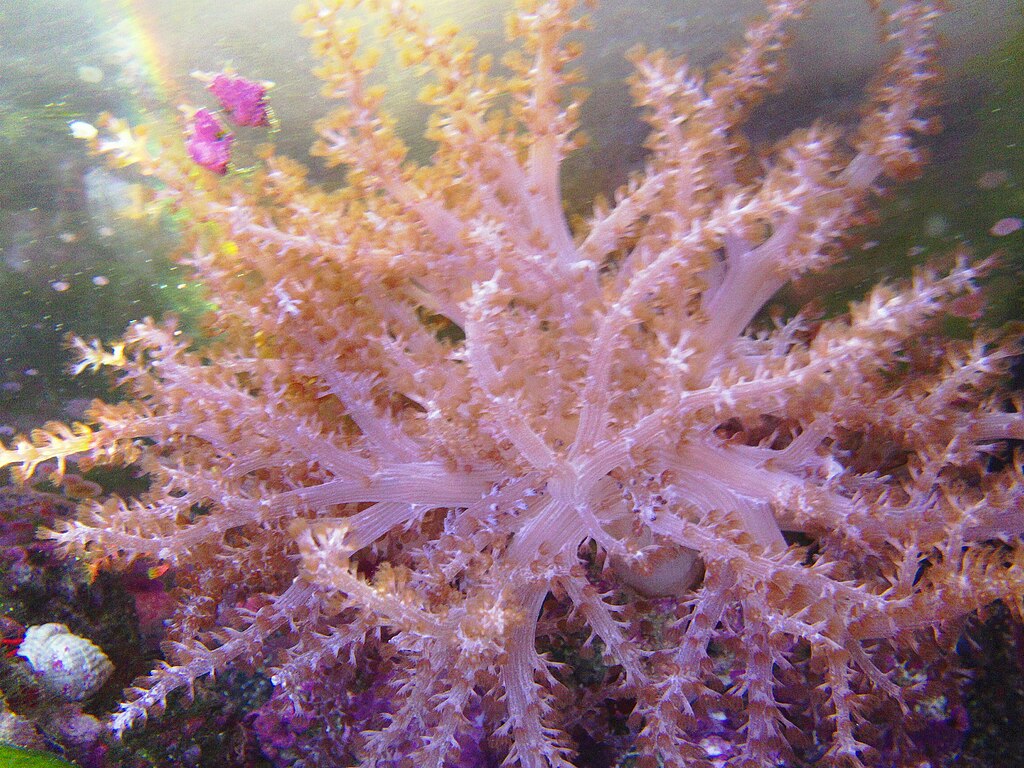
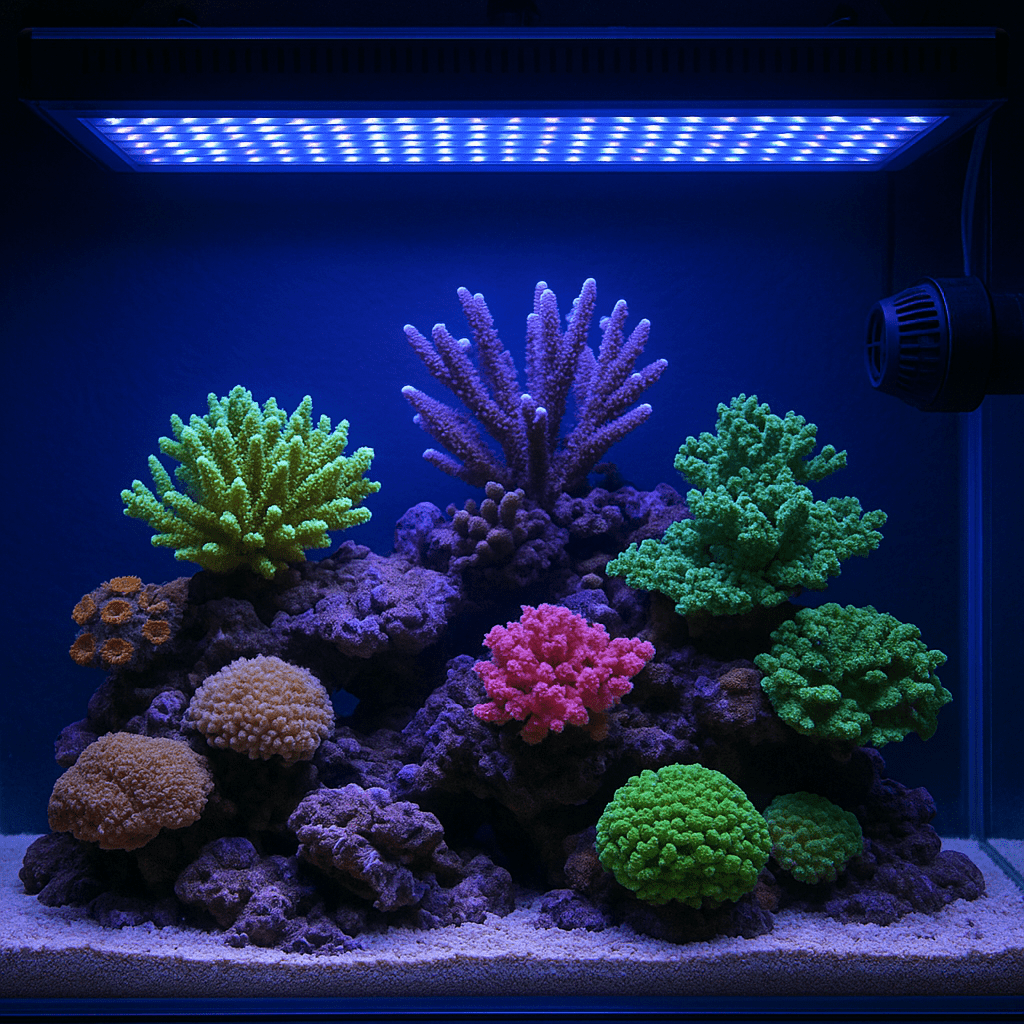
Also consider the type of aquarium you want. A reef tank has different limits than a fish-only system. Many attractive fish are not reef safe. Others are safe with caution. If you plan to keep corals, shrimp, snails, or clams, research every fish carefully before buying.
Know the Fish’s Adult Size and Behavior
Juvenile fish can be misleading. That cute two-inch tang will not stay small. Many marine fish sold in stores are young specimens. Always check adult size. Then compare that size to your tank’s dimensions and swimming space.
Behavior matters just as much as size. Some fish are active cruisers. Others defend caves or rock ledges. Some are peaceful until maturity. Others become aggressive after they settle in. Dottybacks, some damsels, and many large angelfish can cause problems in smaller tanks.
Look beyond simple labels like peaceful or aggressive. Ask how the fish behaves toward similar species. Ask whether it bullies timid feeders. Ask whether it needs a sand bed to sleep. Wrasses, gobies, blennies, clownfish, and tangs all use space differently. Matching behavior to your aquascape is one of the smartest stocking decisions you can make.
Choose Fish That Match Your Experience Level
Some saltwater fish are forgiving. Others are not. Hardy beginner fish usually eat prepared foods quickly. They tolerate minor stress better. They also ship more reliably. Good examples include ocellaris clownfish, firefish, royal grammas, watchman gobies, and many captive-bred species.
More delicate fish often need mature tanks and stable conditions. Mandarin dragonets need established pods. Moorish idols are poor choices for most hobbyists. Some butterflyfish refuse prepared foods. Many anthias need frequent feeding and strong filtration. These fish can thrive, but they demand more planning and consistency.
Be honest about your routine. Can you feed multiple times daily? Will you quarantine every fish? Can you manage aggression in a crowded tank? Choosing fish that match your schedule is just as important as choosing fish that match your tank. Success comes from realistic decisions, not ambitious shopping lists.
Reef Safety and Invertebrate Compatibility
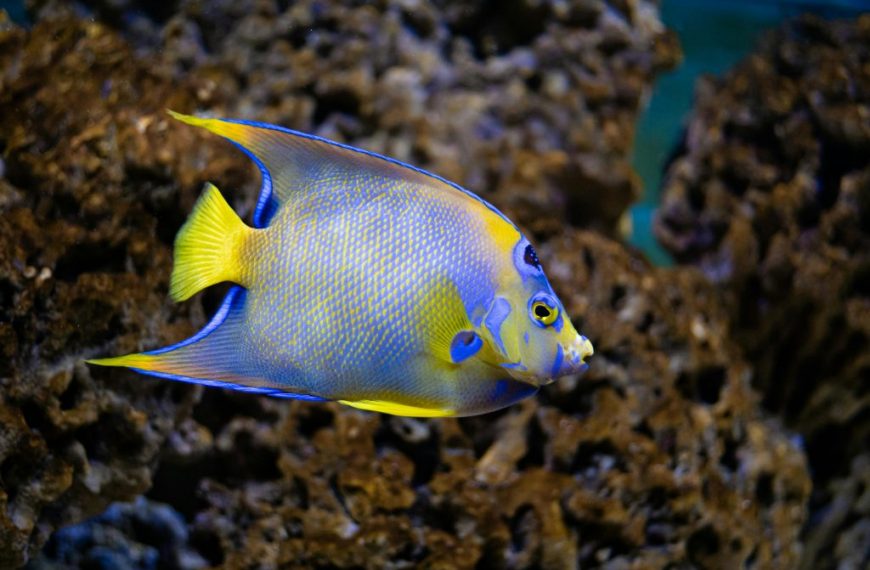
Not every marine fish belongs in a reef aquarium. Some nip at coral polyps. Some eat feather dusters, shrimp, crabs, or snails. Others target clams. Dwarf angelfish are a classic example. Many are beautiful and tempting. Some behave well for years. Others suddenly start picking at fleshy corals or clam mantles.
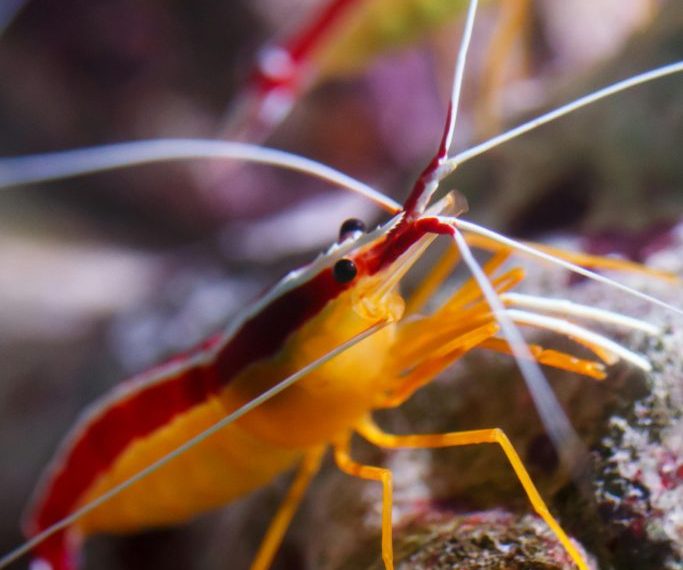
Wrasses vary widely too. Many are reef safe and useful for pest control. Others eat ornamental shrimp or small invertebrates. Hawkfish often perch attractively, but they may prey on shrimp. Puffers and triggers are usually poor choices for mixed reefs, especially if you value cleanup crews.
Always research three things. First, is the fish coral safe. Second, is it safe with ornamental invertebrates. Third, is it safe with small fish. “Reef safe with caution” means there is real risk. If your tank contains expensive corals or prized shrimp, caution may not be good enough.
Feeding Requirements and Long-Term Care
Feeding is where many fish choices succeed or fail. Some species eat almost anything. Others need live foods, constant grazing, or frequent small meals. Herbivores like tangs need algae-rich diets. Planktivores like anthias often need several feedings each day. Sand-sifting fish may need mature microfauna in the substrate.
Before buying a fish, ask to see it eat. This step is simple and powerful. A fish that eats well in the store often adapts faster at home. Avoid fish that look thin, breathe heavily, or ignore food. Sunken bellies are a major warning sign, especially in mandarins, wrasses, and butterflyfish.
Also think about competition at feeding time. Fast fish can starve shy fish. Tangs, larger wrasses, and established clownfish often dominate food. If you want timid species, build a community that allows them to eat without stress. Feeding success is not only about the food itself. It is also about social pressure in the tank.
Step-by-Step Guide to Choosing Aquarium Fish
1. Define your tank type
Decide whether your aquarium is reef, fish-only, or mixed with invertebrates. This narrows your options fast.
2. List your tank size and footprint
Write down gallons, tank length, and aquascape style. Swimming space and hiding spots both matter.
3. Build a wish list
Start with fish you like most. Then research adult size, temperament, diet, and reef safety for each one.
4. Remove poor fits
Cut species that outgrow the tank, bully tankmates, or need care beyond your current skill level.
5. Plan stocking order
Add peaceful fish first. Add territorial fish later. Save the most aggressive species for last.
6. Quarantine every fish
Quarantine protects your display tank from ich, velvet, and bacterial infections. It also helps new fish settle and eat.
7. Buy healthy specimens only
Choose alert fish with clear eyes, full bellies, intact fins, and steady breathing. Ask to see them eat.
8. Stock slowly
Add fish in stages. Give your biofilter time to adjust. Watch for aggression before adding more.
Best Beginner Fish for Many Reef Tanks
Several species are reliable for newer hobbyists. Ocellaris and percula clownfish are popular for good reason. They are hardy, available captive-bred, and usually accept prepared foods. Firefish are peaceful and elegant, though they may jump. A tight lid is essential. Royal grammas add color and usually keep to themselves.
Watchman gobies are another strong choice. They stay manageable in size and add interesting behavior. Some pair with pistol shrimp. Tailspot blennies are excellent algae pickers in smaller tanks. Banggai cardinals are calm and easy to feed. Captive-bred options are especially desirable when available.
That said, even beginner fish need proper conditions. Clownfish can become territorial. Firefish can be bullied. Gobies may jump or hide often at first. No fish is truly maintenance free. Success still depends on stable salinity, low stress, and careful introduction.
Common Problems
Why are my new fish fighting?
Aggression often comes from poor stocking order, limited hiding places, or too many similar fish. Rearranging some rockwork can help. Acclimation boxes also reduce conflict. In many cases, the last fish added should be the most aggressive species, not the first.
Why did my fish stop eating?
Stress is a common cause. Shipping, bullying, disease, and poor acclimation all reduce appetite. Check breathing rate and body condition. Test water quality. Offer varied foods. If the fish is in quarantine, dim the lights and provide hiding places.
Why do healthy fish die after purchase?
Many losses trace back to disease introduction or weak specimens. Marine velvet can kill fast. Ich can linger unseen. Internal parasites also cause delayed decline. This is why quarantine matters so much. It gives you time to observe, treat, and stabilize fish before display introduction.
Why is my tank overstocked so quickly?
Marine fish often need more space than freshwater fish of similar size. Territorial behavior also limits stocking. If nutrients rise, fish hide more, or aggression increases, you may be at capacity. A realistic fish list protects both water quality and fish welfare.
Frequently Asked Questions
How many fish should I keep in a reef tank?
There is no perfect number. It depends on tank size, filtration, fish behavior, and feeding load. Stock lightly at first. Then adjust based on nutrients and aggression.
Should I buy captive-bred fish?
Yes, when possible. Captive-bred fish usually adapt better to aquarium life. They often eat prepared foods sooner. They also reduce pressure on wild populations.
Can I mix different clownfish species?
Usually not in smaller tanks. Clownfish can be very territorial. A bonded pair of one species is the safer choice for most setups.
Do all saltwater fish need quarantine?
They should. Quarantine is one of the best ways to prevent disease outbreaks. It protects your display tank and saves money over time.
What is the biggest mistake when choosing aquarium fish?
Buying on impulse. Research prevents most stocking problems. Always check adult size, temperament, diet, and compatibility before purchase.
Final Tips for Smarter Fish Selection
The best aquarium fish are the ones you can keep well for years. Plan for adult size. Respect temperament. Feed appropriately. Quarantine every addition. Add fish slowly and watch how the tank responds. This approach is less exciting in the store, but far more rewarding at home.
If you want a thriving reef, think like a long-term caretaker. Build a community, not a shopping cart. That mindset will help you avoid losses and enjoy your aquarium more. For more help, read our guides on reef tank setup, quarantining saltwater fish, reef-safe fish, and marine fish compatibility.
Was this helpful?
Related Posts

Reef Tank Filtration Options
Learn the best reef tank filtration options, how each method works, and how to build a stable system…
 By
By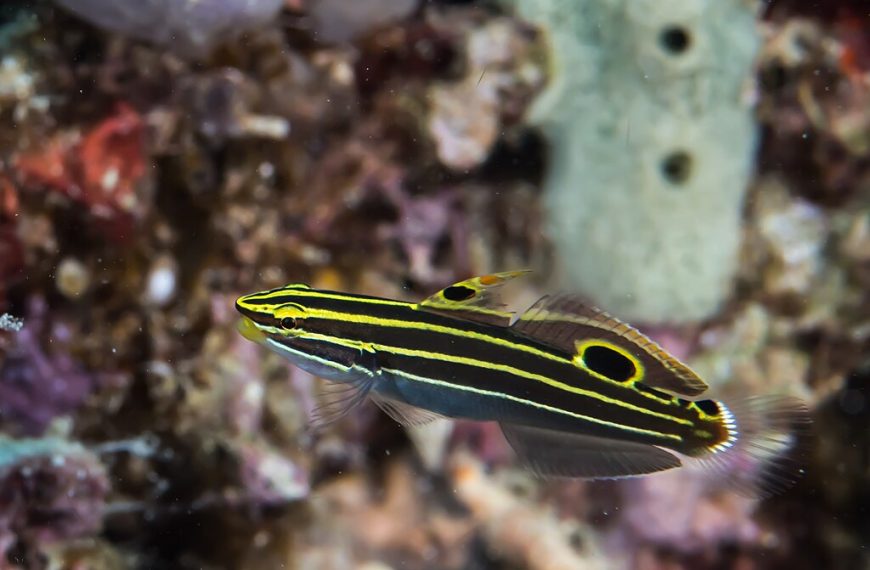
Hectors Goby (Koumansetta Hectori)
Hector’s goby is a peaceful, reef-safe sand sifter that thrives in mature tanks with fine sand, stable water,…