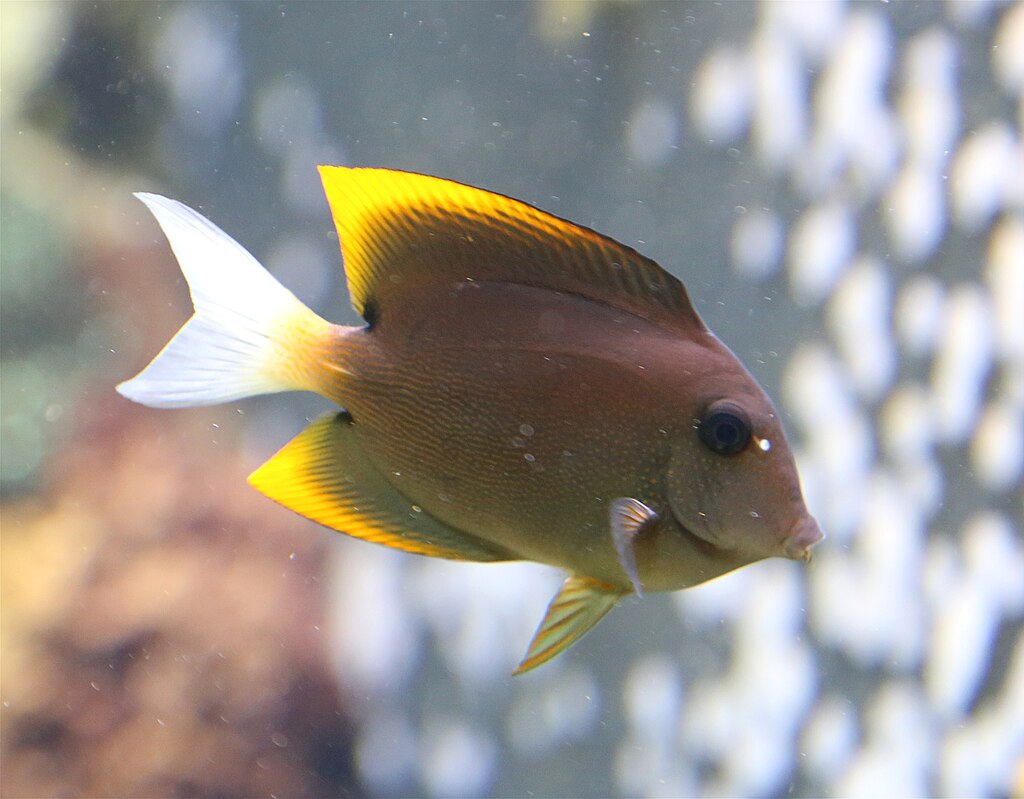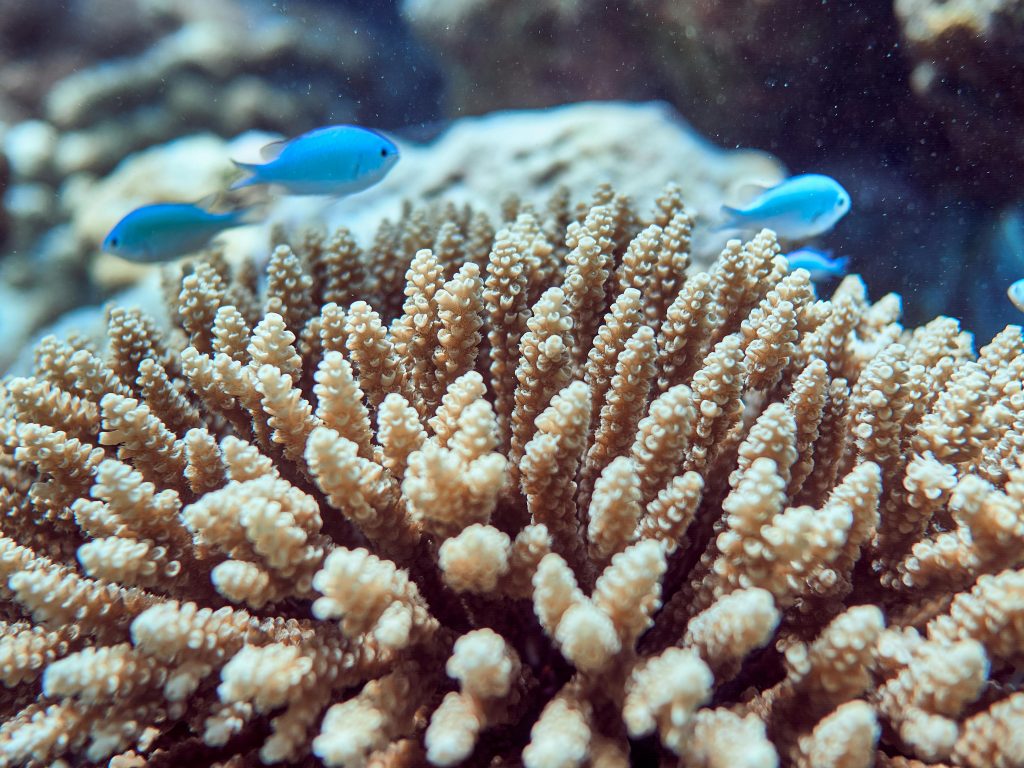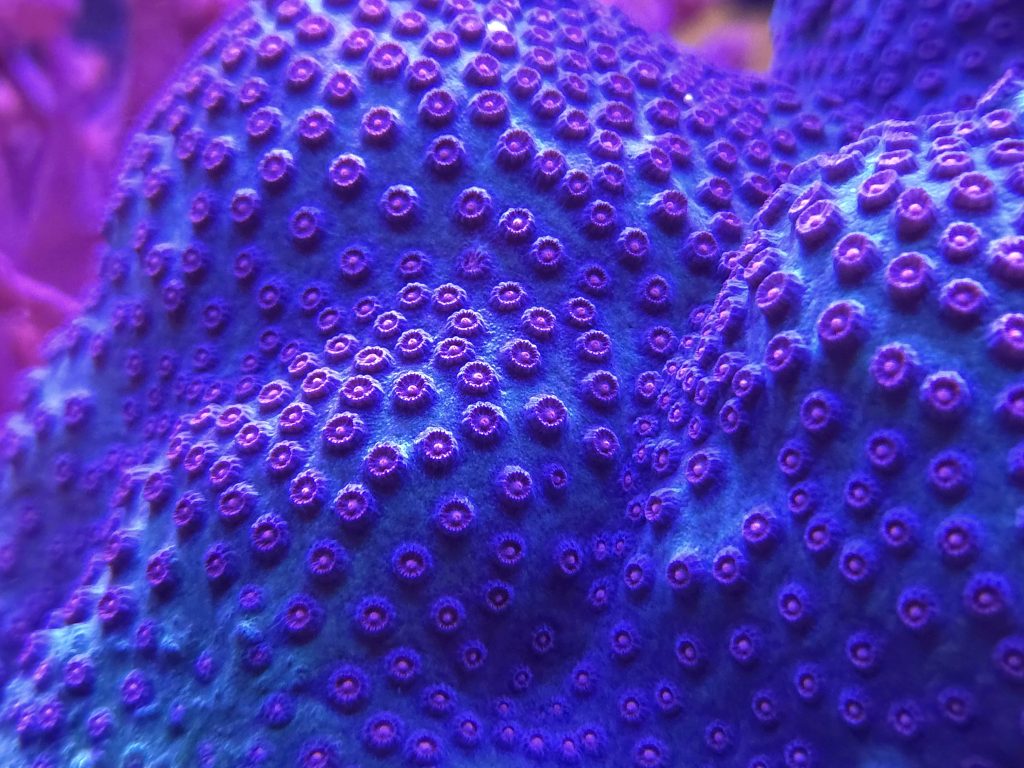

Beginner saltwater fish should be hardy, peaceful, and easy to feed. The best choices adapt well to captive life, tolerate small mistakes, and fit common reef tanks. If you start with the right species, your first marine aquarium becomes much easier to manage.
Many new hobbyists assume saltwater fish are fragile. Some are. Many are not. The key is choosing species with simple care needs and steady temperaments. In this guide, you will learn which beginner saltwater fish are best, how to choose them, what tank setup they need, and how to avoid common mistakes. We will also cover compatibility, feeding, quarantine, and practical buying tips. This helps you build a healthy marine tank with confidence.
Quick Reference Table for Beginner Saltwater Fish
| Fish | Adult Size | Minimum Tank | Temperament | Reef Safe | Care Level |
|---|---|---|---|---|---|
| Ocellaris Clownfish | 3 inches | 20 gallons | Peaceful | Yes | Easy |
| Percula Clownfish | 3 inches | 20 gallons | Peaceful | Yes | Easy |
| Firefish Goby | 3 inches | 20 gallons | Peaceful | Yes | Easy |
| Royal Gramma | 3 inches | 30 gallons | Semi-peaceful | Yes | Easy |
| Banggai Cardinalfish | 3 inches | 30 gallons | Peaceful | Yes | Easy |
| Yellow Watchman Goby | 4 inches | 20 gallons | Peaceful | Yes | Easy |
| Tailspot Blenny | 2.5 inches | 20 gallons | Peaceful | Yes | Easy |
| Azure Damselfish | 3 inches | 30 gallons | Semi-aggressive | Yes | Moderate |
What Makes a Good Beginner Saltwater Fish?
A good beginner fish forgives small mistakes. It should accept prepared foods quickly. It should handle normal reef tank conditions without constant stress. Hardy species also resist shipping stress better than delicate fish.
Temperament matters just as much. Aggressive fish can turn a new tank into a problem. Beginners do best with peaceful species that mix well in community setups. Fish that stay small are also easier to house. They need less swimming space and create less waste.
Captive-bred fish are often the best option. They usually adapt faster to aquarium life. They often eat frozen and pellet foods right away. They may also carry fewer parasites than wild imports. This is why clownfish are so popular. They are widely available, colorful, and very dependable.
Avoid impulse buys. Many beautiful marine fish need large tanks or expert care. Mandarins, Moorish idols, and many butterflyfish are poor beginner choices. Start simple. Success early on builds skill for more demanding species later.
Best Beginner Saltwater Fish for New Marine Tanks
Ocellaris and percula clownfish are the classic starting fish. They stay small and eat almost anything. They do well in nano reefs and larger tanks. A bonded pair often becomes the centerpiece of a beginner setup.
Firefish gobies are another great choice. They are peaceful and elegant. Their darting shape adds movement without aggression. Keep a tight lid on the tank. Firefish are known jumpers when startled.
Royal grammas offer bright color and easy care. Their purple and yellow body stands out in reef tanks. They can be territorial around caves, but they rarely cause serious trouble. Banggai cardinalfish are calm and simple to feed. They hover in open water and suit peaceful reef communities.
Yellow watchman gobies and tailspot blennies are excellent for smaller aquariums. The goby spends time near the sand and rockwork. The blenny perches and grazes algae films. Both have lots of personality. If you want one slightly tougher fish with more attitude, consider an azure damselfish. It is far less aggressive than many damsels, but still needs careful tankmate selection.
Natural Habitat and Why It Matters
Most beginner marine fish come from shallow tropical reefs. These habitats have stable salinity, warm water, and constant oxygen-rich flow. Fish use rock crevices for shelter and open areas for feeding. Understanding this helps you design a better home aquarium.
Clownfish live among anemones in protected reef zones. In aquariums, they usually adopt corals, corners, or powerheads instead. Firefish live near rubble slopes and bolt into burrows when frightened. Royal grammas stay close to caves and overhangs. Gobies often rest on sand near rocks. Blennies perch on hard surfaces and graze microalgae.
These natural behaviors explain many care needs. Fish that hide in crevices need rockwork with secure retreats. Sand-sitting gobies need open bottom space. Jump-prone species need lids. Grazers benefit from mature rock surfaces and supplemental algae foods. When your tank matches natural behavior, fish settle faster and show better color.
Aquarium Setup for Beginner Saltwater Fish
A stable tank beats a fancy tank. Most beginner saltwater fish do best in aquariums of 20 to 40 gallons or larger. Bigger tanks dilute waste better. They also keep temperature and salinity more stable. This gives beginners more room for error.
Use quality live rock or dry rock that has fully cycled. Build caves, arches, and shaded areas. Leave open swimming space in front. Add a secure lid if you keep firefish, gobies, or wrasses later. Include a reliable heater, thermometer, and strong biological filtration.
For substrate, a shallow sand bed works well for many beginner fish. Gobies especially appreciate sand. Keep salinity around 1.025 specific gravity. Aim for temperatures between 76 and 78 degrees Fahrenheit. Ammonia and nitrite should always be zero. Nitrate should stay low, though fish-only systems can tolerate slightly more than coral-heavy reefs.
Cycle the tank fully before adding fish. This step is critical. Adding fish too early causes stress, disease, and losses. If you need help with early planning, see FancyReef guides on cycling a reef tank, reef tank water parameters, and choosing live rock.
Lighting and Water Flow Needs
Fish have simpler lighting needs than corals. Beginner saltwater fish do not need intense reef lighting to thrive. A normal day and night cycle is enough. If your tank includes corals, set lighting for the corals first. The fish will adapt well.
Avoid sudden light changes. Bright lights turning on instantly can startle fish. Many hobbyists use ramping LEDs to create a sunrise effect. This reduces stress and looks more natural. Dim hiding areas also help shy fish feel secure.
Water flow should be moderate and varied. Dead spots collect waste and lower oxygen. Strong random flow improves gas exchange and keeps the tank cleaner. Still, avoid blasting timid fish directly with powerheads. Firefish and cardinalfish prefer calmer pockets where they can hover without fighting current all day.
As a rule, create zones. Use stronger flow near rock faces and open areas. Leave gentler flow behind rockwork and lower in the tank. This gives each species options and reduces stress-related behavior.
Feeding Beginner Marine Fish
Most beginner saltwater fish are not difficult eaters. Feed small amounts once or twice daily. Offer a mix of high-quality pellets, frozen mysis shrimp, brine shrimp, and finely chopped seafood. Variety improves nutrition and supports color, growth, and immunity.
Clownfish, grammas, and cardinalfish usually accept frozen foods quickly. Gobies may prefer food that sinks near the bottom. Tailspot blennies often graze algae between meals, but they still need prepared food. Add herbivore foods or algae-based pellets for blennies and similar grazers.
Do not overfeed. Excess food drives up nitrate and phosphate. It also fuels nuisance algae. Feed only what fish can finish in a minute or two. Watch each fish during feeding. This confirms that timid fish are getting their share.
New fish sometimes refuse food for a day or two. That is normal. Try thawed frozen foods first. Turn off pumps briefly if food blows away too fast. Once fish settle in, establish a regular feeding schedule. For more help, check FancyReef articles on reef fish nutrition and how often to feed saltwater fish.
Compatibility in Reef Aquariums
Most fish on this list are reef safe. They generally ignore corals and common clean-up crew invertebrates. That makes them excellent choices for mixed reefs and beginner coral tanks. Still, reef safe does not always mean conflict free.
Clownfish can become territorial, especially as pairs mature. They usually defend a small area rather than chase the whole tank. Royal grammas may guard caves. Damselfish can become pushy in small spaces. This is why stocking order matters. Add peaceful fish first. Add bolder species later.
Avoid mixing too many fish with similar shapes or niches in very small tanks. Two cave-dwelling fish may compete. Two bottom perchers may claim the same zone. In larger tanks, this is less of a problem. Provide multiple hiding places to reduce tension.
Research each species before buying. Some stores label fish as community safe when they are only semi-compatible. If you plan to keep shrimp, choose tankmates carefully. Most beginner fish listed here behave well with cleaner shrimp, snails, and hermits.
Step-by-Step Guide to Choosing Your First Saltwater Fish
Step one is to finish the cycle. Never buy fish for an uncycled tank. Test ammonia, nitrite, nitrate, salinity, and temperature first. Stable numbers matter more than buying quickly.
Step two is to choose two or three compatible species. Start light. A pair of clownfish, one firefish, or one goby is enough for many small tanks. Fewer fish means lower stress and easier maintenance.
Step three is to inspect fish carefully at the store. Look for clear eyes, full bellies, intact fins, and steady breathing. Avoid fish with white spots, frayed fins, cloudy skin, or sunken sides. Ask to see the fish eat if possible.
Step four is quarantine. A separate quarantine tank can prevent disease outbreaks in your display. Even hardy fish can carry marine ich or velvet. Step five is slow acclimation and patient observation. Add fish one at a time when possible. Let the biofilter catch up before the next addition.
Common Problems
Why is my new saltwater fish not eating?
Stress is the most common cause. Shipping, bright lights, and aggressive tankmates can all suppress appetite. Offer frozen mysis or enriched brine first. Reduce sudden movement around the tank. Make sure the fish has a secure hiding place.
Why is my fish hiding all the time?
New fish often hide for several days. This is normal. Constant hiding can mean bullying, too much flow, or too little cover. Add caves and check whether another fish is chasing it. Test water quality as well.
Why did my firefish jump out?
Firefish jump when startled. Open-top tanks are risky. Use a mesh lid with no gaps. Sudden aggression, loud noises, and rapid light changes also trigger jumping.
Why are my fish breathing fast?
Fast breathing can signal ammonia, low oxygen, parasites, or severe stress. Test water immediately. Increase surface agitation. Check temperature. If symptoms continue, move the fish to quarantine for closer observation.
Why is my clownfish becoming aggressive?
Mature clownfish often claim a territory. This is common. Rearrange rockwork if needed. Avoid adding very timid fish to a tank dominated by established clowns. In small tanks, their attitude can feel bigger than their size.
Frequently Asked Questions
What is the easiest saltwater fish for beginners?
Ocellaris clownfish are usually the easiest choice. They are hardy, widely available, and easy to feed. Captive-bred specimens are especially beginner friendly.
How many saltwater fish should a beginner start with?
Start with one or two fish in a small tank. Add more slowly over time. This keeps the biofilter stable and reduces stress.
Can beginner saltwater fish live in a reef tank?
Yes. Most fish listed here are reef safe. They work well with soft corals, LPS corals, and common clean-up crews.
Do I need to quarantine beginner marine fish?
Yes, if possible. Even hardy fish can introduce disease. Quarantine lowers the risk of infecting your display tank.
Are damselfish good beginner fish?
Some are hardy, but many are aggressive. Azure damselfish is one of the better options. Still, clownfish, gobies, and grammas are safer beginner picks.
Final Tips for Success
Beginner saltwater fish are easiest when the tank is stable. Test water often. Stock slowly. Feed carefully. Choose peaceful species that match your tank size. Most early failures come from rushing, overstocking, or skipping quarantine.
If you focus on hardy fish first, you will learn faster and lose less. Clownfish, firefish, grammas, gobies, and blennies all offer color and personality without extreme care demands. Start with a simple plan and build from there. That approach creates a healthier reef and a much better hobby experience.
Was this helpful?
Related Posts
Green Star Polyps Care
Green star polyps are easy, fast-growing corals that love moderate light and flow. Learn how to keep them…
 By
By
Scroll Corals Care
Scroll corals are hardy LPS corals that prefer moderate light, indirect flow, and stable water chemistry. Proper placement…