

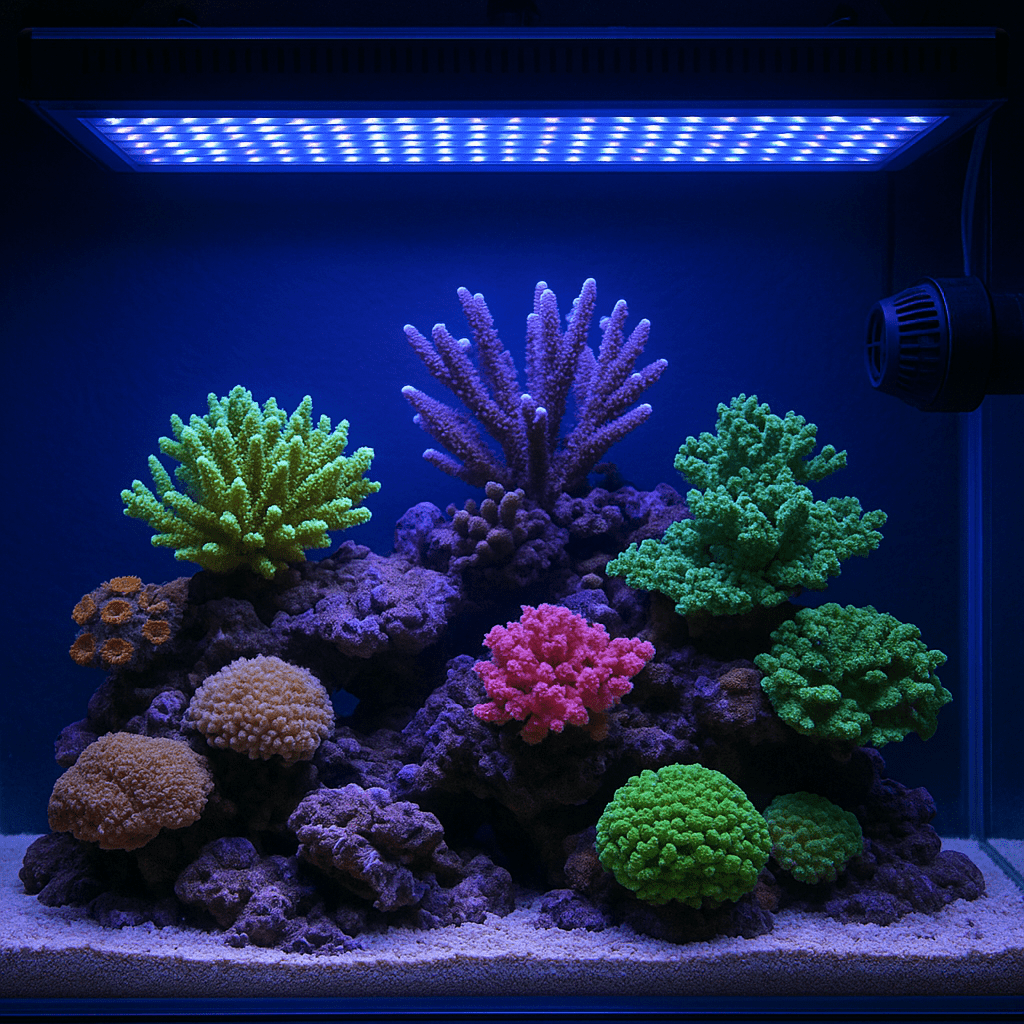
Choosing sand for reef tanks affects appearance, flow, nutrient control, and livestock safety. The best option depends on your goals, fish list, flow level, and maintenance style. Most hobbyists do well with clean aragonite sand in the fine to special grade range.
Many reef keepers treat sand as a cosmetic choice. It is much more than that. Sand influences detritus buildup, burrowing behavior, bacterial surface area, and how stable your aquascape feels over time. Grain size also changes how easily the bed blows around under strong pumps. A shallow bed can look bright and natural. A deeper bed can support more burrowing animals. In this guide, you will learn how to choose the right reef tank sand, what grain sizes actually mean, when bare bottom may be better, and how to avoid common mistakes that lead to cloudy water, nuisance algae, and constant sandstorms.
Quick Reference Table
| Sand Type | Best For | Pros | Cons |
|---|---|---|---|
| Fine aragonite | Natural look, sand sifters, mixed reefs | Bright color, gentle on burrowers, high surface area | Can blow around in high flow |
| Special grade aragonite | Most reef tanks | Stable under flow, easy to clean, natural appearance | Less ideal for delicate sand burrowers |
| Coarse crushed coral | Low flow systems, some fish-only tanks | Heavy grains, does not shift much | Traps detritus, harder to keep clean |
| Live bagged sand | Quick starts, new hobbyists | Convenient, often less rinse work | More expensive, bacteria claims are often overstated |
| Dry sand | Most new builds | Cheaper, cleaner start, easy to control | Needs rinsing and time to mature |
| Bare bottom | High flow SPS systems | Easy detritus export, no sandstorms | Less natural look, fewer burrowing options |
Why Sand Choice Matters in a Reef Tank
Sand does several jobs at once. It finishes the look of the tank. It also provides habitat for worms, pods, snails, gobies, and beneficial bacteria. That sounds simple. In practice, the wrong sand can create constant frustration. Very fine sand may blow into dunes under modern wavemakers. Very coarse media can trap waste and fuel nitrate and phosphate issues.
Your livestock matters too. Diamond gobies, pistol shrimp, jawfish, and many wrasses need a suitable substrate. Sharp, oversized grains can stress delicate species. Some fish need sand to sleep, hunt, or build burrows. If you plan a mixed reef with moderate flow, special grade aragonite is often the safest middle ground. If you want a lagoon look and keep gentle flow, fine sand can work beautifully. If you run a high energy SPS tank, you may prefer a heavier grain or even no sand at all. The best choice supports both your animals and your maintenance routine.
Aragonite vs Crushed Coral vs Bare Bottom
Aragonite is the standard choice for reef tanks. It is calcium carbonate based. It looks natural and is usually safe for reef livestock. It comes in several grain sizes. Fine aragonite creates a soft, bright seabed. Special grade aragonite gives a more stable bed with less movement. Most modern reef keepers choose one of these two.
Crushed coral is much coarser. It was common years ago. It still has uses, but it collects detritus easily. Food and fish waste fall between the gaps. That debris can rot if maintenance slips. This makes crushed coral less popular in reef systems with heavy feeding. It can still work in low flow fish-only tanks if cleaned often.
Bare bottom tanks remove the substrate completely. This approach is popular in some SPS systems. It allows very strong flow and easy waste export. It also removes habitat for sand-dependent species. Many hobbyists also miss the natural reef look. There is no universal winner here. Your coral style, flow pattern, and stocking plan should guide the choice.
Understanding Grain Size
Grain size changes how the tank behaves every day. Fine sand usually ranges from sugar-sized to about 1 millimeter. It looks very natural. It suits many burrowing animals. It also shifts easily under strong pumps. If your return nozzles point down, or your wavemakers are oversized, fine sand may pile up against the glass.
Special grade sand is a common sweet spot. It is larger and heavier than sugar-sized sand. It still looks like reef substrate. It usually stays put better. Many mixed reef hobbyists use it because it balances appearance and stability. Coarse substrates are heavier still. They rarely blow around. They also trap much more debris. That tradeoff matters long term.
Do not choose grain size by label alone. Brand names vary. Read the actual particle range if listed. Think about your pumps, coral placement, and fish list. A wrasse tank may need finer material. A high flow Acropora system may need heavier grains. The right grain size prevents endless adjustments later.
How Much Sand Do You Need?
Most reef tanks look best with a shallow bed. Around 1 to 2 inches works for many systems. This gives a natural appearance without creating a deep detritus trap. It also leaves enough depth for many snails, gobies, and wrasses. If you keep jawfish or other dedicated burrowers, you may need deeper areas with 3 to 4 inches or more.
A common mistake is adding too much sand at the start. Deep beds can work, but they need planning and stable husbandry. In many beginner tanks, a very deep bed becomes hard to clean. It also traps uneaten food and fish waste. A shallow bed is easier to manage. You can always add more later if your livestock requires it.
As a rough guide, many tanks need about 1 pound of sand per gallon for a shallow bed. Tank dimensions matter more than volume, though. A wide tank needs more substrate than a tall narrow one. When in doubt, buy slightly less than you think. It is easier to top up than remove rinsed sand later.
Aquarium Setup and Aquascaping Considerations
Place rockwork securely before adding livestock. Ideally, set major rocks on the tank bottom or on stable supports. Do not balance heavy rock directly on loose sand. Burrowing fish and invertebrates can undermine it. That can lead to rock shifts or glass damage. Stability comes first.
Think about flow lanes when you scape. Open areas in front often collect dunes if pumps hit the substrate too hard. Aim wavemakers across the upper water column when possible. If you want a natural look, create varied depth. Keep a shallow open area for easy cleaning. Build slightly deeper pockets where gobies or wrasses can use them.
Bright white sand reflects light well. That can increase the visual brightness of the tank. It also shows detritus quickly. This is useful, not bad. Visible waste tells you where flow is weak. If one corner always darkens, adjust a pump or improve maintenance there. Good aquascaping and good substrate choice should work together.
Dry Sand vs Live Sand
Dry sand is the best choice for many reef keepers. It is cheaper. It avoids unwanted hitchhikers. It also gives you a cleaner start. Most dry sands need thorough rinsing before use. That removes dust and reduces the initial cloud. Once in the tank, the bed becomes live over time from bacteria, pods, and microfauna.
Bagged live sand is convenient. It often contains preserved bacteria in sealed water. It can help beginners feel more confident during setup. Still, it is not magic. It does not replace proper cycling. It also costs more. Some products are cloudy when added. Others contain fine particles that still need patience and filtration to settle.
True ocean-harvested live sand is less common and carries more risk. It may import pests, algae, or unwanted organisms. For most home aquariums, dry aragonite plus a good cycle is the safer path. You can seed biodiversity later with trusted live rock, rubble, or reputable pod cultures.
Step-by-Step: How to Add Sand to a Reef Tank
- Choose the grain size based on flow and livestock.
- Rinse dry sand in small batches with RO or tap water.
- Keep rinsing until the water runs mostly clear.
- Place rock structures securely before adding the full sand bed.
- Add sand slowly with a cup or scoop.
- Use a plate or plastic bag to diffuse water during filling.
- Start pumps low at first.
- Run filter floss to catch suspended dust.
- Adjust wavemakers after the bed settles.
- Watch for dunes and dead spots over the first week.
If the tank is already stocked, be more careful. Turn off pumps first. Add small amounts at a time through a wide tube or cup placed near the bottom. Avoid dumping sand over corals or fish. Expect some temporary cloudiness. Replace mechanical filtration often during the first day.
Compatibility With Fish, Corals, and Invertebrates
Many reef animals interact with sand directly. Sleeper gobies sift it for food. Pistol shrimp move it while digging. Nassarius snails bury themselves in it. Wrasses use it for sleeping or stress refuge. These animals do best with smooth, reef-safe grains. Very coarse media can irritate them or prevent normal behavior.
Corals care about sand indirectly. Low-placed LPS corals can be damaged by blowing grains. Fine sandstorms can abrade tissue on open brains, scolys, and fleshy euphyllia if flow is poor. On the other hand, a stable sand bed helps keep detritus visible and easier to remove before nutrients rise. That benefits all corals.
Sea cucumbers, sand sifting stars, and some conchs need mature beds with enough microfauna. Do not add these animals too early. New tanks rarely support them well. Match your cleanup crew to the age and size of the system. Sand should serve the livestock, not the other way around.
Common Problems
Why is my reef tank sand blowing around?
The usual cause is too much direct flow for the grain size. Fine sand moves easily under strong wavemakers. Point pumps higher. Reduce pulse intensity. Move return outlets away from the bottom. If the problem continues, switch to a heavier substrate in exposed areas. Some hobbyists mix in a slightly larger grain to stabilize the bed.
Why does my sand bed look dirty?
Dirty sand often means detritus is settling faster than it is exported. Check feeding levels first. Then review flow. Dead spots behind rockwork are common. Increase random movement and siphon the dirtiest sections during water changes. Add appropriate cleaners like nassarius snails or a fighting conch if the tank is large enough. Avoid relying on animals alone.
Why is my new sand causing cloudy water?
Cloudiness usually comes from dust and fine particles. Rinsing prevents most of it. If the tank is already cloudy, run filter floss and give it time. Do not keep stirring the bed. That only resets the problem. A skimmer helps, but mechanical filtration does most of the work at first.
Can sand raise or buffer pH?
Aragonite is made of calcium carbonate, but do not expect major pH control from normal reef sand. In modern reef conditions, its buffering effect is limited. Stable alkalinity management matters far more. Use good testing and dosing practices. Think of sand as habitat and structure first, not a primary chemistry tool.
Best Sand Choice for Most Reef Keepers
If you want a simple answer, choose aragonite in the special grade range for most mixed reefs. It offers a natural look. It stays in place better than sugar-sized sand. It is still suitable for many common reef animals. If your dream tank includes wrasses, jawfish, or a soft lagoon look, go finer in selected areas or throughout the tank if flow allows.
Avoid very coarse crushed coral unless you have a specific reason. It creates more cleaning work. Also avoid copying another reefer’s substrate choice without comparing flow, livestock, and aquascape. The same sand can perform very differently in two tanks. Build around your actual goals. That is how you make the right choice the first time.
Frequently Asked Questions
What color sand is best for a reef tank?
Bright white aragonite is most popular. It looks natural and reflects light well. It also shows waste quickly, which helps maintenance.
Is live sand worth the extra cost?
Usually not. Dry sand is cheaper and works very well. Proper cycling matters more than bacteria claims on the bag.
Can I mix different sand sizes?
Yes, but finer grains often migrate over time. Mixing can help stabilize some areas, though results depend on flow.
Should I vacuum reef tank sand?
Light siphoning of dirty areas is helpful. Do not deep stir the whole bed at once. Clean sections gradually during water changes.
Can a reef tank run without sand?
Yes. Bare bottom systems are common in high flow SPS tanks. They are easy to clean but less natural looking.
Related FancyReef Guides
- reef tank cycling guide
- reef tank flow basics
- cleanup crew for reef tanks
- reef tank water parameters
- best wrasses for reef tanks
Was this helpful?
Related Posts
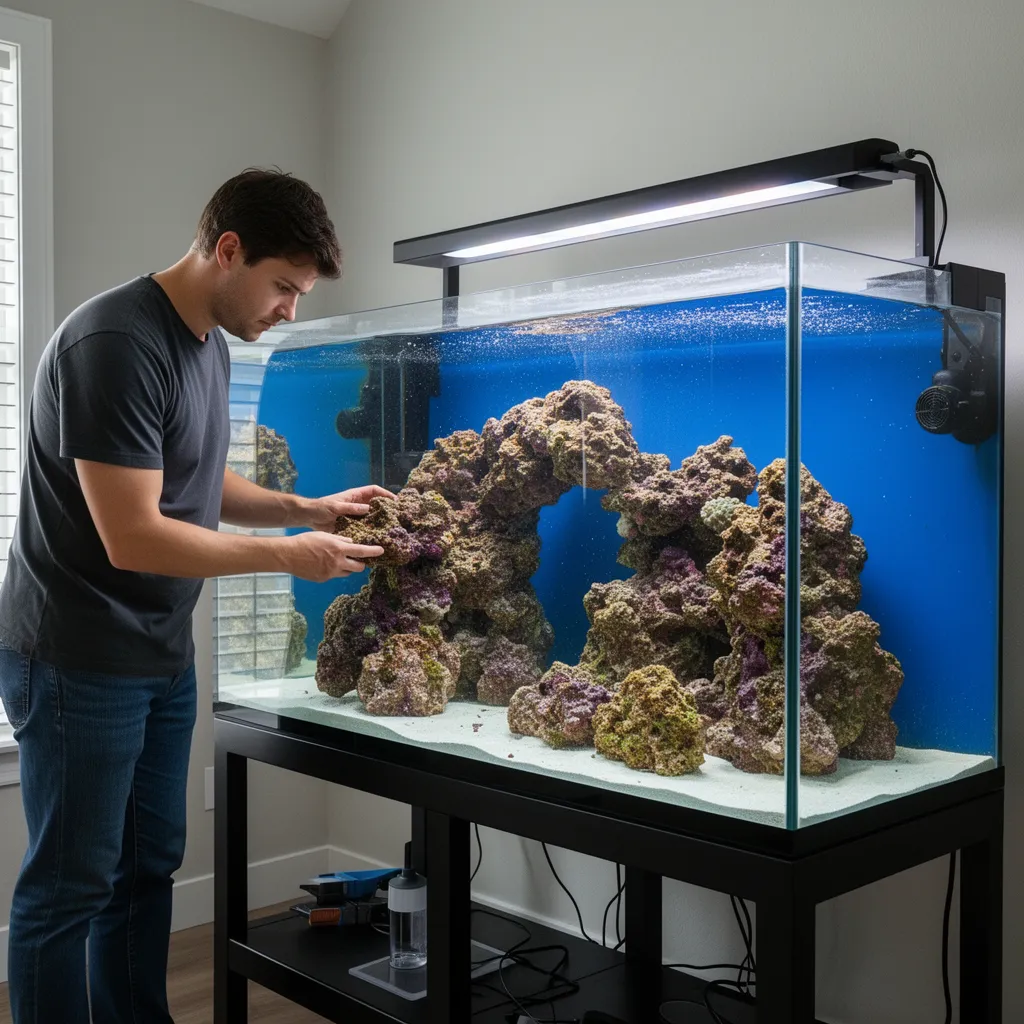
Setting Up A Reef Tank
Setting up a reef tank is easier when you focus on stability, smart equipment, and slow stocking. This…
 By
ByPowerhead Placement for Reef Tanks
Dial in reef tank flow with smart powerhead placement. Learn proven layouts, targets, and troubleshooting for cleaner sand…
[favorite_button]
My Bookmarks:
To see full list click here
[user_favorites user_id="" include_links="true" site_id="" post_types="" include_thumbnails="true" thumbnail_size="thumbnail" include_excerpt="false"]