

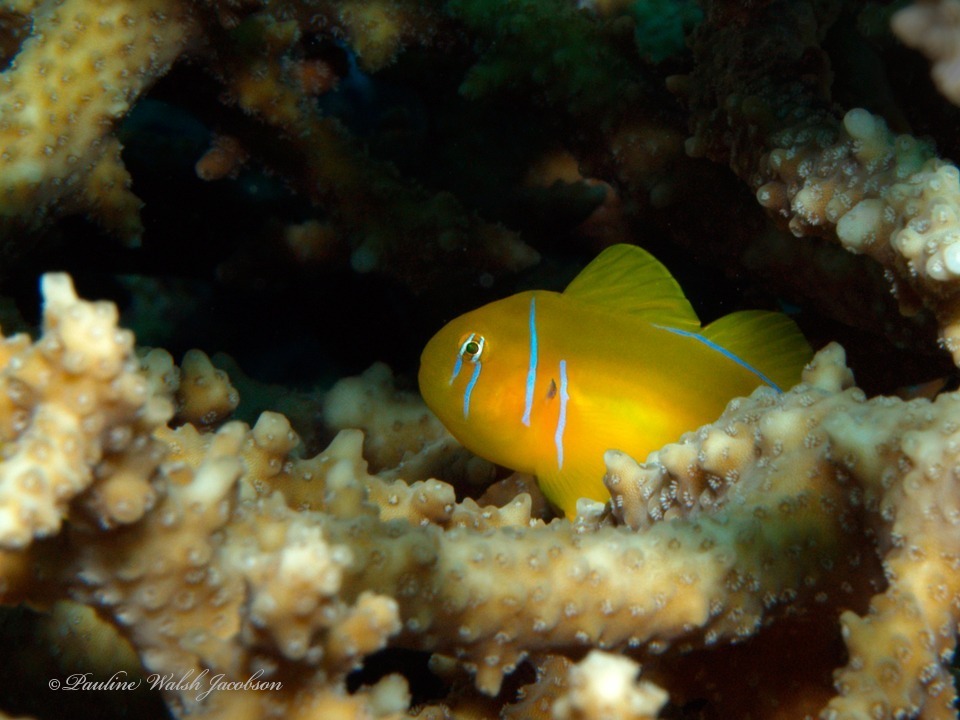
The clown goby, Citrinis, is a tiny coral perch with big personality. It suits many peaceful reef tanks. This species stays small, shows bold behavior, and often becomes a favorite display fish. Success depends on stable water, careful coral placement, and choosing calm tank mates.
Gobiodon citrinus is one of the most charming nano reef fish available. It spends much of its day perched on coral branches, watching the tank around it. Many hobbyists buy one for its size and color. They keep it because of its character. This guide covers natural habitat, tank setup, feeding, compatibility, and common problems. You will also learn how this fish interacts with SPS corals, what it needs to thrive, and how to avoid the mistakes that often cause losses in small reef systems.
Clown Goby Citrinis Quick Reference
| Common name | Clown Goby, Citrinis |
| Scientific name | Gobiodon citrinus |
| Adult size | About 1.5 inches |
| Minimum tank size | 10 gallons, 20 gallons preferred |
| Temperament | Peaceful, territorial toward similar perchers |
| Reef safe | Generally yes, with caution around SPS polyps |
| Diet | Carnivore; small frozen and prepared foods |
| Difficulty | Easy to moderate |
| Ideal temperature | 76–79°F |
| Salinity | 1.025–1.026 |
| Nitrate | Low to moderate, stable |
| Best placement | Branching coral zones and rock perches |
This fish is best kept in stable reef aquariums with plenty of perching spots. It does not need open swimming space like a wrasse or tang. It needs structure, security, and frequent small meals.
Natural Habitat
Gobiodon citrinus occurs across the Indo-Pacific. It is often found among branching corals on shallow reefs. In the wild, these fish live close to shelter. They do not roam far. They rely on coral branches for protection from predators and for a safe resting place.
This habitat explains much of their behavior in aquariums. Clown gobies prefer to perch rather than swim. They choose a home coral or rock ledge and return to it often. They also feel most secure when surrounded by structure. A bare tank can leave them stressed and exposed. In nature, they live among complex reef growth with steady water movement and abundant planktonic food. Replicating that sense of cover is more important than creating large open areas. If you understand where this fish comes from, its care becomes much easier.
Aquarium Setup
A 10-gallon tank can house a single clown goby, Citrinis. A 20-gallon or larger reef is safer. More water volume means better stability. That matters because this fish is small and can decline quickly in tanks with sudden swings.
Build the aquascape with perching spots at different heights. Branching rock work helps. SPS colonies, artificial coral branches, and narrow ledges also work well. Leave enough open space for other fish, but focus on security over open swimming lanes. Use a lid if possible. They are not famous jumpers, but any startled fish can end up on the floor.
Stable reef parameters are essential. Keep salinity steady. Avoid sudden temperature shifts. Maintain alkalinity, calcium, and magnesium in the normal reef range if you keep stony corals. This fish tolerates many reef conditions, but it does not tolerate instability well. Quarantine is strongly recommended. Small gobies can arrive thin, and early observation helps you confirm feeding response before introduction.
Lighting Requirements
The clown goby itself has no demanding lighting requirement. It adapts to low, moderate, or high reef lighting. The real issue is the coral habitat around it. Many hobbyists keep this fish in SPS tanks, where lighting is often strong. The fish usually handles that well as long as it has shaded pockets and branching cover.
If you keep Gobiodon citrinus in a mixed reef, choose lighting based on your corals first. The goby will simply select a comfortable perch. In very bright tanks, make sure there are dimmer zones under ledges or within coral branches. This helps the fish feel secure. It also reduces stress during acclimation. New arrivals often hide for several days. Strong light without shelter can make that worse. Good lighting matters, but this species cares far more about cover than PAR numbers.
Water Flow
Moderate, varied flow works best. In nature, this fish lives on reefs with constant water movement. Still, it does not want to be blasted by a direct powerhead stream. It prefers to perch in protected areas near moving water rather than inside harsh flow.
Create alternating flow around the rock work and coral branches. This keeps oxygen high and detritus low. It also helps food drift past the goby during feeding. If flow is too weak, waste can collect in the fish’s favorite resting zones. If flow is too strong, the goby may hide constantly or avoid prime perches. Watch the fish after adjusting pumps. A comfortable clown goby perches calmly, makes short hops, and resumes normal feeding quickly.
Feeding
Feeding is one of the most important parts of clown goby care. This species has a tiny mouth and a small stomach. It does best with small foods offered often. Feed once or twice daily at minimum. In busy community tanks, target feeding may be necessary.
Good foods include enriched baby brine shrimp, finely chopped mysis, cyclops, calanus, roe, and quality nano pellets. Some specimens accept flakes, but frozen foods usually work better at first. New fish may ignore large particles. Start with very small offerings and observe closely. A healthy goby pecks at food quickly and repeatedly. A thin fish needs prompt action. If tank mates outcompete it, use a turkey baster or feeding pipette near its perch. Variety improves nutrition and helps maintain body weight. For more help with feeding schedules, see reef fish feeding guide. You can also review reef tank water parameters to support appetite and long-term health.
Compatibility
Clown goby, Citrinis, is peaceful with most reef fish. It mixes well with small wrasses, firefish, cardinalfish, clownfish, and other calm community species. Avoid aggressive tank mates. Dottybacks, large hawkfish, and boisterous damsels can stress or injure it. Large predatory fish may view it as food.
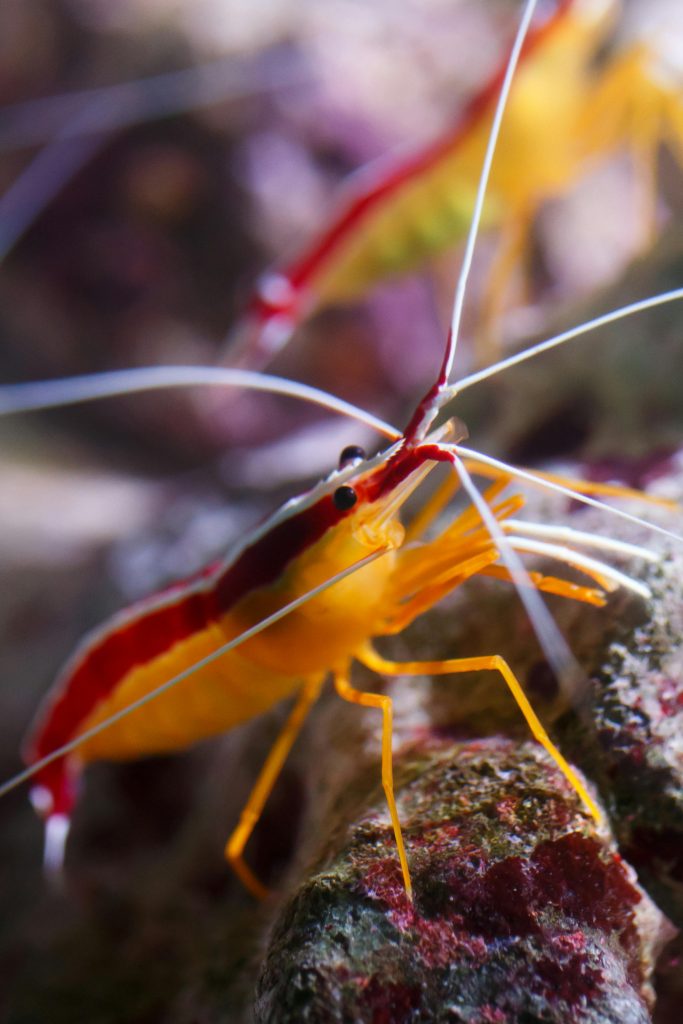
Be careful with similar perchers and other clown gobies. In smaller tanks, territorial disputes can develop. One fish per tank is the safest choice unless the aquarium is larger and carefully planned. With invertebrates, compatibility is usually excellent. Cleaner shrimp, snails, and small reef-safe crabs are rarely an issue.
Coral compatibility needs a more nuanced answer. This fish is generally reef safe, but it may perch on SPS corals often. Some individuals nip polyps or irritate delicate colonies. Acropora and similar branching corals are common targets for perching. In many tanks, the effect is minor. In others, polyp extension decreases. If you keep high-end SPS, monitor the fish closely. Learn more in SPS coral care and mixed reef stocking guide.
Step-by-Step Acclimation Guide
1. Prepare a calm tank area. Dim the lights before introduction. Reduce stress immediately.
2. Match temperature first. Float the bag for 15 to 20 minutes.
3. Acclimate to salinity slowly. Drip acclimation works well for this species.
4. Use a specimen container. Avoid exposing the fish to air if possible.
5. Release near shelter. Place it close to branches or rock ledges.
6. Skip heavy feeding right away. Offer a small meal after it settles.
7. Watch for breathing and posture. Rapid breathing can signal stress or poor acclimation.
8. Confirm feeding within two days. If it refuses food longer, intervene early.
Propagation or Breeding
Clown gobies have been bred in captivity, though they are not beginner breeding fish. Pairs may spawn on hard surfaces near their chosen perch. The male often guards the eggs. In display tanks, spawning can happen without the aquarist realizing it. Raising larvae is the hard part.
Pair Formation
Obtaining a compatible pair can be difficult. These fish may show territorial behavior toward conspecifics. A bonded pair needs space and stable conditions.
Spawning Behavior
Eggs are usually laid on a cleaned surface near the home site. The male guards and fans them. Disturbance can cause clutch loss.
Larval Challenges
The larvae are tiny and require specialized live foods. This stage is beyond casual reef breeding efforts. Most hobbyists focus on keeping adults healthy rather than raising fry.
Common Problems
Why is my clown goby not eating?
The usual causes are shipping stress, oversized food, competition, or poor acclimation. Offer smaller frozen foods. Target feed near its perch. Check salinity and temperature. Make sure aggressive fish are not keeping it pinned down.
Why does it sit still all day?
Perching is normal behavior. Constant hiding is different. If it never comes out, review tank mate aggression, light intensity, and available shelter. New fish often need several days to settle.
Is it harming my SPS coral?
Maybe. Frequent perching can reduce polyp extension. Some fish also nip mucus or tissue. Watch the same colony over time. If damage increases, move the fish or protect sensitive corals.
Why is the fish getting thin?
Weight loss usually means inadequate feeding or internal parasites. Increase feeding frequency. Use enriched foods. Quarantine if needed. A thin goby should not be ignored for long.
Why did it disappear?
These fish are tiny and can hide deeply in rock work. They can also be bullied, jump, or get pulled into overflows. Check covers, filtration intakes, and hidden crevices.
Frequently Asked Questions
Is clown goby Citrinis good for beginners?
Yes, in a stable reef tank. It is easier when tank mates are peaceful and food is offered carefully.
How big does Gobiodon citrinus get?
Most stay around 1.5 inches. Their small size makes them ideal for nano and small reef tanks.
Can a clown goby live in a nano reef?
Yes. It is one of the better nano reef fish choices. Stability matters more than volume alone.
Will it get along with clownfish?
Usually yes, if the clownfish are not overly aggressive. Avoid pairing it with large or territorial clownfish in tiny tanks.
Does it need live coral to survive?
No. Live coral is not required. It does best with branching structure, which can be provided by rock work or coral skeletons.
Final Thoughts
The clown goby, Citrinis, is a rewarding fish for reef keepers who enjoy subtle behavior. It will not dominate a tank visually like a tang or angelfish. Instead, it adds charm through its perching habits and curious nature. Keep it with peaceful tank mates, offer small frequent meals, and provide secure perches. Monitor its effect on SPS corals if you keep delicate colonies. When those basics are covered, Gobiodon citrinus can thrive for years in a well-managed reef aquarium.
Was this helpful?
Related Posts
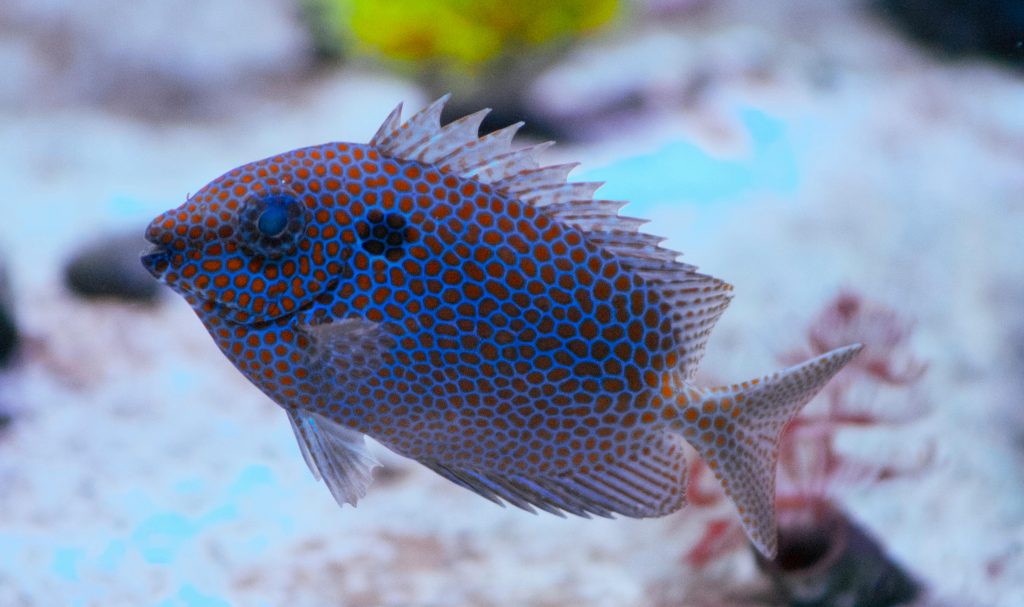
Gold Spotted Rabbitfish (Siganus Punctatus)
Gold Spotted Rabbitfish care includes large tanks, heavy algae feeding, and caution with corals. Learn tank size, diet,…
 By
By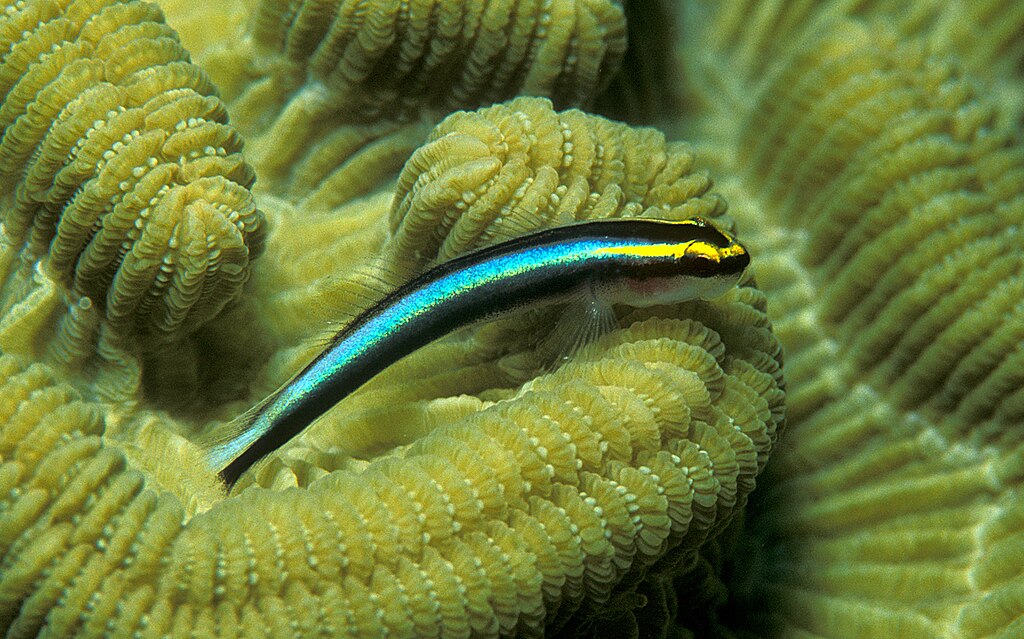
Sharknose Goby (Elacatinus evelynae)
Sharknose Goby care is simple in stable reef tanks. Learn feeding, tank setup, compatibility, and common problems for…
[favorite_button]
My Bookmarks:
To see full list click here
[user_favorites user_id="" include_links="true" site_id="" post_types="" include_thumbnails="true" thumbnail_size="thumbnail" include_excerpt="false"]