

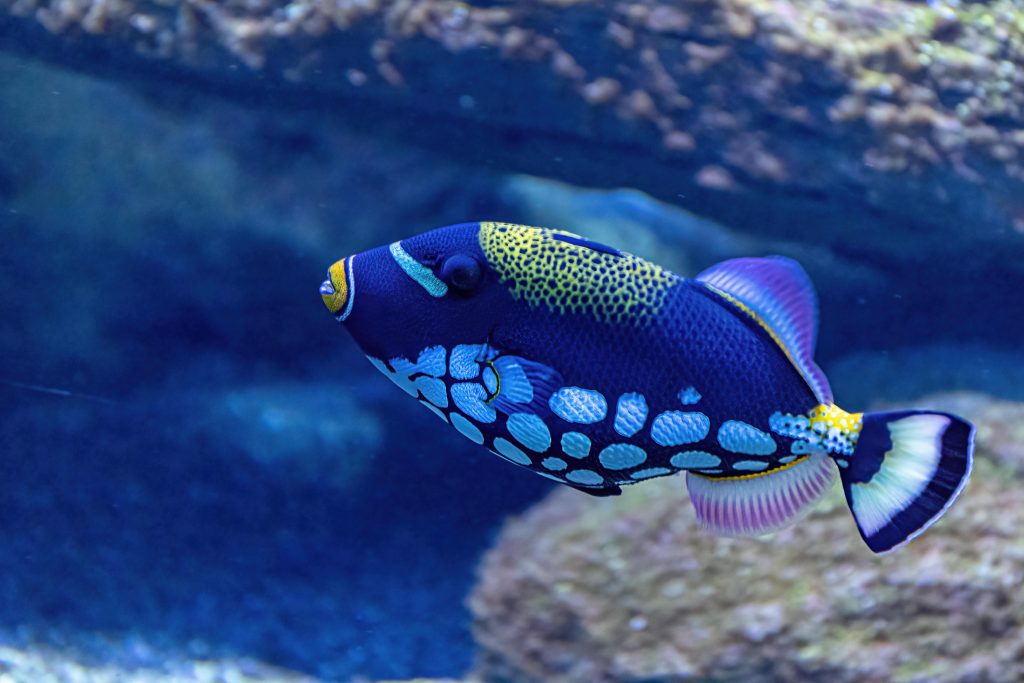
The clown triggerfish is one of the most striking marine fish in the hobby. It is also one of the most challenging. This species grows large, becomes territorial, and often outgrows mixed reef plans. Success depends on tank size, careful stocking, strong filtration, and realistic expectations about aggression.
If you are considering Balistoides conspicillum, this guide will help you decide if it fits your system. You will learn about adult size, behavior, diet, tank setup, compatibility, and common problems. Many hobbyists buy juveniles for their incredible pattern, then struggle later when the fish matures. A clown triggerfish can become a showpiece, but only in the right aquarium and with the right tankmates.
Quick Reference Care Table
| Common name | Clown Triggerfish |
| Scientific name | Balistoides conspicillum |
| Care level | Moderate to advanced |
| Temperament | Aggressive, territorial |
| Adult size | Up to 20 inches |
| Minimum tank size | 300 gallons for adults |
| Diet | Meaty marine foods, shellfish, crustaceans |
| Reef safe | No, with caution at best |
| Ideal temperature | 75–80°F |
| Salinity | 1.023–1.026 |
| pH | 8.1–8.4 |
| Best for | Large aggressive fish-only systems |
The quick answer is simple. Clown triggerfish are not beginner fish. Juveniles can seem manageable for a while. Adults become very powerful and demanding. Plan for the adult fish from day one.
Natural Habitat
Clown triggerfish occur across the Indo-Pacific. They are found from the eastern Indian Ocean to parts of the western Pacific. In nature, juveniles and adults often use different habitats. Small fish stay in protected reef areas. They use crevices and ledges for shelter. Adults move into deeper outer reef zones and lagoon slopes.
This habitat shift explains some aquarium behavior. Juveniles are often shy at first. Adults become bolder and more dominant. In the wild, they feed on hard-shelled invertebrates, sea urchins, crustaceans, and benthic animals. Their teeth and jaw strength are built for crushing prey. That same feeding style creates problems in home aquariums. Snails, crabs, shrimp, and even decorative rock structures can become targets.
Understanding the natural habitat helps with husbandry. This is not an open-water schooling fish. It wants secure caves, strong structure, and room to patrol. It also wants a varied, protein-rich diet. Stable conditions matter, but so does physical space and environmental security.
Size, Lifespan, and Temperament
Juvenile clown triggerfish are often sold at 2 to 4 inches. That size can be misleading. Adults may reach 18 to 20 inches in captivity. Growth can be fast with heavy feeding. A small fish can become a tank boss within a few years. This is why temporary housing rarely works well.
The lifespan can exceed 10 years with proper care. Some specimens live much longer. They are intelligent fish with strong feeding responses and clear recognition of routine. Many learn to associate people with food. That makes them engaging pets, but it also means they become pushy and bold during maintenance.
Temperament is the biggest issue. Juveniles may be shy and peaceful for a time. Adults often become highly aggressive. They may attack tankmates, bite equipment, and claim large sections of the aquarium. Personality varies, but the risk is always high. Never buy this fish expecting it to remain community-safe. It is best viewed as a large aggressive predator with exceptional looks.
Aquarium Setup
A juvenile can start in a large grow-out aquarium, but adults need serious space. A 300-gallon tank is a realistic minimum for long-term care. Larger is better. Footprint matters more than height. This fish needs room to turn, patrol, and establish territory. Narrow tanks create stress and aggression.
Build the aquascape with stable rockwork. Use interlocking structures and secure base rocks well. Triggerfish can move substrate and test weak rock piles. Leave open swimming lanes around the rockwork. Provide at least one large cave and several shaded retreats. A frightened trigger needs a secure place to wedge itself at night.
Use a tight lid. Triggerfish are strong and curious. They can splash, lunge, and disturb unsecured covers. Choose oversized filtration. Heavy feeding creates heavy waste. A powerful protein skimmer is essential. Mechanical filtration should be easy to change often. Strong biological filtration and regular water changes help control nitrate and dissolved organics. For more system planning, see aquarium cycling guide, saltwater aquarium filtration basics, and fish-only saltwater tank setup.
Lighting Requirements
Clown triggerfish do not have specialized lighting needs. They are not coral-dependent fish. Standard fish-only lighting works well. Moderate lighting is often best because it shows their pattern clearly without creating constant stress. Very intense lighting can make shy juveniles more nervous, especially in sparse tanks.
If the fish is housed in a reef-adjacent display, lighting should be chosen for the corals, not the trigger. The fish can adapt to bright reef lighting if the aquascape includes shaded zones. Overhangs and caves help the fish feel secure. A natural day and night cycle is useful. Sudden lighting changes can startle this species.
Use ramping lights if possible. That reduces panic at lights-on and lights-off. A calm fish is less likely to injure itself during sudden starts. Lighting is not the main challenge here. Space, diet, and compatibility matter far more than PAR or spectrum.
Water Flow
Moderate to strong water movement suits clown triggerfish well. In nature, they come from reef environments with steady circulation. Good flow improves oxygenation and keeps waste suspended for filtration. That matters in predator tanks, where feeding loads are high.
Avoid creating one harsh jet that blasts the fish constantly. Instead, aim for broad, turbulent flow. Use multiple pumps or returns to eliminate dead spots behind rockwork. This helps prevent debris buildup and nutrient spikes. It also supports better gas exchange, especially in large tanks with heavy-bodied fish.
Watch the fish’s behavior. If it avoids one side of the tank, flow may be too direct there. If debris settles everywhere, flow is too weak. Triggerfish are strong swimmers, but they still need calm resting zones. Build a system with both active circulation and sheltered areas.
Feeding
Feeding a clown triggerfish is straightforward, but balance matters. This species needs a varied meaty diet. Offer marine-based foods such as shrimp, clam, squid, krill, mussel, scallop, and high-quality frozen carnivore blends. Whole shell-on items are useful at times. They help wear down the teeth naturally.
Feed juveniles once or twice daily in small portions. Feed adults once daily or five to six times per week, depending on body condition. Avoid overfeeding. These fish beg aggressively and seem hungry all the time. Excess food quickly degrades water quality. Remove uneaten pieces after meals.
Do not rely on feeder fish. They offer poor nutrition and increase disease risk. Rotate foods for better nutrition and stronger coloration. Vitamin soaking can help fish under stress or during recovery. A healthy clown triggerfish should have a thick body, clear eyes, and strong feeding response. For nutrition basics, see marine fish feeding guide.
Compatibility
Compatibility is where most hobbyists run into trouble. Clown triggerfish are not reef safe in the usual sense. They may ignore corals for a while, but they often attack mobile invertebrates. Shrimp, crabs, snails, and urchins are all at risk. Some individuals also nip coral tissue or topple frags while exploring.
Fish compatibility is also limited. Suitable tankmates are usually large, robust species that can handle assertive behavior. Large tangs, some angelfish, groupers, and other durable predators may work in very large systems. Even then, there are no guarantees. Avoid small fish, timid fish, and slow feeders. They will be stressed, bullied, or eaten.
Adding order matters. The clown triggerfish often does best when added last. This can reduce early territorial dominance. Still, maturity often changes everything. A peaceful juvenile may become intolerant later. Always have a backup plan. Dividers, rehoming options, and extra holding space are wise when keeping this species.
Step-by-Step Guide to Keeping a Clown Triggerfish
- Choose a tank sized for the adult fish, not the juvenile.
- Build secure rockwork with caves and open swimming space.
- Install oversized filtration and a strong protein skimmer.
- Cycle the aquarium fully before adding any triggerfish.
- Quarantine the fish for observation and disease prevention.
- Start with a varied frozen and fresh marine diet.
- Add the trigger after more peaceful large tankmates.
- Monitor aggression as the fish grows and matures.
- Perform regular water changes and clean filters often.
- Keep a contingency plan for separation or rehoming.
These steps sound simple, but they prevent most long-term failures. The biggest mistake is buying first and planning later. This fish needs a permanent system, not a temporary idea.
Common Problems
Why is my clown triggerfish suddenly aggressive?
This is often normal maturation. Many juveniles are calm at first. Aggression rises with size, confidence, and territory. Crowding makes it worse. Rearranging rockwork may help briefly. Adding more space helps more. In many cases, tankmate changes are the only real solution.
Why is it not eating?
New imports often hide and refuse food for several days. Stress, poor acclimation, parasites, and bullying are common causes. Offer small meaty foods with strong scent. Try clam or shrimp. Check ammonia and oxygen levels. If the fish breathes heavily or shows spots, move into diagnosis mode quickly.
Why is it biting heaters, cords, or rock?
Triggers explore with their mouths. They also test surfaces while feeding. Protect equipment where possible. Use guards on heaters and secure cables. Provide hard foods with shells to satisfy natural chewing behavior. Boredom and hunger can increase destructive behavior.
Why are nitrates always high?
Predator tanks produce heavy waste. Large meals, weak skimming, and trapped detritus are common causes. Feed smaller portions. Improve mechanical filtration maintenance. Increase water changes. Add more biological capacity if needed. Review your export methods before adding more fish.
Propagation or Breeding
Clown triggerfish are not realistically bred by home aquarists at this time. Spawning behavior in the wild involves territory, courtship, and nest guarding. These conditions are difficult to reproduce in private systems. Commercial aquaculture for this species remains extremely limited compared with common clownfish or dottybacks.
Because captive breeding is not a practical path for most hobbyists, the focus should stay on responsible acquisition and long-term care. Buy from reputable vendors. Choose a fish that is alert, feeding, and free of visible damage. Avoid very thin specimens or fish with cloudy eyes and frayed fins.
Frequently Asked Questions
Is a clown triggerfish reef safe?
No, not in the usual sense. It may leave some corals alone, but invertebrates are at high risk.
How big does a clown triggerfish get?
Adults can reach around 20 inches. Many become very thick-bodied and need large tanks.
What is the minimum tank size?
A realistic adult minimum is 300 gallons. Larger systems are strongly recommended.
Can it live with tangs or angelfish?
Sometimes, in very large tanks with careful stocking. Success depends on individual temperament.
Is this a good beginner fish?
No. It is better for experienced keepers with large aggressive marine systems.
Final Thoughts
The clown triggerfish is unforgettable. Its juvenile pattern is iconic. Its adult presence is even more impressive. Still, beauty alone does not make it suitable for most aquariums. This species needs space, structure, heavy filtration, and compatible tankmates that can handle pressure. It also needs an owner willing to adapt as the fish matures.
If you want a centerpiece predator for a large fish-only display, Balistoides conspicillum can be spectacular. If you want a peaceful reef community, choose another species. Honest planning is the key to success. The best clown triggerfish tanks are built around the fish, not forced to fit it later.
Was this helpful?
Related Posts
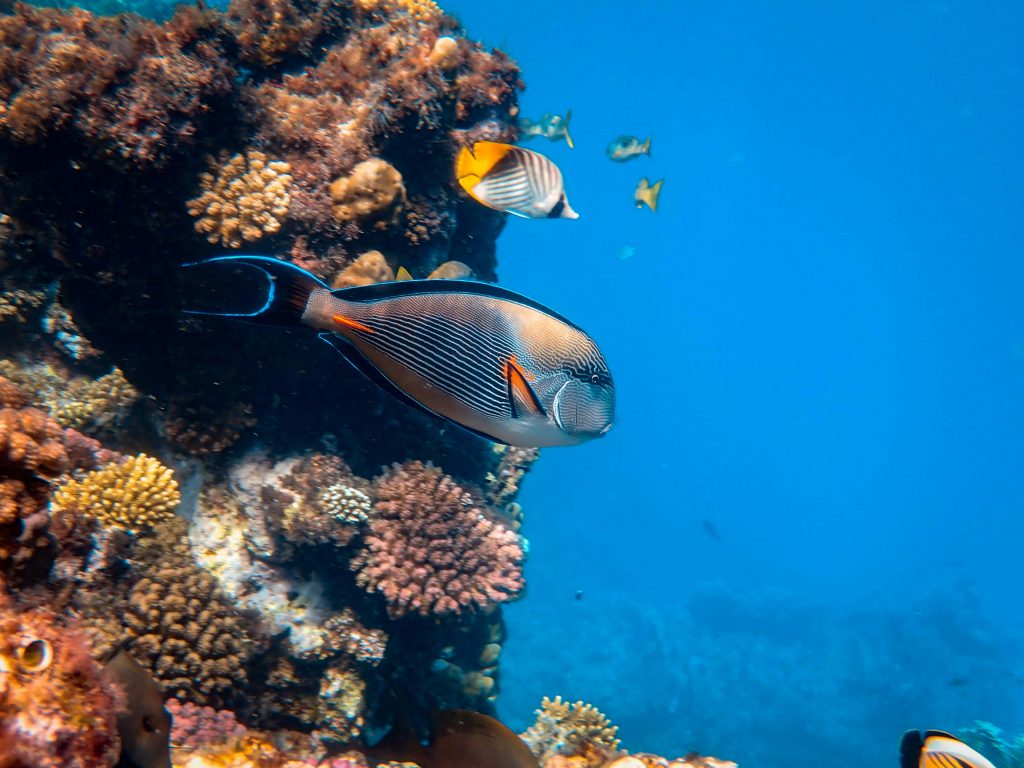
Sohal Tang (Acanthurus Sohal)
Sohal Tang care centers on space, heavy feeding, and aggression control. Learn tank size, diet, compatibility, and common…
 By
By
Reef Safe Fish Guide
Learn which reef safe fish work best in coral tanks, plus species to avoid, compatibility tips, and beginner-friendly…
[favorite_button]
My Bookmarks:
To see full list click here
[user_favorites user_id="" include_links="true" site_id="" post_types="" include_thumbnails="true" thumbnail_size="thumbnail" include_excerpt="false"]