Why Copepods Belong in Every Saltwater Aquarium
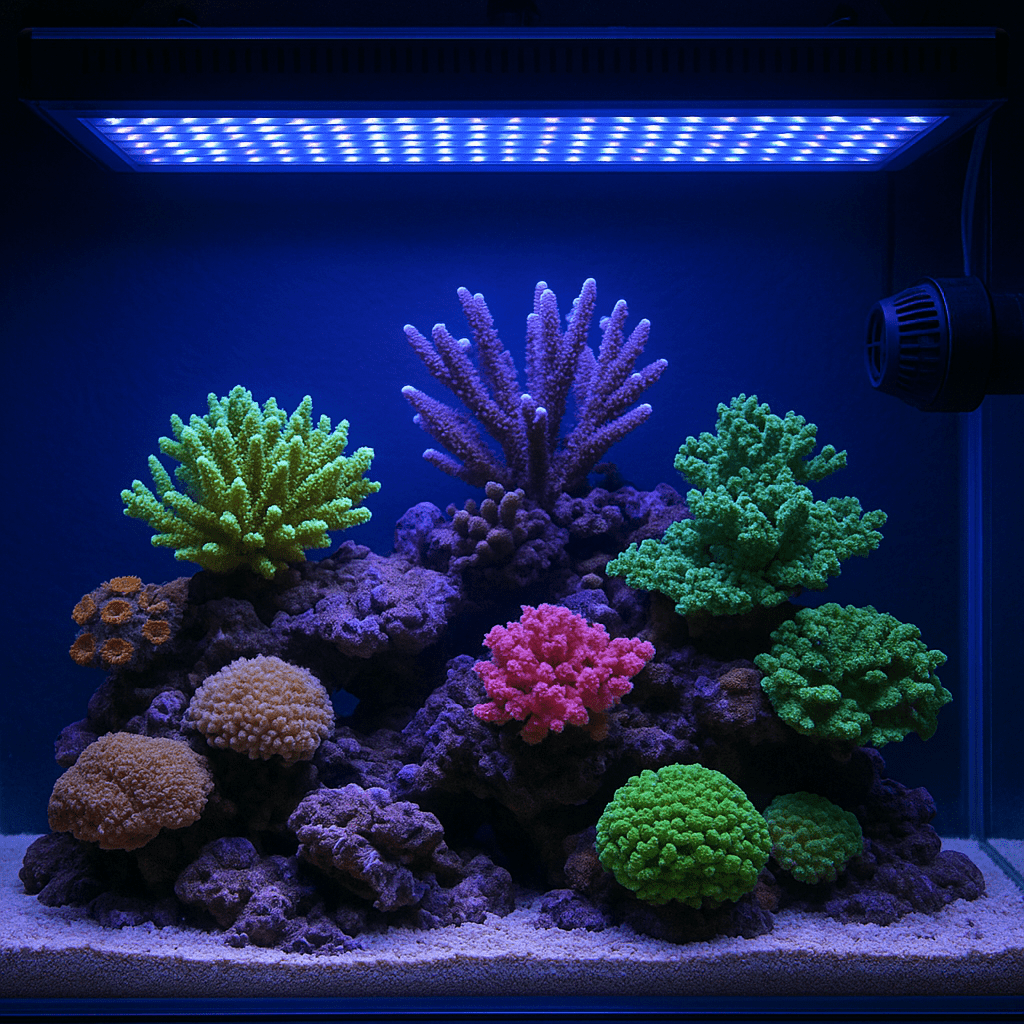
Copepods are tiny crustaceans that play a huge role in the health and stability of saltwater aquariums. Whether you keep a reef tank or a fish-only system, adding copepods can boost biodiversity, improve water quality, and provide a natural food source for many popular fish and invertebrates.
In many ways, a thriving pod population is a sign of a mature, well-balanced marine tank. If you’ve ever struggled to keep finicky eaters like mandarins or pipefish healthy, copepods might be the missing piece in your aquarium setup.
Benefits of Copepods in a Reef Tank
Copepods are more than just fish food. They actively contribute to the overall health of your system in several ways:
- Natural live food: Many fish species, such as mandarin dragonets, scooter blennies, wrasses, and pipefish, graze on copepods throughout the day. Pods provide continuous, nutritionally rich live food that frozen foods can’t fully replace.
- Clean-up crew helpers: Copepods feed on film algae, detritus, and leftover food, helping to keep rockwork and substrate cleaner and reducing the buildup of organic waste.
- Micro-biodiversity: A robust pod population supports a more stable micro-ecosystem, which can make your tank more resilient to minor swings in nutrients or bioload.
If you’re planning to keep a mandarin or other obligate pod-eater, be sure to keep an eye on your pod population to match your fish’s needs.
How to Add and Maintain Copepods
Seeding Your Tank with Copepods
Most hobbyists introduce copepods by purchasing a live culture and adding it directly to the display tank or refugium. For best results:
- Turn off mechanical filtration (filter socks, roller mats, strong skimmers) for 30–60 minutes so pods aren’t immediately removed.
- Add pods at lights out to give them time to find hiding places in the rock and substrate before fish start hunting.
- Target the rockwork and refugium where pods can reproduce safely with plenty of surface area.
If you’re still building out your system, check out our article on starting a saltwater aquarium to plan a pod-friendly setup from day one.
Creating a Pod-Friendly Environment
Once introduced, copepods will reproduce on their own if conditions are right. You can encourage a thriving population with a few simple practices:
- Use a refugium: A refugium with live rock, macroalgae (like chaeto), and gentle flow gives copepods a safe breeding ground away from hungry fish.
- Provide hiding spots: Porous live rock, rubble zones, and coarse substrate increase surface area for pods to live and reproduce.
- Feed phytoplankton: Dosing live or preserved phytoplankton a few times per week can boost pod reproduction and overall biodiversity.
- Avoid over-cleaning: Constantly scrubbing every surface and overusing filter socks can strip your system of the microfauna pods rely on.
For tanks with heavy pod-eating fish, you may want to dose pods regularly, similar to how you’d dose beneficial bacteria. Our overview of live foods for saltwater fish can help you decide how copepods fit into your overall feeding strategy.
Final Thoughts: Copepods as a Foundation of a Healthy Reef
Copepods might be tiny, but their impact on a saltwater aquarium is enormous. They support picky feeders, help clean up detritus, and add valuable stability to your system’s micro-ecosystem. By seeding your tank, providing a safe place for pods to reproduce, and occasionally supplementing with phytoplankton or additional cultures, you can maintain a strong, self-sustaining pod population.
If your goal is a thriving, natural-looking reef with healthy, active fish, prioritizing copepods is one of the smartest moves you can make.
Sources
- Calado, R. (2008). Marine Ornamental Species Aquaculture. Wiley-Blackwell.
- Rhyne, A. L., Tlusty, M. F., & Kaufman, L. (2012). Long-term trends of coral reef ornamental invertebrate fisheries: the case of Florida, USA. ICES Journal of Marine Science.
- Fossa, S. A., & Nilsen, A. J. (2002). The Modern Coral Reef Aquarium, Vol. 1–4. Birgit Schmettkamp Verlag.
Was this helpful?
Related Posts
Protein Skimmer Reef Tank Guide
Learn how a protein skimmer works, how to size one, and how to tune it for a cleaner,…
 By
By
Reef Aquarium Water Parameters
Learn the ideal reef aquarium water parameters, safe ranges, and how to keep salinity, alkalinity, nutrients, and pH…