Coral placement and lighting can make or break a reef tank. Good choices improve growth, color, and long-term stability. Bad choices cause bleaching, browning, and slow tissue loss.
Match coral types to light zones
Start by mapping your tank into high, medium, and low light areas. Light drops fast with depth, rock shadows, and dirty lenses. A coral that thrives at the top may fade on the sand bed.
Use PAR targets as your guide. Many soft corals do well at 50–120 PAR. Most LPS prefer 80–180 PAR. Many SPS thrive at 200–350 PAR, once acclimated. Some acropora can handle 400 PAR, but only with stable nutrients.
Place new frags in the “middle” first. Keep them there for 7–14 days. Then move them up or down in small steps. This reduces light shock and helps you read their response.
Flow and spacing matter as much as PAR. Strong random flow supports SPS and prevents detritus buildup. LPS often prefer moderate, indirect flow. Leave 3–6 inches around sweepers like euphyllia and galaxea. For more setup basics, see reef tank lighting basics.
- High light zone: upper rockwork for SPS, clams, some montipora.
- Medium light zone: mid rockwork for most LPS and hardy SPS.
- Low light zone: shaded ledges for mushrooms, zoanthids, some leathers.
Set your lighting schedule and spectrum
Pick a simple schedule and keep it steady. Aim for an 8–10 hour peak photoperiod. Add 1–2 hour ramps for sunrise and sunset. Long peak periods often fuel algae without helping corals.
Spectrum affects both coral health and your viewing. Blue-heavy light supports photosynthesis and fluorescence. Keep white channels moderate to limit nuisance algae. Many reefers run 70–100% blue and 10–30% white, depending on the fixture.
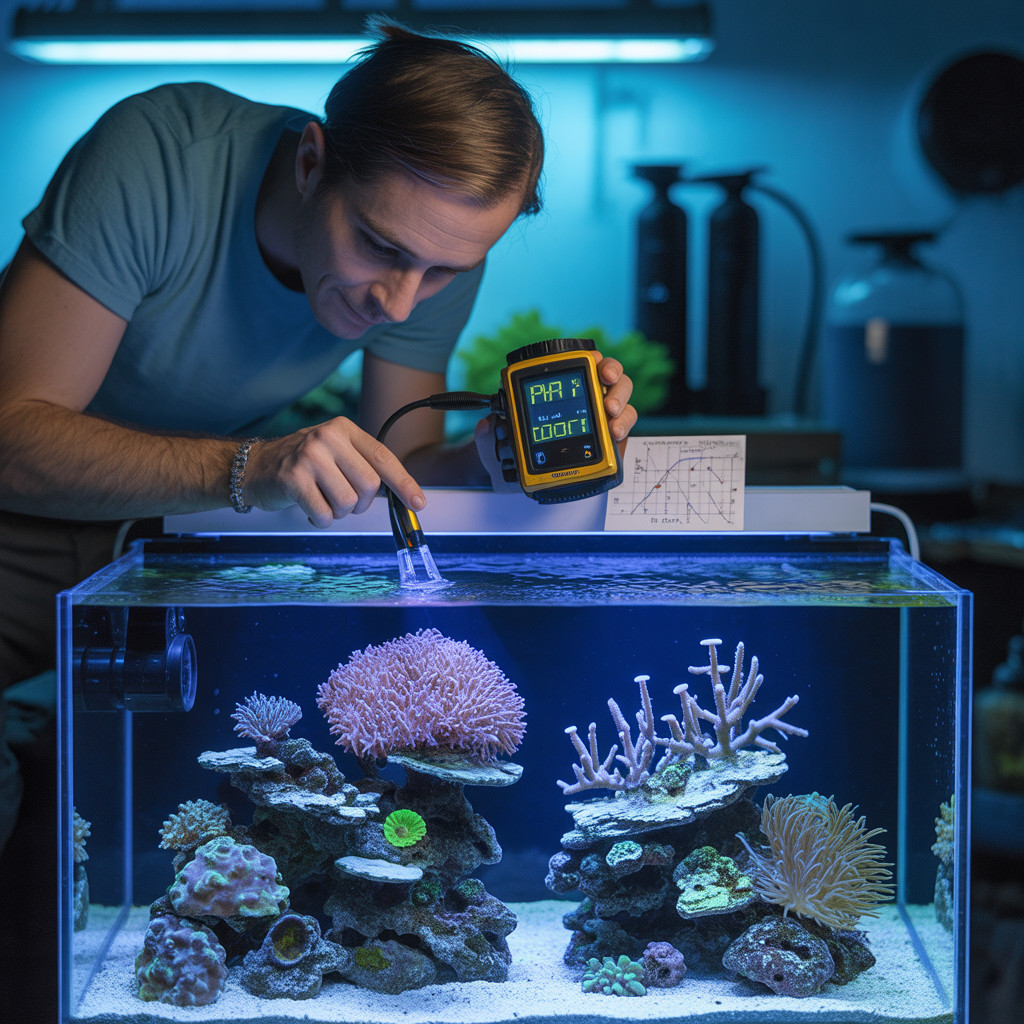
Measure, then adjust. A PAR meter is best, but you can still tune by observation. Good signs include polyp extension, steady growth tips, and stable color. Bad signs include sudden paling, closed polyps, and tissue recession near the base.
Use nutrient levels to balance strong light. With higher PAR, keep nitrate around 5–15 ppm and phosphate 0.03–0.10 ppm. Ultra-low nutrients plus high PAR often causes pale SPS. For parameter targets, review reef water parameters.
- Start new lights at 40–60% intensity for mixed reefs.
- Increase intensity by 5% per week, if corals look stable.
- Clean lenses and splash guards every 2–4 weeks.
- Replace old T5 bulbs at 9–12 months, if you use them.
Acclimation, troubleshooting, and common mistakes
Light acclimation should be slow and planned. Use a frag rack at mid depth for the first week. You can also use a reduced intensity mode for 10–14 days. Moving a coral up 2–3 inches per week is often enough.
Watch for bleaching within 24–72 hours after changes. Bleaching means too much light, too fast, or both. Reduce intensity by 10–20% and shorten the peak by one hour. Add shade with a small overhang if needed.
Browning is different and often points to low light or high nutrients. Check nitrate and phosphate first. Then confirm PAR at the coral’s spot. If PAR is low, move the coral up one zone and wait two weeks.
Many problems come from unstable placement. Corals hate frequent moves. They also hate being blasted by a powerhead. Secure frags with gel and a small rock chip. Plan for growth so colonies do not shade each other. For safer introductions, read coral quarantine and dipping.
- Mistake: chasing color daily. Fix: make one change, then wait 14 days.
- Mistake: high PAR with zero nutrients. Fix: feed more or reduce light.
- Mistake: ignoring shadows. Fix: rotate colonies or add fill lighting.
Coral placement and lighting work best as a system. Use PAR zones, stable schedules, and slow acclimation. When you combine that with steady nutrients, your reef will reward you with growth and color.
Sources: Dana Riddle, “Lighting the Reef Aquarium” (articles); Julian Sprung, The Reef Aquarium series; Sanjay Joshi, reef lighting measurement presentations.
Was this helpful?
Related Posts
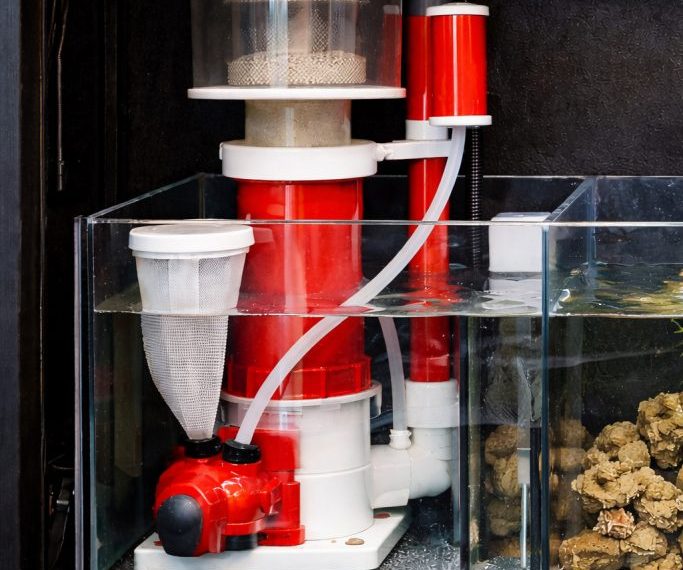
Protein Skimmer Reef Tank Guide
Learn how a protein skimmer works, how to size one, and how to tune it for a cleaner,…
 By
By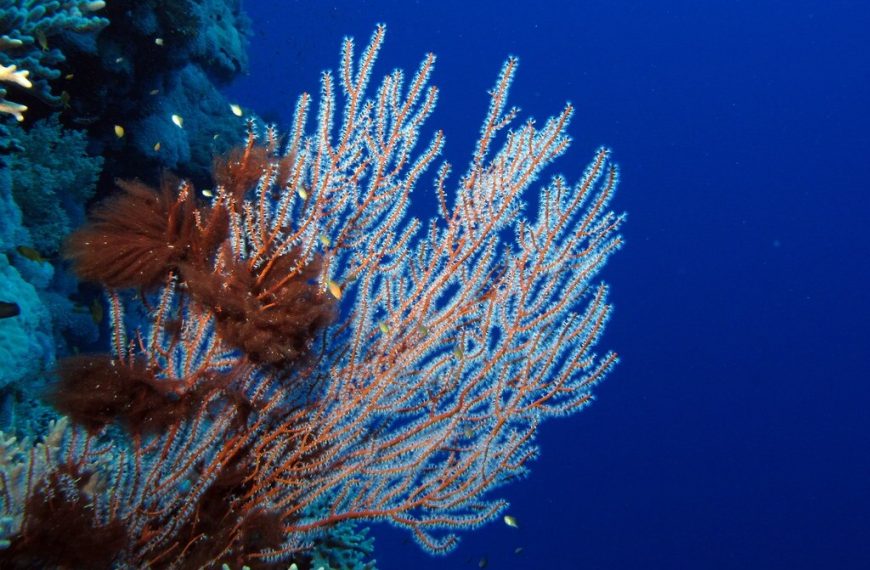
Reef Aquarium Water Parameters
Learn the ideal reef aquarium water parameters, safe ranges, and how to keep salinity, alkalinity, nutrients, and pH…