


Reef safe fish add movement, color, and personality without damaging corals or harassing invertebrates. The best choices stay peaceful, adapt well to aquarium life, and fit your tank size, feeding routine, and long-term stocking plan.
Choosing reef safe fish sounds simple, but many species come with caveats. Some ignore corals but bully tank mates. Others behave well when small, then become aggressive or start picking at shrimp, clams, or polyps. This guide covers the best reef safe fish for beginners and intermediate hobbyists. You will learn which species are the safest bets, how to match them to your aquarium, and how to avoid common stocking mistakes. I will also explain compatibility, feeding, and setup tips that help these fish thrive in a mixed reef.
Quick Reference Table
| Fish | Reef Safe | Temperament | Minimum Tank | Notes |
|---|---|---|---|---|
| Ocellaris Clownfish | Yes | Peaceful to semi-aggressive | 20 gallons | Great beginner fish. Can become territorial near a host. |
| Banggai Cardinalfish | Yes | Peaceful | 30 gallons | Easy to feed. Best singly or bonded pair. |
| Firefish Goby | Yes | Peaceful | 20 gallons | Needs a tight lid. Jumps when startled. |
| Yellow Watchman Goby | Yes | Peaceful | 20 gallons | Excellent sand perch. May pair with pistol shrimp. |
| Royal Gramma | Yes | Peaceful to semi-aggressive | 30 gallons | Bright color. Defends caves but usually reef safe. |
| Tailspot Blenny | Yes | Peaceful | 20 gallons | Useful algae grazer. Lots of personality. |
| Midas Blenny | Generally yes | Semi-aggressive | 30 gallons | Active swimmer. Best with peaceful but confident fish. |
| Yellow Coris Wrasse | Generally yes | Peaceful | 50 gallons | Helps with pests. Needs sand bed for sleeping. |
| Melanurus Wrasse | Generally yes | Semi-aggressive | 55 gallons | Great hunter of pests. May eat tiny crustaceans. |
| Kole Tang | Yes | Semi-aggressive | 70 gallons | Excellent film algae grazer. Needs swimming room. |
What Reef Safe Fish Really Means
Reef safe does not always mean harmless in every situation. In most cases, it means the fish will not eat corals. It also suggests the fish will usually ignore common invertebrates. That includes snails, hermit crabs, cleaner shrimp, and small starfish. Still, behavior can vary by individual fish.
A fish may be coral safe but not invert safe. Some wrasses, for example, leave corals alone but hunt tiny shrimp. Other fish may be peaceful with corals but aggressive toward new tank mates. This is why stocking decisions should consider more than one label.
The safest reef fish are hardy, predictable, and easy to feed. They also fit the tank’s space and social structure. A peaceful goby may be perfect in a nano reef. A tang may be reef safe too, but only in a larger aquarium with stable water quality and open swimming room.
Best Reef Safe Fish for Most Aquariums
Clownfish remain one of the best reef safe choices. Ocellaris and percula clownfish are hardy and widely available. They accept prepared foods quickly. They also do well in smaller reef tanks. Keep a single fish or a bonded pair. Mature pairs may defend a small area, especially near an anemone or coral host.
Gobies are another top group. Firefish, watchman gobies, and clown gobies work in many reef tanks. Firefish are peaceful and colorful, but they jump. Watchman gobies are excellent bottom dwellers. They also add interesting behavior, especially when paired with pistol shrimp. Tailspot blennies are ideal for nano and midsize reefs. They graze microalgae and usually leave corals alone.
Royal grammas and Banggai cardinalfish are also excellent. Both are hardy and attractive. Royal grammas prefer caves and shaded rockwork. Banggai cardinals hover calmly in open water. They fit well in peaceful community reefs. These fish are reliable choices for hobbyists who want color without major risk.
Best Reef Safe Fish for Pest Control and Utility
Some reef safe fish do more than look good. They also help with common aquarium issues. Tailspot blennies and kole tangs graze algae. They will not solve a nutrient problem alone, but they can reduce film algae and soft growth on rock.
Wrasses are especially useful. Yellow coris wrasses and melanurus wrasses often hunt flatworms, small snails, and nuisance pests. They are popular in mixed reefs for that reason. However, they are not perfect for every tank. Some may eat feather dusters, tiny shrimp, or very small ornamental crustaceans.
Cleaner gobies can also serve a practical role. They may pick parasites and dead tissue from tank mates. Their small size makes them suitable for smaller reefs. Still, do not rely on cleaner species as a substitute for quarantine. Good husbandry matters more than any utility fish. If you want natural pest support, choose species that match your livestock first.
How to Choose the Right Reef Safe Fish
Start with tank size. This is the filter that removes most bad choices. Small gobies, blennies, and clownfish fit nano reefs. Wrasses and tangs need much more room. Never buy a juvenile fish based only on its current size. Check adult length, swimming style, and territory needs.
Next, consider temperament. Peaceful fish should go in before semi-aggressive species. Firefish, cardinals, and small gobies can be intimidated easily. Add them early. More assertive fish, like dottyback alternatives or larger wrasses, should come later.
Finally, think about your invertebrates and corals. If you keep cleaner shrimp, avoid fish known to hunt crustaceans. If you keep fleshy LPS corals, avoid fish that may nip when underfed. A reef safe list is useful, but your exact livestock matters. Smart stocking creates a calmer tank and reduces losses later.
Aquarium Setup for Reef Safe Fish
Most reef safe fish need stable water more than anything else. Aim for salinity around 1.025, temperature between 76 and 78 degrees, and low ammonia and nitrite at all times. Nitrate and phosphate should stay in a reasonable range. Extreme nutrient swings stress fish and corals alike.
Build aquascape with purpose. Use caves, arches, and overhangs. Shy fish need places to retreat. Royal grammas, gobies, and blennies all use rock structure differently. Open water is also important. Tangs and active wrasses need room to swim. Avoid stacking rock too tightly against the glass.
Use a lid on almost every reef tank. Firefish, wrasses, and many gobies are excellent jumpers. A tight mesh screen prevents losses. Also maintain strong oxygen exchange and good flow. Reef fish do best in clean, well-circulated water. For help planning a stable system, see reef tank setup and reef tank parameters.
Feeding Reef Safe Fish
Most reef safe fish are easy to feed if you offer variety. Use a mix of frozen mysis, brine, quality pellets, and flake foods. Herbivores need algae sheets or plant-based foods daily. Tangs and many blennies benefit from frequent grazing options.
Feed small portions once or twice daily. Very small fish may do better with several light feedings. Watch each fish during meals. A fish that hangs back may be bullied. A fish that spits food may need a smaller particle size. New arrivals often accept frozen food before dry food.
Underfeeding causes many reef safe fish to become risky. Hungry fish are more likely to peck at coral mucus, clam mantles, or ornamental invertebrates. Well-fed fish behave more predictably. Rinse frozen food when needed and avoid overfeeding. Excess nutrients lead to algae issues and declining water quality.
Compatibility in a Mixed Reef
Compatibility depends on space, order of introduction, and species mix. Clownfish usually coexist well with gobies, blennies, cardinalfish, and grammas. Tangs often do best as the last major fish added. Wrasses vary by species, so research each one carefully.
Avoid combining fish with the same body shape and niche in small tanks. Two similar blennies may fight. Two firefish often fail unless they are a bonded pair. Multiple tangs need large systems and careful planning. Even peaceful reef safe fish can become territorial in cramped aquariums.
Coral compatibility is usually excellent with the species listed here. Invertebrate compatibility needs more caution. Wrasses may eat tiny ornamental shrimp. Larger clownfish may harass passive fish near their host coral. If you want a calm community, stock lightly and provide many hiding places. You can also review best reef fish for beginners and reef safe clean up crew for planning help.
Step-by-Step Stocking Plan
First, choose fish that match your final tank size. Write down adult size and behavior. This prevents impulse buys. Second, quarantine every new fish when possible. Quarantine protects your display from ich, velvet, and bacterial infections.
Third, add the most peaceful fish first. Firefish, gobies, and cardinalfish should settle in before bolder species. Fourth, add semi-aggressive fish later. That includes some wrasses, mature clown pairs, and tangs. Fifth, observe feeding and territory for at least two weeks before adding more fish.
Finally, stop before the tank feels full. Many reef tanks fail from overstocking, not understocking. More fish means more waste, more aggression, and less margin for error. A lightly stocked reef is easier to maintain and often looks better. If disease prevention is new to you, read quarantine reef fish.
Common Problems
Why is my reef safe fish nipping coral?
The most common cause is hunger or stress. Increase feeding variety first. Check for aggression from tank mates. Also test water quality. Some fish peck at coral mucus when they feel insecure or underfed. If the behavior continues, the fish may simply be an exception.
Why are my peaceful fish hiding all day?
Shy fish hide in bright, exposed tanks. Add caves and overhangs. Reduce aggression from dominant fish. Check flow too. Some species dislike very intense direct flow. New fish may also need several days to settle in.
Why did my fish jump?
Jumping usually follows stress, chasing, or sudden light changes. Firefish and wrasses are especially prone to this. Use a secure mesh lid. Introduce fish carefully and dim lights after adding new arrivals.
Why is aggression increasing over time?
Fish become bolder as they mature. A peaceful juvenile may claim territory later. Rearranging rockwork can help in some cases. In smaller tanks, removal is sometimes the only fix. Always plan for adult behavior, not just juvenile behavior.
Frequently Asked Questions
What is the best reef safe fish for beginners?
Ocellaris clownfish are usually the best starting point. They are hardy, easy to feed, and widely available. Firefish and watchman gobies are also strong beginner choices.
Are all wrasses reef safe?
No. Many wrasses are coral safe, but some will eat shrimp, snails, or tiny crustaceans. Always research the exact species before buying.
Can reef safe fish live in a nano tank?
Yes, many can. Small clownfish, gobies, and tailspot blennies do well in nano reefs. Avoid tangs and larger active wrasses in small systems.
Do reef safe fish need special food?
Not usually. Most thrive on varied frozen and dry foods. Herbivores need algae-based foods often. Variety is more important than expensive specialty diets.
What reef safe fish should I avoid as a beginner?
Avoid fish with unclear diets, very large adult sizes, or known aggression issues. Delicate mandarins, large tangs, and risky “with caution” species are poor first choices.
Final Thoughts
The best reef safe fish are not just colorful. They are also predictable, hardy, and suited to your aquarium. Clownfish, gobies, blennies, cardinalfish, grammas, and selected wrasses cover most reef tanks well. Build your stocking list around tank size, temperament, and feeding needs. Then add fish slowly and watch behavior closely. That patient approach creates a healthier reef and saves money, stress, and livestock in the long run.
Was this helpful?
Related Posts
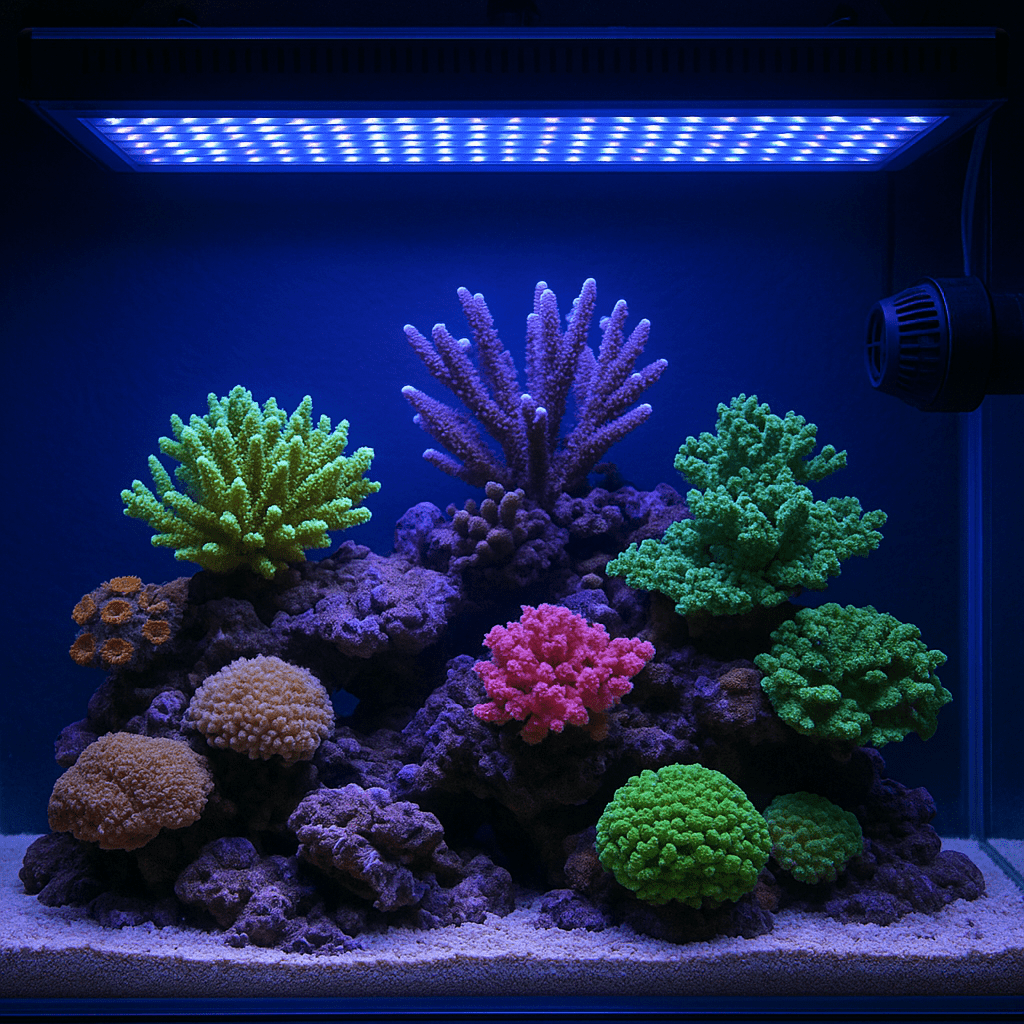
Best Filtration Systems
Best Filtration Systems for a Healthy Saltwater Aquarium Choosing the best filtration system for your saltwater aquarium is…
 By
By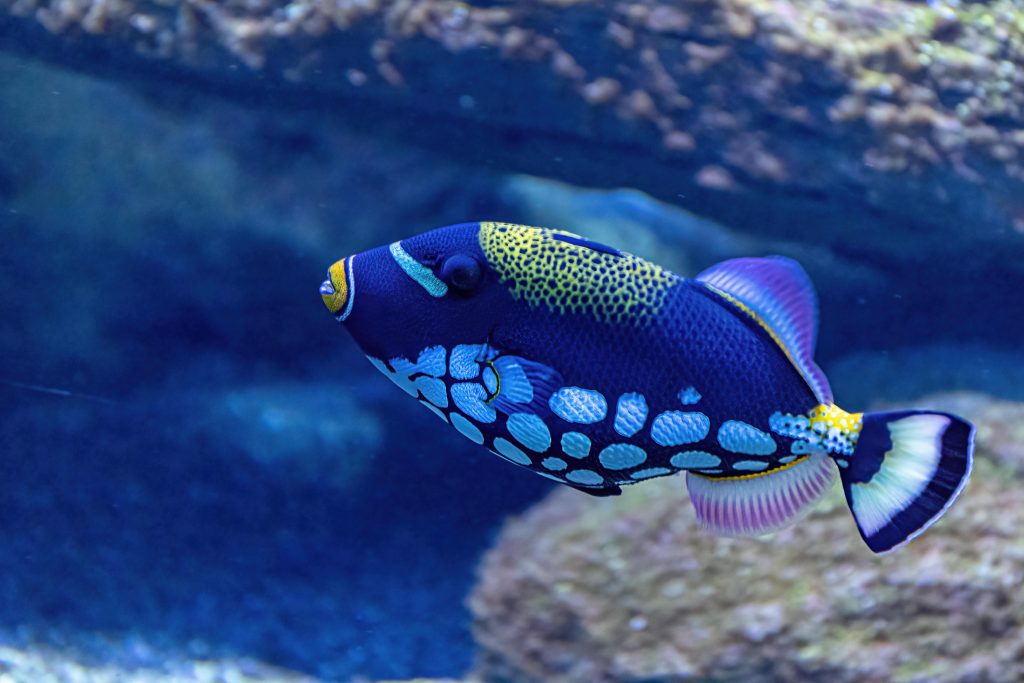
Clown Triggerfish (Balistoides Conspicillum)
Clown triggerfish are stunning but aggressive marine fish that need very large tanks, strong filtration, and careful tankmate…
[favorite_button]
My Bookmarks:
To see full list click here
[user_favorites user_id="" include_links="true" site_id="" post_types="" include_thumbnails="true" thumbnail_size="thumbnail" include_excerpt="false"]