Emperor Angelfish (Pomacanthus Imperator): A Royal Showpiece for Large Reefs
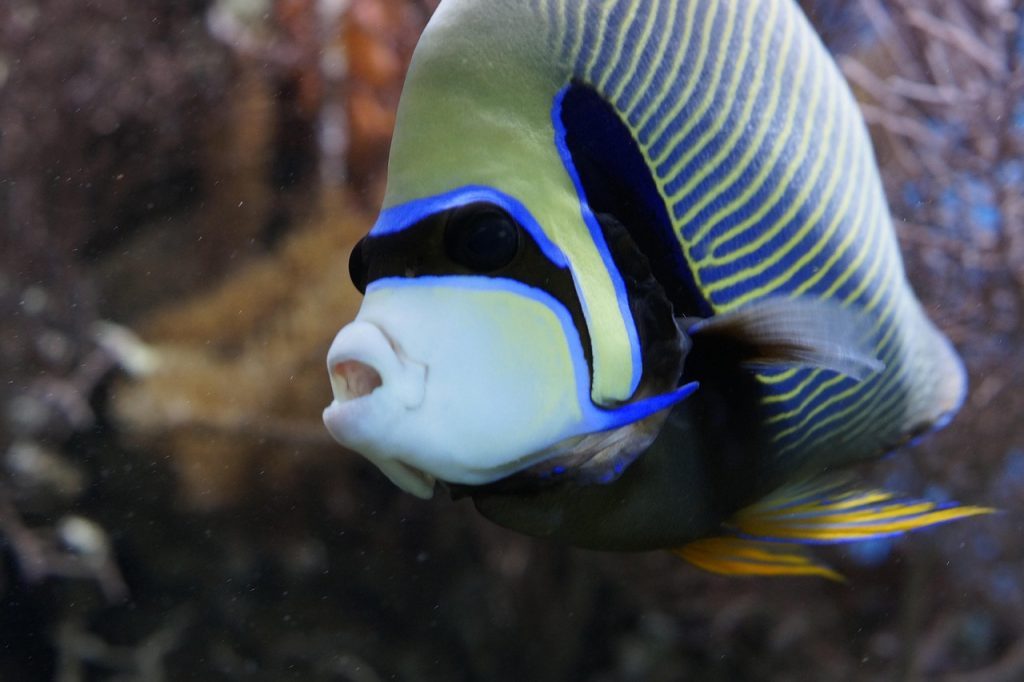
The Emperor Angelfish (Pomacanthus imperator) is one of the most iconic saltwater fish in the hobby. With its bold blue and yellow stripes as an adult and mesmerizing circular pattern as a juvenile, it’s often a dream fish for many reef keepers. However, this species demands space, stable water quality, and careful tankmate selection. If you’re considering adding an Emperor to your display, planning ahead is essential.
Tank Requirements and Compatibility
Emperor Angelfish are large, active swimmers that can reach 12–15 inches in captivity. They need a roomy, stable environment to thrive.
- Minimum tank size: 180 gallons (larger is strongly recommended for long-term care).
- Aquascape: Provide open swimming space in the front and caves or arches in the rockwork for security.
- Water parameters: 72–78°F, salinity 1.023–1.025, pH 8.1–8.4, low nitrates and near-zero ammonia/nitrite.
In terms of compatibility, Emperor Angelfish can be semi-aggressive, especially as they mature. They usually do well with robust tankmates such as tangs, larger wrasses, and other assertive fish. Avoid very shy or tiny tankmates that may be bullied or outcompeted for food.
They are not reef-safe in most setups. Many individuals nip at fleshy LPS corals, clams, and some soft corals. If you maintain a coral-heavy reef, consider a more suitable species from our guide on reef-safe angelfish options.
Diet, Coloration, and Long-Term Care
Emperor Angelfish are omnivores that graze on sponges, algae, and small invertebrates in the wild. In captivity, a varied diet is key to health and coloration.
Feeding Tips
- Offer a mix of high-quality angelfish formulas (with sponge content), marine pellets, and frozen foods like mysis and brine shrimp.
- Include sheets of nori or algae-based foods several times per week.
- Feed 2–3 small meals daily to reduce aggression and keep their metabolism steady.
Stable nutrition and pristine water quality support the dramatic transition from juvenile to adult coloration. Juveniles display dark blue bodies with electric blue and white concentric rings. As they mature, they gradually shift to the classic yellow-and-blue horizontal stripes with a dark mask over the eyes. This transformation can take 1–2 years depending on growth rate and conditions.
Acclimation and Health
Emperor Angelfish can be sensitive during shipping and acclimation. Use a quarantine tank whenever possible, and follow a slow acclimation process to reduce stress and prevent disease introduction.
Hobbyist tip: A well-managed quarantine system dramatically increases your success with larger, sensitive angelfish. For more on this process, see our detailed saltwater fish quarantine setup guide.
- Watch for signs of marine ich, flukes, and bacterial infections during the first few weeks.
- Provide plenty of hiding places to help the fish feel secure and reduce stress-related illness.
- Maintain excellent filtration and strong, but not chaotic, water movement.
Is the Emperor Angelfish Right for Your Aquarium?
The Emperor Angelfish is best suited for experienced aquarists with large, established systems and a willingness to plan tankmates and aquascape around this centerpiece fish. If your priority is a mixed reef packed with sensitive corals, you may want to explore alternatives in our beginner saltwater fish recommendations. But if you have the space, filtration, and dedication, Pomacanthus imperator can become the stunning focal point of your marine display for many years.
Sources
- Michael, S. W. (2001). Marine Fishes: 500+ Essential-to-Know Aquarium Species. TFH Publications.
- Fenner, R. (2008). The Conscientious Marine Aquarist. Microcosm/TFH.
- FishBase: Pomacanthus imperator species summary (accessed via scientific literature overview).
Was this helpful?
Related Posts
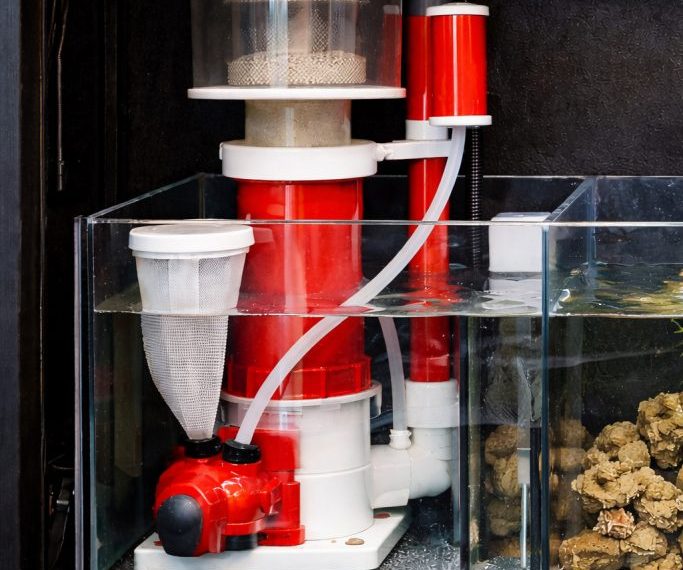
Protein Skimmer Reef Tank Guide
Learn how a protein skimmer works, how to size one, and how to tune it for a cleaner,…
 By
By
Reef Aquarium Water Parameters
Learn the ideal reef aquarium water parameters, safe ranges, and how to keep salinity, alkalinity, nutrients, and pH…