

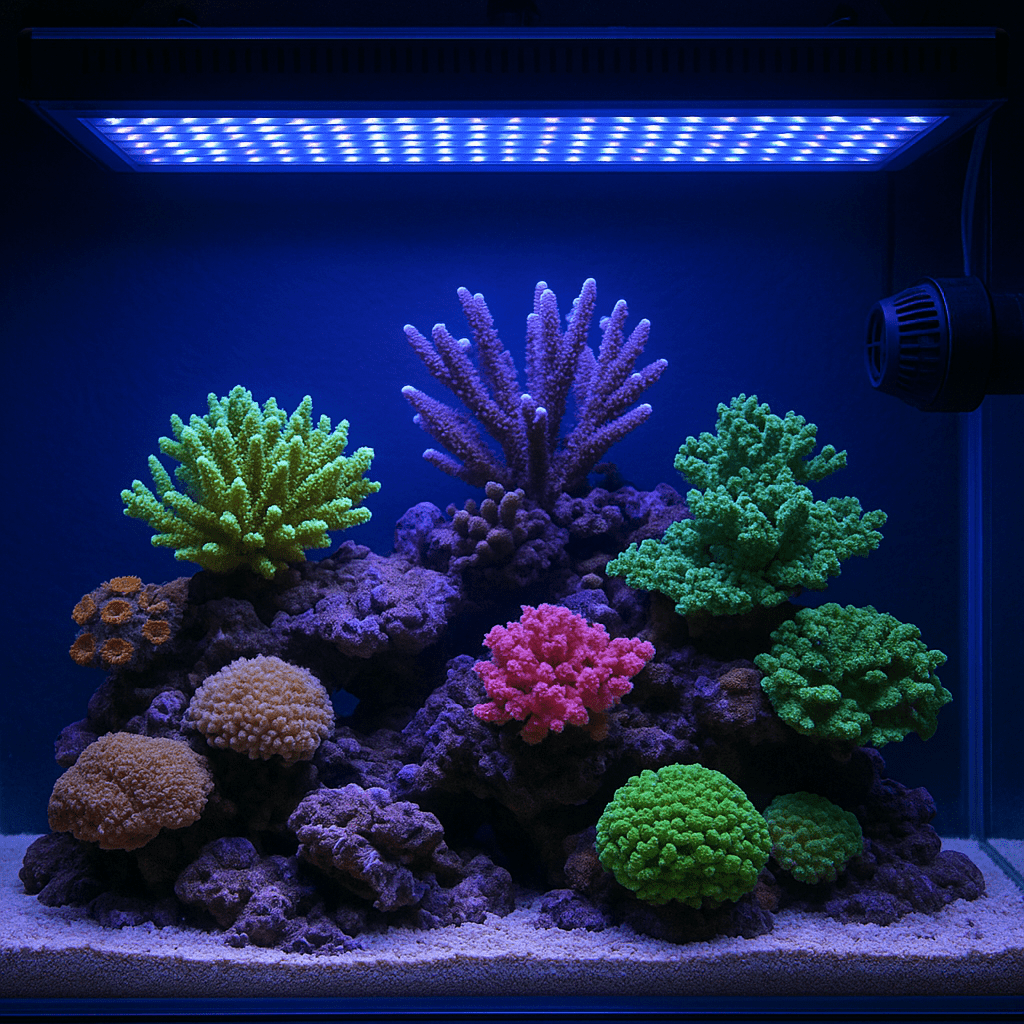
Essential reef tank gear keeps your system stable, safe, and easier to maintain. Start with reliable basics first. Then upgrade around your livestock goals, budget, and tank size. Good equipment will not replace good habits, but it makes reef keeping far more predictable.
Many new hobbyists buy gear in the wrong order. They spend heavily on extras, then cut corners on heaters, test kits, or water purification. That usually leads to algae, stressed corals, and unstable parameters. In this guide, you will learn which reef aquarium equipment matters most, what each item does, and where you can save money without hurting long-term success. We will also cover common mistakes, upgrade paths, and practical buying tips for beginners and intermediate reef keepers.
Quick Reference Table
| Gear | Why It Matters | Best For | Priority |
|---|---|---|---|
| Tank and stand | Provides system volume and stability | All reef tanks | Essential |
| RO/DI unit | Removes impurities from source water | Mixed reefs, SPS, nano tanks | Essential |
| Heater and controller | Maintains stable temperature | All reef tanks | Essential |
| Return pump and powerheads | Creates circulation and oxygen exchange | All reef tanks | Essential |
| Reef lighting | Supports coral photosynthesis | Coral tanks | Essential |
| Protein skimmer | Exports waste before breakdown | Medium to heavy bioload systems | Very useful |
| Auto top off | Keeps salinity stable | All reef tanks | Very useful |
| Test kits | Tracks chemistry and trends | All reef tanks | Essential |
| Dosing pump | Automates alkalinity and calcium additions | LPS and SPS reefs | Useful upgrade |
| Controller or monitor | Adds alerts and automation | Advanced systems | Optional |
The Core Gear Every Reef Tank Needs
Every reef tank needs a few non-negotiable pieces of equipment. The tank itself is first. Bigger tanks are usually easier to stabilize. More water volume buffers mistakes. A sturdy stand matters too. Saltwater is heavy. You want level support and room for plumbing, power strips, and maintenance tools.
Water purification is another must. An RO/DI unit prevents many headaches. Tap water often contains phosphate, nitrate, silicate, copper, and other contaminants. Those compounds can fuel algae and irritate sensitive corals. Clean source water gives you a much better starting point.
You also need a heater, thermometer, return pump, and internal flow pumps. Stable temperature and good circulation support gas exchange and coral health. Add a refractometer or digital salinity meter. Salinity drift is common in new tanks. Finally, buy quality test kits early. Guessing is expensive in reef keeping.
Tank, Sump, and Aquascape Planning
Your tank choice shapes every future equipment decision. A nano reef can look amazing, but it swings faster. A 40 to 75 gallon system gives beginners more room for error. If possible, choose a reef-ready tank with an overflow. That makes sump filtration much easier and cleaner.
A sump is not mandatory, but it helps a lot. It hides equipment, increases water volume, and improves surface skimming. It also gives you room for a skimmer, heater, probes, media, and an auto top off sensor. Maintenance becomes simpler when gear is easy to access.
Aquascape matters too. Leave open swimming space and room around the rockwork. Corals need space to grow. Flow also works better around open structures. Avoid stacking rock against the glass. That traps detritus and limits cleaning. Stable rockwork is critical. Reef tanks contain burrowing fish, snails, and strong flow pumps.
Lighting Requirements for Coral Growth
Lighting is one of the most discussed reef tank topics. Corals rely on light for photosynthesis through their symbiotic zooxanthellae. That does not mean you need the most expensive fixture available. You need the right intensity, spread, and control for your coral mix.
Soft corals and many LPS corals do well under moderate light. SPS corals usually need stronger, more stable PAR. LED fixtures are the most common modern choice. They run cool, offer programmable schedules, and fit many budgets. T5 and hybrid systems still produce excellent coral growth and even spread.
Do not buy based on wattage alone. Look at PAR data, tank dimensions, mounting height, and spread. Avoid sudden intensity jumps. Corals bleach when light changes too fast. Use acclimation modes when possible. A simple timer or built-in schedule also helps keep your photoperiod consistent every day.
Water Flow and Circulation Gear
Flow is easy to underestimate. Corals need moving water to bring oxygen and nutrients. Flow also carries away waste and helps prevent dead spots. In most reef tanks, one return pump is not enough. You will also need powerheads or wavemakers inside the display.
Different corals prefer different flow patterns. Soft corals often enjoy indirect, swaying flow. LPS corals usually like moderate movement without tissue damage. SPS corals need stronger, chaotic flow. Random movement is better than a constant blast in one direction. That is why many hobbyists use two pumps on opposite sides.
Place pumps so detritus stays suspended and reaches filtration. Watch your sand bed. If it blows around, reduce output or change pump angle. Good flow should move polyps gently, not shred tissue. Clean pumps often. Coralline algae and calcium buildup reduce performance over time.
Heating, Cooling, and Temperature Stability
Temperature stability is more important than chasing a perfect number. Most reef tanks do well around 77 to 79 degrees Fahrenheit. Daily swings should stay small. Corals and fish handle stable conditions much better than repeated spikes and drops.
Use a reliable heater sized for your water volume. Many experienced reef keepers prefer two smaller heaters instead of one large unit. That adds redundancy. A temperature controller adds another layer of protection. It can shut off a stuck heater before it cooks the tank.
Warm rooms and strong lights can also push temperatures too high. In that case, use clip-on fans, improved room cooling, or a chiller for larger systems. Always verify temperature with a separate thermometer. Heater dials are not always accurate. Stable temperature supports coral metabolism, oxygen levels, and overall reef health.
Filtration Gear That Actually Helps
Reef filtration is not about one magic device. It is a combination of export, biology, and maintenance. Live rock provides biological filtration. It houses bacteria that process ammonia and nitrite. Mechanical filtration catches particles before they break down. Filter socks and filter floss are common choices.
A protein skimmer is one of the most useful upgrades for many tanks. It removes dissolved organics before they become nitrate and phosphate. Skimmers also improve oxygen exchange. They are especially helpful in tanks with heavier feeding or larger fish populations.
Chemical media can also help. Activated carbon improves water clarity and removes some toxins. GFO can reduce phosphate when used carefully. Media reactors make these products more efficient, but they are not mandatory for every setup. The best filtration still depends on feeding control, regular maintenance, and stable husbandry.
Water Chemistry Tools and Testing Equipment
Testing gear is essential reef tank gear. It tells you what the tank needs before livestock shows stress. At minimum, own tests for salinity, alkalinity, calcium, magnesium, nitrate, phosphate, and temperature. pH testing can help too, especially in tightly sealed homes.
Alkalinity is one of the most important reef parameters to track. Corals use it for skeletal growth. Sudden alkalinity swings can cause tissue loss, poor polyp extension, and stalled growth. Calcium and magnesium support that same process. Nitrate and phosphate should not be zero in most coral systems, but they must stay controlled.
Choose test kits you will actually use consistently. Accuracy matters, but so does repeatability. Log results every week. Trends matter more than one isolated number. If your reef begins consuming alkalinity and calcium faster, that often signals coral growth. It may also mean it is time to consider automated dosing.
Automation and Convenience Upgrades
Automation should support good habits, not replace them. The first convenience upgrade most reef keepers should buy is an auto top off system. Evaporation removes fresh water, not salt. That means salinity rises unless you replace evaporated water. Manual top off works, but it is easy to forget.
Dosing pumps are another smart upgrade once corals begin consuming alkalinity and calcium daily. Hand dosing can work in small systems. It becomes less practical as coral demand increases. A dosing pump keeps additions small and consistent. Corals prefer that stability.
Controllers, leak detectors, smart plugs, and battery backups add more protection. They are helpful, but not required on day one. If your budget is limited, spend first on RO/DI, heater safety, lighting, flow, and test kits. Fancy automation is nice. Stable basics are better.
Step-by-Step Buying Order for New Reef Keepers
If you are building your first reef tank, buy gear in a logical order. Start with the tank, stand, and source water plan. Then choose your return pump, heater, thermometer, and flow pumps. After that, select lighting based on the corals you want to keep. This avoids expensive changes later.
- Choose tank size and stand.
- Decide if you will run a sump.
- Buy an RO/DI unit or secure a trusted water source.
- Install heater, thermometer, return pump, and powerheads.
- Pick reef lighting for your target coral types.
- Add test kits, refractometer, and mixing tools.
- Set up mechanical filtration and consider a skimmer.
- Add an auto top off before stocking heavily.
- Upgrade to dosing pumps only when demand requires it.
This order keeps your spending focused. It also prevents buying gear twice. Many hobbyists waste money by upgrading after only a few months. Planning around your end goal saves frustration.
Common Problems
Why does my reef tank keep getting algae?
Algae usually points to excess nutrients, poor source water, weak maintenance, or old light settings. Check your RO/DI water first. Test nitrate and phosphate. Clean trapped detritus from socks, sump chambers, and rockwork. Reduce overfeeding. Replace exhausted filtration media. Better flow often helps by preventing waste buildup.
Why are my corals losing color?
Faded corals often result from unstable alkalinity, too much light, too little nutrition, or sudden changes. Test alkalinity first. Review recent lighting adjustments. Make sure nitrate and phosphate are not bottomed out. Corals need stability more than constant tweaking.
Why is my salinity always drifting?
Evaporation is the usual cause. Without an auto top off, salinity rises daily. Inaccurate measuring tools can also mislead you. Calibrate your refractometer and top off with fresh RO/DI water only. Never top off with saltwater unless you removed saltwater.
Why does detritus collect behind my rocks?
This usually means poor flow placement or a crowded aquascape. Adjust powerhead angle and create more random movement. Turkey baste the rockwork during maintenance. Mechanical filtration should catch suspended waste before it settles again.
Frequently Asked Questions
What is the most important reef tank equipment?
Stable heating, clean source water, strong flow, proper lighting, and accurate testing matter most. Those basics support every other part of reef keeping.
Do I need a protein skimmer on a reef tank?
Not always. Many nano reefs run well without one. Still, a skimmer is very helpful on larger or heavily stocked tanks.
Is an auto top off really necessary?
It is not mandatory, but it is one of the best upgrades you can buy. It keeps salinity stable and reduces daily maintenance.
Can I use tap water in a reef aquarium?
It is risky. Tap water often contains nutrients and metals that cause algae and stress corals. RO/DI water is the safer choice.
When should I add dosing pumps?
Add dosing pumps when manual dosing becomes frequent and daily consumption is measurable. Many mixed reefs reach that point as corals mature.
Final Thoughts
The best essential reef tank gear is not always the most expensive gear. It is the equipment that keeps your reef stable every day. Focus on water purity, temperature control, flow, lighting, and testing first. Add automation when it solves a real problem. If you build around reliable basics, your reef will be easier to maintain and much more enjoyable to grow. For more help, see our guides on reef tank setup, reef tank water parameters, best reef tank lighting, and protein skimmer guide.
Was this helpful?
Related Posts
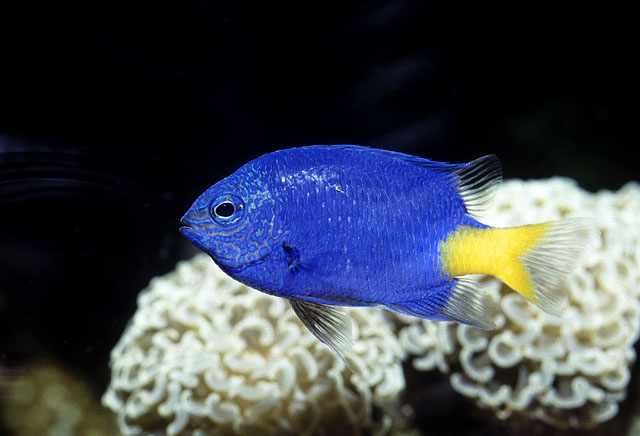
Yellowtail Damselfish (Chrysiptera Parasema)
Yellowtail Damselfish are hardy, colorful, and reef safe, but they can be territorial. Learn their care, feeding, tank…
 By
ByWater Chemistry Basics
Water chemistry basics are the foundation of reef success. Learn the key parameters, target ranges, and simple ways…
[favorite_button]
My Bookmarks:
To see full list click here
[user_favorites user_id="" include_links="true" site_id="" post_types="" include_thumbnails="true" thumbnail_size="thumbnail" include_excerpt="false"]