Feeding Corals: How, What, and When
Feeding corals is one of the most rewarding parts of the reef-keeping hobby. Watching your LPS and soft corals extend their feeding tentacles or seeing your SPS color up after better nutrition is incredibly satisfying. In this guide, we’ll walk through what corals eat, how to feed them safely, and how to avoid the common mistakes that can lead to algae blooms and poor water quality.
What Do Corals Actually Eat?
Most corals are mixotrophic, meaning they get energy from both light and food. Their symbiotic zooxanthellae provide sugars from photosynthesis, but many corals also benefit from capturing food from the water column.
Common coral foods include:
- Phytoplankton – Great for filter feeders, soft corals, and some LPS.
- Zooplankton & reef roids–style powders – Ideal for many LPS and small-polyp corals.
- Meaty foods (mysis, brine, chopped seafood) – Favored by large-polyp corals like Acanthastrea, Euphyllia, and some brains.
- Amino acid & coral nutrition supplements – Can support color and growth when dosed carefully.
Some corals are almost entirely photosynthetic, while others are non-photosynthetic (NPS) and must be fed regularly. If you’re unsure about your coral’s needs, check its care profile and compare with your broader saltwater aquarium care routine.
How to Feed Corals Safely
The key to feeding corals is targeted, moderate feeding that your tank can handle biologically. Overfeeding is one of the fastest ways to fuel nuisance algae and unstable nutrients.
Target Feeding vs. Broadcast Feeding
- Broadcast feeding: Mix coral food with tank water and pour or baste it into high flow areas. This works well for filter feeders and tanks with many small-polyp corals.
- Target feeding: Use a turkey baster or coral feeder to gently squirt food near the coral’s mouths or polyps. This is ideal for LPS and hungry, fleshy corals.
For many mixed reefs, a combination works best: light broadcast feeding 1–3 times per week, plus occasional target feeding of LPS showpieces.
Timing and Technique
- Feed when polyps are extended, often after lights dim or just after the main photoperiod.
- Turn off or reduce flow for 10–20 minutes so food can settle on the corals instead of being skimmed out.
- Use small particle sizes for SPS and small-polyp corals; larger chunks for LPS.
- Start light – once or twice a week – and increase only if nutrients remain stable and corals respond well.
If you’re also feeding fish heavily, adjust coral feeding so that your total nutrient input stays within what your filtration and reef tank maintenance schedule can handle.
Avoiding Overfeeding and Nutrient Spikes
Corals don’t need to be stuffed with food to thrive. In fact, slightly underfeeding is often safer than overfeeding. Watch these indicators:
- Rising nitrate and phosphate levels on test kits.
- Increasing film algae on glass and rocks.
- Browned-out SPS or receding tissue on sensitive species.
If you notice these signs, cut feeding in half, increase export (skimming, water changes, refugium), and reassess your routine. For many hobbyists, a balanced schedule is:
- 1–2 small coral feedings per week for low to moderate-stocked reefs.
- 3–4 light feedings per week for NPS or high-demand systems, paired with strong export.
Pair your feeding plan with a consistent beginner reef tank setup strategy so your filtration, lighting, and flow all support coral health.
Conclusion
Feeding corals doesn’t have to be complicated. Understand what your specific corals eat, start with small, targeted feedings, and let your test results and coral behavior guide you. With a thoughtful routine, your reef will reward you with better color, growth, and polyp extension—without the headaches of excess nutrients and algae.
Sources
- Borneman, E. (2001). Aquarium Corals: Selection, Husbandry, and Natural History. TFH Publications.
- Delbeek, J. C., & Sprung, J. (1994–2005). The Reef Aquarium Vol. 1–3. Ricordea Publishing.
- Advanced Aquarist & Reef2Reef community articles and hobbyist reports on coral nutrition and feeding practices.
Was this helpful?
Related Posts
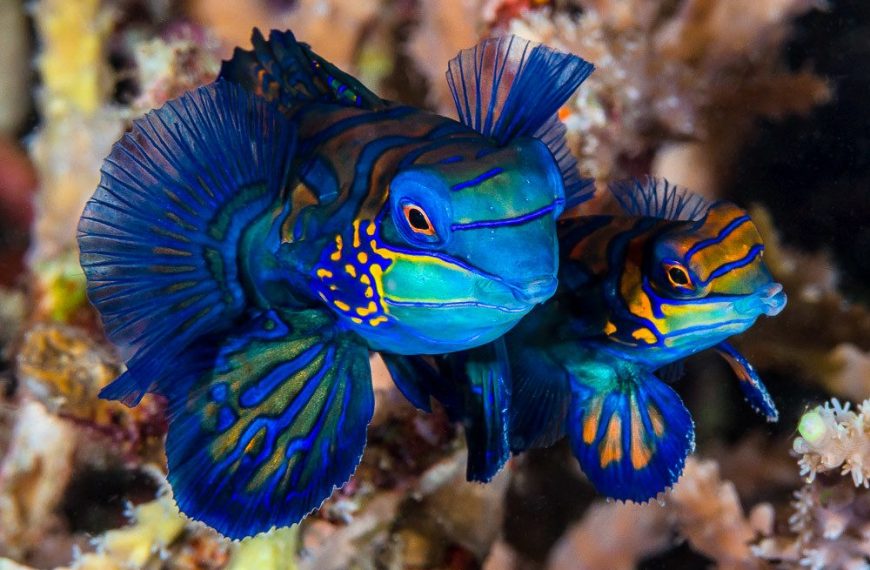
Dragonets Fish Care
Dragonets are beautiful reef fish, but they need mature tanks and steady food sources. Learn how to keep…
 By
By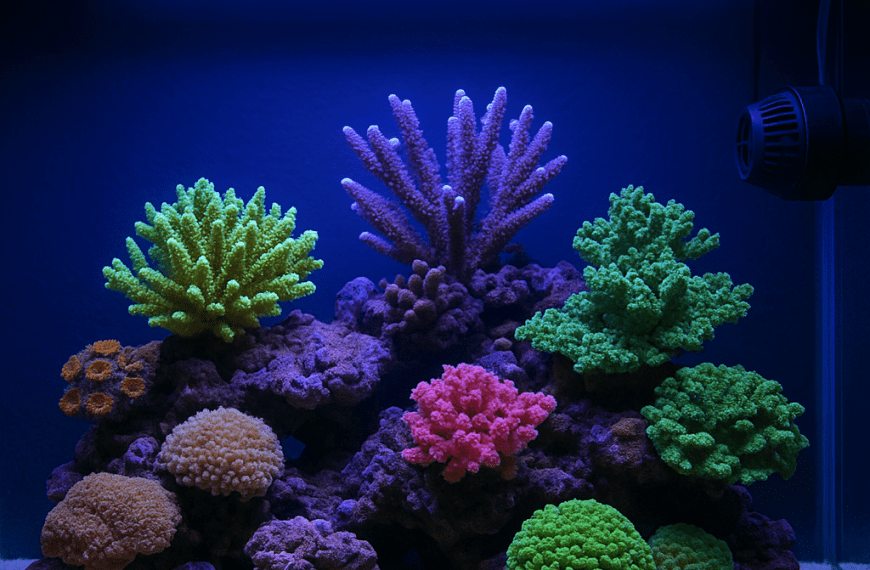
Lighting For Aquarium
Lighting for Aquarium: Getting Saltwater Illumination Right Lighting for a saltwater aquarium is about much more than simply…