

Frozen and pellet foods both work well for marine fish. The best choice depends on the species, your goals, and your routine. Most reef keepers get the best results by using both. Frozen foods boost variety and feeding response. Pellets add convenience, consistency, and less mess when used correctly.
Feeding marine fish seems simple at first. Then the questions start. Should you feed frozen every day? Are pellets healthy enough for reef fish? Which food causes less waste? This guide breaks down frozen versus pellets in clear terms. You will learn the strengths of each option, which fish benefit most, and how to build a feeding plan that supports health, color, and water quality. You will also learn how to avoid common mistakes like overfeeding, nutrient spikes, and poor diet variety.
Quick Reference Table
| Food Type | Best For | Main Benefits | Main Drawbacks | Best Practice |
|---|---|---|---|---|
| Frozen food | Picky eaters, carnivores, new arrivals | High palatability, wide variety, natural texture | Can add nutrients and waste if overused | Thaw, rinse if needed, feed small portions |
| Pellet food | Daily staple, busy hobbyists, auto feeders | Convenient, consistent, easy portion control | Some fish reject it at first | Choose quality pellets and match pellet size |
| Mixed feeding plan | Most reef tanks | Balanced nutrition and flexibility | Requires planning | Use pellets daily and frozen several times weekly |
A quick table helps, but the details matter. Marine fish have different mouth shapes, digestion styles, and feeding habits. A wrasse, clownfish, tang, and mandarin do not eat the same way. That is why no single food wins in every tank. The real goal is not frozen versus pellets as a strict contest. The goal is matching food type, particle size, and feeding frequency to your fish. It also means keeping nutrients under control. Reef tanks reward balance. A smart feeding plan supports fish health without driving nitrate and phosphate too high.
Frozen Food: Pros and Cons
Frozen food is popular for good reason. Many marine fish attack it eagerly. It smells stronger than dry food. It also feels more natural in the water. That matters for finicky species. Butterflyfish, anthias, wrasses, and new imports often accept frozen first. Common options include mysis shrimp, brine shrimp, krill blends, plankton, clam, squid, and reef mixes. Some blends also include vitamins, algae, and sponge material.
The main advantage is feeding response. Fish often show stronger interest in frozen foods. This helps thin or stressed fish regain weight. Frozen food also offers variety. That variety can reduce nutritional gaps over time. The downside is waste. Uneaten frozen food breaks apart quickly. The thaw liquid can also add dissolved nutrients. Heavy frozen feeding often raises nitrate and phosphate. That does not mean frozen food is bad. It means portion control matters. Feed only what fish finish quickly. For more on nutrient control, see water change schedule for reef tanks, reef tank nitrate control, and phosphate in reef aquariums.
Pellet Food: Pros and Cons
Pellets are the most practical daily food for many reef keepers. They store well. They are easy to portion. They work with automatic feeders. That alone makes them valuable. Consistent feeding is important for active fish like anthias and chromis. Pellets make that much easier. High quality marine pellets also contain balanced proteins, fats, vitamins, and trace nutrients. Some formulas target herbivores. Others support color or immune health.
The biggest strength of pellets is consistency. Every feeding can be measured. This lowers overfeeding risk when compared with large frozen cubes. Pellets also create less immediate mess when fed properly. The main drawback is acceptance. Some fish ignore pellets at first. Wild caught fish often need time to learn. Cheap pellets can also contain fillers or poor ingredients. Pellet size matters too. A tiny goby cannot handle large pellets. A large tang may ignore dust-like pellets. Choose a trusted brand. Feed the right size. Watch fish closely. If they chew and spit, the food may be too large or too hard. For more on fish care basics, read marine fish quarantine guide.
Which Food Is Better for Different Marine Fish?
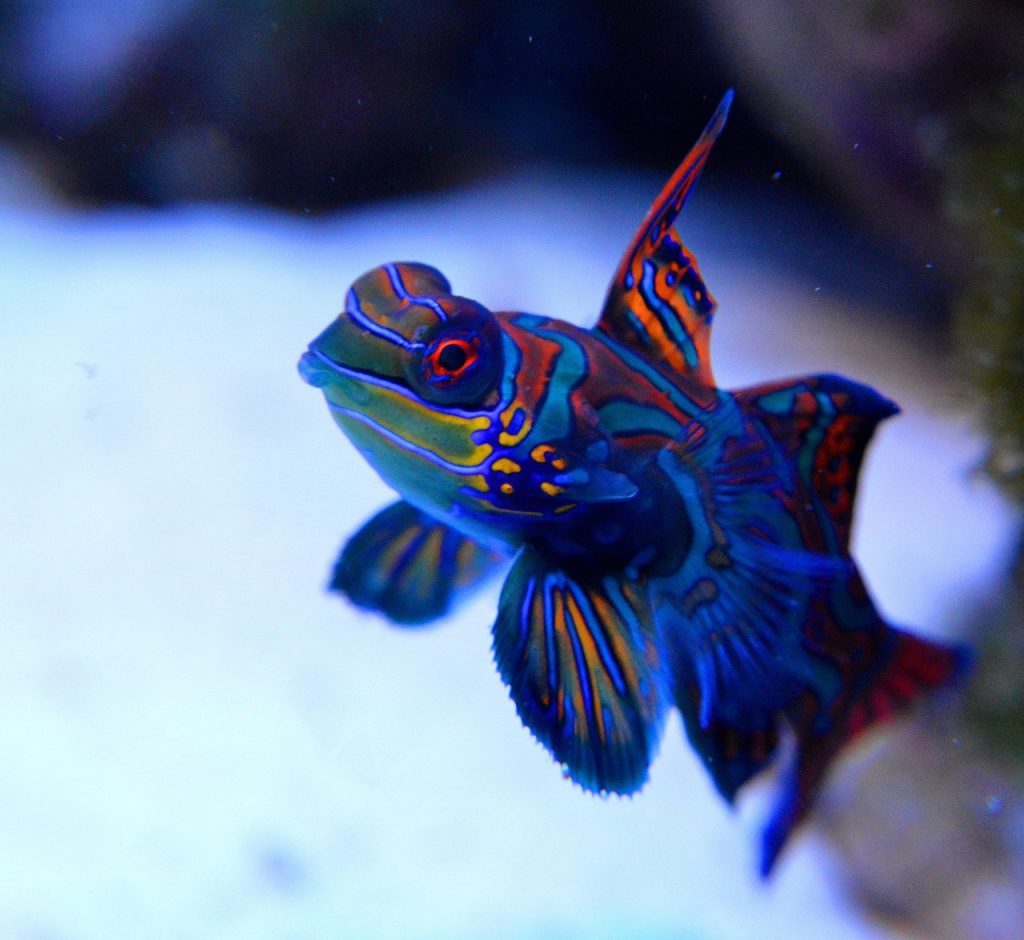
The best food depends on the fish. Clownfish usually take both pellets and frozen easily. Tangs benefit from pellets, frozen foods, and regular algae sheets. Wrasses often love frozen food but can learn pellets. Anthias usually do best with multiple small feedings. Pellets can help, especially with auto feeders. Gobies vary. Some accept pellets fast. Others prefer frozen or live foods. Mandarins are a special case. Most need pods, not standard pellets or frozen alone.
New fish often settle in faster with frozen food. It triggers feeding better. Once the fish is eating well, you can train it onto pellets. That gives you flexibility. If you keep a community reef, mixed feeding is usually safest. It covers more needs. It also helps dominant fish and shy fish both get food. Herbivores still need plant matter. Carnivores still need meaty foods. Omnivores need both. If you keep species with special diets, research them before purchase. Good feeding starts before the fish enters the tank.
How Frozen and Pellets Affect Water Quality
Every food choice affects your reef. Fish health matters, but so does nutrient input. Frozen food can pollute water faster if overused. Small bits drift into rockwork and rot. The thaw water may contain fine particles and dissolved organics. Rinsing frozen food can reduce some of that load. Not every hobbyist rinses. Still, it can help in nutrient-sensitive systems.
Pellets can be cleaner, but only in proper amounts. Too many pellets sink and decay. Large pellets may also be mouthed and rejected. That creates hidden waste. The cleanest feeding method is not about food type alone. It is about portion size, fish response, and export capacity. A strong skimmer, good flow, and regular maintenance help either diet work. If your nitrate or phosphate rises after changing foods, reduce portions first. Then review filtration and feeding frequency. Many reef problems blamed on food are really caused by overfeeding.
Step-by-Step: Building the Best Marine Fish Feeding Plan
Start by listing your fish species. Group them as herbivores, omnivores, or carnivores. Note any picky eaters. Next, choose one high quality pellet as your staple. This gives you a dependable base. Then add one or two frozen foods for variety. Mysis is a strong starting point for many tanks. Add algae foods if you keep tangs, blennies, or rabbitfish.
Feed small amounts once or twice daily for most tanks. Very active species may need more frequent meals. Offer only what fish finish quickly. If using frozen food, thaw it in tank water first. Rinse if your system runs nutrient rich. Observe who eats and who misses out. Adjust flow during feeding if needed. Use a feeding ring or target feed shy fish. After one week, assess fish body condition and water parameters. If fish look thin, increase frequency slightly. If nutrients climb, cut portions before changing foods entirely.
Feeding Tips for Busy Reef Keepers
Many hobbyists want healthy fish without complicated routines. Pellets shine here. An auto feeder can deliver small meals while you work or travel. That is useful for fish that prefer several feedings per day. You can still use frozen food in the evening for enrichment and variety. This hybrid approach works very well in mixed reef tanks.
Store pellets in a cool, dry place. Keep lids tight. Buy sizes you can use before they age out. For frozen food, avoid repeated thawing. Break large packs into smaller portions if needed. Label foods by type. Rotate them through the week. This keeps feeding simple. It also improves diet diversity. A sustainable routine always beats a perfect plan you cannot maintain. The best feeding strategy is one you can follow consistently without harming water quality.
Common Problems
My fish refuse pellets
This is common with wild caught fish and recent additions. Start with frozen foods the fish already accepts. Then mix in a few pellets during feeding. Soak pellets briefly so they soften. Try smaller pellet sizes. Feed when fish are active and hungry. Some species need several weeks to convert. Patience matters. Avoid starving fish into submission. Weight loss happens fast in marine systems.
Frozen food is making my nutrients rise
First, reduce portion size. Most tanks are fed too much. Next, thaw and rinse the food. Feed with pumps paused briefly so fish can catch more. Remove leftovers after feeding. Review your skimmer performance and maintenance schedule. Increase export only after fixing portions. More filtration cannot fully compensate for chronic overfeeding.
My fish eat but still look thin
Thin fish may need more frequent meals, not larger meals. Check for bullying during feeding. Dominant fish often steal the best bites. Add variety. A single food may not meet every need. Also consider internal parasites in new fish. If appetite is strong but weight stays poor, quarantine and observe closely.
Pellets sink too fast or get ignored
Try a different pellet type. Some float longer. Some soften faster. Match the pellet to the fish’s feeding zone. Surface feeders and bottom pickers behave differently. Feed smaller amounts in several bursts. That gives timid fish time to react. Turning off return flow briefly can also help.
Frozen vs Pellets: The Best Real-World Answer
For most reef tanks, this is not an either-or decision. Pellets are usually the better staple. They are easy, reliable, and consistent. Frozen foods are usually the better supplement. They add variety and improve feeding response. Together, they create a stronger long-term plan than either alone. The exact ratio depends on your fish list and nutrient tolerance.
If you are new to marine fish, begin with a quality pellet and one frozen food. Watch how your fish respond. Track nitrate and phosphate weekly. Make small changes. Stable routines beat dramatic shifts. Healthy fish should show full bellies, steady weight, good color, and eager feeding. When those signs line up with stable water quality, your feeding plan is working.
Frequently Asked Questions
Is frozen food better than pellets for marine fish?
Not always. Frozen food is often more enticing. Pellets are often more convenient and consistent. Most tanks do best with both.
Can marine fish live on pellets only?
Some can, especially hardy omnivores. Still, variety is better. Supplemental frozen foods and algae improve long-term nutrition.
Should I rinse frozen fish food?
It can help in tanks with high nutrients. Rinsing may reduce fine waste and thaw liquid. It is not mandatory in every system.
How often should I feed marine fish?
Most marine fish do well with one to three small feedings daily. Active species may need more frequent meals.
What is the best pellet food for saltwater fish?
The best pellet is species-appropriate, high in marine ingredients, and correctly sized. Choose trusted brands and avoid filler-heavy formulas.
Was this helpful?
Related Posts
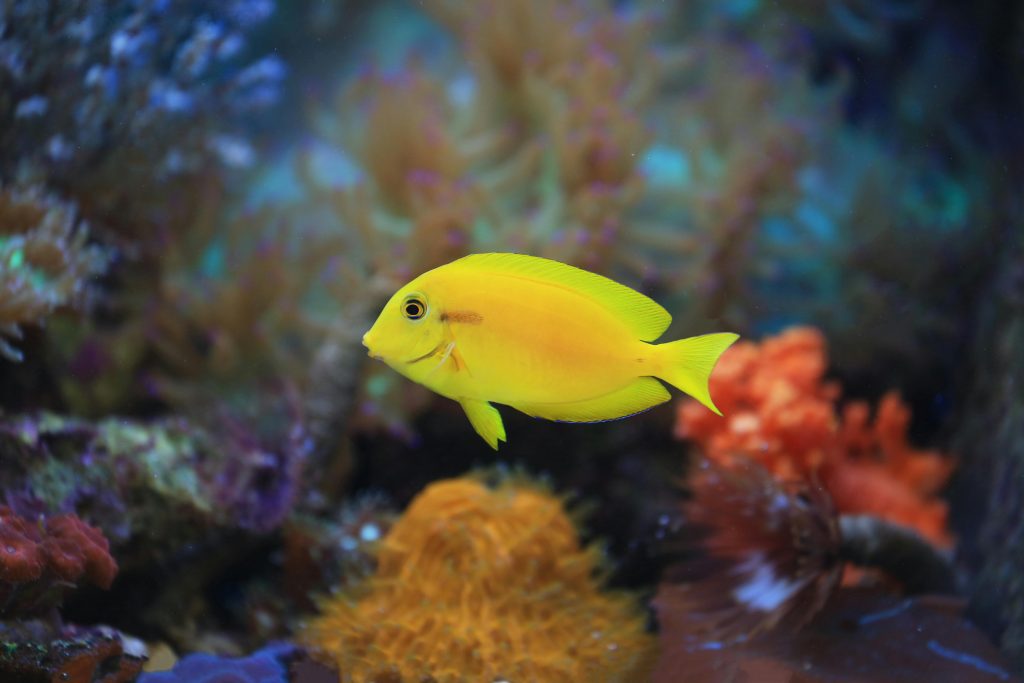
Juvenile Orange Shoulder (acanthurus Olivaceus)
Juvenile orange shoulder tangs are bright, hardy, and reef safe, but they grow large and need a spacious…
 By
By
Best Filtration Systems
Best Filtration Systems for a Healthy Saltwater Aquarium Choosing the best filtration system for your saltwater aquarium is…
[favorite_button]
My Bookmarks:
To see full list click here
[user_favorites user_id="" include_links="true" site_id="" post_types="" include_thumbnails="true" thumbnail_size="thumbnail" include_excerpt="false"]