

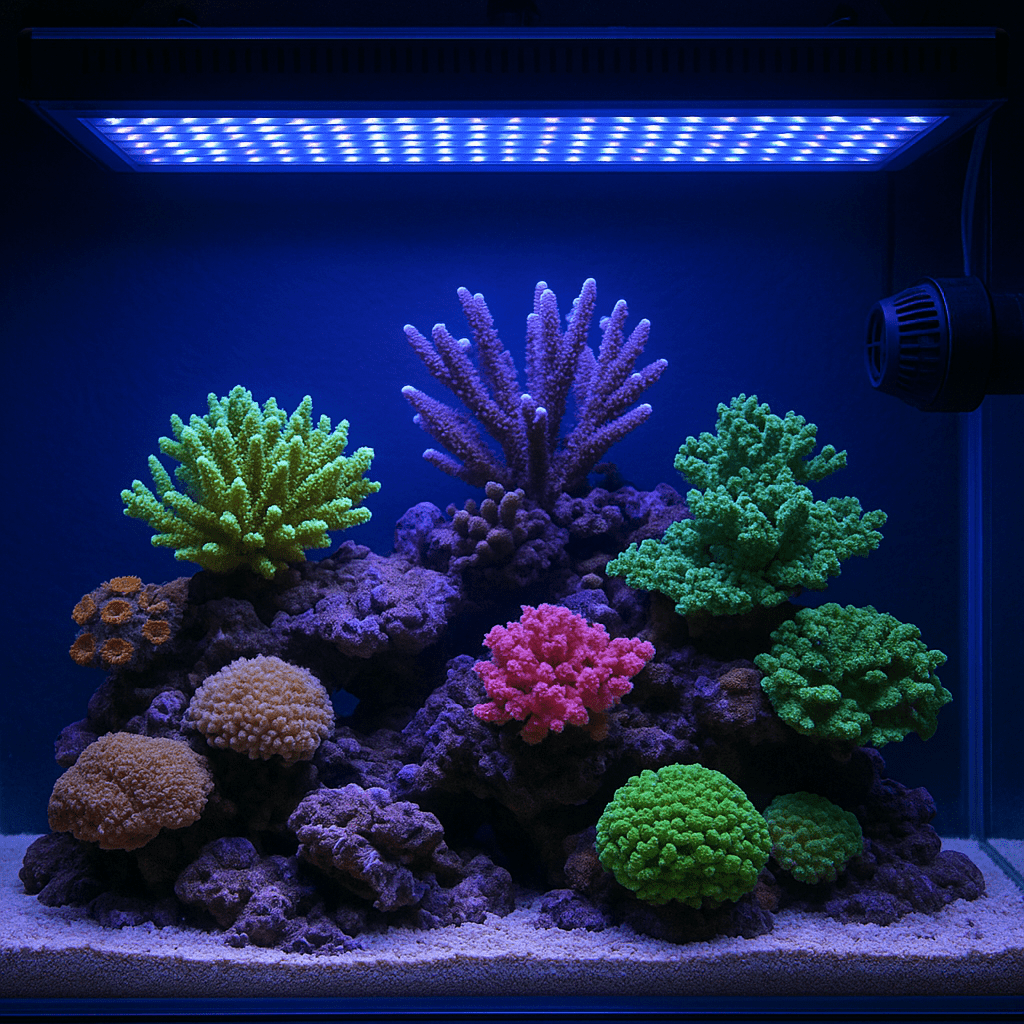
Fish gasping at the surface usually means something is wrong with oxygen, water quality, or gill function. In reef tanks, this behavior is an urgent warning sign. Fast action can save fish, prevent losses, and help you find the real cause before the problem spreads.
Many hobbyists first notice this at night or after a feeding. A fish may hover near the top, breathe hard, or crowd the return nozzle. Sometimes every fish does it. Sometimes only one species struggles. This guide explains the most common reasons fish gasp at the surface, how to tell them apart, and what to do right away. You will also learn how to improve gas exchange, avoid oxygen crashes, and prevent the issue from returning in your reef aquarium.
Quick Reference Table
| Problem | Common Signs | Likely Cause | Immediate Action |
|---|---|---|---|
| Low oxygen | Rapid breathing, fish at surface, worse at night | Poor gas exchange, high temperature, low flow | Add aeration, increase surface movement, lower heat |
| Ammonia or nitrite | Gasping, lethargy, red gills, new tank issues | Cycle failure, overfeeding, die-off | Test water, water change, detoxifier if needed |
| High temperature | Fast breathing, stress, less activity | Heater malfunction, hot room, poor cooling | Cool tank slowly, improve airflow |
| Gill disease or parasites | One fish affected, flashing, heavy breathing | Flukes, velvet, bacterial irritation | Move to quarantine, diagnose, treat |
| pH and CO2 issues | Morning distress, closed room, low pH | Excess indoor CO2, weak aeration | Open room, run skimmer airline outside, increase aeration |
This table gives the fast version. The sections below explain how to confirm each cause and respond safely.
What Surface Gasping Actually Means
Fish do not gasp at the surface for no reason. They are trying to find water with more oxygen. The top layer often has the highest oxygen level because it contacts the air. Fish may also gather near wavemakers, overflow teeth, or return outlets for the same reason.
Gasping can look different between species. Tangs often breathe hard and pace the glass. Clownfish may hover near the top corner. Wrasses can become frantic. Gobies may simply sit still and pump their gills faster than normal. Watch all livestock, not just the most obvious fish.
This symptom does not always mean low oxygen alone. Anything that damages the gills can make a fish act oxygen-starved. Ammonia burns, parasites, and toxins all reduce normal breathing. That is why testing and observation matter. You need to know whether the whole tank is struggling or only certain animals. That clue helps narrow the cause quickly.
Most Common Causes in Reef Aquariums
Low dissolved oxygen is the top cause. This often happens in tanks with weak surface agitation, heavy bioloads, or too much nighttime respiration. Corals, fish, bacteria, and algae all consume oxygen after lights out. A tank that seems fine by day can become dangerous before dawn.
Ammonia and nitrite are also common triggers. New tanks are especially vulnerable. A dead snail behind the rockwork can do it too. So can overfeeding, a failed cycle, or cleaning biological media too aggressively. These compounds irritate the gills and reduce oxygen uptake.
Heat makes the problem worse. Warm water holds less oxygen. Fish also need more oxygen when temperatures rise. That combination causes rapid stress. A summer power outage, stuck heater, or covered tank can push fish to the surface fast.
Finally, disease must stay on your list. Velvet, flukes, and bacterial gill infections often cause heavy breathing. If one fish gasps while others act normal, suspect a gill-specific problem first.
Step-by-Step: What to Do Right Away
First, increase oxygen immediately. Point a powerhead toward the surface. Raise turbulence without blasting corals directly. If you have an air pump, use it now. Even a temporary airstone can save fish during an emergency.
Second, check temperature. Reef tanks should usually stay around 76 to 79 degrees Fahrenheit. If the tank is above that range, cool it slowly. Use a fan across the surface. Turn off unnecessary lights. Do not drop temperature too fast.
Third, test the water. Check ammonia, nitrite, nitrate, pH, and salinity. If ammonia or nitrite is detectable, perform a water change. Match salinity and temperature carefully. Use fresh carbon if you suspect contamination.
Fourth, inspect equipment. Make sure the skimmer is running. Confirm return pumps and wavemakers are not clogged. Check for a stuck lid that limits airflow. If the room is closed and stuffy, open it up.
Fifth, watch which fish are affected. If only one or two fish struggle, move them to quarantine if possible. That helps you treat disease without medicating the display tank blindly.
Low Oxygen and Poor Gas Exchange
Gas exchange happens at the water surface. Oxygen enters. Carbon dioxide leaves. Reef tanks need constant surface movement to keep this process efficient. A tank can have strong internal flow but still have poor gas exchange if the surface stays too calm.
Signs of low oxygen often get worse at night. Fish may be fine in the afternoon but distressed before the lights come on. This pattern strongly suggests an oxygen issue. Refugiums packed with macroalgae can help if run on a reverse light cycle. Protein skimmers also improve aeration significantly.
Heavy stocking raises oxygen demand. So does overfeeding. Bacterial blooms are another hidden cause. If the water looks cloudy, bacteria may be consuming large amounts of oxygen. In that case, increase aeration fast and reduce feeding until the tank stabilizes.
Surface films can also interfere with exchange. Oily buildup from food, additives, or poor circulation creates a barrier. Aim a powerhead upward or use an overflow weir to break that film consistently.
Water Quality Problems That Cause Gasping
Ammonia is especially dangerous because it damages delicate gill tissue. Fish then struggle to absorb oxygen even if the water contains enough. Nitrite is less toxic in saltwater than freshwater, but it still signals a biological problem that needs attention.
Low pH can also add stress. In homes with high indoor CO2, reef tanks may run depressed pH, especially overnight. Fish may breathe harder in the morning. If your pH stays low and the room is sealed, outside air to the skimmer can help.
Toxins are another possibility. Aerosol sprays, paint fumes, cleaning products, and contaminated hands can all trigger respiratory distress. If surface gasping begins suddenly after maintenance or household cleaning, run fresh activated carbon and do a water change.
Do not forget salinity swings. Rapid changes stress osmoregulation and can lead to labored breathing. Always confirm your refractometer is calibrated. Many mystery problems come from bad measurements.
When the Problem Is Disease
If one fish is gasping while others seem normal, disease becomes more likely. Gill flukes often cause flashing, head twitching, and heavy breathing. Marine velvet can progress even faster. Fish may breathe hard, hide, stop eating, and die within days.
Bacterial gill infections are harder to spot. The fish may simply breathe rapidly and lose energy. In some cases, the gill area looks swollen or inflamed. A microscope gives the best diagnosis, but most hobbyists rely on behavior, quarantine, and treatment response.
Never medicate the display tank unless you know the treatment is reef safe. Copper, formalin, and many antiparasitic treatments are not safe for corals or invertebrates. A separate hospital tank is the better choice. Quarantine also helps you observe appetite, waste, and respiration more clearly.
If several fish show heavy breathing plus a dusty appearance or sudden decline, act fast. Velvet is a true emergency in marine systems.
Aquarium Setup Changes That Prevent Future Problems
Prevention starts with flow and aeration. Aim at least one pump to disturb the surface. Keep your overflow clear. Clean pump guards and return nozzles often. Small restrictions can lower oxygen more than many hobbyists expect.
Use a reliable protein skimmer if your system supports one. Skimmers remove waste, but they also boost gas exchange. This is especially helpful in heavily stocked reef tanks. If your home runs closed windows often, consider routing the skimmer air intake outside.
Stock fish conservatively. Many oxygen emergencies happen in tanks that look fine on paper but are packed with active swimmers. Tangs, anthias, and larger wrasses all increase demand. Feed enough for health, but avoid excess food settling into the rockwork.
Keep temperature stable year-round. Use a heater controller if possible. In summer, have a fan ready. During outages, battery air pumps are excellent insurance. They are cheap, simple, and often save livestock during emergencies.
Common Problems
Fish gasp only at night
This usually points to low nighttime oxygen or high CO2. Increase surface agitation. Run the refugium on a reverse schedule. Check pH before lights on. Reduce overstocking if the tank is crowded.
Only one fish is breathing hard
Suspect gill parasites, injury, or infection. Watch for flashing, scratching, or reduced appetite. Move the fish to quarantine if possible. Observe closely and treat based on likely diagnosis.
Fish gasp after feeding
Heavy feeding can lower oxygen and raise waste quickly. Uneaten food fuels bacteria. Feed smaller portions. Improve export with skimming and maintenance. Check ammonia if this happens often.
Fish gasp after a water change
Check temperature, salinity, and pH mismatch first. Also consider contamination from buckets, soap, or untreated tap water. Aerate new saltwater well before use. Match display parameters closely.
Frequently Asked Questions
Is fish gasping at the surface always low oxygen?
No. Low oxygen is common, but ammonia, heat, and gill disease can cause the same behavior. Test the water and watch whether all fish are affected.
Can corals cause fish to gasp at night?
Not directly, but corals do consume oxygen after lights out. In a packed reef tank, total nighttime respiration can contribute to an oxygen drop.
Will an air stone help in a reef tank?
Yes. It is very useful in emergencies. It may create salt spray, but it can quickly improve oxygen and buy time while you fix the root cause.
Why are my fish gasping but ammonia is zero?
Look at oxygen, temperature, pH, and disease next. Also inspect for clogged pumps, weak surface movement, or a bacterial bloom.
How fast should I act if fish are gasping?
Immediately. Add aeration first. Then test and troubleshoot. Surface gasping is an emergency symptom, not a wait-and-see issue.
Final Thoughts
Fish gasping at the surface is one of the clearest distress signals in a reef aquarium. The good news is that the most common causes are fixable. Start with oxygen, temperature, and water testing. Then look for disease if the pattern points that way. Quick response matters, but prevention matters more. Stable parameters, strong gas exchange, and sensible stocking will stop most episodes before they begin.
Helpful next reads: how to cycle a reef tank, reef tank water parameters, how to quarantine marine fish, protein skimmer benefits, marine fish disease signs.
Was this helpful?
Related Posts
Reef Tank Basics
Learn reef tank basics, from setup and cycling to lighting, flow, and water chemistry, so your first reef…
 By
By
Juvenile Orange Shoulder (acanthurus Olivaceus)
Juvenile orange shoulder tangs are bright, hardy, and reef safe, but they grow large and need a spacious…
[favorite_button]
My Bookmarks:
To see full list click here
[user_favorites user_id="" include_links="true" site_id="" post_types="" include_thumbnails="true" thumbnail_size="thumbnail" include_excerpt="false"]