

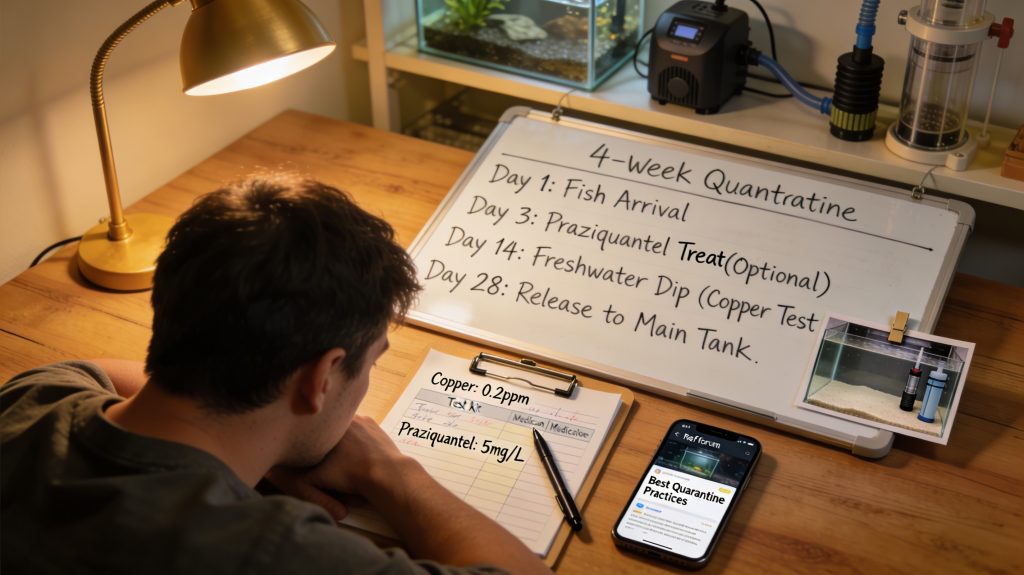
A fish quarantine checklist helps reef keepers prevent disease, reduce stress, and protect display tanks from costly outbreaks. A simple, organized process makes new fish easier to observe, medicate when needed, and acclimate safely before they ever enter the main reef.
Quarantine is one of the best habits in marine fishkeeping. It gives you time to watch new arrivals closely. It also keeps parasites, bacterial infections, and feeding issues out of your display tank. Many hobbyists skip this step once. They often regret it later. This guide covers the full fish quarantine checklist, from tank setup and equipment to observation, treatment, and transfer day. You will learn what to prepare before buying fish, what to monitor daily, and how to avoid common mistakes that lead to losses. Whether you keep clownfish, tangs, wrasses, or angelfish, a solid quarantine routine improves survival and long-term health.
Fish Quarantine Quick Reference Table
| Item | Recommendation | Why It Matters |
|---|---|---|
| Tank size | 10 to 40 gallons | Match size to fish load and species |
| Filtration | Sponge filter or HOB filter | Provides biofiltration and oxygen |
| Heater | Stable 77 to 79°F | Reduces stress and supports immunity |
| Salinity | 1.024 to 1.026 | Keeps transfer to display simple |
| Hiding places | PVC elbows and couplers | Helps fish feel secure |
| Lighting | Dim to moderate | Prevents added stress |
| Observation period | 2 to 4 weeks minimum | Catches delayed symptoms |
| Testing | Ammonia daily at first | Prevents toxic spikes |
| Water changes | As needed, often small and frequent | Maintains water quality |
| Dedicated tools | Net, bucket, tubing, towels | Avoids cross contamination |
Why Quarantine Marine Fish Matters
New fish often arrive stressed. Shipping lowers immune function. Poor handling adds more stress. That stress can hide disease at first. A fish may look healthy in the store. Symptoms can appear days later. Common problems include marine ich, velvet, flukes, bacterial infections, and internal parasites. Once these enter a reef display, removal becomes difficult. Catching every fish in a rock-filled reef is rarely easy.
Quarantine also helps with feeding. Many new fish refuse food at first. In a separate tank, you can target feed and observe appetite. You can also monitor breathing, waste, skin condition, and behavior. This is much harder in a busy display. A quarantine tank gives you control. It removes aggression from established tank mates. It also lets you adjust treatment without harming corals or invertebrates. If you want a healthier reef tank, quarantine is not optional. It is basic risk management.
What to Prepare Before the Fish Arrives
Your quarantine setup should be ready before purchase day. Do not buy fish first and scramble later. Start with a bare-bottom aquarium. Most hobbyists use a 10, 20, or 29-gallon tank. Larger fish need more room. Add a reliable heater and thermometer. Use a sponge filter or hang-on-back filter. Seed bio media in advance if possible. This helps prevent ammonia spikes.
Add several PVC fittings for shelter. Avoid live rock if you plan to medicate. Rock can absorb medications. It can also hide uneaten food and waste. Keep lighting soft. Bright light can stress fresh imports. Have saltwater mixed and heated. Keep extra water ready for emergency changes. You also need a lid. Many marine fish jump, especially wrasses and gobies. Gather dedicated tools. Use separate nets, buckets, tubing, and towels. Cross contamination defeats the whole purpose of quarantine. Label everything clearly and keep it away from display tank equipment.
Step-by-Step Fish Quarantine Checklist
- Set up the quarantine tank at least one day early.
- Match temperature and salinity to the shipping water if needed.
- Acclimate the fish carefully and avoid long drip sessions.
- Transfer the fish with minimal bag water entering the tank.
- Keep lights dim for the first day.
- Offer a small meal after the fish settles.
- Observe breathing, swimming, and body condition.
- Test ammonia daily during the first week.
- Perform water changes whenever ammonia rises.
- Record feeding response and stool appearance.
- Look for spots, flashing, frayed fins, or cloudy eyes.
- Decide on observation only or a treatment protocol.
- Complete the full quarantine period without rushing.
- Transfer only healthy, feeding fish to the display.
This checklist keeps the process simple. It also prevents skipped steps. Many quarantine failures come from poor planning, not bad luck. Write the checklist down. Keep it near the tank. Daily consistency matters more than fancy equipment.
Ideal Quarantine Tank Setup
A quarantine tank should be simple and easy to clean. Bare bottom is best. Waste is easy to spot and remove. PVC pieces make excellent shelters. They are cheap, inert, and easy to disinfect. Use an air stone if oxygen seems low. This is especially important during medication. Some treatments reduce oxygen levels. Strong surface agitation helps.
Choose tank size based on the fish. Small gobies and clownfish can do well in a 10 or 20-gallon tank. Tangs, rabbitfish, and larger angels need more space. Overcrowding creates stress and ammonia problems. Keep the environment stable. Sudden salinity swings and temperature drops cause setbacks. A simple ammonia alert badge can help. Still, use a proper test kit too. Keep a siphon hose ready for quick cleanups. Feed lightly at first. Heavy feeding in a new quarantine tank often causes water quality issues. Stability is the main goal.
Observation and Daily Monitoring
Daily observation is the real value of quarantine. Spend a few minutes watching each fish before feeding. Note breathing rate first. Rapid breathing can signal parasites, stress, or poor oxygen. Watch swimming posture. Healthy fish should balance well and respond to movement. Check the fins, eyes, skin, and mouth. Look for white spots, gold dusting, torn fins, red patches, excess mucus, or cloudy eyes.
Feeding response tells you a lot. A fish that eats aggressively usually adapts better. Refusal to eat is common at first. It should improve within a few days. Also watch waste. White stringy feces can suggest internal parasites or poor feeding. Keep notes each day. This helps you spot trends early. A fish that declines slowly can be missed without records. If you quarantine multiple fish, note any aggression. Some species do not tolerate close quarters well. Rearranging PVC shelters can reduce conflict.
Feeding During Quarantine
New fish need nutrition fast. Good feeding supports recovery from shipping stress. Offer small meals two to three times daily if water quality allows. Start with familiar foods. Mysis shrimp, brine shrimp, pellets, and finely chopped seafood work for many species. Herbivores need algae sheets or spirulina-based foods. Tangs and rabbitfish should not go long without plant matter.
Rotate foods to improve nutrition. Soaking food in vitamins can help weak fish. Garlic is popular, though results vary. It may encourage some fish to eat. Remove uneaten food quickly. Quarantine tanks are small. Waste builds fast. Some fish need special tactics. Shy wrasses may prefer live foods at first. Butterflyfish may need clam or blackworms to start feeding. Once the fish eats reliably, transition toward your normal diet. This makes the final move easier. A fish that eats prepared foods well is much more likely to thrive in the display.
Treatment Options and When to Use Them
There are two main quarantine styles. The first is observation only. The second is proactive treatment. Observation works if you buy from trusted sources and monitor closely. Proactive treatment aims to prevent common diseases before symptoms appear. The best option depends on your risk tolerance, fish source, and skill level.
Common medications include copper for ich and velvet, praziquantel for flukes and worms, and antibiotics for bacterial issues. Each medication has rules. Copper must be tested accurately. Too little may fail. Too much can harm fish. Never mix medications casually. Research each product first. Read labels carefully. Remove carbon during most treatments. Increase aeration when medicating. If you are unsure, observation with strong daily monitoring is safer than random dosing. Quarantine is not just about using medicine. It is about using the right response at the right time.
Common Problems
Ammonia Spikes
Ammonia is the most common quarantine problem. It appears fast in small tanks. New filters may not be fully cycled. Heavy feeding makes it worse. Test daily, especially in the first week. If ammonia rises, do an immediate water change. Reduce feeding slightly. Add seeded media if available. Use an ammonia detoxifier only as a short-term backup. Clean waste from the bottom each day.
Fish Not Eating
Refusing food is common after shipping. Keep the tank quiet and dim. Offer several food types. Try frozen mysis, enriched brine, pellets, nori, or live foods. Check for bullying if multiple fish share the tank. Watch for rapid breathing or flashing. Those signs may point to disease rather than simple stress. Do not let water quality slide while trying many foods.
White Spots or Flashing
White spots, scratching, or flashing can indicate ich or other parasites. Observe carefully. Velvet may appear as a fine dust and often causes fast breathing. Flukes may cause cloudy eyes and irritation. Act quickly if symptoms worsen. Confirm the likely cause before treatment. Fast action matters most with velvet, which can kill quickly.
Rapid Breathing
Heavy breathing can result from low oxygen, ammonia, shipping stress, or gill parasites. First, check temperature and ammonia. Increase aeration right away. Then inspect for other symptoms. If breathing stays high, suspect disease. Gill issues often appear before visible body symptoms. Do not ignore this sign.
How Long Should Fish Stay in Quarantine?
Most reef keepers quarantine fish for at least two to four weeks. Longer is often better. A full month gives more time to detect delayed symptoms. It also confirms the fish is eating well and regaining strength. If you treat with medication, follow the full treatment timeline. Do not shorten it because the fish looks better. Stopping early often leads to relapse.
The fish should be active, symptom-free, and feeding aggressively before transfer. Waste should look normal. Breathing should be calm. Fins and skin should appear clean. If anything seems off, extend quarantine. A few extra weeks in quarantine is far easier than managing an outbreak in a reef display. Patience protects the whole system.
Moving Fish to the Display Tank
Transfer day should be calm and planned. Match salinity and temperature between tanks first. This reduces acclimation stress. Use a specimen container or fish trap if possible. Nets can damage fins and slime coat. Do not transfer quarantine water into the display. Move only the fish. Keep lights lower than usual for a few hours after introduction.
Watch for aggression from established fish. Tangs, dottybacks, and some wrasses may challenge newcomers. Feeding the display tank just before introduction can help. Adding the new fish near dusk also works well. Continue close observation for several days. A healthy quarantine fish still needs time to adjust to new tank mates and rockwork. The goal is a smooth transition, not a rushed one.
Frequently Asked Questions
Do I need to quarantine every new fish?
Yes, if you want to reduce disease risk. Even healthy-looking fish can carry parasites or infections.
Can I use live rock in a quarantine tank?
It is usually not ideal. Live rock absorbs medications and makes cleaning harder. PVC is a better shelter choice.
How big should a quarantine tank be?
For many fish, 10 to 20 gallons works. Larger or more active fish need more space.
Should I medicate every fish automatically?
Not always. Some hobbyists prefer observation. Others use proactive treatment. Choose a method you understand well.
What is the biggest quarantine mistake?
Poor water quality is the most common mistake. Ammonia kills quickly and often causes avoidable losses.
Final Tips for a Successful Fish Quarantine Checklist
Keep quarantine simple. Keep it clean. Keep it consistent. Those three habits prevent most problems. Prepare the tank before you shop. Monitor fish every day. Feed carefully and protect water quality. Do not rush treatment choices. Do not rush transfer day either. Quarantine works best when it becomes routine.
If you want to build stronger reefkeeping habits, also review our guides on cycling a marine tank, reef tank water parameters, acclimating saltwater fish, and common marine fish diseases. These topics connect directly to quarantine success. A healthy display tank starts long before a fish enters it.
Was this helpful?
Related Posts
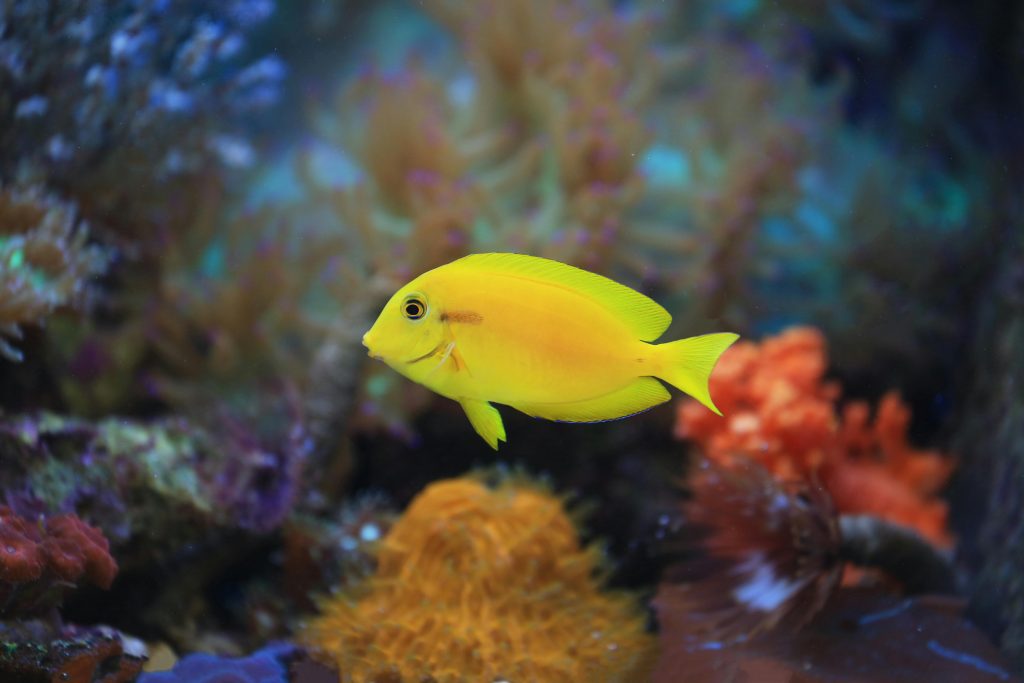
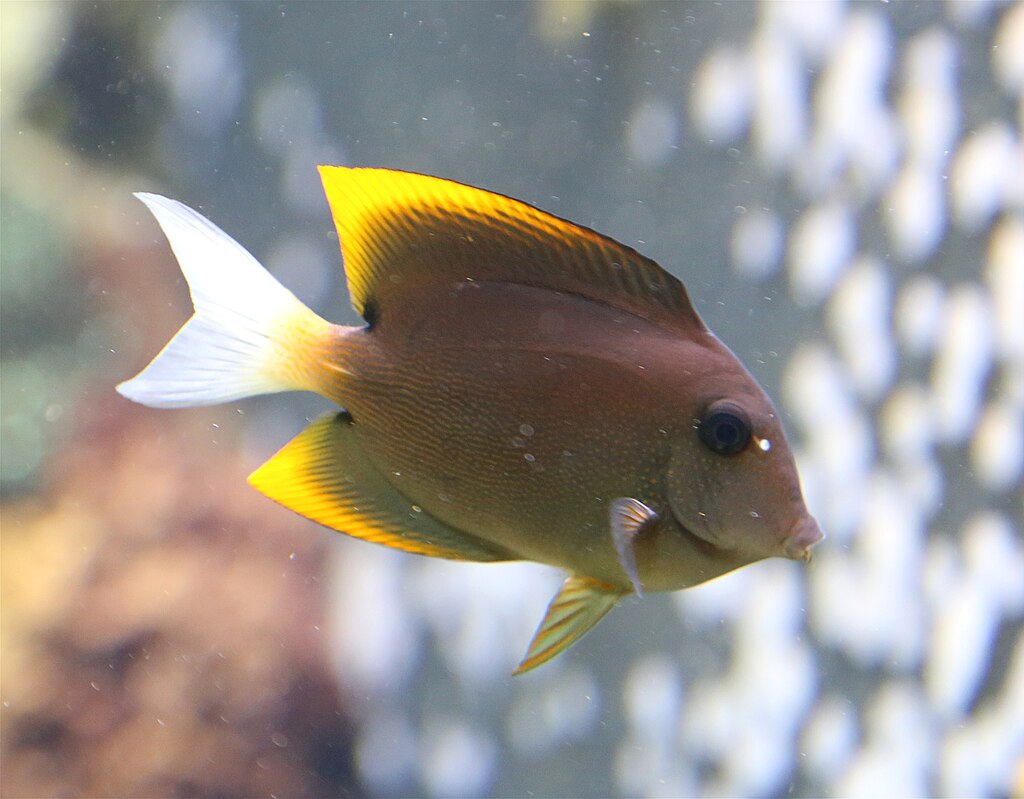
Juvenile Orange Shoulder (acanthurus Olivaceus)
Juvenile orange shoulder tangs are bright, hardy, and reef safe, but they grow large and need a spacious…
 By
By
Best Filtration Systems
Best Filtration Systems for a Healthy Saltwater Aquarium Choosing the best filtration system for your saltwater aquarium is…
[favorite_button]
My Bookmarks:
To see full list click here
[user_favorites user_id="" include_links="true" site_id="" post_types="" include_thumbnails="true" thumbnail_size="thumbnail" include_excerpt="false"]