

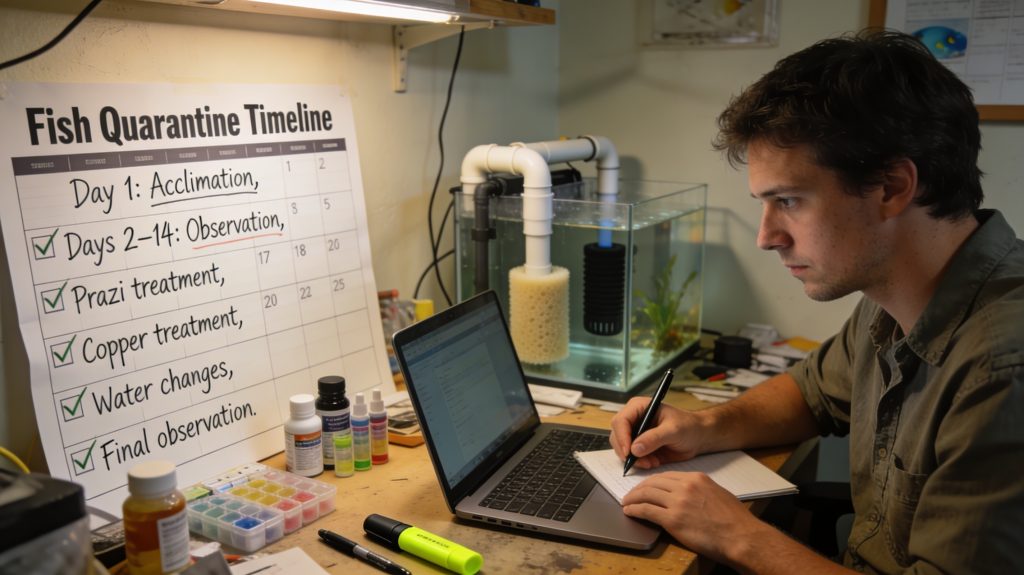
Our fish quarantine timeline follows a simple goal. Keep new fish stable, eating, and disease free before they enter the display. A good timeline reduces losses, protects your reef, and gives you a clear plan when problems appear.
Many reef keepers rush quarantine. That usually ends badly. Marine ich, velvet, flukes, and bacterial issues often hide during the first days. Fish also arrive stressed from shipping. They need calm conditions, clean water, and close observation. In this guide, I will walk through the quarantine timeline we use for most reef fish. You will learn what to do on arrival day, what to watch during each week, when to feed, when to medicate, and when a fish is truly ready for the display tank. The exact schedule can vary by species. Still, the framework works well for beginners and intermediate hobbyists.
Quick Reference Quarantine Timeline
| Stage | Timeline | Main Goal | Key Actions |
|---|---|---|---|
| Arrival and acclimation | Day 0 | Reduce stress | Match temperature, test salinity, transfer gently, dim lights |
| Initial observation | Days 1-3 | Stabilize fish | Observe breathing, appetite, waste, spots, flashing |
| Preventive treatment | Days 4-21 | Address common parasites | Use copper if appropriate, consider praziquantel, monitor ammonia |
| Recovery and feeding | Days 22-28 | Rebuild strength | Heavy feeding, water changes, confirm normal behavior |
| Final observation | Days 29-42 | Confirm display readiness | Watch for symptoms after treatment, verify eating and weight |
This timeline is a practical baseline. Some fish need more time. Delicate species often benefit from a slower start. Aggressive disease cases may extend quarantine beyond six weeks.
Why We Quarantine Every Fish
Quarantine protects your display tank. That is the biggest reason. A reef tank can hold expensive fish, corals, and invertebrates. Once a parasite enters the system, removal becomes hard. Treatment is also limited in a reef. Copper cannot be used in a display with corals or inverts. Catching every fish later is stressful and time consuming.
Quarantine also helps the new fish. A separate tank removes competition. Food is easier to target. You can watch the fish closely. You can react fast if breathing increases or white spots appear. Weight loss is also easier to notice. Many fish arrive thin. Some have internal parasites. Others simply need several quiet days before they trust prepared foods.
Think of quarantine as a reset period. It is not just a disease box. It is a conditioning period. Healthy fish enter the display stronger, calmer, and more likely to thrive long term.
Quarantine Tank Setup
A basic quarantine tank does not need to be fancy. It needs to be stable. A 10 to 20 gallon tank works for many small fish. Larger fish need more room. Tangs, angels, and active wrasses may need 30 gallons or more. Bare bottom tanks are easiest to clean. They also let you spot waste and uneaten food quickly.
Use a heater, thermometer, sponge filter, and simple powerhead if needed. Add PVC elbows or couplings for shelter. Fish need hiding places. Keep the lid secure. Many marine fish jump, especially wrasses and gobies. Use a light, but keep it dim at first. Bright light adds stress during the first days.
Match salinity and temperature to the vendor water when possible. Then raise or adjust slowly over time. Keep ammonia under control at all times. That means using seeded bio media when possible and testing often. If you are still building your quarantine routine, read our guides on cycling a reef tank, reef tank salinity, and reef aquarium water parameters.
Day 0: Arrival, Acclimation, and First Impressions
Arrival day sets the tone. Start by checking the fish in the bag. Look at breathing rate. Look for torn fins, cloudy eyes, frayed mucus, and visible spots. Test the bag salinity if possible. Many vendors ship fish in lower salinity. A fast jump upward can stress the fish badly.
We usually float the bag for temperature first. Then we transfer the fish with limited exposure to shipping water. Long drip acclimation is not always best. Shipping water often contains rising ammonia and low pH. Once the bag opens, ammonia becomes more dangerous. Fast but careful transfer is usually safer if salinity is close. If salinity is very different, adjust the quarantine tank slowly over the next day instead.
Keep lights low. Do not chase the fish with a net unless needed. Offer shelter right away. Most fish will not eat on day 0. That is normal. Focus on calm behavior, steady breathing, and clean water.
Days 1 to 3: Observation Before Full Treatment
The first three days are about reading the fish. Observe several times each day. Watch how the fish swims. Look for flashing, head twitching, clamped fins, heavy breathing, or staying near the surface. Check for white dots, gold dusting, excess mucus, or stringy waste. These signs point toward different issues.
Feeding starts here. Offer small meals two to three times daily. Use easy foods first. Mysis, brine enriched with vitamins, pellets, and nori all work depending on species. Remove leftovers quickly. Appetite is one of your best health indicators. A fish that eats on day 1 often does much better long term.
We also avoid stacking too many stressors at once. If a fish arrives weak, we may delay treatment briefly. A fish in shock can decline fast under medication. Stable breathing and some feeding are good signs before moving to the next stage.
Days 4 to 21: Preventive Treatment Phase
This is the core of our fish quarantine timeline. Many hobbyists use preventive treatment for common external parasites. Copper is often used for marine ich and velvet. It must be dosed carefully. Always use a reliable test kit or digital checker. Raise copper slowly to the target level. Sudden full dosing can shock sensitive fish.
Praziquantel is commonly used for flukes and some internal worms. It is often added in one or two rounds, depending on the product. During treatment, test ammonia often. Medications can stress bio filtration. Water changes may be needed. Redose as required after changes. Keep aeration strong. Some medications reduce oxygen exchange, and fish under treatment need high oxygen.
Not every species handles every medication equally well. Wrasses, mandarins, and some scaleless fish need extra caution. Research the species before treatment. If you are unsure, observation-only quarantine is safer than guessing with meds. The key is consistency. Half-finished treatment often fails and creates confusion later.
Days 22 to 28: Recovery, Weight Gain, and Routine
After treatment, fish need recovery time. This week matters more than many hobbyists realize. The goal is not just survival. The goal is strength. Fish should eat aggressively, pass normal waste, and show calm, normal swimming. Fins should look better. Breathing should be steady. Body weight should improve.
Feed a varied diet. Use frozen foods, quality pellets, and algae if the species grazes. Soak foods in vitamins if the fish arrived thin. Small meals work better than one large dump of food. This keeps water cleaner and improves digestion. Continue regular water changes. Keep nitrate reasonable and ammonia at zero.
This is also a good time to match the display tank salinity and temperature exactly. Avoid making those changes on transfer day. Gentle adjustment now makes the final move easier. If the fish still acts off, extend quarantine. There is no prize for rushing.
Days 29 to 42: Final Observation Before Display Transfer
The final observation period confirms that the fish is truly ready. We want to see normal behavior without active medication masking the picture. If a parasite issue returns here, the fish was not finished. That is frustrating, but it is much better than discovering the problem in your reef tank.
During this phase, keep the fish on a normal day and night schedule. Feed consistently. Watch for scratching, faded color, rapid breathing, or hiding more than usual. Check the body closely under both white and blue light. Some spots are easier to see under different lighting. Continue basic maintenance and avoid major changes.
When transfer day comes, move the fish gently. Use a specimen container when possible. Nets can damage fins and slime coat. Introduce the fish with lights dimmed in the display. If aggression is likely, use an acclimation box. This works especially well for tangs, wrasses, and territorial clownfish. You can learn more in our guides on reef safe fish and adding fish to a new reef tank.
Common Problems During Fish Quarantine
The Fish Will Not Eat
This is common during the first days. Start with lower light and more shelter. Try several food types. Use frozen mysis, live blackworms if available, or algae sheets for herbivores. Check for bullying if more than one fish is present. Also check ammonia. Fish often stop eating when water quality slips.
Ammonia Keeps Rising
Quarantine tanks are small. They foul quickly. Use seeded sponge filters when possible. Feed lightly but often. Siphon waste daily. Test ammonia every day during the first week and during treatment. Water changes are your safety net. Always keep extra mixed saltwater ready.
The Fish Breathes Fast
Fast breathing can mean stress, ammonia, low oxygen, flukes, velvet, or copper intolerance. Check the basics first. Test ammonia. Increase aeration. Confirm temperature. Then review symptoms. If breathing worsens fast, act quickly. Velvet can kill within days.
White Spots Appeared After Treatment
This usually means the treatment was incomplete, the level was not maintained, or the issue was misidentified. Confirm your test method. Review the timeline. Extend quarantine. Do not move the fish to the display and hope for the best. Hope is not a treatment plan.
Step-by-Step Fish Quarantine Checklist
- Prepare a cycled quarantine tank before buying fish.
- Match temperature and check salinity on arrival.
- Transfer the fish gently and keep lights dim.
- Observe breathing and behavior for the first 24 hours.
- Offer small meals starting on day 1.
- Test ammonia daily and siphon waste often.
- Begin preventive treatment only after the fish stabilizes.
- Maintain exact medication levels with proper testing.
- Feed heavily during recovery and monitor weight gain.
- Observe the fish without medication before display transfer.
- Move the fish only when it eats well and shows no symptoms.
Frequently Asked Questions
How long should fish stay in quarantine?
Four to six weeks is a solid baseline. Six weeks is safer for many reef fish.
Can I quarantine multiple fish together?
Yes, but only if the tank is large enough and the fish are compatible. Crowding increases stress and ammonia.
Do all fish need copper treatment?
No. Some hobbyists use observation-only quarantine. Others treat preventively. Sensitive species need a cautious approach.
Can I use live rock in a quarantine tank?
It is not ideal if you plan to medicate. Rock absorbs medications and makes dosing less predictable.
When is a fish ready for the display tank?
When it eats aggressively, maintains weight, breathes normally, and shows no disease signs after the observation period.
Related reading: cycling a reef tank, reef aquarium water parameters, reef safe fish, adding fish to a new reef tank, reef tank salinity.
Was this helpful?
Related Posts
Best Filtration Systems
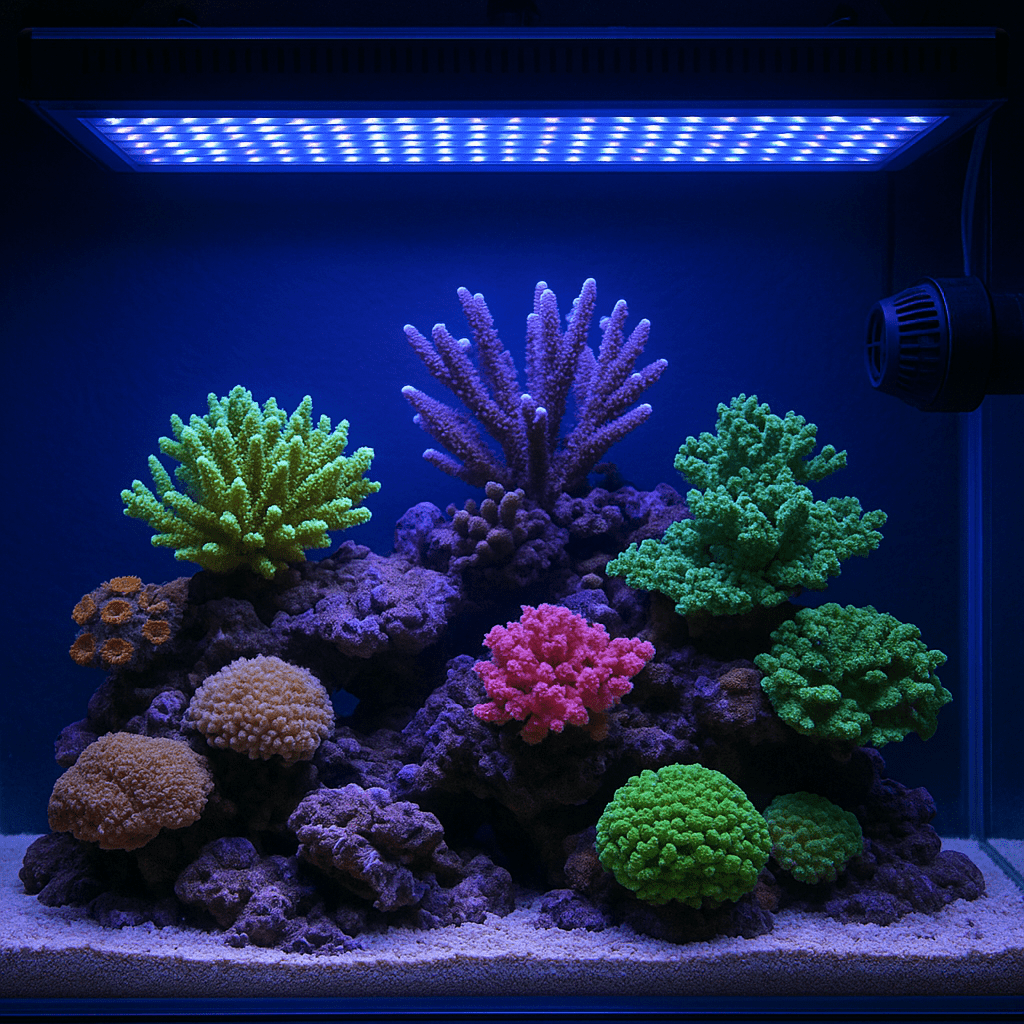
Best Filtration Systems for a Healthy Saltwater Aquarium Choosing the best filtration system for your saltwater aquarium is…
 By
By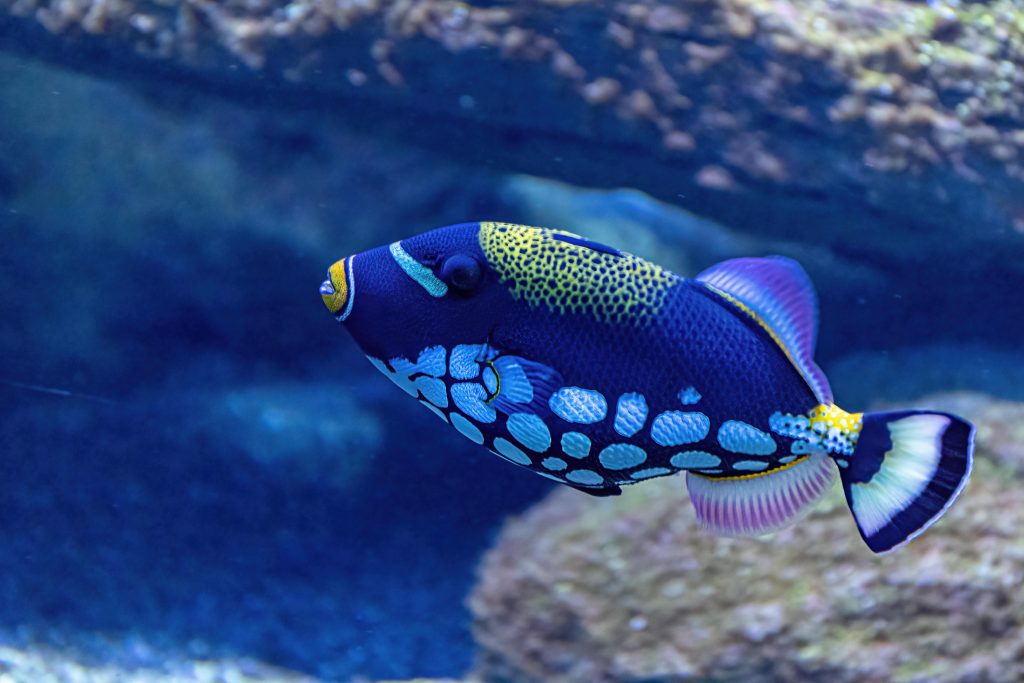
Clown Triggerfish (Balistoides Conspicillum)
Clown triggerfish are stunning but aggressive marine fish that need very large tanks, strong filtration, and careful tankmate…
[favorite_button]
My Bookmarks:
To see full list click here
[user_favorites user_id="" include_links="true" site_id="" post_types="" include_thumbnails="true" thumbnail_size="thumbnail" include_excerpt="false"]