

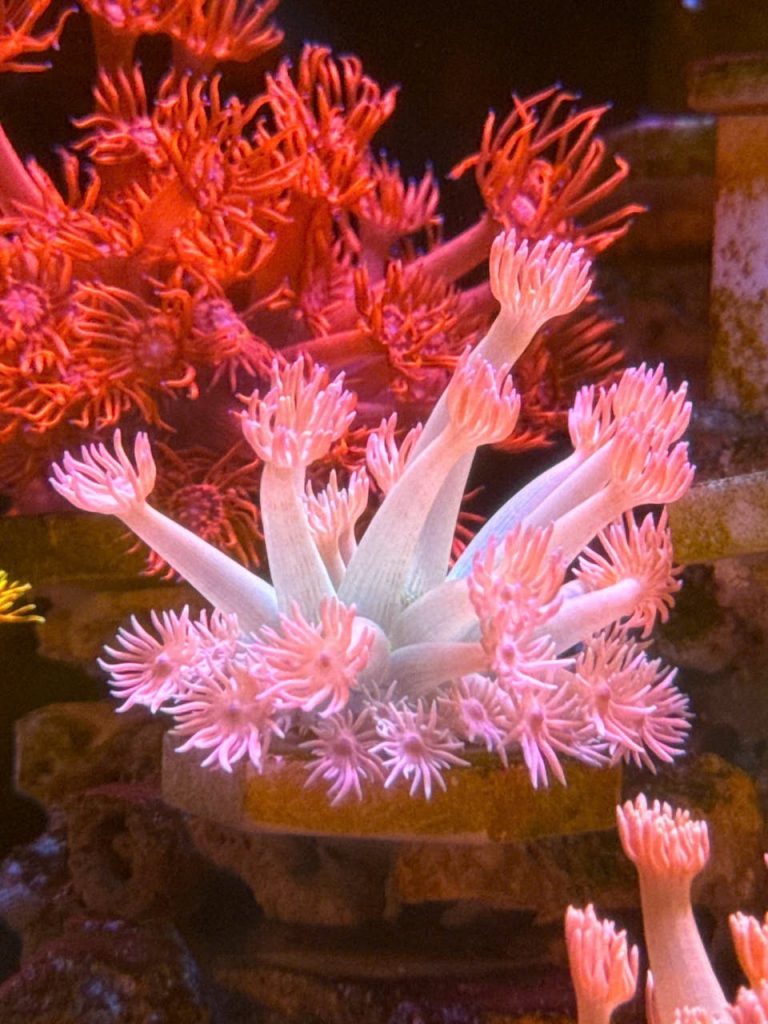
A good frag rack setup keeps coral frags stable, clean, and easy to inspect. It also helps you control light, flow, and spacing while new frags heal and encrust. The best setup matches your tank size, coral types, and maintenance routine. Small details matter here. Rack placement, magnet strength, plug fit, and algae control all affect success.
Many reef keepers treat a frag rack like a simple accessory. In practice, it is a useful management tool. It can protect fresh cuts from sand, keep aggressive corals apart, and create a safe observation zone for pests or tissue loss. A well-planned rack also makes selling, trading, and growing corals much easier. In this guide, you will learn how to choose the right frag rack, where to place it, how to match it to lighting and flow, and how to avoid the common mistakes that lead to nuisance algae, falling frags, and stressed corals.
Frag Rack Setup Quick Reference
| Factor | Best Practice |
|---|---|
| Rack location | Place in moderate light and moderate, indirect flow |
| Height in tank | Adjust based on coral type and PAR target |
| Spacing | Leave room for growth and easy handling |
| Mounting style | Use strong magnets for glass racks, stable feet for in-tank racks |
| Best for fresh frags | Low stress zone away from sand and fish traffic |
| Cleaning | Scrub weekly to prevent algae and detritus buildup |
| Plug fit | Choose holes that hold standard frag plugs securely |
| Ideal use | Healing, quarantine observation, grow-out, and display |
What Is a Frag Rack and Why Use One?
A frag rack is a platform that holds coral frags above the sand bed. Most racks use magnets, suction cups, or freestanding legs. The goal is simple. Keep frags secure and easy to manage. That matters more than many beginners expect. Loose frags can tumble into rockwork, get buried in sand, or sting nearby corals.
Frag racks are useful in display tanks and dedicated frag systems. In a display tank, they provide a temporary holding area. This is helpful for new coral purchases, fresh cuts, and observation. In a frag tank, the rack becomes part of the grow-out system. It helps organize corals by type, color, or light demand. It also simplifies target feeding, dipping, and photography. If you trade or sell frags, a rack speeds up access and keeps your inventory visible. For reef keepers who like order, a frag rack can reduce stress and improve coral survival. That makes it one of the most practical tools in reef husbandry.
Choosing the Right Frag Rack
Start with your tank and your goals. A small display tank needs a compact rack that does not dominate the view. A large frag system can use wide shelves or multi-tier racks. Acrylic racks are common. They are easy to clean and often have standard plug holes. Egg crate racks are cheap and flexible. They work well in fish rooms but look less polished in a display.
Magnetic racks are the most popular choice. They save floor space and keep frags off the substrate. Buy a rack with magnets rated for your glass thickness. Weak magnets fail over time. That can damage corals and scratch glass. Suction cup racks are less reliable long term. They can work in light-duty setups, but they often slip as cups age. Also check plug hole size and spacing. Some racks hold standard ceramic plugs better than others. If you grow encrusting SPS or fast zoas, wider spacing helps prevent crowding. A black rack blends into the background. A clear rack looks cleaner at first, but algae shows quickly.
Step-by-Step Frag Rack Setup
First, decide what the rack will do. Is it for healing fresh frags, long-term grow-out, or temporary display? That choice affects placement. Healing frags need lower stress. Grow-out frags need stable light and flow. Next, test the rack outside the tank. Make sure plugs fit snugly. Check magnet hold. Rinse the rack with fresh water before use.
Then choose a location in the tank. Avoid dead spots where detritus settles. Avoid direct blast from a powerhead. Place the rack where you can reach it easily. This saves time during feeding, dipping, and cleaning. Add a few test frags first. Do not fill the rack on day one. Watch how polyps respond over several days. If tissue stays tight or colors fade, adjust height or flow. Once the position is stable, add more frags with space between them. Label rare frags if needed. Finally, build a cleaning schedule. A dirty rack collects algae fast. Weekly maintenance prevents most problems before they start.
Aquarium Setup and Placement
Placement affects coral health more than the rack itself. In most tanks, the best zone is mid-level with moderate flow. This area usually gives balanced light and easy access. Keep the rack away from sand storms, feeding rings, and aggressive fish territories. Wrasses, tangs, and angelfish may peck at fresh frags if they are exposed in busy areas.
Think about visibility too. A rack near the front glass is easy to inspect, but it can distract from the display. Side glass placement works well for temporary holding. It keeps frags accessible without becoming the focal point. Leave enough room around the rack for coral growth and hand movement. Do not wedge it tightly into rockwork. You want water to move around every plug. If the rack sits in a sump or frag tank, keep the water level stable. Exposed frags dry quickly during evaporation swings. Stability matters. Corals tolerate a simple rack far better than a perfect rack in a poor location.
Lighting Requirements for a Frag Rack
Light should match the coral, not the rack. Soft corals and many zoanthids usually do well in lower to moderate PAR. LPS often prefer moderate light. Many SPS frags need stronger light, but fresh cuts still benefit from a gentler start. A common mistake is placing all new frags too high. That can bleach tissue before the coral settles in.
Use your rack to create a light acclimation zone. Start lower for new arrivals. Move them upward slowly if needed. If you have a PAR meter, use it. It removes guesswork. If not, observe color and polyp extension closely. Pale tissue can mean too much light. Browning can suggest too little light, excess nutrients, or both. Keep the rack level if possible. Uneven angles can expose one side of the frag more than the other. This matters with branching SPS. Consistency is the goal. Corals adapt well to stable light. They struggle with frequent moves and sudden intensity changes.
Water Flow for Healthy Frags
Good flow keeps waste from settling on frags. It also delivers oxygen and nutrients to coral tissue. Most frag racks do best in moderate, indirect flow. You want movement around the coral, not a harsh stream hitting one side. Strong direct flow can strip tissue from fresh cuts. Weak flow lets detritus and film algae collect.
Watch each coral type. Euphyllia needs gentle, swaying flow. Acropora usually prefers stronger, turbulent movement. Zoanthids like enough flow to stay clean, but not so much that they stay closed. If one section of the rack gets dirty faster, adjust a powerhead or rotate the rack. Random flow patterns work better than constant laminar flow. In a frag tank, two smaller pumps often work better than one strong pump. This creates broader circulation and fewer dead spots. The best sign of proper flow is simple. Polyps extend, tissue stays clean, and detritus does not settle around the plugs.
Feeding and Nutrient Management
Not every frag needs target feeding, but all frags need stable nutrients. Corals use light, dissolved nutrients, and available food together. A rack packed with frags can change nutrient demand in a small system. This is easy to miss. If your corals look pale and growth stalls, nutrients may be too low. If algae covers plugs and rack surfaces, nutrients may be too high.
Feed according to coral type. Many LPS frags benefit from occasional meaty foods. Soft corals and SPS often rely more on dissolved nutrients and fine particulate foods. Feed lightly at first. Then watch the tank response. A frag rack can trap leftover food if flow is poor. Siphon debris during water changes. Keep nitrate and phosphate in a stable, reasonable range. Chasing zero often backfires. Corals need balance more than extremes. If you run heavy filtration, monitor how quickly fresh frags lose color. That can signal a system that is too clean for certain species.
Compatibility With Fish, Corals, and Invertebrates
A frag rack creates close contact between corals. That can be helpful or risky. Fast growers can shade neighbors. Sweepers from LPS can sting nearby frags at night. Zoanthids can spread onto plugs beside them. Keep aggressive species separated. Leave extra room for anything with long tentacles or fast encrusting growth.
Fish and invertebrates also matter. Some crabs and hermits climb racks and knock frags loose. Urchins can bulldoze unsecured plugs. Certain butterflyfish, angelfish, and even curious tangs may nip coral tissue. Wrasses can kick sand onto low racks. If a frag repeatedly falls, the cause may be a tank inhabitant rather than weak glue. Fresh cuts are especially vulnerable. Place them where shrimp and fish cannot pick at exposed skeleton. A rack is not a quarantine substitute, but it does help with observation. You can inspect for pests, recession, and nudibranch eggs more easily when frags are grouped and elevated.
Propagation and Fragging
When to Move Fresh Frags to a Rack
Move fresh frags to the rack once the cut is secure on the plug and dip stress has passed. Most hobbyists place them on the rack right away. That works if flow is not too strong. Fresh cuts need stability. Avoid moving them repeatedly during the first week.
How to Arrange Frags for Growth
Group frags by light and flow needs. Keep SPS on the higher or brighter side. Place lower-light frags lower or in shaded zones. Leave enough room for encrusting bases to spread. Crowded racks become a maintenance headache fast.
When to Mount Frags on the Rockwork
Move frags off the rack when they show stable extension, good color, and firm encrusting growth. This often takes several weeks. Do not rush. A rushed move often leads to falls, shading, or poor placement in the display.
Common Problems
Why is my frag rack covered in algae?
This is the most common complaint. Racks collect film algae because they sit in bright, open water. High nutrients, weak flow, and neglected cleaning make it worse. Scrub the rack weekly with a soft brush. Increase flow around the rack. Review feeding and nutrient export. Shorten white light intensity if needed.
Why do my frags keep falling off the rack?
Loose plug holes, weak magnets, snails, and fish are common causes. Check plug fit first. Some plugs are narrower than standard holes. Use an adapter disc or swap plugs if needed. Make sure the rack is level. Inspect for hermits, urchins, or strong flow striking one side.
Why are frags losing color on the rack?
Light shock is a frequent cause. New frags often bleach when placed too high. Nutrient imbalance also plays a role. Test nitrate and phosphate. Check alkalinity stability. Corals on racks are easy to move, but constant repositioning adds stress. Make one adjustment at a time.
Why are polyps not extending?
Look at flow, pests, and recent handling. Too much direct flow keeps many corals closed. Dips and shipping stress can delay extension for days. Inspect for flatworms, nudibranchs, or vermetid irritation. Also check nearby corals for chemical or physical aggression.
Frequently Asked Questions
Where should I place a frag rack in a reef tank?
Place it in moderate light and moderate, indirect flow. Mid-level side glass is often ideal. Keep it easy to reach for cleaning and inspection.
Can I keep frags on a rack long term?
Yes, many hobbyists do. Long-term success depends on spacing, cleaning, and matching light and flow to each coral. Fast growers will need trimming or relocation.
Are magnetic frag racks safe?
Yes, if they are made for aquarium use and rated for your glass thickness. Cheap magnets can slip or corrode. Buy from a trusted reef brand.
Do frag racks cause algae problems?
They can if neglected. Bright light and trapped detritus encourage algae growth. Weekly brushing and proper flow usually keep this under control.
Should new coral frags go on a rack first?
In many tanks, yes. A rack makes it easier to observe pests, manage light acclimation, and prevent fresh frags from falling into rockwork or sand.
Final Tips for a Better Frag Rack Setup
Keep your frag rack simple. Strong mounting, proper placement, and regular cleaning matter most. Match the rack zone to the corals you keep. Resist the urge to overcrowd it. Frags need room for water movement and future growth. Treat the rack as an active part of your reef, not a dumping spot for extras. If you do that, it will become one of the most useful tools in your system.
For more reef setup help, see reef tank setup, coral lighting guide, reef tank flow guide, and how to dip coral.
Was this helpful?
Related Posts
Best Filtration Systems
Best Filtration Systems for a Healthy Saltwater Aquarium Choosing the best filtration system for your saltwater aquarium is…
 By
By
Clown Triggerfish (Balistoides Conspicillum)
Clown triggerfish are stunning but aggressive marine fish that need very large tanks, strong filtration, and careful tankmate…
[favorite_button]
My Bookmarks:
To see full list click here
[user_favorites user_id="" include_links="true" site_id="" post_types="" include_thumbnails="true" thumbnail_size="thumbnail" include_excerpt="false"]