

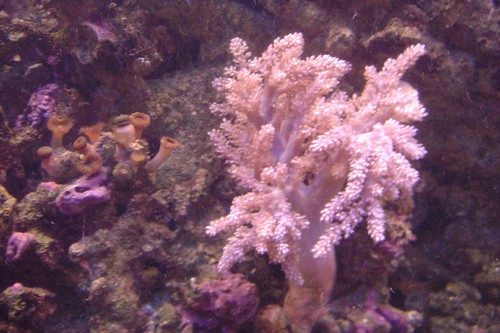
Fragging soft corals is one of the easiest ways to grow your reef and share healthy coral with others. Most soft corals heal fast, tolerate simple cutting methods, and adapt well to beginner propagation techniques when water quality stays stable and handling is gentle.
In this guide, you will learn how to frag common soft corals safely, what tools work best, how to mount loose frags, and how to avoid the most common mistakes. We will cover leather corals, zoanthids, mushrooms, and other popular softies. You will also learn when not to frag, how to reduce stress, and how to improve survival rates after cutting.
Quick Reference Table
| Coral Type | Best Fragging Method | Difficulty | Healing Time | Special Notes |
|---|---|---|---|---|
| Mushrooms | Cut into sections | Easy | 1 to 3 weeks | Use rubble cups or mesh to contain pieces |
| Zoanthids | Cut connecting mat | Easy to moderate | 1 to 2 weeks | Wear gloves and eye protection |
| Leather corals | Slice branches or lobes | Easy | 1 to 3 weeks | May slime heavily after cutting |
| Green star polyps | Peel and cut mat | Easy | Several days to 2 weeks | Fast grower and easy to spread |
| Xenia | Cut stalks or runners | Easy | Several days to 2 weeks | Attach loosely until it grips |
Soft corals are popular fragging candidates because they lack a hard skeleton. That makes them easier to cut than stony corals. It also means they need different mounting methods. Many new reef keepers struggle most with attachment, not cutting. A clean cut is usually simple. Keeping the new frag secure long enough to heal is the real challenge.
Why Frag Soft Corals?
Fragging helps manage growth in a mixed reef. Many soft corals spread quickly. Some can shade nearby corals or crowd valuable rock space. Cutting them back keeps the aquascape balanced. It also improves flow and light access around the colony.
Fragging is also a practical backup plan. If a colony gets damaged, healthy pieces can be saved. Many hobbyists frag before moving a tank or making major changes. This reduces the risk of losing a whole colony. It also gives you extra frags to trade or grow out.
Another benefit is faster tank maturity in appearance. A few healthy frags can become full colonies over time. If you enjoy coral collecting, propagation also helps lower long-term costs. You can build diversity through swaps instead of buying every coral at retail prices.
Which Soft Corals Are Best for Beginners?
Some soft corals are much easier to frag than others. Mushrooms are excellent for beginners. They tolerate cutting well and often regenerate from small pieces. Green star polyps are also simple. Their mat peels away from rock and can be cut into sections.
Xenia is another easy option. It grows fast and usually attaches quickly if placed in low to moderate flow. Toadstool leathers and finger leathers are also forgiving. You can cut off a branch or lobe and mount it to rubble. Most heal well in stable tanks.
Zoanthids are common fragging targets too. They are not hard to frag, but safety matters more. Some species may contain palytoxin. Always protect your skin and eyes. Work in a ventilated area. Never boil, scrub, or expose zoanthids to hot water. If you are new to coral propagation, start with mushrooms or leather corals first.
Tools and Safety Gear You Need
You do not need expensive equipment to frag soft corals. A basic kit works well for most jobs. Sharp scissors, a clean scalpel, bone cutters for removing small rocks, coral glue gel, rubber bands, mesh, and small frag plugs cover most needs. A few shallow containers also help during handling and rinsing.
Safety gear matters. Wear disposable gloves every time. Eye protection is strongly recommended. This is essential with zoanthids and palythoas. Their mucus can irritate skin and eyes. Some species can be dangerous if mishandled. Keep cuts on your hands covered. Wash tools and surfaces after use.
Use tank water in a separate container while working. This reduces air exposure and stress. It also keeps slime and mucus out of the display. If you plan to frag often, keep a dedicated coral station. Simple organization improves speed, cleanliness, and coral survival.
Step-by-Step Guide to Fragging Soft Corals
Start by choosing a healthy colony. Do not frag a coral that is already shrinking, melting, or shedding heavily. Feed the tank well the day before. Make sure salinity, alkalinity, and temperature are stable. Healthy corals recover much faster.
Next, prepare your tools and frag station. Fill one container with tank water for cutting. Fill another for rinsing. Place plugs, rubble, mesh, or rubber bands nearby. Turn off strong pumps if you are working inside the tank. This prevents loose pieces from blowing away.
Make one clean cut instead of several rough cuts. For leathers, slice a branch or lobe cleanly. For mushrooms, cut the disc into halves or quarters. For zoanthids, cut the connecting mat between polyps. For green star polyps, peel up a section and trim it neatly.
Rinse the frag in clean tank water. This removes excess slime. Then mount it using the right method for that coral. Some soft corals attach best with mesh or a loose rubber band. Others can be glued to a small rock if the base is dry enough. Place the frag in low to moderate flow afterward. Avoid blasting it with direct current.
Best Mounting Methods for Soft Coral Frags
Mounting soft corals can be frustrating at first. Glue alone often fails because the tissue is slippery. Leather frags usually do best with a toothpick and rubber band, or with mesh over rubble. The goal is gentle contact, not crushing pressure. Tight bands can cut through tissue.
Mushrooms are usually placed in a small cup with rubble. Cover the cup with mesh or bridal veil. This keeps the pieces contained until they attach. Once they grip the rubble, you can glue the rubble to a plug or rock. This method is simple and reliable.
Zoanthids often come attached to a small mat or rock chip. If the base is firm, glue works well. Green star polyps can be wrapped lightly against a plug or small rock until the mat spreads. Xenia often responds best to a loose basket or toothpick method. Patience matters. Attachment can take days or even weeks.
Natural Habitat and What It Means for Fragging
Soft corals occur across tropical reefs worldwide. Many live in shallow water with changing flow, bright light, and suspended food. Others grow in lower light or more turbid areas. Their flexible bodies help them handle movement and sediment better than many stony corals.
In nature, many soft corals spread through breakage and regrowth. Storms, grazing, and shifting rock can create natural fragments. Those pieces settle elsewhere and continue growing. This helps explain why many soft corals recover quickly after fragging in aquariums. Propagation works because it mimics a natural process.
Still, natural toughness does not mean they can handle poor reef conditions. In the aquarium, healing depends on clean water, stable chemistry, and moderate stress. If your tank swings in salinity or temperature, frags often fail. Understanding their habitat reminds us that resilience and stability must work together.
Aquarium Setup for Fast Healing
You do not need a special frag tank, but it helps. A dedicated frag system gives you better control. In a display tank, place fresh frags in a low aggression area. Keep them away from stinging corals and hungry fish. Avoid unstable rock where they can tumble.
Stable water chemistry is critical. Keep salinity around 1.025, temperature near 76 to 79 degrees, and alkalinity stable. Nitrate and phosphate should not be zero. Soft corals often prefer a slightly nutrient-rich system compared with many SPS corals. Extremely clean tanks can slow growth and reduce extension.
Use activated carbon after cutting leather corals or large colonies. Many soft corals release chemicals into the water. Carbon helps remove these compounds. Good protein skimming also helps after a fragging session. If you frag several colonies at once, monitor the tank closely for stress responses.
Lighting Requirements
Most soft coral frags do best under moderate light while healing. Strong lighting can stress fresh cuts, especially if the coral was recently moved. Start lower in the tank or use a shaded area. Then increase light slowly over several days if needed.
Mushrooms usually prefer low to moderate light. Toadstools, finger leathers, and many zoanthids handle moderate to moderately high light once established. Green star polyps and xenia are adaptable, but they still respond poorly to sudden changes. Stability matters more than chasing a perfect number.
If you use PAR values, many soft coral frags heal well in the 50 to 150 range at first. Some can later thrive above that. Watch the coral instead of relying only on numbers. Excessive stretching suggests too little light. Bleaching or staying tightly closed can suggest too much.
Water Flow
Flow should be enough to keep slime and detritus from settling. It should not be so strong that the frag flips over or tears. This balance is important with fresh cuts. Moderate, indirect flow is usually ideal. Random flow patterns work better than a constant blast.
Leather corals benefit from enough movement to help them shed mucus. Mushrooms prefer gentler flow. Too much current can keep them from attaching. Xenia likes moderate flow, but not enough to rip loose stalks. Zoanthids usually open best with steady but indirect movement.
If a frag stays coated in slime, increase flow slightly. If it keeps detaching or folding over, reduce flow or secure it better. Small adjustments make a big difference during the first week. Always check the frag at night too. Flow can shift after pumps change modes.
Feeding and Recovery
Most soft corals rely heavily on photosynthesis, but feeding still helps recovery. A well-fed reef system often grows soft corals faster. Fish waste, dissolved nutrients, and small particulate foods all support growth. You do not need to target feed every frag.
Some hobbyists use fine coral foods or broadcast phytoplankton and zooplankton blends. Results vary by species. Leather corals and mushrooms often benefit indirectly from a nutrient-rich environment. Zoanthids may accept small meaty particles, but they do not always need direct feeding in a healthy tank.
The biggest feeding mistake is overdoing it. Excess food can fuel algae and irritate fresh frags. Focus on overall tank health first. Stable nutrients, good export, and regular water changes support healing better than heavy spot feeding.
Compatibility in a Reef Tank
Soft coral frags are generally reef safe, but placement still matters. Many release chemical compounds that affect nearby corals. This is called allelopathy. Leathers are well known for it. Running carbon and leaving space between coral groups helps reduce problems.
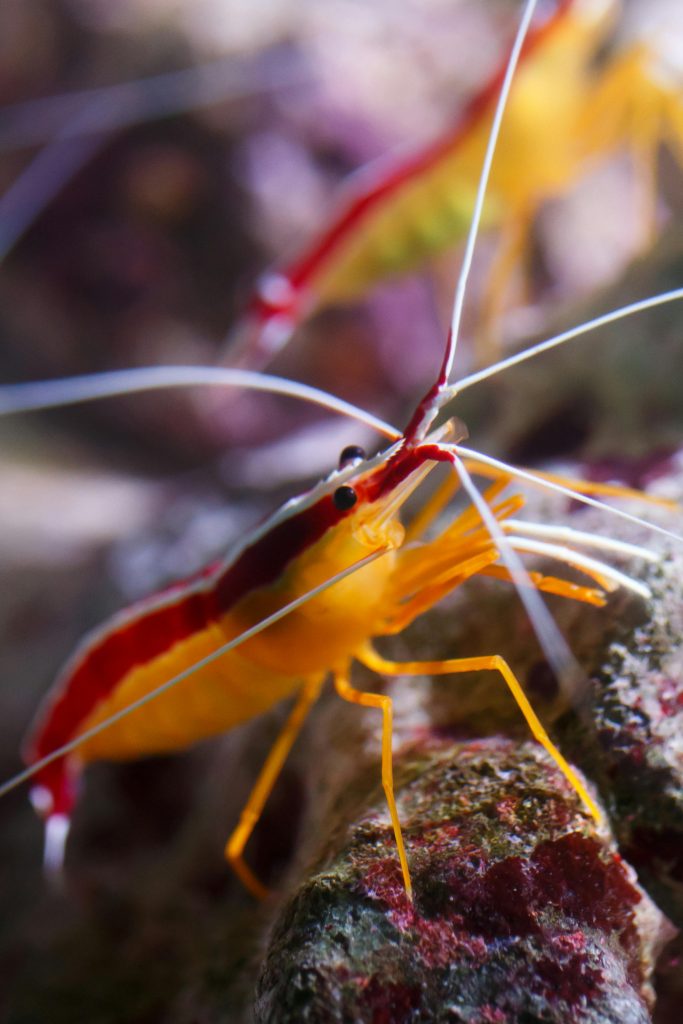
Fish can also interfere with healing. Some angelfish, butterflyfish, and large wrasses may pick at fresh frags. Crabs and shrimp can steal unsecured pieces. Even strong clownfish hosting behavior can irritate a new leather frag. Keep fresh cuts in a protected area if possible.
Fast growers need extra planning. Green star polyps, xenia, and some mushrooms can spread aggressively. Isolate them on separate rocks if you want control. This is one of the best long-term reef keeping habits. It prevents future battles with slower-growing corals.
Propagation and Fragging Methods by Coral Type
Leather Corals
Cut a branch or outer lobe with a sharp blade. Rinse the frag to remove mucus. Secure it to rubble with mesh, a toothpick, or a loose band. Expect temporary shrinking. Most healthy leather frags reopen within days.
Mushroom Corals
Cut the mushroom through the mouth if possible. Place pieces in a rubble cup with mesh on top. Keep flow gentle. Small fragments often regrow into full mushrooms if they stay contained and clean.
Zoanthids
Cut between polyps through the connecting mat. Keep the frag attached to a small rock if possible. Glue the base to a plug. Always use gloves and eye protection. Handle zoanthids with extra caution.
Green Star Polyps and Xenia
Peel or trim a section from the colony. Attach it lightly to rubble or a plug. Give it moderate flow and time. Both usually spread once they settle. These are great practice corals for new fraggers.
Common Problems
Why is my soft coral frag not attaching?
This is the most common issue. Flow may be too strong. The frag may also be mounted too tightly or too loosely. Soft tissue needs gentle contact with a stable surface. Try a rubble cup, mesh cover, or lighter band pressure. Give it more time before moving it again.
Why is the frag staying closed?
Fresh cuts often stay closed for several days. That alone is not a problem. Watch for tissue loss, foul smell, or melting. Those suggest decline. Check temperature, salinity, and flow. Also look for irritation from fish or nearby corals.
Why is my leather coral producing heavy slime?
Leathers often slime after handling or cutting. This is normal at first. Increase indirect flow slightly and run fresh carbon. If the tissue starts breaking down, inspect for bacterial decay or poor water quality. Healthy tissue should stay firm.
Why did my mushroom frag disappear?
Mushroom pieces often float away if unsecured. Search nearby rock crevices and overflow areas. Use a covered rubble cup next time. They can also dissolve in unstable tanks. Sudden salinity changes are a common cause.
Frequently Asked Questions
When is the best time to frag soft corals?
Frag healthy, established colonies in stable tanks. Avoid fragging during disease issues, major parameter swings, or right after shipping.
Can I use super glue on soft corals?
Yes, but it works best on a firm base or attached rubble. For loose tissue, mesh or rubber band methods are often better.
How long does it take soft coral frags to heal?
Many start recovering within days. Full attachment often takes one to three weeks, depending on species and tank conditions.
Should I dip soft coral frags after cutting?
A gentle coral dip can help in some cases, but it is not always necessary. Follow product directions and avoid overhandling fresh cuts.
Can I frag soft corals in the display tank?
Yes, but using a separate container is cleaner and safer. It prevents slime, toxins, and loose pieces from spreading through the display.
For more reef care help, see our guides on reef tank water parameters, coral dipping guide, best soft corals for beginners, and how to mount coral frags.
Was this helpful?
Related Posts
Best Filtration Systems
Best Filtration Systems for a Healthy Saltwater Aquarium Choosing the best filtration system for your saltwater aquarium is…
 By
By
Clown Triggerfish (Balistoides Conspicillum)
Clown triggerfish are stunning but aggressive marine fish that need very large tanks, strong filtration, and careful tankmate…
[favorite_button]
My Bookmarks:
To see full list click here
[user_favorites user_id="" include_links="true" site_id="" post_types="" include_thumbnails="true" thumbnail_size="thumbnail" include_excerpt="false"]