

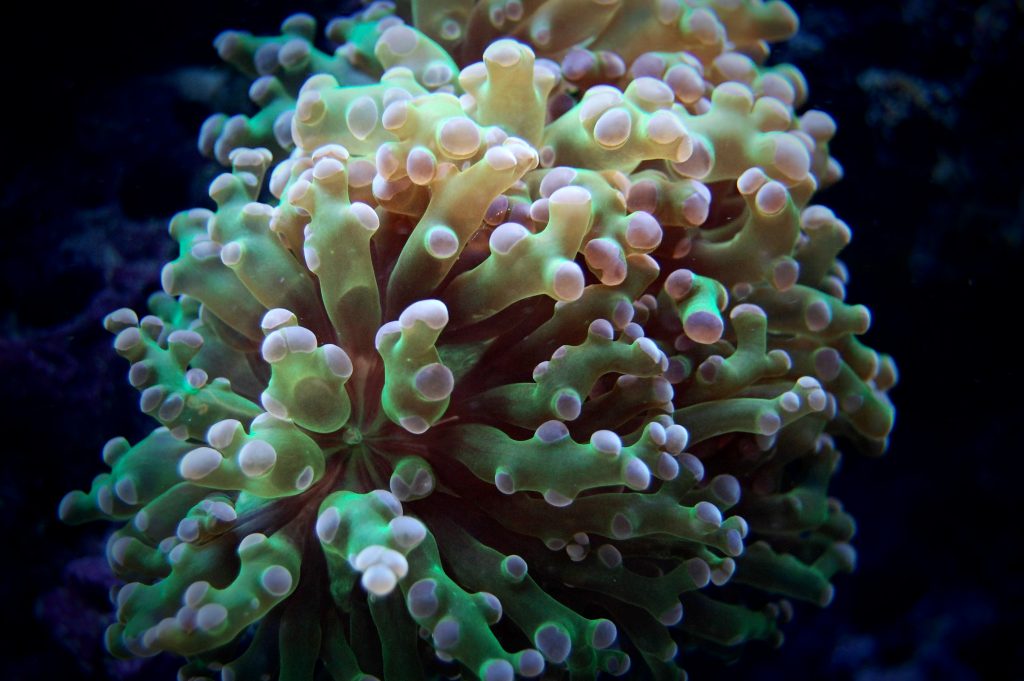
Frogspawn coral is one of the best large polyp stony corals for growing reef keepers. It offers movement, color, and strong visual impact. Most hobbyists succeed with it when they provide moderate light, moderate flow, and stable water chemistry. The biggest mistakes are harsh flow, sudden parameter swings, and poor placement near aggressive neighbors.
In this guide, you will learn how to keep frogspawn coral healthy long term. We will cover placement, lighting, flow, feeding, compatibility, fragging, and common problems. You will also learn how to tell normal expansion from stress. That helps you make better adjustments before tissue damage starts. If you want an LPS coral with motion and personality, frogspawn is a strong choice.
Quick Reference Table
| Care Factor | Recommendation |
|---|---|
| Scientific group | Euphyllia, commonly sold as frogspawn coral |
| Difficulty | Easy to moderate |
| Placement | Lower to middle tank, with room around it |
| Lighting | Moderate, about 80 to 150 PAR |
| Flow | Moderate, indirect, gentle swaying motion |
| Temperament | Semi-aggressive |
| Feeding | Optional but beneficial |
| Temperature | 76 to 79°F |
| Salinity | 1.025 to 1.026 specific gravity |
| Alkalinity | 8 to 9.5 dKH |
| Calcium | 400 to 450 ppm |
| Magnesium | 1250 to 1400 ppm |
| Nitrate | 5 to 15 ppm is a safe target |
| Phosphate | 0.03 to 0.1 ppm |
Use these ranges as a starting point. Stability matters more than chasing perfect numbers. Frogspawn usually reacts badly to rapid changes.
What Is Frogspawn Coral?
Frogspawn coral is a branching or wall-type LPS coral in the Euphyllia group. It is famous for its fleshy tentacles and split tips. Those tips often resemble tiny frog eggs. That shape gives the coral its common name. Colors vary by strain. Green is most common. You can also find gold, purple, pink, and bi-color forms.
This coral adds movement to a reef tank. The polyps sway in the current and soften the look of rockwork. Many hobbyists choose frogspawn as a centerpiece coral. It is easier than many SPS corals. Still, it needs more care than soft corals. It has a hard calcium skeleton beneath fleshy tissue. That means stable alkalinity, calcium, and magnesium are important. It also has sweeper tentacles. Those can sting nearby corals, especially at night. Give it space and it often becomes a long-term favorite.
Natural Habitat
Frogspawn corals come from Indo-Pacific reefs. They are often found in protected reef areas with moderate water movement. In nature, they do not sit in blasting surge all day. They usually receive enough flow to move tentacles and deliver oxygen, but not enough to tear tissue.
Light levels in the wild can vary by depth and water clarity. That is why frogspawn adapts well to moderate reef lighting in aquariums. Like other photosynthetic corals, it hosts zooxanthellae. These symbiotic algae provide much of its energy. The coral still benefits from dissolved nutrients and occasional food capture. Understanding this habitat helps with placement. Aim for a balanced environment. Avoid extremes. Too little flow leads to detritus buildup. Too much flow causes retraction and tissue wear. Moderate conditions usually produce the best expansion and growth.
Aquarium Setup
Frogspawn coral can live in tanks as small as 20 gallons, but larger systems are easier to keep stable. A 40-gallon breeder or larger gives you more placement options. It also makes coral spacing easier. This matters because frogspawn can sting nearby corals.
Place the coral on stable rockwork or a secure frag rack area. Do not wedge fleshy tissue into a tight crevice. The skeleton should be supported, but the polyps need room to expand. Leave several inches between frogspawn and neighboring corals. More space is safer at night. Keep it away from aggressive species like galaxea and some chalices. Also avoid placing it too close to delicate SPS tips. If you keep multiple Euphyllia corals, watch them closely. Some can coexist well. Others may still show aggression. Good aquascaping gives frogspawn open water around its tentacles and enough space for future growth.
Lighting Requirements
Frogspawn coral prefers moderate light. A useful target is about 80 to 150 PAR. Some specimens handle slightly more, but sudden jumps often cause stress. If you buy a new frag, start lower in the tank. Then move it upward slowly over one to two weeks if needed.
Signs of too much light include poor expansion, faded color, and tissue recession from the upper areas. Signs of too little light include dull color and weak growth. Expansion alone does not always mean the light is ideal. Corals can stretch under low light. Use a PAR meter if possible. That removes guesswork. LED, T5, and hybrid systems all work well. Keep changes gradual. Reduce intensity in small steps if the coral looks irritated. Acclimation mode is useful after adding a new frag or changing fixtures. Stable lighting helps frogspawn settle in and extend fully each day.
Water Flow
Flow is one of the most important parts of frogspawn coral care. This coral wants moderate, indirect flow. The tentacles should sway gently. They should not whip violently in one direction. Strong direct flow can tear tissue against the sharp skeleton. That often leads to recession and infection.
Low flow also creates problems. Waste can collect between branches. The coral may look puffy, but the tissue can stay dirty and irritated. Aim for a random pattern. Use a wavemaker or indirect return flow. Watch the coral for a few minutes after each adjustment. Healthy movement looks relaxed and rhythmic. If the polyps stay tightly retracted, the flow may be too strong. If debris settles on the tissue, the flow may be too weak. Small changes in pump angle can make a big difference. Always adjust flow before assuming the coral has a disease issue.
Water Chemistry and Stability
Frogspawn coral does best in stable, mature reef tanks. It tolerates a reasonable nutrient level, but it hates rapid swings. Keep salinity steady at 1.025 to 1.026. Maintain temperature between 76 and 79°F. Avoid daily swings over one degree if possible.
For skeletal growth, keep alkalinity around 8 to 9.5 dKH. Calcium should stay near 400 to 450 ppm. Magnesium should remain near 1250 to 1400 ppm. Nitrate around 5 to 15 ppm and phosphate around 0.03 to 0.1 ppm usually work well. Ultra-low nutrients can cause pale color and poor extension. Dirty water can lead to irritation and algae growth around the base. Test regularly. Dose carefully. Never make large corrections in one shot. If your frogspawn suddenly shrinks after a water change, check salinity and alkalinity first. Those two issues cause many avoidable setbacks. For more chemistry basics, see water chemistry for reef tanks.
Feeding
Frogspawn coral gets much of its energy from light, but feeding can still help. Target feeding supports growth and may improve tissue fullness. Feed small portions once or twice each week. Good options include mysis shrimp, finely chopped seafood, reef roids, or other fine coral foods.
Turn off strong flow during feeding. Use a turkey baster or pipette. Gently place food onto the tentacles. The coral will move food toward its mouth if it wants it. Do not overfeed. Large pieces can rot or be rejected. Excess food also raises nutrients. If your fish steal food quickly, feed the tank first. Then target the coral. Some frogspawn corals rarely show a strong feeding response during the day. That is normal. Feeding remains optional, not mandatory. Good light and stable chemistry matter more. For a broader approach to coral nutrition, read coral feeding guide.
Compatibility
Frogspawn coral is semi-aggressive. It can sting nearby corals with sweeper tentacles. Give it several inches of space on all sides. More room is better in mixed reefs. Do not crowd it with acans, zoanthids, montipora, or other LPS. Nighttime aggression can reach farther than daytime expansion suggests.
Most reef-safe fish ignore frogspawn. Clownfish may host in it. Some hobbyists enjoy this behavior. Others avoid it because large or rough clowns can keep the coral closed. Certain angelfish and butterflyfish may nip at fleshy polyps. Emerald crabs and cleaner shrimp are usually fine, though shrimp may steal food during target feeding. Frogspawn often mixes well with other Euphyllia, but watch each colony. Not every coral reacts the same. If you are planning a mixed tank, our reef-safe fish guide and best beginner corals can help with stocking choices.
Step-by-Step Placement Guide
Use a simple process when adding a new frogspawn coral. This reduces stress and helps you read the coral correctly.
- Inspect the coral before purchase. Look for full tissue and no exposed skeleton near the head.
- Dip the coral if appropriate. Follow coral dip directions carefully.
- Place it in low to moderate light first. Avoid immediate high PAR.
- Choose an area with indirect, moderate flow. Look for a gentle swaying motion.
- Leave several inches around the coral. Plan for future growth.
- Monitor extension for the first week. Small retraction is normal after transport.
- Check alkalinity and salinity if it stays closed. Parameter swings are common causes.
- Move it only if needed. Frequent repositioning adds stress.
This slow approach prevents many common problems. Most frogspawn corals improve once they settle into a stable spot.
Propagation and Fragging
When to Frag
Branching frogspawn is much easier to frag than wall-type frogspawn. Frag only healthy colonies with good extension and no tissue recession. Avoid fragging a stressed coral. Wait until it has shown stable growth for several weeks or longer.
How to Frag Safely
Use bone cutters, a band saw, or another clean coral-safe tool. Cut only through bare skeleton. Never cut through fleshy tissue. Make your cut well below the polyp head. Wear eye protection. LPS skeletons can snap unpredictably. After cutting, dip the frag if needed and place it in moderate flow to heal. Keep the fresh cut free of detritus. Stable alkalinity helps recovery. Wall frogspawn is riskier to cut because tissue runs across a continuous skeleton. Many hobbyists avoid fragging wall forms altogether.
Common Problems
Why is my frogspawn coral not opening?
The most common causes are shipping stress, poor flow, too much light, or unstable parameters. Start by checking salinity, alkalinity, and temperature. Then examine flow. Tentacles should sway, not thrash. Also inspect for pests or fish nipping. New frags often need several days to settle.
Why is the tissue receding?
Tissue recession often points to direct flow, alkalinity swings, physical damage, or bacterial issues. Move the coral away from strong flow. Test major parameters. Remove nearby aggression. If brown jelly appears, act quickly. Siphon the affected material, isolate the coral, and consider a dip. Fast response can save healthy heads.
Why does my frogspawn look bleached?
Bleaching usually follows excessive light or sudden environmental stress. Reduce light intensity gradually. Confirm temperature is stable. Keep nutrients from bottoming out. Corals need some nitrate and phosphate. Recovery takes time. Avoid making several changes at once.
Brown jelly disease concerns
Brown jelly is a serious infection-like condition that can spread quickly across Euphyllia corals. It appears as brown, slimy tissue decay. Remove the coral from the display if possible. Siphon off the jelly. Frag away healthy heads if the colony is branching. Improve flow around the healing area and maintain excellent water quality. Quarantine is wise when possible.
Frequently Asked Questions
Is frogspawn coral good for beginners?
Yes, in a stable reef tank. It is one of the better beginner LPS corals. It still needs proper placement and stable chemistry.
How fast does frogspawn coral grow?
Growth depends on light, flow, and chemistry. Healthy branching frogspawn can add new heads steadily over time. Expect moderate growth, not SPS speed.
Can clownfish host frogspawn coral?
Yes, many clownfish do. Some corals tolerate it well. Others stay closed if the clowns are too rough or too large.
Can frogspawn touch hammer coral?
Sometimes Euphyllia corals coexist, but do not assume they always will. Give them space and watch for stinging or tissue damage.
Does frogspawn need feeding?
No, not strictly. It can thrive under good lighting and stable nutrients. Occasional feeding can still support growth and fullness.
Frogspawn coral rewards patience. Give it moderate light, indirect flow, and stable chemistry. Respect its sweeper tentacles and avoid sudden changes. When those basics are in place, frogspawn becomes one of the most attractive and reliable LPS corals in a reef tank.
Was this helpful?
Related Posts
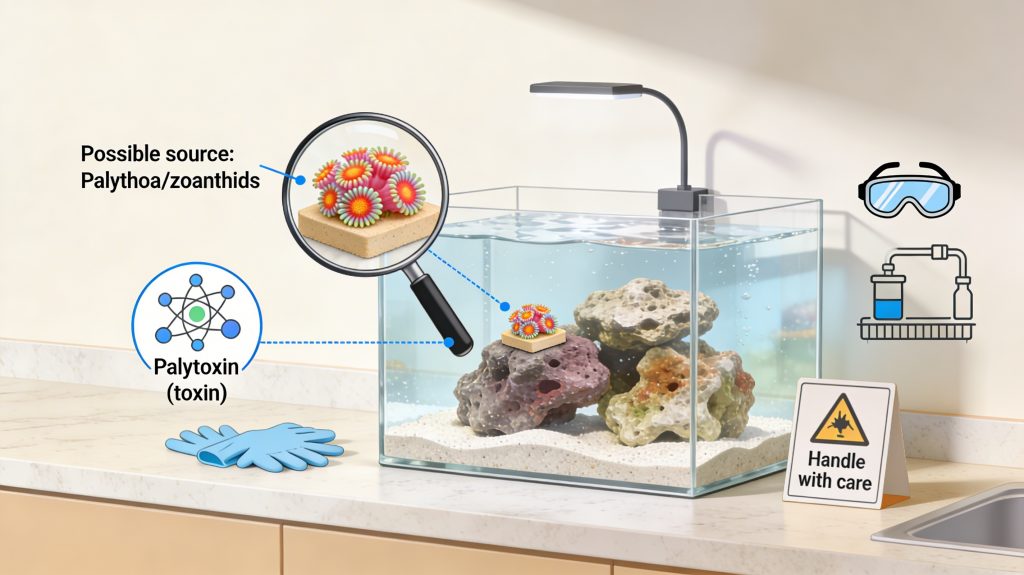
Palytoxin in the Marine Aquarium
Palytoxin in the marine aquarium is a real risk during coral handling. Learn safe practices, warning signs, and…
 By
By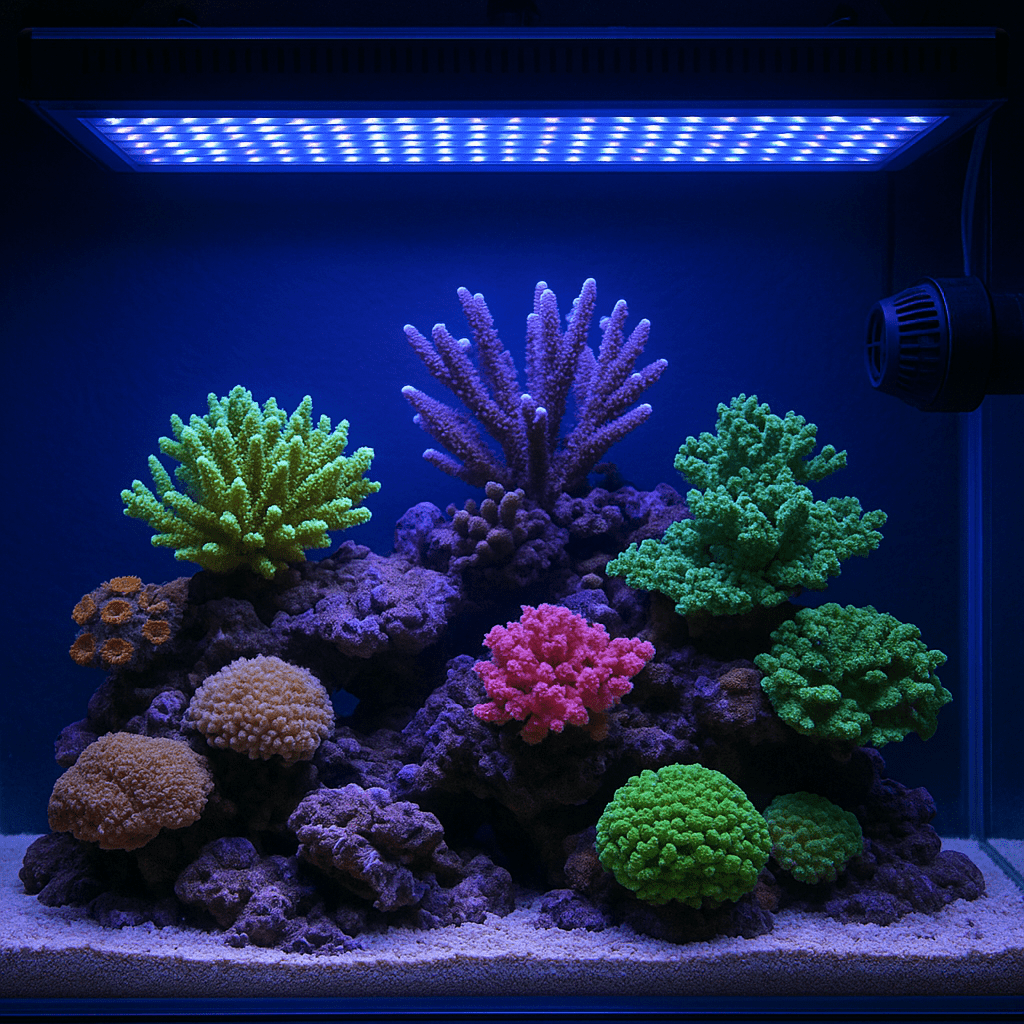
Reef Tank Water Chemistry Basics
Learn reef tank water chemistry basics, including ideal parameters, testing routines, and simple ways to keep corals healthy…
[favorite_button]
My Bookmarks:
To see full list click here
[user_favorites user_id="" include_links="true" site_id="" post_types="" include_thumbnails="true" thumbnail_size="thumbnail" include_excerpt="false"]