

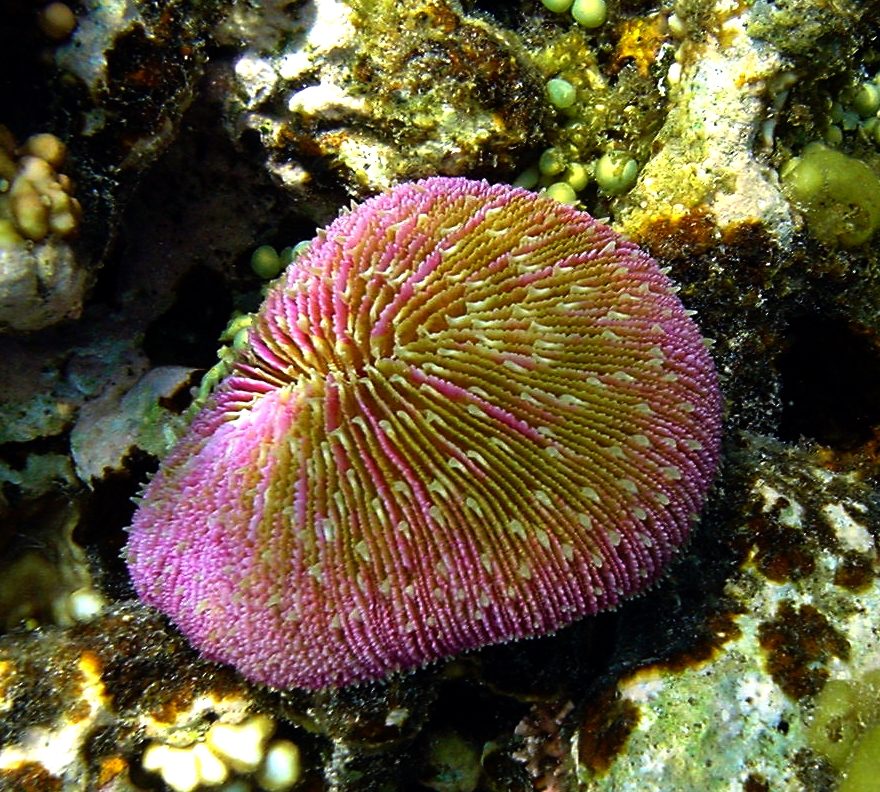
Fungia plate corals are hardy, colorful LPS corals that can do very well in reef tanks. They need stable water, moderate light, gentle to moderate flow, and open sandbed space where their fleshy tissue will not rub on sharp rock.
Many reef keepers buy a plate coral because it looks simple. In some ways, it is. Fungia usually sits alone on the sand and does not need complex placement. Still, success depends on a few details. These corals inflate, move slightly, and can be damaged by strong flow or rough surfaces. They also react poorly to sudden swings in alkalinity, salinity, or nutrients. In this guide, you will learn how to identify basic needs, choose the right location, feed for better growth, and solve common problems before tissue loss starts. This makes Fungia plates a great coral for beginners who want a showy LPS with interesting behavior.
Quick Reference Table
| Care Factor | Recommendation |
|---|---|
| Common Name | Fungia plate coral |
| Coral Type | LPS coral |
| Difficulty | Beginner to intermediate |
| Placement | Sandbed or open rubble area |
| Lighting | Moderate, about 80-150 PAR |
| Flow | Low to moderate, indirect |
| Feeding | Mysis, brine, reef roids, small meaty foods |
| Temperament | Semi-aggressive at close range |
| Tank Size | 20 gallons minimum, larger is better |
| Temperature | 76-79°F |
| Salinity | 1.025-1.026 |
| Alkalinity | 8-9 dKH, stable |
| Nitrate | 2-15 ppm |
| Phosphate | 0.03-0.10 ppm |
Use this table as a starting point. Then fine tune care based on your tank. Fungia corals often tell you how they feel. A healthy coral expands well, keeps good color, and responds to food. A stressed coral stays deflated, exposes skeleton, or develops damaged tissue along the edges.
What Is a Fungia Plate Coral?
Fungia is a group of solitary large polyp stony corals. Hobbyists often call them plate corals, disc corals, or mushroom corals, though they are not true mushroom corals. Many have round or oval bodies with radiating ridges and a central mouth. Colors vary widely. You can find green, purple, orange, red, striped, and multicolor specimens.
Unlike many LPS corals, a Fungia is usually not attached to rock as an adult. It lives as a single free-living coral. That matters in captivity. It should usually sit on the substrate, not be glued into the rockwork. The flesh can inflate dramatically. Some specimens can even shift position a little over time. This behavior helps them clear sediment and adjust to conditions. Their unique shape and movement make them a standout choice for mixed reefs. If you enjoy unusual coral behavior, read our internal guide on reef coral placement for more placement tips.
Natural Habitat
Fungia plate corals occur across the Indo-Pacific. They are found on sandy bottoms, reef slopes, lagoons, and rubble zones. Many live in places where sediment shifts often. This explains why they tolerate life on the substrate better than many corals. In nature, they receive bright but changing light and varied water movement.
These corals are adapted to rest in open areas. They are not built for tight crevices or heavy shading. They also experience natural feeding opportunities from plankton and suspended organics. That is why occasional target feeding can improve health in captivity. Their free-living lifestyle also explains why tissue damage happens when hobbyists wedge them into rockwork. Mimic the natural setting as closely as possible. Give them open space, a soft resting area, and stable reef chemistry. When conditions match their habitat, they usually expand fully and show better color.
Aquarium Setup
A 20-gallon reef can keep a small Fungia, but larger tanks are easier. Stability matters more than volume alone. Place the coral on the sandbed or on a smooth patch of fine rubble. Avoid sharp rock under the tissue. The underside can get scraped when the coral inflates and deflates.
Leave open space around the coral. Fungia can expand more than many new hobbyists expect. Nearby corals can sting it, and it can sting back at close range. Do not bury the plate in sand. Let it rest on top of the substrate. If detritus collects around the coral, increase gentle indirect flow or turkey baste the area during maintenance. Stable parameters are essential. Keep salinity at 1.025 to 1.026, temperature at 76 to 79°F, alkalinity around 8 to 9 dKH, calcium near 400 to 450 ppm, and magnesium around 1250 to 1400 ppm. For help dialing in chemistry, see our guide to reef tank water parameters.
Lighting Requirements
Fungia plate corals generally prefer moderate lighting. A practical range is about 80 to 150 PAR. Some specimens adapt to a bit more, but sudden exposure to strong light can bleach tissue. If you buy a coral from a dim system, acclimate it slowly. Start lower in the tank and move it only if needed.
Watch the coral rather than chasing a number alone. A healthy Fungia under suitable light usually expands well and maintains rich color. Too much light can cause fading, shrinking, or chronic deflation. Too little light can reduce color and slow growth. Blue-heavy reef lighting often shows their fluorescence well, but a balanced spectrum supports natural appearance and observation. If your tank uses powerful LEDs, use acclimation mode after adding a new specimen. Light shock is common after shipping. Give the coral time to settle before making more changes.
Water Flow
Low to moderate indirect flow works best. The goal is gentle movement across the tissue, not a direct blast. Strong flow can keep the coral retracted and can tear flesh against the skeleton. Very weak flow can allow waste and detritus to settle on the disc.
A good pattern is random, broad flow that causes slight tissue movement. You do not want the coral folding over itself or exposing skeleton from constant pressure. If food always blows away during feeding, the flow is likely too strong. If sand piles onto the coral, the flow pattern may be too chaotic near the bottom. Adjust pumps so the plate receives clean water without being buffeted. This balance often improves expansion within days.
Feeding
Fungia corals contain zooxanthellae, so they gain energy from light. They also benefit from direct feeding. This is especially useful after shipping, during recovery, or when you want faster growth. Offer small meaty foods once or twice each week. Good choices include mysis shrimp, enriched brine shrimp, chopped clam, finely diced shrimp, and quality powdered coral foods.
Feed when tentacles are visible or when the coral is inflated and responsive. Turn off strong flow first. Place a small amount of food on the mouth area or across the disc. Do not overload it. Large chunks can rot if not accepted. A healthy plate often folds tissue inward and moves food toward the mouth. If fish or shrimp steal food, use a feeding dome or cut bottle top for protection. Regular feeding often improves inflation, coloration, and skeletal growth. For broader nutrition tips, check our article on best coral food for reef tanks.
Compatibility
Fungia plate corals are usually reef safe in mixed systems, but they need personal space. Their tissue can be damaged by neighboring corals, especially aggressive LPS species with long sweeper tentacles. Keep several inches of clearance around the plate. More space is safer in crowded tanks.
Most reef-safe fish ignore Fungia. Problems usually come from coral-nipping angelfish, some butterflyfish, or large clumsy fish that knock substrate onto the coral. Shrimp can also irritate the coral by stealing food repeatedly. Hermits may walk across it, but occasional contact is usually harmless. Avoid placing the coral under unstable rock ledges. Falling rock can crush the tissue quickly. In mixed reefs, the best plan is simple. Give the plate a calm, open sand zone where it can inflate fully without contact. If you keep multiple LPS corals, our LPS coral care guide can help with spacing and aggression.
Step-by-Step Placement Guide
Start by inspecting the coral after purchase. Look for full tissue coverage and no sharp tears. Acclimate for temperature and salinity as usual. Then follow a simple placement process.
- Choose an open sandbed area with no sharp rock below.
- Start in moderate light, not the brightest spot.
- Provide indirect flow with slight tissue movement.
- Leave several inches around the coral.
- Observe inflation for three to seven days.
- Adjust only one factor at a time.
- Offer a small feeding after the coral settles.
This slow approach prevents many common mistakes. New hobbyists often move corals too often. That creates more stress. If the Fungia expands daily and keeps color, leave it alone. Stability is often the best correction.
Propagation and Fragging
Can hobbyists frag Fungia plate corals?
Some experienced hobbyists and coral farms cut plate corals, but this is not a beginner project. Fungia has a hard skeleton with fleshy tissue spread across the disc. Cutting can succeed, but infection and tissue recession are real risks. Most hobbyists should buy healthy specimens instead of trying to frag them.
Natural recovery and daughter polyps
Some plate corals can produce small daughter polyps from remaining tissue after damage or stress. This process is unpredictable. It should not be forced. The best long-term strategy is excellent care, stable parameters, and careful handling during transport and cleaning.
Common Problems
Why is my Fungia plate coral shrinking?
Shrinking usually points to stress. Common causes include too much flow, light shock, unstable alkalinity, salinity swings, or irritation from nearby corals. Check recent changes first. If you upgraded lights, changed salt, or moved pumps, those are likely clues. Return to stable conditions and avoid repeated repositioning.
Why is the tissue receding?
Tissue recession often starts after physical damage. Sharp rock, falling frags, sand abrasion, or aggressive neighbors are common triggers. Poor water quality can worsen it fast. Remove the cause, improve cleanliness around the coral, and consider gentle target feeding if the mouth still responds.
Why is my plate coral upside down?
Fungia can sometimes flip from flow, snails, or unstable substrate. Flip it back gently right away. Leaving tissue pressed into sand can cause damage. Make a shallow stable depression in the sand so the coral sits evenly without rocking.
Why does it not eat?
A new specimen may refuse food for several days. Shipping stress is common. Try feeding at night, reduce flow, and use smaller food pieces. If the coral remains deflated and unresponsive, review light and chemistry before offering more food.
Frequently Asked Questions
Are Fungia plate corals good for beginners?
Yes. They are often a good beginner LPS coral. They need stable parameters and correct placement, but they are not overly demanding.
Should Fungia plate corals go on sand or rock?
Sand is usually best. A smooth rubble patch can also work. Avoid sharp rock and tight crevices.
How often should I feed a Fungia coral?
Feed once or twice weekly for best results. Healthy tanks with good nutrients may need less frequent feeding.
Can Fungia corals sting other corals?
Yes. They can irritate nearby corals at close range. Leave several inches of space around them.
How do I know if my plate coral is healthy?
Look for full inflation, strong color, intact tissue, and a feeding response. Chronic deflation and exposed skeleton are warning signs.
Fungia plates reward simple, consistent care. Give them stable chemistry, moderate light, gentle flow, and room on the sandbed. Avoid rough handling and sudden changes. Do those things well, and this coral can become one of the most eye-catching and reliable LPS corals in your reef.
Was this helpful?
Related Posts
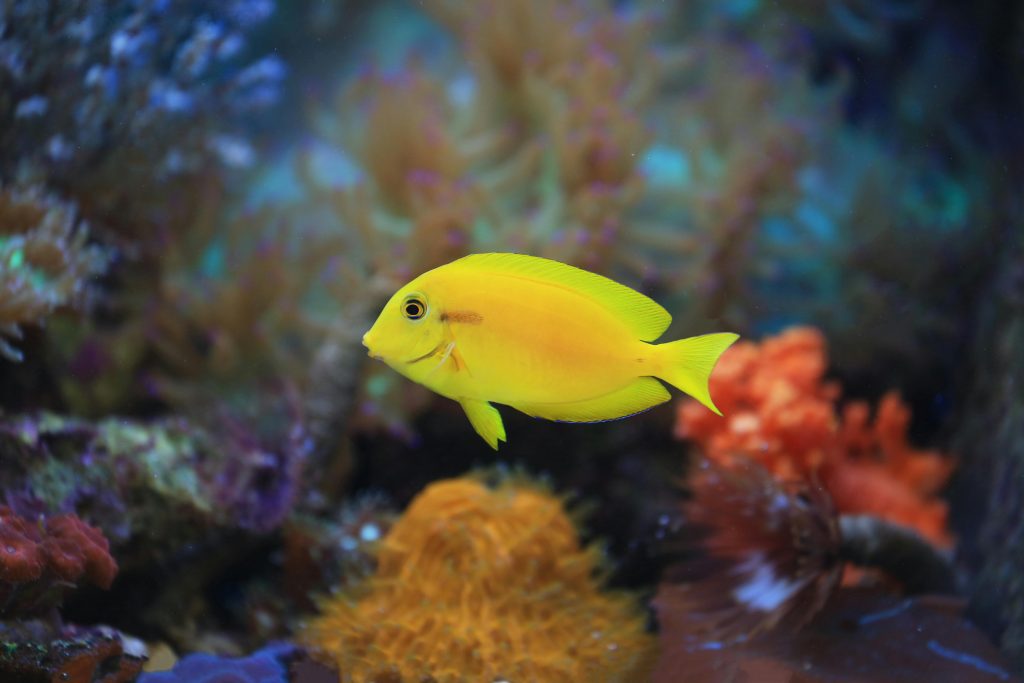
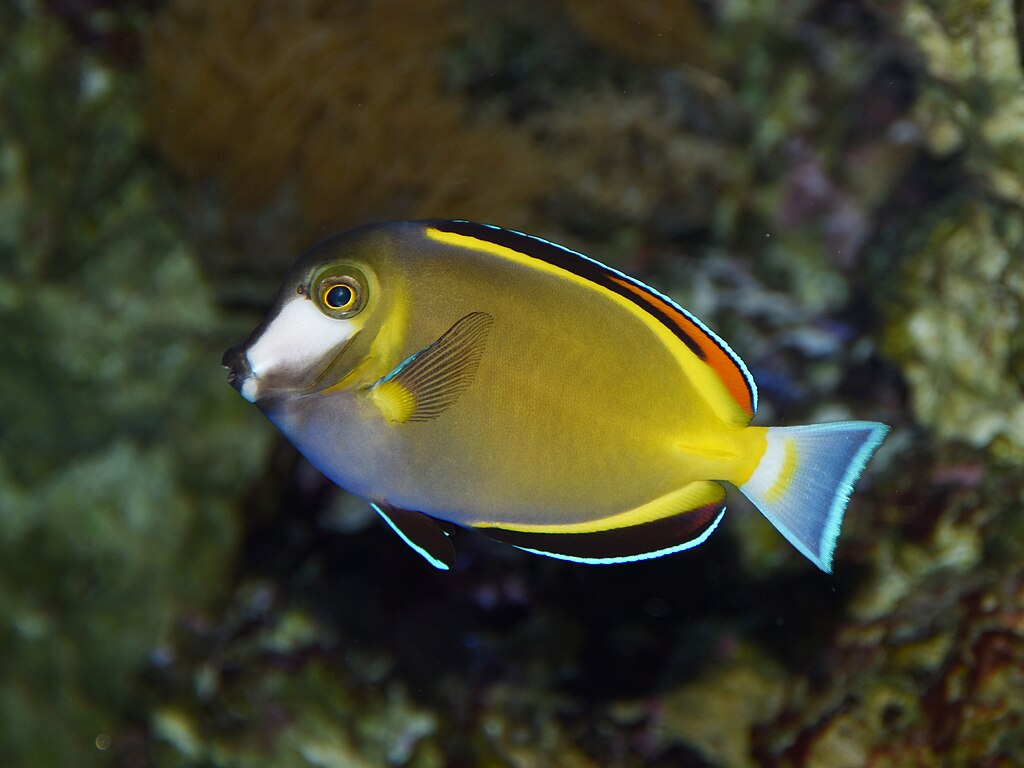
Juvenile Orange Shoulder (acanthurus Olivaceus)
Juvenile orange shoulder tangs are bright, hardy, and reef safe, but they grow large and need a spacious…
 By
By
Best Filtration Systems
Best Filtration Systems for a Healthy Saltwater Aquarium Choosing the best filtration system for your saltwater aquarium is…
[favorite_button]
My Bookmarks:
To see full list click here
[user_favorites user_id="" include_links="true" site_id="" post_types="" include_thumbnails="true" thumbnail_size="thumbnail" include_excerpt="false"]