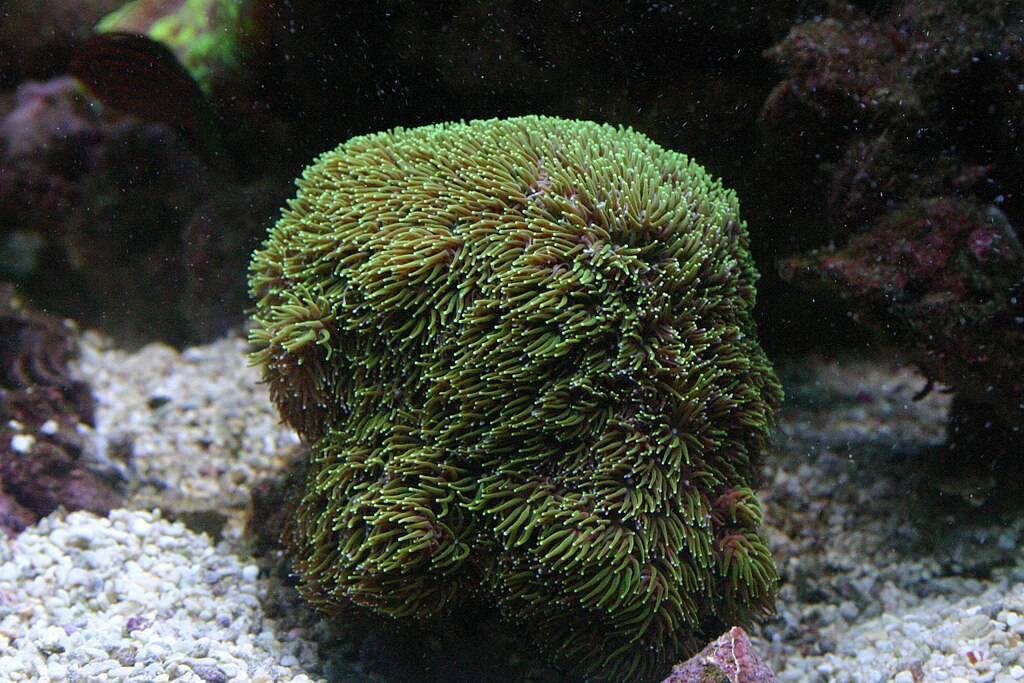
Galaxea corals look calm in the store. They can be aggressive at home. With the right space and flow, they thrive for years.
Placement, space, and aggression
Galaxea is a large polyp stony coral. It has long sweeper tentacles at night. Sweepers can reach 6 to 10 inches. Some colonies push even farther in high flow.
Give it a wide buffer from other corals. Aim for 10 to 12 inches of open space. Place it low to mid in the rockwork. Keep it away from prized acans and euphyllia.
Use indirect, turbulent flow. Strong laminar flow can tear tissue. Too little flow traps detritus between polyps. That often causes brown jelly-like infections on damaged areas.
Mount it on a stable rock or on the sand. Avoid placing it where it can fall. A fall can crack the skeleton. That damage can start recession within days.
- Start with 10–12 inches clearance in every direction.
- Choose moderate, random flow that keeps polyps moving gently.
- Place it where you can inspect it after lights-out.
For more on spacing battles, see coral aggression and sweeper tentacles. If you need help mapping zones, use reef aquascape planning tips.
Light, water parameters, and stability
Galaxea prefers moderate light. Target 80 to 150 PAR for most tanks. Start lower if it came from dim lighting. Increase PAR by 10 to 15% per week.
Watch for bleaching and tight polyps. That can mean too much light. Brown tissue and stretched polyps can mean too little. Adjust placement before changing your whole schedule.
Keep parameters stable and in reef ranges. Aim for salinity 1.025 to 1.026. Keep temperature 25 to 26 C, or 77 to 79 F. Avoid swings over 1 F per day.
Maintain alkalinity 8 to 9 dKH and calcium 420 to 450 ppm. Keep magnesium 1300 to 1400 ppm. Keep nitrate 5 to 15 ppm and phosphate 0.03 to 0.10 ppm. Zero nutrients often leads to pale tissue.
- Test alkalinity 2 to 3 times per week in new systems.
- Change 10% water weekly, or 15% every two weeks.
- Keep pH 8.1 to 8.3 with good gas exchange.
If you chase numbers, you will stress the coral. Make one change at a time. Wait seven days before judging results. For dosing basics, review alkalinity, calcium, and magnesium dosing.
Feeding, maintenance, and troubleshooting
Galaxea can live on light and dissolved nutrients. It still benefits from target feeding. Feed 1 to 2 times per week. Use small meaty foods like mysis, brine, or reef roids.
Feed after lights dim, when tentacles extend. Turn off pumps for 10 to 15 minutes. Use a pipette to place food on the mouths. Resume flow slowly to prevent food theft.
Keep the skeleton clean of trapped detritus. Use a turkey baster weekly. Blow debris off the colony and nearby rock. This reduces bacterial pressure and algae growth around the base.
Common issues include recession, brown slime, and stinging wars. If tissue recedes, check alkalinity stability first. If brown jelly appears, siphon it out fast. Increase flow slightly and run fresh carbon.
- Quarantine new corals for 14 days when possible.
- Dip for pests, but avoid harsh dips on damaged tissue.
- Use activated carbon after any chemical warfare event.
Real-world example helps. A 75-gallon mixed reef often has tight spacing. A galaxea placed near a torch can sting it overnight. Move the galaxea to the sand and add 12 inches clearance. The torch usually recovers within two weeks.
Sources: Borneman, E. “Aquarium Corals”; Sprung, J. “The Reef Aquarium” (Vol. 1–3); Delbeek & Sprung, “The Reef Aquarium”.
Was this helpful?
Related Posts
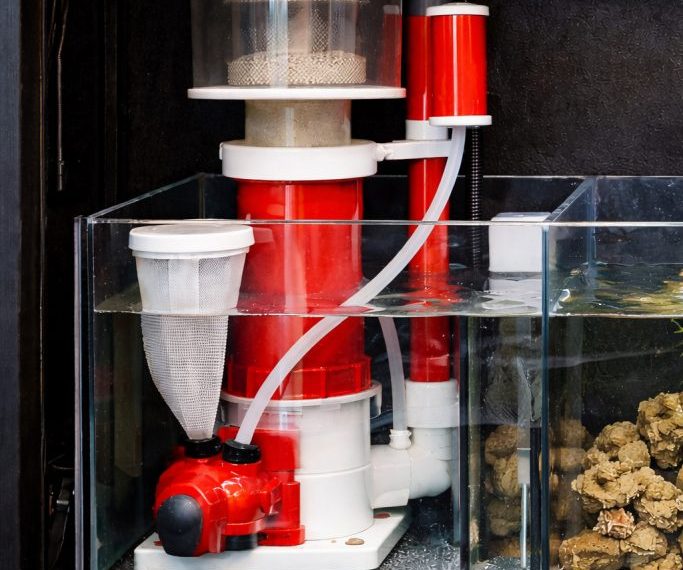
Protein Skimmer Reef Tank Guide
Learn how a protein skimmer works, how to size one, and how to tune it for a cleaner,…
 By
By
Reef Aquarium Water Parameters
Learn the ideal reef aquarium water parameters, safe ranges, and how to keep salinity, alkalinity, nutrients, and pH…