

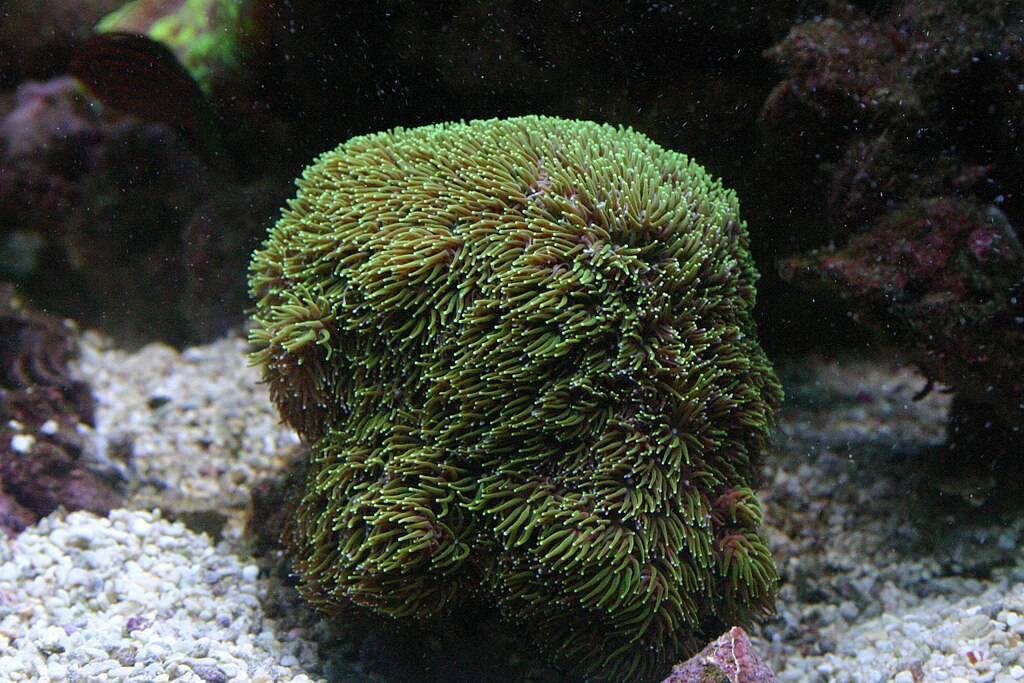
Galaxea corals are striking LPS corals with bright color, strong extension, and a serious sting. They are hardy once settled, but placement matters. Give them moderate light, moderate flow, stable water, and wide spacing from other corals.
Many reef keepers buy Galaxea for its movement and neon glow. Then they learn how aggressive it can be. This coral can thrive in mixed reefs, but only with smart planning. In this guide, you will learn how to place it, feed it, light it, and prevent common problems. You will also learn why its sweeper tentacles make it very different from many other beginner LPS corals.
Galaxea Coral Quick Care Guide
| Common Name | Galaxea coral |
| Scientific Genus | Galaxea |
| Care Level | Easy to moderate |
| Temperament | Aggressive |
| Lighting | Moderate |
| Water Flow | Moderate, indirect |
| Placement | Lower to middle rockwork |
| PAR Range | 80-180 PAR |
| Temperature | 76-78°F |
| Salinity | 1.025-1.026 specific gravity |
| Alkalinity | 8-9 dKH |
| Calcium | 400-450 ppm |
| Magnesium | 1250-1400 ppm |
| Nitrate | 2-15 ppm |
| Phosphate | 0.03-0.10 ppm |
| Feeding | Optional target feeding 1-2 times weekly |
Use this table as a starting point. Every tank is different. Stability matters more than chasing exact numbers.
What Is a Galaxea Coral?
Galaxea is a large polyp stony coral, or LPS coral. It forms hard skeletons and fleshy polyps. The coral often shows green, brown, cream, or metallic tones. Under blue light, many specimens glow strongly. That glow makes them popular in reef tanks.
What sets Galaxea apart is its long sweeper tentacles. These tentacles can extend far beyond the colony, often at night. They carry potent stinging cells. This helps the coral defend space on the reef. In aquariums, it means nearby corals can get damaged fast.
Galaxea can grow as encrusting, submassive, or branching colonies. Growth form depends on species and conditions. Hobbyists often confuse it with other LPS corals at first glance. Its aggressive behavior usually reveals its identity quickly.
Natural Habitat
Galaxea corals occur across the Indo-Pacific. They are found on reef slopes, lagoons, and protected reef areas. In nature, they live in stable saltwater with strong gas exchange and regular nutrient input. Light intensity varies by depth and water clarity.
On the reef, Galaxea competes hard for space. Its sweeper tentacles help it win those battles. That natural behavior explains why it can dominate a small aquarium if placed poorly. It is not being difficult. It is doing what it evolved to do.
Knowing the natural habitat helps with care. Galaxea does best in mature systems with stable chemistry. It prefers clean water, but not sterile water. A little measurable nitrate and phosphate usually supports better color and tissue health.
Aquarium Setup
Galaxea can live in tanks as small as 20 gallons, but larger tanks are easier. Space is the real issue. This coral needs a buffer zone. In small tanks, its sweepers can reach many neighbors. That creates constant coral warfare.
Place Galaxea on an isolated rock or a section with open sand around it. Many hobbyists use a “coral island” for this reason. Start it in the lower to middle part of the tank. Then observe extension and color for two weeks before moving it.
Keep alkalinity, calcium, and magnesium stable. Galaxea builds a calcium carbonate skeleton. If alkalinity swings, tissue recession can follow. Good filtration helps, but avoid stripping nutrients too low. A mature reef with stable pH and low daily swings is ideal.
Lighting Requirements
Galaxea usually prefers moderate light. A practical range is 80 to 180 PAR. Some colonies tolerate more, but sudden changes cause stress. If you bought a fresh frag, acclimate it slowly. Start lower in the tank and raise it only if needed.
Too much light can bleach the tissue. You may see pale color, reduced extension, or retracted polyps. Too little light slows growth and dulls color. The coral may survive, but it will not look its best. Steady, moderate lighting works well for most systems.
If you use powerful LEDs, avoid abrupt intensity jumps. Use acclimation mode if available. Blue-heavy reef lighting often brings out the best fluorescence. Still, visible health matters more than fluorescent pop. Watch the coral during both day and night cycles.
Water Flow
Galaxea likes moderate, indirect flow. The goal is gentle movement across the colony. Flow should keep detritus from settling. It should not blast the tissue. Strong direct flow can prevent extension and irritate the coral.
Low flow creates other problems. Waste can collect between polyps. That can lead to algae growth, brown film, or tissue irritation. In stagnant spots, bacterial issues become more likely. A random, alternating flow pattern works better than a constant jet.
Watch the polyp response. Healthy tissue should move slightly. It should not whip hard in one direction. If sweepers only emerge on one side, flow may be uneven. Small pump adjustments can make a big difference.
Feeding
Galaxea gets much of its energy from photosynthesis. Its zooxanthellae provide a large share of daily nutrition. Still, occasional feeding can support growth and recovery. This is especially useful in nutrient-poor tanks or after fragging.
Offer small meaty foods once or twice weekly. Mysis shrimp, finely chopped seafood, reef roids, and broadcast coral foods can work. Feed after lights dim if the feeding tentacles are out. Turn off return flow briefly if needed. Avoid overfeeding the tank.
If your Galaxea never seems interested in target feeding, do not force it. Many colonies do well without direct feeding. Focus first on stable light, flow, and chemistry. Feeding is a bonus, not a substitute for good husbandry.
Compatibility
Galaxea is not a peaceful coral. Its long sweeper tentacles can sting SPS, soft corals, zoanthids, and other LPS corals. Leave more space than you think you need. Six inches is often a minimum. In some tanks, even more is safer.
It usually coexists well with reef-safe fish and most mobile invertebrates. Fish do not bother it much, though large angels may nip. Cleaner shrimp and snails are generally fine. The real risk is coral-to-coral aggression, not fish compatibility.
Do not place Galaxea near Euphyllia, Acropora, Micromussa, or other prized corals without a large gap. Nighttime observation matters. Sweepers often extend farther after dark. If you see nearby tissue damage, move one coral immediately.
Helpful reading for mixed reefs: reef tank parameters, best LPS corals for beginners, coral placement guide, how to lower phosphate in a reef tank.
How to Add Galaxea to Your Reef Tank
First, inspect the coral before purchase. Look for full tissue coverage and no exposed skeleton. Avoid frags with brown jelly, peeling tissue, or obvious recession. A healthy frag should look inflated and intact.
Second, dip the coral before placement. Use a reef-safe coral dip and follow the label. This helps reduce pests and hitchhikers. Then rinse with clean saltwater from your system before adding the frag.
Third, start low and isolated. Give the coral moderate light and indirect flow. Leave wide open space around it. Monitor daytime extension, nighttime sweepers, and tissue condition for the first two weeks. Make only one adjustment at a time.
Propagation and Fragging
When to Frag
Frag only healthy colonies. The coral should show full tissue, stable color, and active extension. Do not frag a stressed coral. Wait until it has been stable for several weeks. Fragging a weak colony often leads to more recession.
How to Frag Galaxea Safely
Use eye protection and gloves. Galaxea skeletons are sharp. Remove the colony if possible. Use bone cutters, a band saw, or a rotary tool to cut clean sections of skeleton. Try to avoid crushing tissue. Mount frags securely with reef-safe glue or epoxy.
Aftercare for Fresh Frags
Place fresh frags in moderate flow and lower light for recovery. Keep water stable. Do not handle them often. Light feeding can help after several days, but only if the frag is extending normally. Watch closely for infection or tissue loss at the cut edge.
Common Problems
Why Is My Galaxea Not Opening?
The most common causes are recent relocation, unstable alkalinity, too much direct flow, or sudden light change. Check your recent adjustments first. Test alkalinity and salinity. Then inspect for pests or fish nipping. Most closed-up colonies are reacting to stress.
Why Is the Tissue Receding?
Tissue recession often points to chemistry swings, injury, infection, or aggression from nearby corals. Check for nighttime sweeper damage from neighbors. Review alkalinity over the past week. If nutrients are near zero, raise them slowly to a measurable range.
Why Is My Galaxea Bleaching?
Bleaching usually follows excessive light, heat stress, or sudden parameter changes. Reduce light intensity if you recently upgraded or moved the coral higher. Confirm temperature stays stable through the day. Avoid chasing numbers with rapid dosing changes.
Brown Jelly or Rapid Tissue Loss
Remove the coral from strong contact with others immediately. Siphon away damaged tissue if needed. Dip the coral in an appropriate treatment and improve flow around the colony. Isolate the frag if the issue spreads. Fast action gives the best chance of saving it.
Frequently Asked Questions
Is Galaxea coral good for beginners?
Yes, with one warning. Its care is not hard, but its aggression is serious. Beginners can keep it successfully if they leave plenty of space.
How far can Galaxea sweeper tentacles reach?
It varies by colony and conditions. Many reach several inches. Some extend much farther at night. Always plan for more reach than you expect.
Can Galaxea live in a mixed reef?
Yes, but placement is everything. Keep it isolated from nearby corals and monitor nighttime behavior.
Does Galaxea need feeding?
Not strictly. It can do well under good lighting. Occasional feeding may improve growth and recovery.
How fast does Galaxea grow?
Growth is moderate in stable systems. Light, nutrients, and alkalinity stability all affect growth rate.
Final Thoughts
Galaxea corals are beautiful, hardy, and underrated. They also demand respect. If you give them stable water, moderate light, and room to sting, they usually reward you with strong extension and vivid color. In many tanks, the hardest part is not keeping Galaxea alive. It is keeping everything around it safe.
Was this helpful?
Related Posts
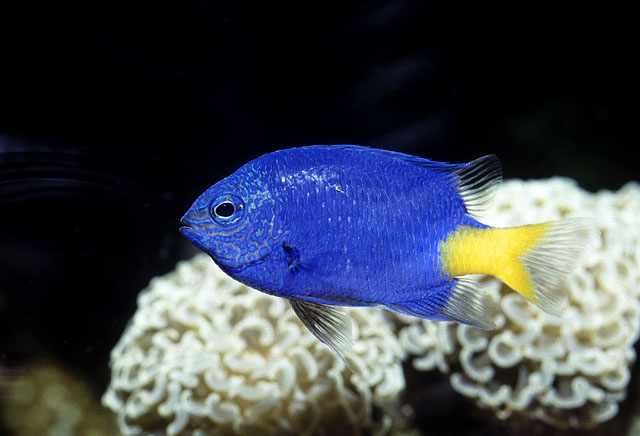
Yellowtail Damselfish (Chrysiptera Parasema)
Yellowtail Damselfish are hardy, colorful, and reef safe, but they can be territorial. Learn their care, feeding, tank…
 By
By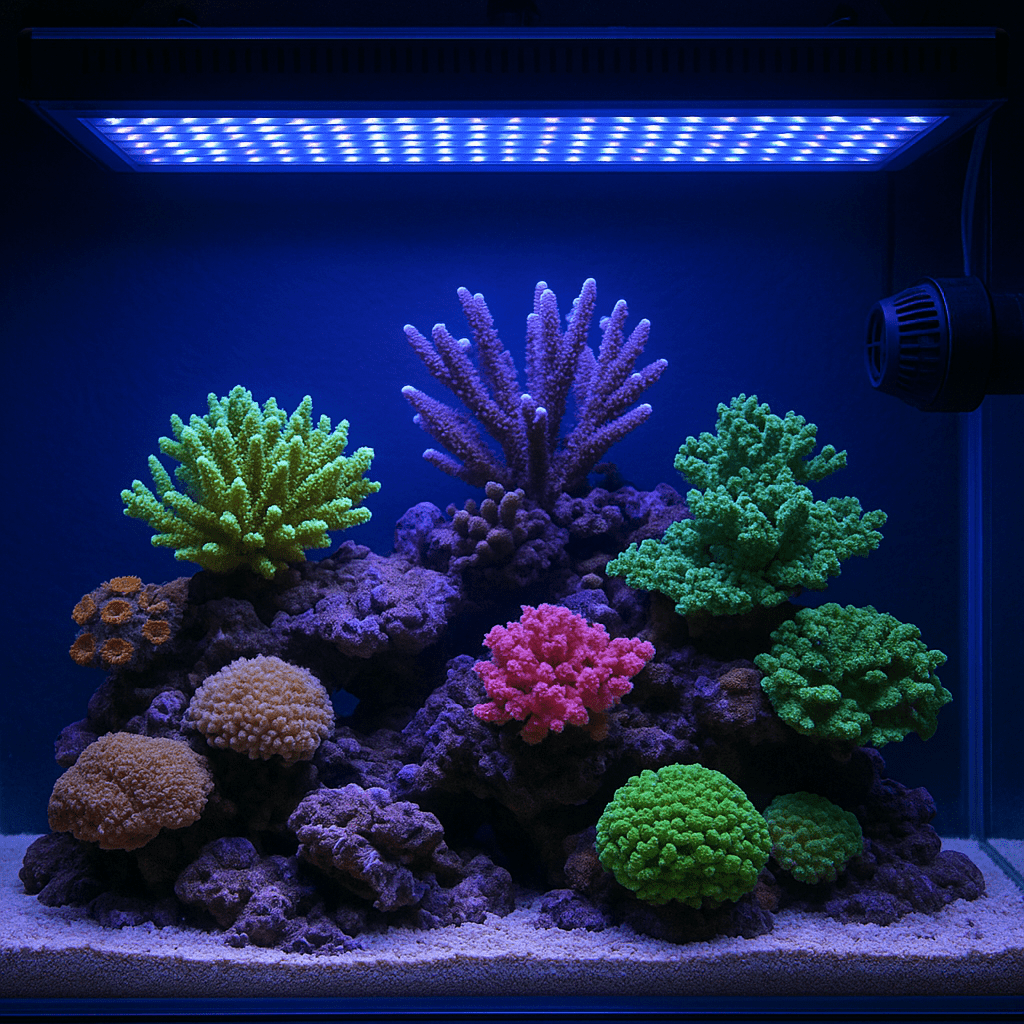
Water Chemistry Basics
Water chemistry basics are the foundation of reef success. Learn the key parameters, target ranges, and simple ways…
[favorite_button]
My Bookmarks:
To see full list click here
[user_favorites user_id="" include_links="true" site_id="" post_types="" include_thumbnails="true" thumbnail_size="thumbnail" include_excerpt="false"]