Gemmatum Tang (Zebrasoma gemmatum): A Starry-Patterned Showpiece
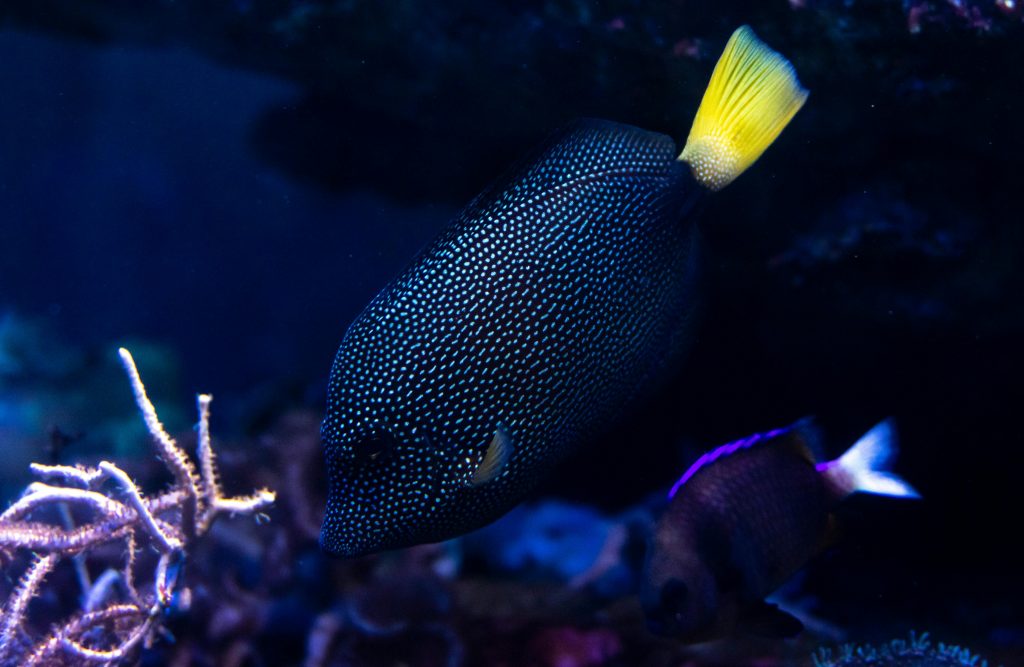
The Gemmatum Tang, Zebrasoma gemmatum, is one of the most coveted saltwater fish in the hobby. Its jet-black body sprinkled with bright white spots and a glowing yellow tail makes it look like a living galaxy. Beyond its looks, this tang can be a hardy, active grazer when given the right environment, diet, and tank mates.
Tank Requirements and Compatibility
Because of its constant cruising and grazing behavior, the Gemmatum Tang is best suited to larger, mature reef systems. A cramped or unstable setup will quickly stress this fish, which can lead to disease and aggression.
- Minimum tank size: 180 gallons (680 L) or larger is strongly recommended.
- Aquascape: Provide open swimming space with plenty of rockwork for algae growth and hiding spots.
- Water quality: Stable parameters are essential—aim for 1.025 salinity, 77–79°F (25–26°C), and low nutrients.
Like other Zebrasoma tangs, the Gemmatum can be territorial, especially toward similar-shaped tangs. It is usually best kept:
- As the only Zebrasoma species in the tank, or
- Introduced last if you plan on multiple tangs.
Peaceful wrasses, anthias, clownfish, and many reef-safe dwarf angels often make good tank mates. Avoid aggressive triggers or large, bullying damsels that may harass this expensive and sensitive show fish.
For more on choosing compatible tank mates, see our guide on reef-safe fish compatibility.
Feeding, Care, and Long-Term Health
The Gemmatum Tang is primarily an herbivore and a constant grazer. In a healthy reef tank, it will spend much of the day picking at film algae and microalgae on the rockwork. Supplement this natural diet with a variety of prepared foods to keep it vibrant and well-nourished.
Diet and Feeding Tips
- Offer nori (dried seaweed) on a clip at least once per day.
- Rotate quality herbivore pellets and flakes with spirulina.
- Supplement with frozen foods like mysis or brine shrimp a few times per week.
- Add vitamin and algae boosters to frozen food to support immune health and coloration.
Hobbyist tip: Feed smaller portions more frequently rather than one large feeding. This better matches the Gemmatum Tang’s natural grazing behavior and helps reduce aggression.
Acclimation, Disease Prevention, and Behavior
Due to its high value and sensitivity, a careful acclimation and quarantine process is highly recommended.
- Quarantine: 2–4 weeks in a separate tank to observe for ich, velvet, and flukes.
- Acclimation: Use drip acclimation to slowly match temperature and salinity.
- Stress reduction: Dim the lights and provide PVC or rock for hiding during the first few days.
Gemmatum Tangs can develop head and lateral line erosion (HLLE) if kept in poor water conditions or on a nutrient-poor diet. High water quality, varied herbivore-focused foods, and the use of activated carbon carefully (or not at all, depending on your system) can help minimize risks.
If you’re planning a larger reef system for this species, our article on large reef tank setup covers filtration, flow, and aquascaping strategies in more detail. You may also want to review our saltwater fish quarantine protocol before bringing home such a prized specimen.
Is the Gemmatum Tang Right for Your Aquarium?
The Gemmatum Tang is a breathtaking centerpiece fish, but it rewards only those hobbyists who can provide a large, stable, and mature reef environment. If you are prepared for its space, diet, and compatibility needs—and you follow a careful quarantine routine—this starry tang can thrive for many years and become the focal point of your display. For advanced reef keepers who value both beauty and behavior, Zebrasoma gemmatum is one of the most rewarding tangs you can keep.
Sources
- Michael, S. W. (2001). Reef Fishes Volume 1. Microcosm.
- Fenner, R. (2001). The Conscientious Marine Aquarist. TFH Publications.
- Sprung, J. (2005). Marine Aquarium Handbook: Beginner to Breeder. Ricordea Publishing.
Was this helpful?
Related Posts
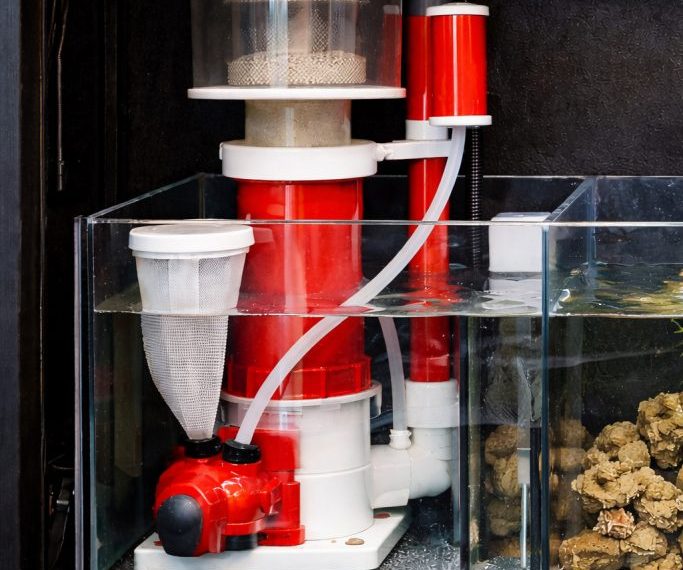
Protein Skimmer Reef Tank Guide
Learn how a protein skimmer works, how to size one, and how to tune it for a cleaner,…
 By
By
Reef Aquarium Water Parameters
Learn the ideal reef aquarium water parameters, safe ranges, and how to keep salinity, alkalinity, nutrients, and pH…