

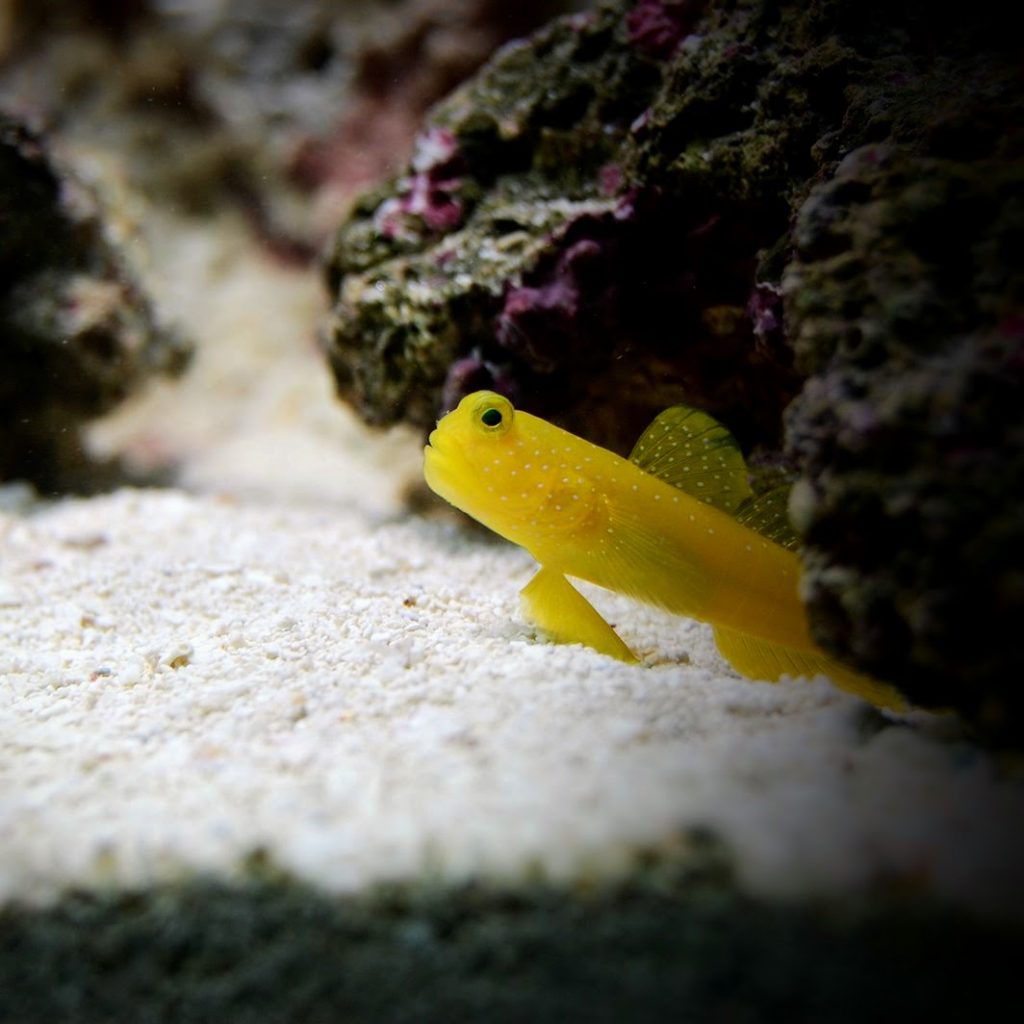
Gobies are among the best reef fish for beginners and mixed reefs. Most stay small, show great personality, and adapt well to aquarium life. Success comes from matching the species to the tank, feeding the right foods, and preventing jumping with a tight lid.
Gobies are a huge group of marine fish. They include sand sifters, perchers, shrimp partners, algae grazers, and tiny cave dwellers. That variety makes them popular, but it also causes confusion. Not every goby fits every reef tank. Some bury corals with sand. Some starve in new tanks. Others are hardy and easy. In this goby care guide, you will learn how to choose the right goby, set up the tank, feed it well, manage compatibility, and solve common problems. We will focus on practical reef keeping advice that works for beginner and intermediate hobbyists.
Quick Reference Table
| Category | General Goby Care |
|---|---|
| Difficulty | Easy to moderate, depending on species |
| Temperament | Usually peaceful |
| Adult size | 1.5 to 6 inches |
| Minimum tank size | 10 to 30 gallons for small species, 40+ for larger sand sifters |
| Diet | Frozen foods, pellets, pods, and natural sand fauna |
| Reef safe | Usually yes |
| Best for beginners | Watchman gobies, clown gobies, neon gobies |
| Main risk | Jumping, starvation, aggression with similar gobies |
| Special note | Sand-sifting species need mature substrate and open sand bed |
Use this table as a starting point only. Always check the needs of the exact species before buying. A yellow watchman goby behaves very differently from a diamond goby or clown goby. Their feeding habits, tank needs, and reef impact can vary a lot.
Types of Gobies Common in Reef Tanks
The word goby covers many species with different habits. Watchman gobies are bottom dwellers that often pair with pistol shrimp. They perch near a burrow and are usually hardy. Neon gobies are tiny cleaners that suit nano reefs. Clown gobies stay small and perch in coral branches. They are cute, but may irritate some SPS corals. Sand-sifting gobies, like diamond and sleeper gobies, constantly move substrate through their gills. They help keep sand clean, but they can strip a tank of microfauna. Court jester gobies, often called rainford gobies, graze on film algae and tiny organisms. They need mature tanks. Dragonets are often confused with gobies, but they are not true gobies. Their care is different. Choosing the right group matters more than choosing the prettiest fish.
If you are new to reef keeping, start with species known for easy feeding and stable behavior. Yellow watchman gobies and neon gobies are excellent first choices. They are forgiving and adapt well to prepared foods.
Natural Habitat
Gobies live across tropical and subtropical oceans. Many common reef species come from the Indo-Pacific. In nature, they occupy niches close to the substrate. Some live on sandy flats. Others hide in rubble zones, seagrass beds, coral branches, or reef crevices. Watchman gobies often share burrows with pistol shrimp. The shrimp digs and maintains the tunnel. The goby acts as a lookout. This relationship is one of the most interesting partnerships in reef aquariums.
Natural habitat explains many aquarium behaviors. Sand sifters need room to process substrate. Perching gobies want ledges and caves. Coral perchers feel secure among branching structures. Tiny cleaner species prefer calm areas and frequent feeding opportunities. Most gobies stay low in the tank and avoid open water. They rely on camouflage, quick dashes, and burrows for safety. Recreating those features reduces stress and improves feeding response. A goby that feels exposed often hides, refuses food, or jumps from the tank.
Aquarium Setup
Tank size depends on species. Small neon gobies can thrive in a 10-gallon reef. Watchman gobies do best in 20 gallons or more. Diamond gobies need more floor space and should have at least a 40-gallon tank. Start with a mature aquarium if the species relies on pods or sand fauna. New tanks often look stable, but they lack enough natural food.
Use a secure lid. Gobies are famous jumpers. Even calm species can launch through tiny gaps during feeding or after a scare. Build the aquascape with caves, overhangs, and stable rockwork. Place rocks firmly on the glass or on supports before adding sand. Burrowing species can undermine loose rock. Fine to medium sand works best for most bottom gobies. Avoid sharp crushed coral. It can damage gills and skin. Leave some open sand in front for natural behavior. If you want a shrimp-goby pair, add a suitable pistol shrimp and a peaceful bottom area. Stable salinity, temperature, and alkalinity matter more than chasing perfect numbers.
Lighting Requirements
Gobies do not have demanding lighting needs. They adapt to the lighting required by your corals. In most reef tanks, moderate to strong reef lighting is fine as long as the fish has shaded areas. Bright tanks without cover can make some gobies feel exposed. This is common with watchman gobies and cave-dwelling species. They may hide all day if they cannot retreat under rock.
Clown gobies often perch in SPS colonies near brighter zones. They usually tolerate higher light because they use coral branches as shelter. Sand sifters and shrimp gobies care more about substrate and hiding spots than light intensity. If a goby is newly added, lower stress by reducing sudden light changes. Use a normal ramp-up schedule if your fixture allows it. At night, avoid shining bright room lights into the tank after dark. Startled gobies can bolt upward and hit the lid. Good structure and calm transitions matter more than PAR when keeping most goby species.
Water Flow
Most gobies prefer low to moderate flow near the bottom. They do not enjoy being blasted by direct powerheads. Strong random flow is fine in a reef tank, but create sheltered zones behind rock and around the sand bed. Watchman gobies and clown gobies often perch in calmer spots. Neon gobies can handle more movement because they spend time on rock and fish.
Sand-sifting gobies need a clean substrate, but they do not need a sandstorm. If your pumps keep the bottom bare, the fish will struggle to feed naturally. Aim flow upward or across the reef structure rather than straight at the substrate. Fine sand can also blow into coral tissue, causing irritation. Observe the fish after adjusting flow. A comfortable goby perches, grazes, or sifts calmly. A stressed fish hugs corners, breathes heavily, or avoids open areas. Good flow should support oxygenation and coral health while still leaving quiet bottom zones for goby behavior.
Feeding
Feeding is where many gobies succeed or fail. Hardy species usually accept frozen mysis, brine shrimp, finely chopped seafood, and quality pellets. Feed small portions once or twice daily. Tiny species do better with smaller foods. Use finely sized pellets, copepods, baby brine, or minced frozen blends. A turkey baster can help target shy bottom fish.
Sand-sifting gobies are different. They eat tiny worms, crustaceans, and organic matter from the substrate. In a sterile or young tank, they often run out of food. Many slowly starve while still appearing active. Supplement with frozen foods, pellets, and occasional live foods, but understand that prepared foods may not fully replace a rich sand bed. Court jester gobies can also be difficult if the tank lacks film algae and microfauna. Before buying any goby, ask how it is eating at the store. A fish that already takes prepared food is a much safer purchase. For more help, see our guides on reef tank feeding schedule, copepods in reef tanks, and how to quarantine saltwater fish.
Compatibility
Most gobies are peaceful and reef safe. They mix well with clownfish, blennies, small wrasses, cardinals, and many community reef fish. Problems usually happen with similar-shaped bottom dwellers or territorial species in small tanks. Two watchman gobies may fight unless they are a known pair. Sand-sifting gobies can also compete for food in limited substrate. Keep only one unless the tank is large and the pair is established.
Gobies are generally safe with corals, but there are exceptions. Clown gobies may nip SPS polyps or lay eggs in branching corals. Sand sifters can bury low corals with tossed substrate. Shrimp gobies usually ignore corals and invertebrates. They pair especially well with pistol shrimp. Avoid housing tiny gobies with aggressive hawkfish, dottybacks, large wrasses, or predatory crustaceans. Also watch for food competition. Fast fish can outcompete shy gobies at every meal. Target feeding often solves this. For more stocking advice, read our articles on peaceful reef fish, pistol shrimp and goby pairs, and beginner reef fish for small tanks.
Step-by-Step Guide to Adding a Goby
First, choose a species that matches your tank age and substrate. Do not buy a sand-sifting goby for a new bare-bottom tank. Second, confirm the fish is eating at the store. Ask to see it eat frozen or pellet food. Third, prepare a lid before the fish arrives. Gobies often jump during the first week. Fourth, acclimate slowly and avoid sudden salinity changes. Fifth, provide immediate shelter with caves, burrows, or rubble zones.
Sixth, keep the lights dim on day one. This reduces stress. Seventh, offer small meals early and often. Use a baster if needed. Eighth, observe behavior closely during the first two weeks. Normal signs include perching, sand sifting, and short dashes for food. Warning signs include rapid breathing, refusal to eat, surface hovering, and repeated jumping. Ninth, protect the fish from aggressive tankmates during introduction. An acclimation box can help. Tenth, maintain stable parameters and avoid major rescapes. Gobies settle best when the environment stays predictable.
Propagation and Breeding
Some gobies spawn in aquariums, though raising the larvae is advanced. Neon gobies are among the more achievable species. Pairs may lay eggs in a protected cave or tube. The male often guards the clutch. Clown gobies and some watchman gobies may also spawn under good conditions. Stable water quality, regular feeding, and low stress are the main triggers.
How pairs form
Many gobies do not pair easily if you buy random adults. Juveniles or known bonded pairs work better. Introduce them in a tank with multiple hiding spots. Watch for chasing and lip-locking. Mild posturing can be normal. Persistent attacks are not.
Raising larvae
Larvae are tiny and need specialized foods such as rotifers and copepod nauplii. Most hobbyists enjoy the spawning behavior but do not raise the fry. If breeding interests you, start with neon gobies. They are one of the better marine fish for small-scale breeding projects.
Common Problems
Why is my goby not eating?
Stress is the most common cause. New gobies often hide for several days. Offer small frozen foods near the fish. Reduce aggression and bright exposure. If the species is a sand sifter, the tank may lack natural food. Check for bullying at feeding time.
Why does my goby keep jumping?
Jumping usually means fear. Aggressive tankmates, sudden lights, poor cover, or unstable acclimation can trigger it. Secure every opening in the lid. Add more caves and reduce stressors. Never assume a goby will stop jumping on its own.
Why is my sand-sifting goby getting skinny?
This often points to starvation. The fish may be active but still underfed. Mature sand beds are essential. Supplement with target-fed frozen foods and pellets. In severe cases, move the fish to a more suitable system or rehome it.
Why is my goby covering corals with sand?
That is normal behavior for many sand sifters. Move sensitive corals higher on the rockwork. Create an open sand zone away from fleshy LPS. If the issue is constant and severe, the species may not suit your aquascape.
Frequently Asked Questions
Are gobies good for beginner reef tanks?
Yes, many are excellent beginner fish. Choose hardy species like yellow watchman gobies or neon gobies. Avoid delicate sand sifters in immature tanks.
Do gobies need sand?
Not all gobies need sand, but many prefer it. Watchman and sand-sifting species benefit greatly from a sandy bottom. Neon gobies can live well in tanks with minimal substrate.
Can gobies live with pistol shrimp?
Many shrimp gobies can. Yellow watchman gobies are a classic match. The pairing is fascinating and usually reef safe when the tank is stable.
How often should I feed a goby?
Feed most species once or twice daily. Small gobies do better with small, frequent meals. Sand sifters also need natural feeding opportunities in the substrate.
What is the easiest goby to keep?
The yellow watchman goby is one of the easiest. Neon gobies are also hardy and adaptable. Both usually accept prepared foods and suit peaceful reef tanks.
Gobies reward careful species selection. Pick one that fits your tank, feeding routine, and aquascape. Give it shelter, stable water, and a secure lid. Do that, and a goby can become one of the most entertaining fish in your reef.
Was this helpful?
Related Posts
Reef Tank Fallow Period Guide
A reef tank fallow period removes fish hosts so parasites die out. Learn the right timeline, setup, and…
 By
By
Gold Spotted Rabbitfish (Siganus Punctatus)
Gold Spotted Rabbitfish care includes large tanks, heavy algae feeding, and caution with corals. Learn tank size, diet,…
[favorite_button]
My Bookmarks:
To see full list click here
[user_favorites user_id="" include_links="true" site_id="" post_types="" include_thumbnails="true" thumbnail_size="thumbnail" include_excerpt="false"]