

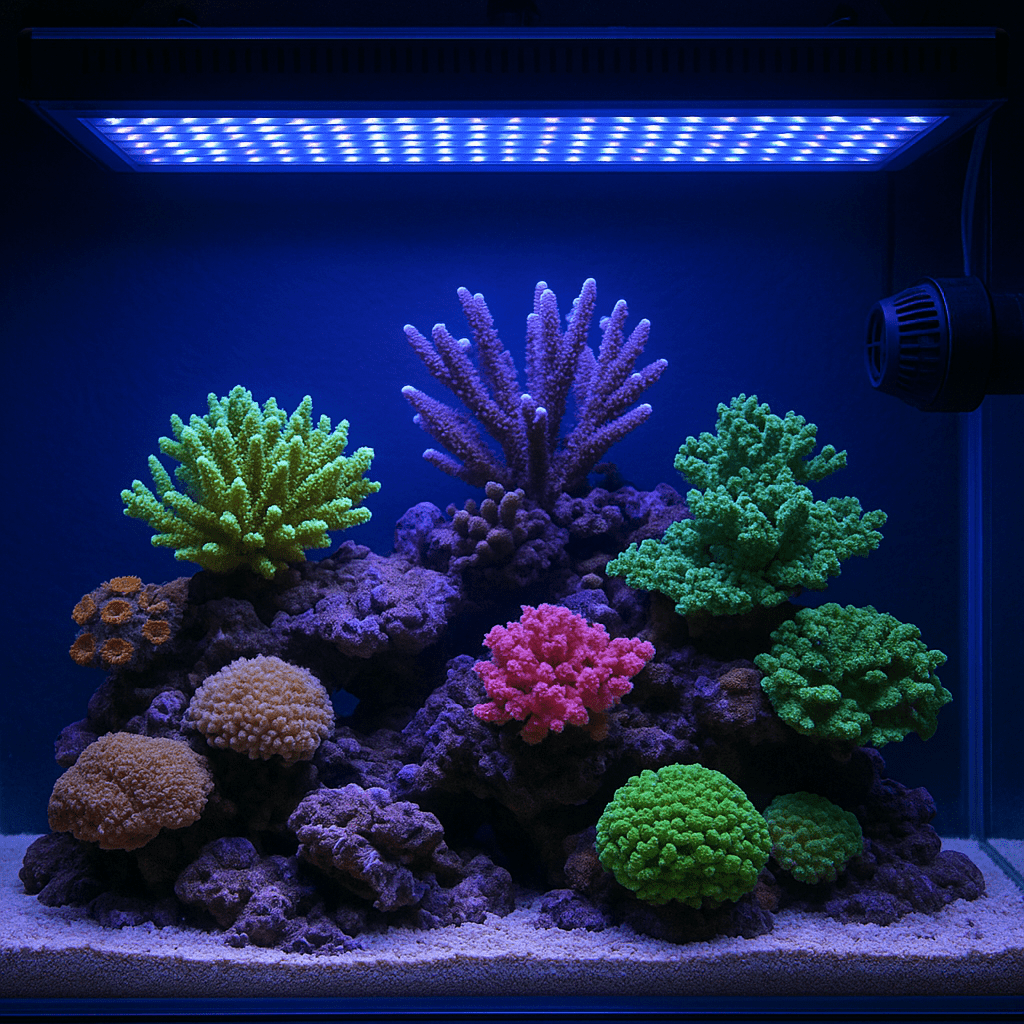
The Golden Puffer, Arothron meleagris, is a striking saltwater fish with a bold personality and bright color. It is also one of the most misunderstood puffers in the hobby. This species is not reef safe in most tanks. It can nip corals, eat invertebrates, and produce heavy waste. Still, it can thrive in a well-planned fish-only or predator setup with stable water and a varied diet.
In this guide, you will learn how to care for the Golden Puffer in captivity. We will cover tank size, feeding, compatibility, behavior, and common problems. You will also learn why this fish needs strong filtration and careful stocking. For hobbyists who love intelligent marine fish, the Golden Puffer can be a rewarding centerpiece when its needs are met.
Quick Reference Care Table
| Common Name | Golden Puffer |
| Scientific Name | Arothron meleagris |
| Care Level | Moderate |
| Temperament | Semi-aggressive |
| Adult Size | Up to 20 inches |
| Minimum Tank Size | 180 gallons |
| Diet | Carnivore |
| Reef Safe | No, with caution at best |
| Temperature | 74-79°F |
| Salinity | 1.023-1.026 |
| pH | 8.1-8.4 |
| Water Flow | Moderate |
| Lifespan | 10 years or more |
Natural Habitat
Arothron meleagris occurs across a wide Indo-Pacific range. It is found on coral reefs, lagoons, and outer reef slopes. Juveniles often stay in shallower areas with cover. Adults move through larger reef zones and patrol open spaces near rockwork. In the wild, they spend much of the day searching for hard-shelled prey.
This species is famous for color variation. The bright golden form is most often associated with females in some populations, while males may show a darker body with white spotting. In the aquarium trade, both color and pattern can vary by collection area. Their natural diet includes mollusks, crustaceans, worms, sponges, and other benthic foods. This explains many of their feeding habits in captivity. It also explains why ornamental shrimp, snails, and crabs are usually at risk.
Golden Puffer Size and Behavior
The Golden Puffer grows much larger than many buyers expect. Adults can reach around 20 inches in ideal conditions. Many aquarium specimens stay smaller for years, but they still become thick-bodied fish with a strong feeding response. This is not a nano predator. It needs room to turn, cruise, and establish territory.
Behavior is a major part of this fish’s appeal. Golden Puffers are alert and interactive. They often recognize their keeper and beg at the glass. They watch movement outside the tank and quickly learn feeding routines. That intelligence makes them engaging pets. It also means they can become pushy during feeding. Some individuals remain calm with tankmates. Others become dominant as they mature. Always plan for the adult personality, not the juvenile behavior.
Aquarium Setup
A 180-gallon tank is the practical minimum for a Golden Puffer. Larger is better. A 220-gallon or bigger system gives more stable water and better swimming room. Tank width matters as much as length. This fish has a bulky body and needs open turning space. Avoid narrow tanks.
Build the aquascape with sturdy live rock or reef-safe dry rock. Create caves and arches, but leave broad open areas in front. Puffers explore constantly. Loose frags, unstable rocks, and unsecured decorations will get bumped. Keep the layout simple and solid. Use a tight lid or mesh cover. Puffers are not known as frequent jumpers, but startled fish can launch upward.
Filtration must be strong. Puffers are messy eaters and heavy waste producers. Use an oversized protein skimmer. Add mechanical filtration and change it often. Many keepers also use carbon to control organics and odor. A sump helps a lot. Stable salinity and temperature are critical. Sudden swings stress this species quickly.
Lighting Requirements
The Golden Puffer has no special lighting needs. It does well under standard marine lighting in fish-only systems. In mixed displays, lighting should be chosen for the tank’s corals, not for the puffer. Moderate daytime intensity works well. Avoid blasting the fish with harsh light in a bare setup with little shade.
What matters more is the presence of dim areas and structure. Puffers appreciate places to retreat and rest. If the tank is brightly lit, add caves and overhangs. A normal day and night cycle helps reduce stress. Sudden light changes can startle them, especially in newer systems. Use ramping LEDs if possible. That creates a gentler transition and a calmer fish.
Water Flow
Moderate flow is ideal for a Golden Puffer. This fish is not built for constant high-energy surge. It prefers areas where it can cruise comfortably without fighting the current. Strong random flow can still work in large tanks if calmer zones exist. Direct laminar blasts should be avoided.
Good circulation is still important because puffers add a heavy nutrient load. Dead spots allow waste to collect and degrade water quality. Aim for broad movement through the whole tank. Keep oxygen levels high. Surface agitation helps, especially in warm systems. Watch the fish’s behavior. If it constantly hides from pumps or struggles in open water, adjust the flow pattern.
Feeding
Feeding is one of the most important parts of Golden Puffer care. This species is a carnivore and needs a varied diet. Offer meaty marine foods several times each week. Good staples include shrimp, squid, clam, mussel, scallop, krill, and high-quality frozen blends. Avoid relying on one food. Variety improves nutrition and condition.
Hard-shelled foods are especially useful. Puffers have beak-like teeth that continue to grow. Foods like shell-on shrimp, clam on the half shell, or small crab pieces help wear the teeth naturally. Without enough abrasion, overgrown teeth can become a serious problem. Feed juveniles once or twice daily in small portions. Feed adults once daily or every other day, depending on body condition. Do not overfeed. Obesity and poor water quality often follow.
Soak foods in vitamins once or twice weekly. This supports immune health and coloration. Remove leftovers quickly. Puffers often tear food apart and leave scraps behind.
Compatibility
The Golden Puffer is not a reliable reef-safe fish. It may ignore corals for a while, then suddenly start nipping. Fleshy LPS corals, tube worms, ornamental shrimp, snails, hermit crabs, and small crabs are all at risk. Some individuals also sample soft corals or clam mantles. For this reason, most keepers house this species in fish-only systems.
Suitable tankmates are other robust marine fish that can handle a semi-aggressive neighbor. Good options may include larger tangs, angelfish, rabbitfish, triggerfish with caution, and sturdy wrasses in very large tanks. Avoid tiny fish that may be bullied or viewed as food. Avoid slow, delicate species. Do not mix with aggressive fin-nippers. Puffers have exposed fins and can become stressed by constant harassment.
Introduce the Golden Puffer carefully. In some tanks, it should be one of the last major additions. That reduces territorial behavior. Quarantine all tankmates before introduction. You can read more about stable stocking plans in our guides on cycling a marine tank, quarantine basics for saltwater fish, and fish-only saltwater aquarium setup.
Step-by-Step Golden Puffer Care Plan
1. Choose a large tank first. Start with at least 180 gallons. Bigger systems are easier to manage.
2. Build a stable aquascape. Use secure rockwork with caves and open swimming lanes.
3. Install strong filtration. Use an oversized skimmer and plan for heavy bioload.
4. Fully cycle the aquarium. Never add a puffer to an immature tank. Ammonia spikes are dangerous.
5. Quarantine the fish. Observe feeding, breathing, and waste before display introduction.
6. Offer a varied diet. Rotate meaty marine foods and include hard-shelled items weekly.
7. Monitor teeth and body weight. Watch for feeding difficulty or a pinched belly.
8. Test water often. Keep ammonia and nitrite at zero. Control nitrate with export and maintenance.
9. Stock tankmates carefully. Choose durable species and avoid ornamental invertebrates.
10. Perform regular maintenance. Clean filters, siphon waste, and keep salinity stable.
Common Problems
Overgrown Teeth
This is one of the most common puffer issues. Teeth grow continuously and can interfere with feeding. The fish may spit food, miss bites, or stop eating hard foods. The main cause is a soft diet with no shell or crunch. Increase hard-shelled feeding items early. Severe overgrowth may require trimming by an experienced professional.
Poor Water Quality
Golden Puffers are messy. Cloudy water, rising nitrate, and dirty mechanical filters are common warning signs. The cause is usually overfeeding, weak export, or a tank that is too small. Improve skimming, reduce portions, and increase water changes. Siphon uneaten food after meals.
Refusing Food
New imports may refuse food due to stress. Offer fresh-smelling frozen foods and shellfish first. Check for bullying, poor acclimation, or parasites. Observe breathing rate. Fast breathing can signal disease or low oxygen. Quarantine is very helpful here.
Aggression Toward Tankmates
Some Golden Puffers become territorial with age. Rearranging rockwork can help during introductions. In severe cases, separation may be needed. Feeding more often does not always solve aggression. Space and compatibility matter more.
Nipping Corals or Invertebrates
This behavior is natural for the species. It is not always a sign of hunger. If the fish starts picking at cleanup crew members or corals, a reef tank may no longer be suitable. Most keepers solve this by moving the puffer to a fish-only system.
Propagation in Captivity
Golden Puffers are not propagated in home aquariums in any practical sense. Spawning behavior in the wild is tied to space, season, and environmental cues that are hard to reproduce. Larval development is also very challenging. For hobbyists, there is no realistic home breeding method at this time.
Because captive breeding is rare, responsible sourcing matters. Buy from reputable vendors that handle puffers carefully and feed them well before sale. Choose alert specimens with clear eyes, a full belly, and strong interest in food.
Frequently Asked Questions
Is the Golden Puffer reef safe?
No, not in most cases. It may nip corals and usually eats many invertebrates.
How big does a Golden Puffer get?
It can reach around 20 inches as an adult. Plan for a very large aquarium.
What does a Golden Puffer eat?
It eats meaty marine foods like shrimp, clam, squid, mussel, and other shellfish. Hard foods help wear the teeth down.
Can a Golden Puffer live with shrimp or snails?
Usually no. Most ornamental shrimp, snails, and crabs will eventually be eaten.
What is the minimum tank size for a Golden Puffer?
A 180-gallon tank is the minimum for long-term care. Larger tanks are strongly recommended.
Final Thoughts
The Golden Puffer is a beautiful and intelligent marine fish. It is also demanding. Its size, waste output, and appetite for invertebrates make it a poor fit for many reef tanks. Yet in a large, stable system, it can become an amazing display animal with real personality. Success comes from planning ahead, feeding a proper diet, and respecting the fish’s natural behavior. If you want a bold centerpiece fish and can provide the space, the Golden Puffer can be a standout addition to a serious saltwater aquarium.
Was this helpful?
Related Posts
Reef Tank Plumbing Basics
Learn reef tank plumbing basics, including drains, return pumps, sump flow, noise control, and flood prevention for a…
 By
ByOur Reef Emergency Plan
A reef emergency plan helps you act fast during outages, leaks, and water quality crashes. Here is the…
[favorite_button]
My Bookmarks:
To see full list click here
[user_favorites user_id="" include_links="true" site_id="" post_types="" include_thumbnails="true" thumbnail_size="thumbnail" include_excerpt="false"]