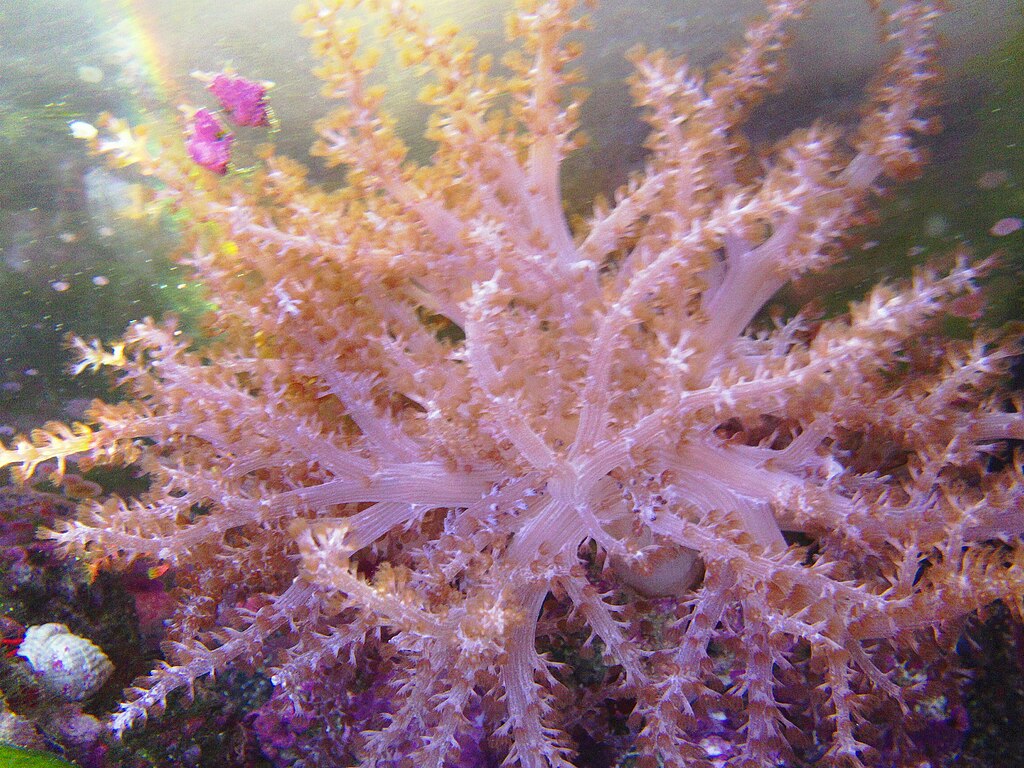
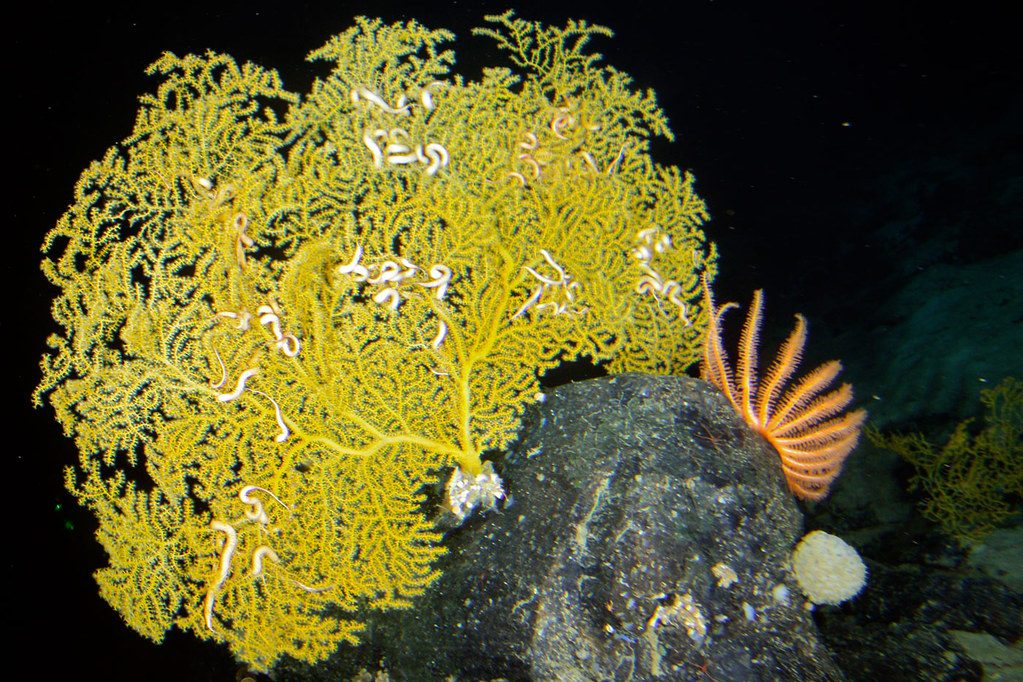
Gorgonians add motion and height to reef tanks. They also test your husbandry skills. Good flow, steady nutrients, and the right light matter most.
Choosing the right gorgonian for your tank
Start by choosing photosynthetic species for most mixed reefs. These often have tan, brown, or purple tissue. They usually keep color under reef lighting. Non-photosynthetic gorgonians need heavy feeding. They fit advanced systems only.
Match the coral to your tank size and stability. A 20–40 gallon tank can work for small frags. A 75 gallon tank gives better stability. Aim for salinity 1.025–1.026 and temperature 77–79°F. Keep alkalinity 8–9 dKH and calcium 400–450 ppm.
Inspect the base and tissue before buying. Avoid pieces with peeling skin or exposed skeleton. Look for firm branches and even polyp extension. Ask how it was kept and fed. This reduces surprises after acclimation.
- Beginner-friendly: photosynthetic sea fans and corky gorgonians.
- Avoid at first: bright yellow or red NPS gorgonians.
- Pick mounted frags when possible for easier placement.
For more coral selection help, see our beginner coral guide. If you need a stable nutrient plan, review nitrate and phosphate basics.
Light, flow, and placement that keeps polyps open
Most photosynthetic gorgonians like moderate light. Target 80–150 PAR for many species. Start lower if it came from dim tanks. Increase PAR over 10–14 days. Use a ramp schedule and avoid sudden jumps.
Flow is the real key for gorgonians. Use strong, alternating current that bends branches gently. Aim for 20–40x tank turnover each hour. Avoid a hard jet that strips tissue. Place them where detritus does not settle.
Mount the base securely with reef epoxy or gel. Keep the tissue above sand. Sand contact can cause recession. Leave 3–6 inches from stinging LPS corals. Many gorgonians are mild, but they still get burned.
- Place in indirect, turbulent flow near a wavemaker.
- Keep away from sand storms and rock slides.
- Check for shade from growing SPS colonies.
If polyps stay closed for days, check flow first. Then check nutrients and pH. Aim for pH 8.1–8.3 and stable daily swings. Also check for film algae on the branches. Gentle turkey baster blasts can help.
Feeding, nutrients, and troubleshooting common problems
Photosynthetic gorgonians still benefit from light feeding. Feed 2–4 times per week for best growth. Use fine foods like reef roids, rotifers, or live phytoplankton. Turn off return pumps for 10–15 minutes. Keep wavemakers on low to keep food suspended.
Keep nutrients present but controlled. Many gorgonians sulk in ultra-low nutrient tanks. Target nitrate 2–10 ppm and phosphate 0.03–0.10 ppm. Test weekly at first. Adjust skimming and feeding in small steps.
Watch for tissue sloughing and bare spots. This often comes from low flow or detritus buildup. It can also follow shipping stress. Improve flow and gently clean the surface. If algae grows on exposed skeleton, trim dead tips with bone cutters.
Pests can cause chronic closure. Look for amphipods picking at tissue at night. Check for flatworms and nuisance snails. Dip new frags in a coral dip for 5–10 minutes. Quarantine helps too. See our coral quarantine setup for a simple plan.
- Closed polyps: increase random flow and check nitrate and phosphate.
- Peeling tissue: reduce direct jets and remove detritus daily.
- Algae on branches: improve nutrients, add herbivores, and spot clean.
Do water changes when problems start. Use 10% weekly for three weeks. Match salinity and temperature closely. Stability helps more than chasing numbers. Avoid big alkalinity swings during correction.
Gorgonians reward steady care with fast branching growth. Choose the right type for your system first. Then dial in strong, varied flow and moderate light. With stable nutrients and light feeding, they can thrive for years.
Sources: Borneman, E. (2001) Aquarium Corals; Sprung, J. (2005) The Reef Aquarium Vol. 3; Delbeek, J. & Sprung, J. (1994–2005) The Reef Aquarium series.
Was this helpful?
Related Posts
Protein Skimmer Reef Tank Guide
Learn how a protein skimmer works, how to size one, and how to tune it for a cleaner,…
 By
By
Best Reef Safe Cleanup Crew
The best reef safe cleanup crew includes hardy snails, selective scavengers, and a few specialty invertebrates matched to…