
Beginner corals are hardy species that tolerate small mistakes and adapt well to new reef tanks. This guide explains which starter corals to choose, how to place them, what equipment they need, and how to avoid the common problems that frustrate new reef keepers.
Starting with coral can feel intimidating. Many beginners worry about lighting, water chemistry, and coral loss. The good news is that several coral types are forgiving and grow well in stable aquariums. You do not need an advanced system to keep your first corals alive. You need patience, consistency, and smart coral choices. In this guide, you will learn which corals are best for beginners, how to set up the tank around their needs, and how to troubleshoot issues like closed polyps, algae, and tissue recession. You will also learn how to feed, place, and eventually frag easy corals as your reef matures.
Quick Reference Table
| Coral | Difficulty | Light | Flow | Growth Rate | Notes |
|---|---|---|---|---|---|
| Mushroom Corals | Easy | Low to moderate | Low | Moderate | Very forgiving. Great for lower rockwork. |
| Zoanthids | Easy | Low to moderate | Low to moderate | Fast | Colorful and popular. Handle with care. |
| Green Star Polyps | Easy | Moderate | Moderate to high | Fast | Can spread aggressively. |
| Leather Corals | Easy | Moderate | Moderate | Moderate | Tolerant and beginner friendly. |
| Xenia | Easy to moderate | Moderate | Low to moderate | Fast | Can pulse and spread quickly. |
| Duncan Coral | Easy | Moderate | Low to moderate | Moderate | One of the best beginner LPS corals. |
| Candy Cane Coral | Easy | Low to moderate | Low to moderate | Moderate | Good first stony coral. |
Use this table as a starting point. Every tank is different. Coral response matters more than a chart. Watch polyp extension, tissue inflation, and color after placement. Those signs tell you if the coral likes its spot.
Best Beginner Corals to Start With
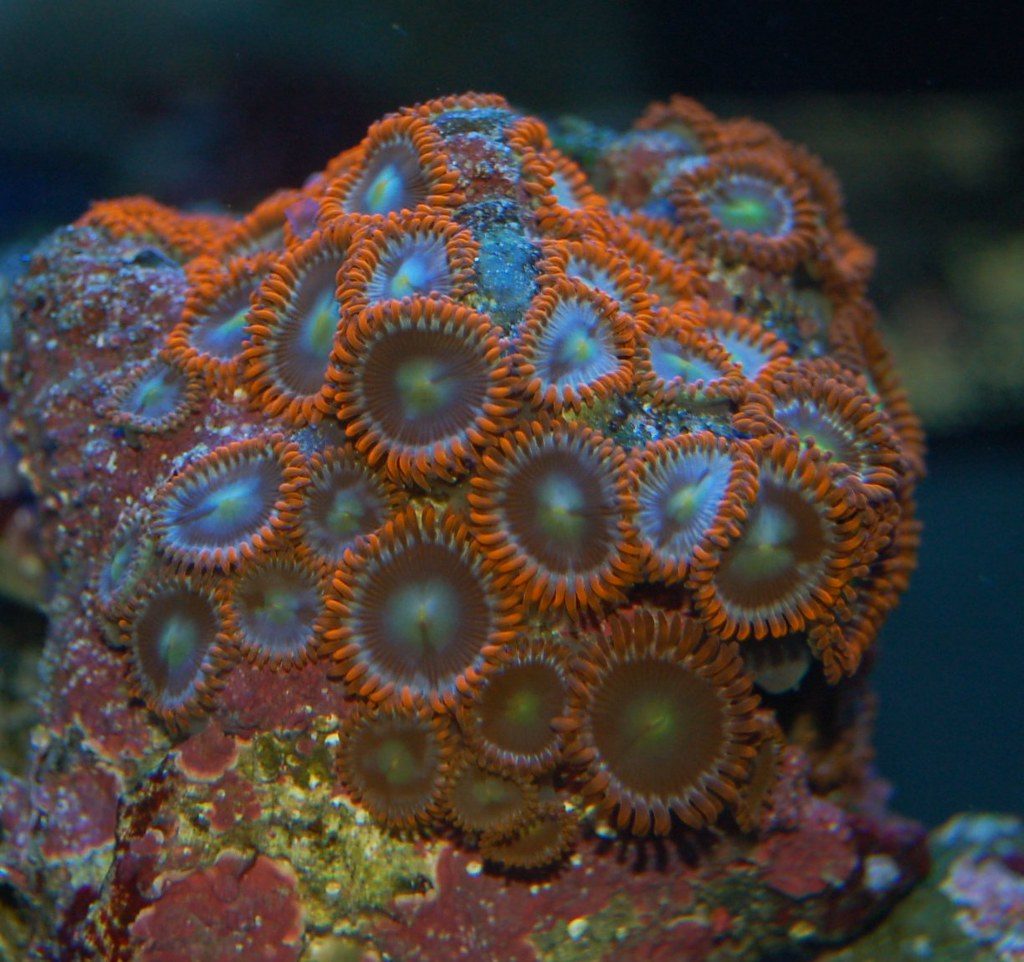
The best beginner corals are hardy, adaptable, and widely available. Soft corals usually make the safest first choice. Mushroom corals are among the easiest. They tolerate lower light and less flow. They also recover well from minor mistakes. Zoanthids are another excellent option. They come in many colors and usually grow quickly in stable tanks. Green star polyps are tough and attractive, but they can overtake rockwork if left unchecked.
Leather corals are also ideal for new hobbyists. Toadstool leathers and finger leathers handle moderate light and flow well. They may close for a few days during shedding, which is normal. For beginners who want LPS corals, Duncan corals and candy cane corals are smart picks. They are more forgiving than many other stony corals. Avoid delicate SPS corals at first. Acropora and similar species demand stronger lighting, cleaner water, and tighter stability. Start with easy corals. Build success early. Then expand as your reef matures.
Natural Habitat
Most beginner corals come from shallow tropical reefs in the Indo-Pacific. These reefs receive strong but filtered sunlight, constant water movement, and stable salinity. Soft corals often grow in areas with nutrient availability and moderate flow. Mushroom corals are commonly found in lower light zones, under ledges, or in protected reef areas. Zoanthids can grow across rocks in shallow reef flats. Green star polyps often thrive where current is steady and oxygen levels stay high.
Understanding habitat helps with placement. Corals from calmer areas usually dislike blasting flow. Corals from brighter zones often need more light once acclimated. Natural reefs also experience consistency. Temperature swings are small. Salinity remains stable. pH stays within a narrow range. That is why reef tank stability matters so much. Beginners often focus on chasing exact numbers. In reality, steady parameters matter more than perfection. If you recreate stable reef-like conditions, many beginner corals will adapt well and show reliable growth.
Aquarium Setup
A beginner coral tank should prioritize stability over complexity. A 20-gallon long tank can work, but larger tanks are easier to manage. A 40-gallon breeder is an excellent starter size. It offers room for aquascaping and more stable chemistry. Use quality live rock or dry rock with good biological filtration. Leave open space between rock structures. This improves flow and gives corals room to grow. Avoid stacking rock against the glass.
A protein skimmer is helpful but not always required on smaller systems. A reliable heater is essential. Use a thermometer you trust. Salinity should stay near 1.025 specific gravity. Keep temperature around 77 to 79 degrees Fahrenheit. Aim for alkalinity around 8 to 9 dKH, calcium near 400 to 450 ppm, and magnesium around 1250 to 1350 ppm. Nitrate and phosphate should not be zero. Beginner corals often do better with a little nutrient availability. Moderate nitrate and low phosphate support color and growth. For more setup basics, see reef tank cycling guide, reef aquarium water parameters, and beginner saltwater aquarium setup.
Lighting Requirements
Lighting is one of the biggest beginner concerns. Most easy corals prefer low to moderate light. That makes them a good match for many modern reef LEDs. Mushroom corals and some zoanthids often do well around 50 to 100 PAR. Leather corals and green star polyps usually prefer moderate light, often around 75 to 150 PAR. Duncan and candy cane corals also thrive in moderate ranges. Exact numbers vary by strain and acclimation.
Do not place new corals under intense light right away. Light shock is common. Start lower in the tank or reduce intensity. Then increase exposure slowly over one to two weeks. Watch for signs of too much light. Bleaching, shrinking tissue, and faded color are warning signs. Too little light can lead to stretching, poor color, and weak growth. Keep your photoperiod simple. Eight to ten hours of full lighting is enough for most beginner systems. If you want a deeper lighting breakdown, read reef tank lighting guide.
Water Flow
Corals need water movement to deliver oxygen and nutrients. Flow also removes waste and keeps detritus from settling on tissue. Beginner corals usually prefer gentle to moderate random flow. Avoid direct blasts from powerheads. Strong laminar flow can tear soft tissue or keep polyps closed. Mushroom corals prefer lower flow areas. Zoanthids and leather corals usually enjoy moderate indirect movement. Green star polyps can handle stronger flow than many beginner corals.
A simple rule helps here. Coral polyps should sway, not whip. If a coral stays tightly closed, flow may be too strong. If debris settles on it, flow may be too weak. Use two smaller pumps instead of one harsh stream when possible. Random flow patterns are more natural and effective. Revisit coral placement after a few days. Small adjustments often solve extension issues. Flow and light work together. A coral that struggles in one spot may thrive just a few inches away.
Feeding
Most beginner corals rely heavily on photosynthesis. Their zooxanthellae provide much of their energy. That said, many still benefit from feeding. Duncan corals and candy cane corals respond well to occasional target feeding. Offer small meaty foods like mysis shrimp, reef roids, or finely chopped seafood once or twice weekly. Feed after lights dim if feeding response is better then. Turn off pumps briefly so food stays near the coral.
Soft corals like mushrooms and leather corals usually do not need direct feeding. They often benefit from fish waste and dissolved nutrients in the water. Overfeeding is a bigger problem than underfeeding in many beginner tanks. Too much food raises nitrate and phosphate quickly. That can fuel nuisance algae and cyanobacteria. Feed lightly. Observe the tank. Then adjust. A mixed reef with fish often provides enough nutrients for beginner corals to thrive without heavy coral feeding.
Compatibility
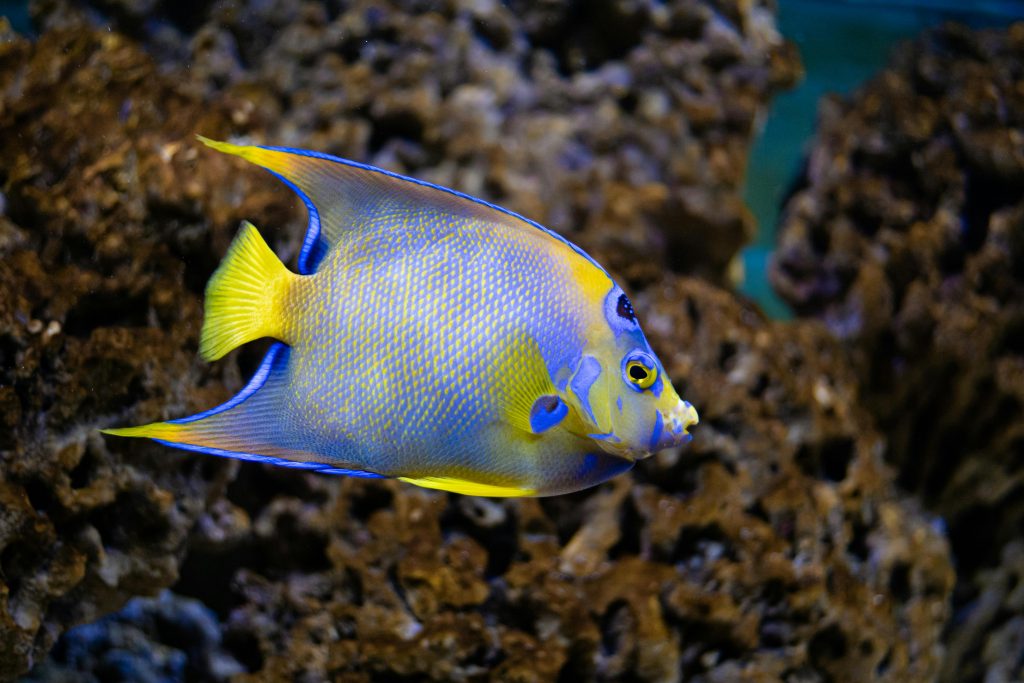
Most beginner corals are reef safe with common community fish. Clownfish, gobies, blennies, and many wrasses coexist well with soft corals and easy LPS. Problems usually come from coral nippers. Some angelfish, butterflyfish, and larger puffers may pick at polyps or fleshy tissue. Research every fish before adding it. Invertebrates also matter. Most clean-up crew members are safe, but some crabs may irritate corals if they climb over them often.
Coral-to-coral compatibility is just as important. Many corals compete using sweeper tentacles or chemical warfare. Give each coral room. Green star polyps and Xenia can spread aggressively. Isolate them on separate rocks if possible. Leather corals can release compounds that bother stony corals in smaller systems. Activated carbon helps reduce this issue. Do not crowd your tank early. Leave room for growth. For stocking ideas, check reef safe fish list and best clean up crew for reef tanks.
Step-by-Step Guide to Adding Your First Coral
- Cycle the tank fully before buying coral. Ammonia and nitrite must be zero.
- Confirm stable salinity, temperature, alkalinity, calcium, and magnesium.
- Start with one or two hardy corals. Avoid filling the tank at once.
- Dip new corals to reduce pests. Follow the dip instructions carefully.
- Acclimate to temperature first. Then place the coral in lower light initially.
- Secure frags well. Loose frags fall and get damaged easily.
- Observe daily for one week. Watch extension, color, and tissue condition.
- Adjust placement slowly. Change one factor at a time.
- Test water weekly. Perform regular water changes.
- Add more corals only after the first ones show clear stability.
This slow approach prevents many beginner mistakes. It also helps you learn your tank. Every aquarium behaves differently. Patience saves money and livestock.
Propagation and Fragging
Soft Coral Fragging
Many beginner soft corals are easy to propagate. Mushrooms can split naturally or be cut carefully with a clean blade. Leather corals can be trimmed into small sections and attached to rubble with mesh or reef-safe bands. Zoanthids can be fragged by cutting the mat between polyps. Always wear gloves and eye protection when handling zoanthids. Some contain palytoxin, which is dangerous.
LPS Coral Fragging
Duncan and candy cane corals are usually fragged by cutting the skeleton between heads with proper tools. Avoid cutting living tissue when possible. Frag only healthy, established colonies. Dip frags after cutting if needed. Then place them in moderate flow to heal. Do not frag stressed corals. Recovery comes first.
Common Problems
Why is my coral staying closed?
Closed polyps often point to stress. Common causes include recent placement, too much flow, unstable salinity, pests, or sudden lighting changes. First, test salinity and temperature. Then inspect for nudibranchs, flatworms, or algae irritating the coral. If flow is direct, move the coral slightly. Give it time after changes.
Why is my coral turning brown?
Brown coral often means excess nutrients or insufficient light. Elevated nitrate and phosphate can darken tissue. Low light can also increase brown coloration as zooxanthellae density rises. Check your feeding, filtration, and lighting intensity. Improve export gradually. Do not make sudden changes.
Why is my coral bleaching?
Bleaching usually results from too much light, heat stress, or rapid parameter shifts. Reduce light intensity or move the coral lower. Confirm temperature stability. Check alkalinity swings. Bleached corals need stable conditions and time. Avoid repeated handling.
Why is algae growing on my coral?
Algae often takes hold when coral tissue is weak or flow is poor. It can also follow high nutrients and old bulbs or poor spectrum settings. Gently remove algae if possible. Improve flow. Correct nutrient issues. Address the root cause before the coral declines further.
Frequently Asked Questions
What is the easiest coral for beginners?
Mushroom corals are often the easiest. They tolerate lower light and minor mistakes well.
How long should a tank run before adding coral?
Wait until the tank is fully cycled and stable. Many beginners succeed after four to eight weeks, depending on system maturity.
Do beginner corals need dosing?
Not always. Many small tanks with few corals do well with water changes alone. Test regularly before dosing anything.
Can I keep beginner corals under LED lights?
Yes. Most easy corals do very well under reef-capable LEDs if intensity is adjusted properly.
Should I dip every new coral?
Yes. Dipping helps reduce pests and hitchhikers. It does not replace quarantine, but it is a strong first step.
Beginner corals reward consistency more than perfection. Choose hardy species. Keep your parameters stable. Add livestock slowly. Observe the tank every day. Those habits matter more than expensive gear. Once your first corals open fully and begin to grow, reef keeping becomes much less intimidating and much more enjoyable.
Was this helpful?
Related Posts
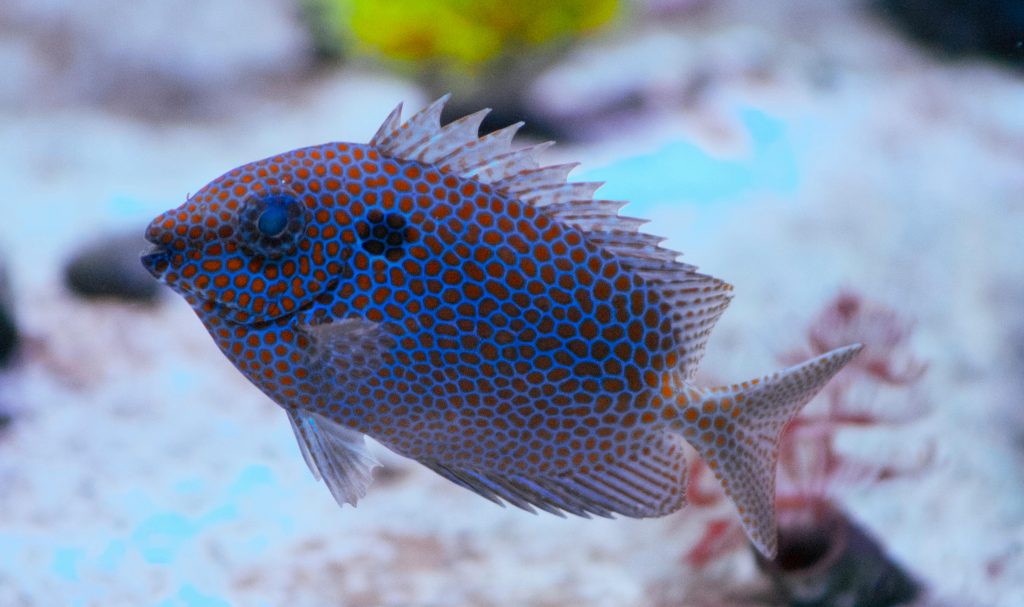
Gold Spotted Rabbitfish (Siganus Punctatus)
Gold Spotted Rabbitfish care includes large tanks, heavy algae feeding, and caution with corals. Learn tank size, diet,…
 By
By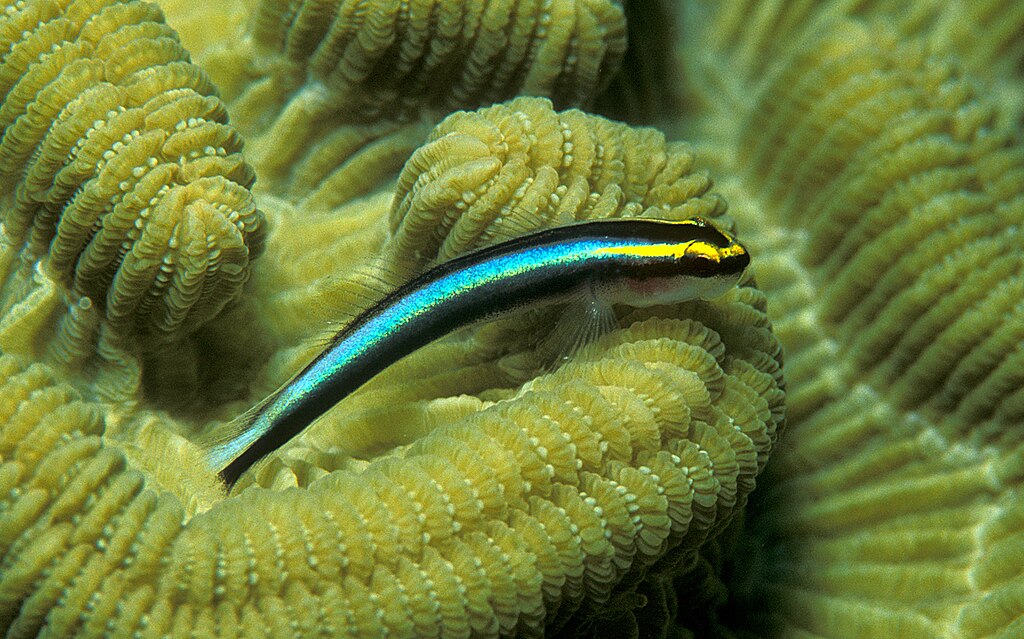
Sharknose Goby (Elacatinus evelynae)
Sharknose Goby care is simple in stable reef tanks. Learn feeding, tank setup, compatibility, and common problems for…
[favorite_button]
My Bookmarks:
To see full list click here
[user_favorites user_id="" include_links="true" site_id="" post_types="" include_thumbnails="true" thumbnail_size="thumbnail" include_excerpt="false"]