

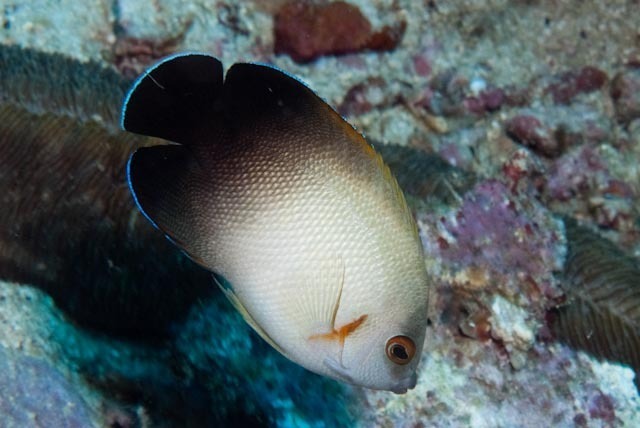
The Half Black Angelfish, also called Centropyge vrolikii, is a hardy dwarf angelfish with bold contrast and active behavior. It suits many established reef tanks, but it is not fully reef safe. Success depends on stable water, mature rockwork, careful feeding, and realistic expectations about coral nipping.
This species attracts hobbyists who want an angelfish without needing a very large tank. It stays smaller than many marine angels, yet it still brings strong personality and constant movement. Beginners often ask if it is reef safe, how large it gets, and what it needs to thrive. This guide covers identification, natural habitat, tank size, aquascaping, water chemistry, feeding, compatibility, and common problems. You will also learn how to reduce aggression and improve long-term success in a reef or fish-only setup.
Half Black Angelfish Quick Care Facts
| Common name | Half Black Angelfish |
| Scientific name | Centropyge vrolikii |
| Adult size | About 4 inches |
| Minimum tank size | 55 gallons |
| Temperament | Semi-aggressive |
| Reef safe | With caution |
| Diet | Omnivore with algae and sponge-based foods |
| Lighting | No special need beyond tank requirements |
| Water flow | Moderate, varied flow |
| Difficulty | Easy to moderate |
| Best temperature | 76 to 80°F |
| Ideal salinity | 1.025 to 1.026 |
This quick table gives the basics, but daily care matters more than any chart. A healthy specimen needs a mature aquarium, frequent feeding, and stable parameters. It also needs enough rock to graze and hide. Those factors make a bigger difference than chasing perfect numbers.
Natural Habitat
The Half Black Angelfish occurs across the Indo-Pacific. It is found around coral-rich reef areas, lagoons, and outer reef slopes. In nature, it spends much of the day picking at algae, detritus, and tiny organisms on rock and coral surfaces. It does not hover in open water for long periods. It prefers structure and cover.
Juveniles often stay in sheltered zones with rubble and branching coral. Adults use crevices and reef faces with abundant growth to graze from. This natural behavior explains why bare tanks often stress them. They want surfaces to inspect. They also want escape routes when startled. In the home aquarium, live rock and a mature biofilm help mimic this environment. A sterile setup can lead to shyness, poor feeding, and more aggression. When you understand its habitat, its care becomes much easier.
Aquarium Setup
A 55-gallon tank is the practical minimum for one Half Black Angelfish. Bigger is better, especially in a reef tank with other territorial fish. A larger footprint gives the fish more grazing area and more room to avoid conflict. This species is active. It explores rockwork all day.
Build the aquascape with caves, arches, and shaded pockets. Leave open swimming lanes in front. Use stable rock structures that cannot shift. This fish darts into cover quickly. A mature tank is strongly preferred. New tanks often lack natural grazing and microfauna. That can make acclimation harder. Keep ammonia and nitrite at zero. Nitrate should stay controlled. Phosphate should also remain stable, not stripped to zero. Sudden swings can stress dwarf angels. A lid is wise, since frightened fish may jump. If you are still planning your system, see our guides on reef tank setup guide and live rock for reef tanks.
Lighting Requirements
The Half Black Angelfish has no demanding lighting requirement of its own. It adapts well to the lighting used for fish-only systems or mixed reefs. What matters most is a stable day and night cycle. Sudden light changes can make it bolt into rock and injure itself.
In reef aquariums, the fish usually does well under moderate to high coral lighting if acclimated properly. Use ramp-up and ramp-down periods when possible. This reduces stress during the first weeks. Strong lighting also supports algae and microbial growth on rock, which gives the fish more natural grazing opportunities. If the fish hides often after introduction, check the aquascape before blaming the lights. Too little cover is a common cause. Lighting should support the tank as a whole, not just the fish. A calm transition at dawn and dusk helps this species settle in and feed with confidence.
Water Flow
Moderate, varied flow works best. The fish should be able to move through active water without being pinned in place. It also needs calmer pockets around caves and behind rockwork. Random flow patterns are ideal in reef tanks. They keep detritus suspended and create a more natural environment.
Avoid blasting the entire aquascape with direct flow. Constant pressure can make the fish avoid parts of the tank. It may then become more territorial in the few sheltered areas left. Good flow also supports oxygenation and helps keep algae films healthy but controlled. If waste settles heavily in dead spots, adjust powerheads. If the fish pants or hides in one calm corner all day, the flow may be too harsh. Balanced circulation supports both fish health and water quality. For more help, read reef tank water flow guide.
Feeding
Feeding is one of the biggest keys to success with Centropyge vrolikii. In nature, it grazes constantly. In captivity, it should not rely on one food. Offer a varied omnivore diet with marine algae, spirulina, mysis shrimp, finely chopped seafood, and quality angelfish formulas that include sponge material. Two to three small feedings daily work better than one large meal.
A well-fed fish is often less likely to pick at corals, though there are no guarantees. Clip nori to the glass a few times each week. Let the fish graze between meals. Frozen blends for herbivores and omnivores also help maintain body weight and color. Watch the belly line. A pinched stomach suggests underfeeding, internal parasites, or social stress. New arrivals may prefer live or highly aromatic foods at first. Enriched brine shrimp can help trigger feeding, but it should not be the main long-term diet. If you need ideas, our best foods for reef fish guide covers useful staple foods.
Compatibility
The Half Black Angelfish is semi-aggressive. It usually does well with peaceful to moderately assertive reef fish that can hold their own. Good tankmates include many clownfish, wrasses, gobies, blennies, cardinalfish, and tangs in larger systems. Avoid housing it with very timid fish in cramped tanks. It may chase them, especially near caves and feeding zones.
Keeping more than one dwarf angelfish is risky in smaller tanks. Territorial fighting is common. In large tanks with complex rockwork, mixing species can work, but it is never guaranteed. Reef compatibility is the bigger concern. This species may nip at fleshy LPS corals, zoanthids, clam mantles, and some soft corals. Many individuals ignore corals for years. Others develop the habit quickly. That is why it is called reef safe with caution. If your reef contains prized fleshy corals, think carefully before adding one. For stocking help, see reef fish compatibility chart.
Step-by-Step Acclimation Guide
- Quarantine the fish before display introduction. This reduces disease risk.
- Match temperature slowly over 15 to 20 minutes.
- Use drip acclimation if salinity differs noticeably.
- Keep lights dim during transfer.
- Provide several caves immediately.
- Offer food within a few hours, then again later.
- Watch for rapid breathing, flashing, or severe hiding.
- Introduce the fish after more aggressive tankmates, if possible.
Quarantine is especially important with angelfish. Marine ich and flukes are common issues in imported fish. A calm, covered quarantine tank helps the fish settle and begin feeding. Once the fish eats reliably and shows no signs of disease, transfer becomes much safer. Use an acclimation box in the display if existing fish are territorial. This can prevent chasing during the first day.
Propagation or Breeding
Can hobbyists breed Half Black Angelfish?
Breeding dwarf angelfish in home aquariums is rare. It is possible in theory, but not common in standard hobby systems. These fish form social structures and may spawn at dusk in large, stable environments. The eggs are pelagic. The larvae are tiny and difficult to raise.
Why captive breeding is difficult
The main challenge is larval rearing. The fry need very small live foods at the correct stages. They also need excellent water quality and specialized culture systems. Most hobbyists focus on long-term care rather than breeding. At this time, the species is still mainly sourced from the wild trade.
Common Problems
Why is my Half Black Angelfish hiding?
New fish often hide for several days. That is normal. Persistent hiding usually points to stress. Common causes include aggressive tankmates, too little rock cover, harsh flow, or poor water quality. Test ammonia, nitrite, nitrate, salinity, and temperature. Observe other fish during feeding. Rearranging rock or using an acclimation box can help.
Why is it not eating?
Fresh imports may refuse dry foods at first. Offer frozen mysis, enriched brine, algae sheets, and angelfish formulas with sponge. Keep the environment calm. If the fish still refuses food after several days, inspect for parasites, bullying, or shipping damage. Quarantine makes this easier to manage.
Why is it nipping my corals?
Some individuals simply develop a taste for coral tissue or mucus. Underfeeding can increase the risk, but feeding more does not always solve it. If nipping becomes frequent and corals stay closed, removal may be the only reliable fix. An acclimation box and fish trap can help with capture.
Why has the color faded?
Faded color often reflects stress, poor diet, or disease. Review nutrition first. Add algae, sponge-based foods, and varied frozen options. Then check water stability. Rapid salinity swings and chronic aggression can dull coloration over time. Good feeding and stable conditions usually restore appearance.
Frequently Asked Questions
Is the Half Black Angelfish reef safe?
It is reef safe with caution. Some individuals behave well. Others nip LPS, zoanthids, soft corals, or clam mantles.
How big does a Half Black Angelfish get?
Most reach about 4 inches in captivity. Good care and a spacious tank support healthy growth.
What is the minimum tank size?
A 55-gallon tank is the minimum recommendation. Larger tanks offer better stability and less aggression.
Can I keep two dwarf angelfish together?
Sometimes, but it is risky. It works best in large tanks with heavy rockwork and careful species selection.
Is this fish good for beginners?
It can work for beginners with an established tank and solid quarantine habits. It is not ideal for brand-new systems.
Final Thoughts
The Half Black Angelfish is a rewarding dwarf angel with strong color contrast and lively behavior. It adapts well when given mature rockwork, stable water, and a varied diet. Its main drawback is coral nipping risk. If you can accept that uncertainty, Centropyge vrolikii can become a standout fish in a reef or fish-only aquarium. Choose a healthy specimen, quarantine carefully, and feed it often. Those simple steps greatly improve your chances of long-term success.
Was this helpful?
Related Posts
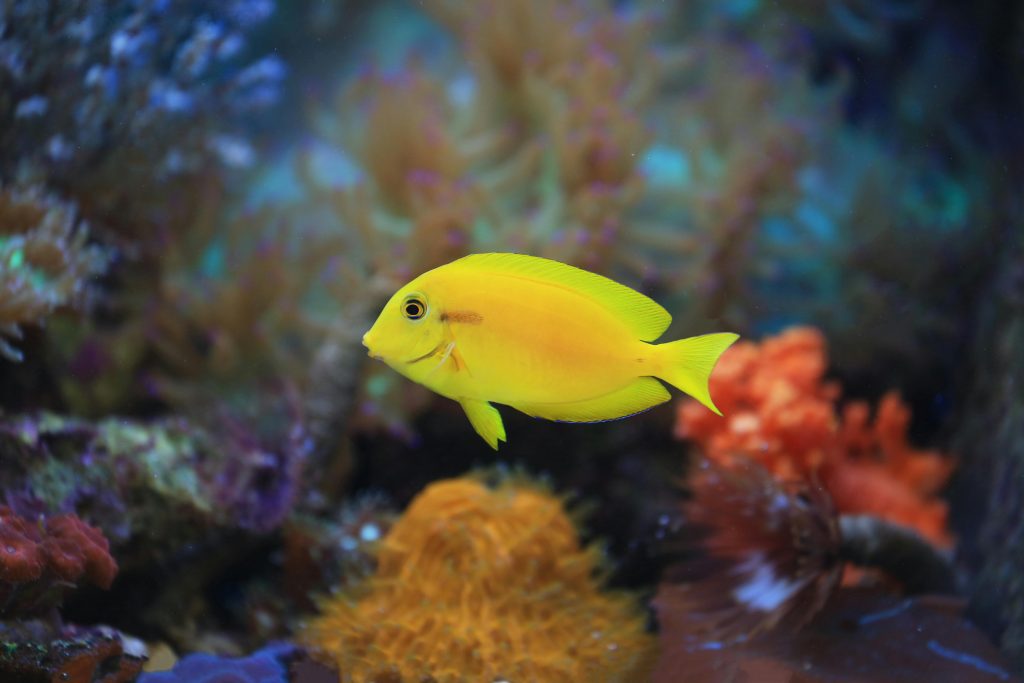
Juvenile Orange Shoulder (acanthurus Olivaceus)
Juvenile orange shoulder tangs are bright, hardy, and reef safe, but they grow large and need a spacious…
 By
By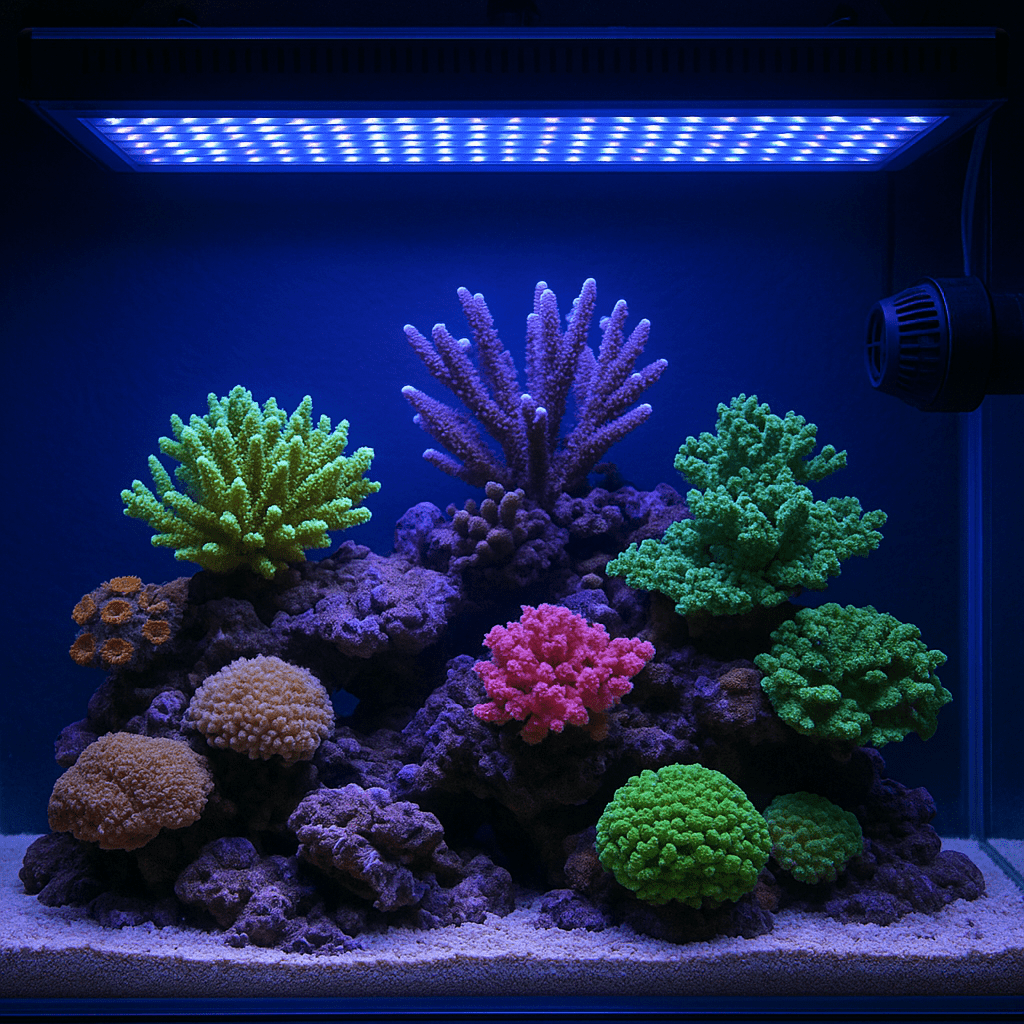
Best Filtration Systems
Best Filtration Systems for a Healthy Saltwater Aquarium Choosing the best filtration system for your saltwater aquarium is…
[favorite_button]
My Bookmarks:
To see full list click here
[user_favorites user_id="" include_links="true" site_id="" post_types="" include_thumbnails="true" thumbnail_size="thumbnail" include_excerpt="false"]