Hammer corals are hardy, colorful LPS corals that suit many reef tanks. They need stable water, moderate light, moderate flow, and enough space from neighbors. With the right placement and feeding, they grow well and show strong polyp extension.
Hammer corals are often recommended for newer reef keepers. They have movement, bright color, and a classic branching or wall shape. They also teach important reef skills. You must manage coral spacing, water chemistry, and flow direction. In this guide, you will learn how to keep hammer corals healthy long term. We will cover tank setup, lighting, flow, feeding, compatibility, fragging, and common problems. If you want better growth and fewer setbacks, this care guide will help you make smarter choices from the start.
Hammer Coral Quick Reference
| Common name | Hammer coral |
| Scientific group | Fimbriaphyllia spp. |
| Care level | Easy to moderate |
| Temperament | Semi-aggressive |
| Lighting | Moderate |
| Water flow | Moderate, indirect |
| Placement | Lower to middle rockwork |
| Tank size | 20 gallons minimum, 40+ preferred |
| Temperature | 76-79°F |
| Salinity | 1.025-1.026 specific gravity |
| Alkalinity | 8-9 dKH |
| Calcium | 420-460 ppm |
| Magnesium | 1300-1450 ppm |
| Nitrate | 5-15 ppm |
| Phosphate | 0.03-0.10 ppm |
Use these numbers as a starting point. Stability matters more than chasing exact values. Sudden swings stress hammer corals quickly.
What Is a Hammer Coral?
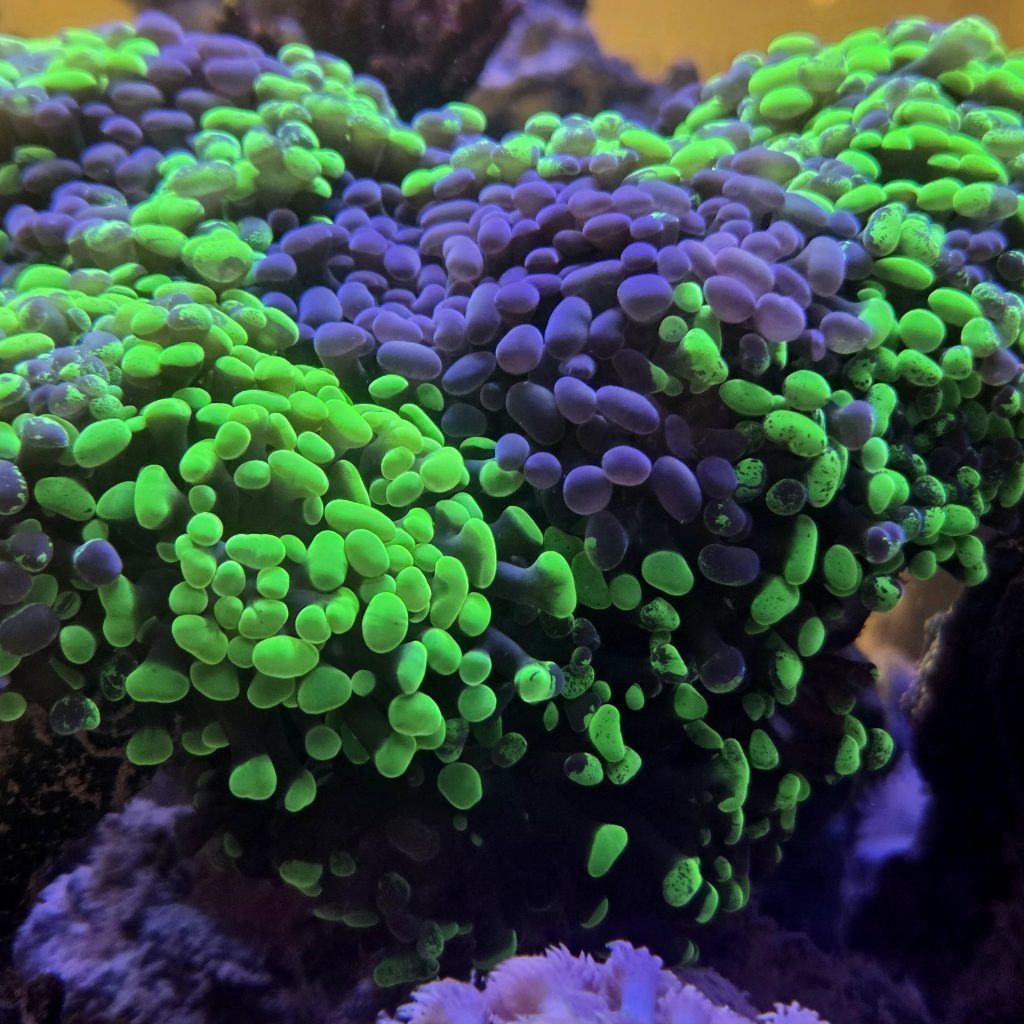
Hammer corals are large polyp stony corals, or LPS corals. They are known for their fleshy tentacles and hammer-shaped tips. Some hobbyists group them with frogspawn and torch corals because they look similar. They belong to the same broader family and share many care needs.
You will usually see two main forms in stores. Branching hammer corals have separate heads on a branching skeleton. Wall hammer corals grow as one long continuous skeleton. Branching types are usually hardier. They also frag more easily. Wall hammers can be stunning, but they are often less forgiving after damage.
Most hammer corals come in green, gold, purple, or bi-color forms. Their movement makes them a favorite in mixed reefs. They can become a centerpiece coral when given room to expand.
Natural Habitat
Hammer corals occur in the Indo-Pacific region. They are found around reef slopes, lagoon areas, and protected reef zones. In nature, they usually live where light is present but not extreme. Water movement is steady but not violent.
This helps explain their aquarium needs. They do best under moderate reef lighting. They also prefer indirect flow that keeps the polyps moving gently. On a natural reef, sediment, current, and water chemistry change slowly. In aquariums, quick changes happen fast. That is why stable parameters are so important.
Wild colonies often grow with room around them. Nearby corals still compete, but space reduces constant stinging. In tanks, crowding is common. Hammer corals need more personal space than many beginners expect.
Aquarium Setup
A hammer coral can live in a smaller reef tank, but larger systems are easier. A 20-gallon tank is the bare minimum for a single small frag. A 40-gallon breeder or larger gives you more room for coral spacing and parameter stability.
Place hammer corals on stable rockwork or a secure frag rack during acclimation. Many reef keepers start them low in the tank. Then they move them higher if needed. This lowers the risk of light shock. Leave enough room on all sides for full polyp expansion. Their sweeper tentacles can sting nearby corals, especially at night.
Avoid placing them where detritus settles heavily. Avoid unstable rocks too. Falling frags often tear tissue. Branching hammers recover better from minor accidents. Wall hammers often do not. If you run a mixed reef, plan coral placement before the colony grows large.
Lighting Requirements
Hammer corals prefer moderate light. In most tanks, that means roughly 80 to 150 PAR. Some aquarists keep them a bit higher, but sudden increases can cause stress. Signs of too much light include retracted polyps, pale tissue, and bleaching. Signs of too little light include poor growth and dull color.
LED, T5, and hybrid systems all work well. The goal is even, stable light. If you buy a hammer coral from a dim frag system, acclimate it slowly. Start lower in the tank. Then raise it over one to two weeks if needed. Many losses happen from fast light changes, not from weak lighting.
Blue-heavy reef lighting often brings out the best color. Still, do not judge health by fluorescence alone. Good extension, inflation, and steady growth matter more than glowing tips.
Water Flow
Flow is one of the biggest hammer coral care mistakes. They like moderate, indirect movement. The tentacles should sway gently. They should not whip hard in one direction. Strong direct flow can tear tissue against the skeleton. Weak flow can let detritus collect between polyps.
Watch the coral closely after placement. If the tissue looks compressed on one side, flow may be too strong. If the polyps look limp and debris settles on the coral, flow may be too low. Random alternating flow usually works better than a constant blast from one pump.
In many tanks, the best spot is off to the side of a return nozzle or wavemaker path. This creates indirect movement without harsh impact. Small adjustments can make a big difference.
Water Parameters and Stability
Hammer corals build a calcium carbonate skeleton, so major elements must stay in range. Keep alkalinity stable at 8 to 9 dKH. Keep calcium around 420 to 460 ppm. Keep magnesium around 1300 to 1450 ppm. Stability matters more than perfect numbers.
They also dislike ultra-clean water. Very low nutrients can lead to pale color and weak growth. Aim for nitrate around 5 to 15 ppm and phosphate around 0.03 to 0.10 ppm. Zero nutrient systems often cause LPS corals to struggle. At the same time, dirty water can fuel algae and bacterial issues.
Keep salinity stable at 1.025 to 1.026. Maintain temperature between 76 and 79°F. Avoid rapid changes after water changes, dosing mistakes, or top-off failures. If your hammer coral suddenly closes, check alkalinity and salinity first.
Feeding
Hammer corals get much of their energy from light through zooxanthellae. They still benefit from feeding. Target feeding can improve growth and help recovery after stress. Offer small meaty foods once or twice weekly. Good options include mysis shrimp, finely chopped seafood, reef roids, or quality LPS pellets.
Feed when the tentacles are extended. Turn off strong flow for a few minutes. Use a turkey baster or feeding pipette. Do not overfeed. Large chunks can rot or be rejected. Small portions work better. If fish steal food, try feeding after lights dim.
Feeding is helpful, but it cannot fix poor water chemistry. Think of it as support, not a replacement for stable care. Healthy hammer corals often grow new heads faster when fed consistently.
Compatibility
Hammer corals are semi-aggressive. They can sting nearby corals with sweeper tentacles. Leave several inches of space around them. More space is safer in mixed reefs. Do not crowd them against acans, zoanthids, chalices, or SPS colonies.
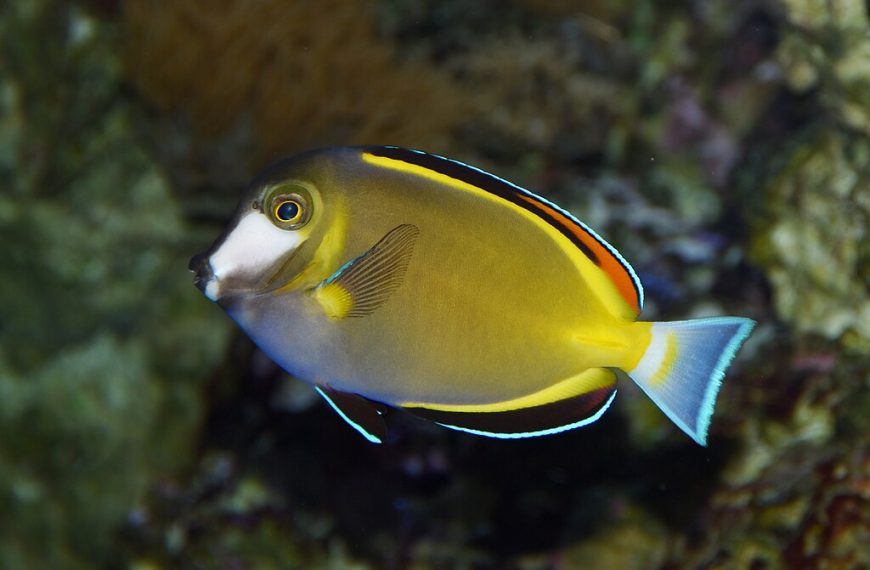
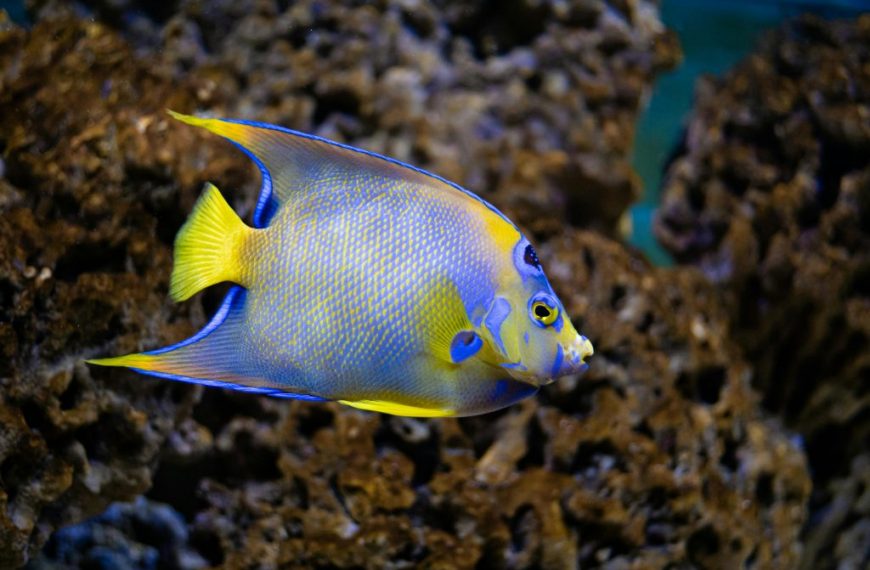
Many reef fish ignore hammer corals. Clownfish sometimes host in large colonies. This can look great, but constant rubbing may irritate a small or stressed coral. Watch closely if your clownfish become rough. Some angelfish and butterflyfish may nip at fleshy polyps. Certain crabs and shrimp can also bother damaged tissue.
Hammer corals are often kept near frogspawn and torch corals, but caution is wise. Some hobbyists report peaceful placement within the same group. Others see chemical or physical aggression. Give each colony room until you know how your tank behaves.
Step-by-Step Placement Guide
- Inspect the coral for brown jelly, torn tissue, and pests.
- Dip if needed, using a reef-safe coral dip.
- Match salinity and temperature before transfer.
- Start the coral in low to moderate light.
- Choose a spot with moderate, indirect flow.
- Secure the frag so it cannot fall.
- Leave space for expansion and sweepers.
- Observe for three to seven days before moving it.
- Adjust light or flow only one variable at a time.
- Test alkalinity, salinity, and temperature if it stays closed.
This slow approach prevents many beginner mistakes. Most hammer corals dislike constant relocation. Give them time before making another change.
Propagation and Fragging
Branching Hammer Corals
Branching hammer corals are the easiest to frag. Use bone cutters, a rotary tool, or coral shears. Cut the skeleton between heads. Never cut through fleshy tissue if you can avoid it. Wear eye protection and gloves. Rinse the frag in tank water after cutting. Many hobbyists dip the fresh cut to reduce infection risk.
Wall Hammer Corals
Wall hammers are much harder to frag safely. Damage can spread along the shared tissue. Most hobbyists should avoid cutting them unless they have experience and proper tools. Buying a healthy colony is usually safer than attempting a risky cut.
Aftercare
Place fresh frags in lower light and gentle indirect flow for recovery. Keep water stable and clean. Watch closely for brown jelly infection or receding tissue during the first week. Feeding can help after the frag reopens.
Common Problems
Why Is My Hammer Coral Closed?
The most common causes are recent placement, alkalinity swings, salinity changes, and poor flow. Check for tissue damage and pests too. If the coral was moved recently, give it time. If it stays closed for more than a few days, test your water and inspect the skeleton edge for recession.
Brown Jelly Disease
Brown jelly looks like a brown, slimy mass on damaged tissue. It can spread fast. Remove the affected coral from the display if possible. Gently blow off the jelly in a separate container. Trim dead areas on branching types if needed. Dip the coral and improve flow around recovering tissue. Act quickly.
Tissue Recession
Recession often starts from low alkalinity stability, injury, pests, or too much flow. Check for exposed white skeleton near the base. Review recent changes in dosing, lighting, and placement. Correct the stressor slowly. Fast corrections can add more stress.
Bleaching or Pale Color
Pale tissue usually points to excess light, low nutrients, or both. Lower the coral slightly or reduce intensity. Confirm that nitrate and phosphate are not bottomed out. Feed lightly during recovery. Color usually returns slowly.
Frequently Asked Questions
Are hammer corals good for beginners?
Yes, branching hammer corals are a strong beginner LPS choice. They are hardy when water stays stable.
How fast do hammer corals grow?
Growth depends on stability, feeding, and lighting. Healthy branching hammers can add new heads steadily over time.
Can hammer corals touch other corals?
It is best to avoid contact. Hammer corals can sting neighbors and be stung in return.
Do hammer corals need feeding?
They do not require heavy feeding, but occasional target feeding can improve growth and recovery.
What is the best placement for a hammer coral?
Start in the lower to middle tank area with moderate light and gentle, indirect flow. Adjust slowly if needed.
Final Tips for Long-Term Success
If you want a thriving hammer coral, focus on consistency. Keep alkalinity stable. Avoid harsh flow. Give the coral room. Do not chase perfect numbers every day. Watch the coral itself. Its extension and tissue fullness tell you a lot.
Branching forms are the best choice for most hobbyists. They handle fragging and minor accidents better. Wall hammers are beautiful, but they demand more caution. Start simple. Learn your tank. Then expand your collection slowly.
For more reef care help, read our guides on reef tank parameters, best LPS corals for beginners, coral dipping guide, and how to lower phosphate in a reef tank.
Was this helpful?
Related Posts
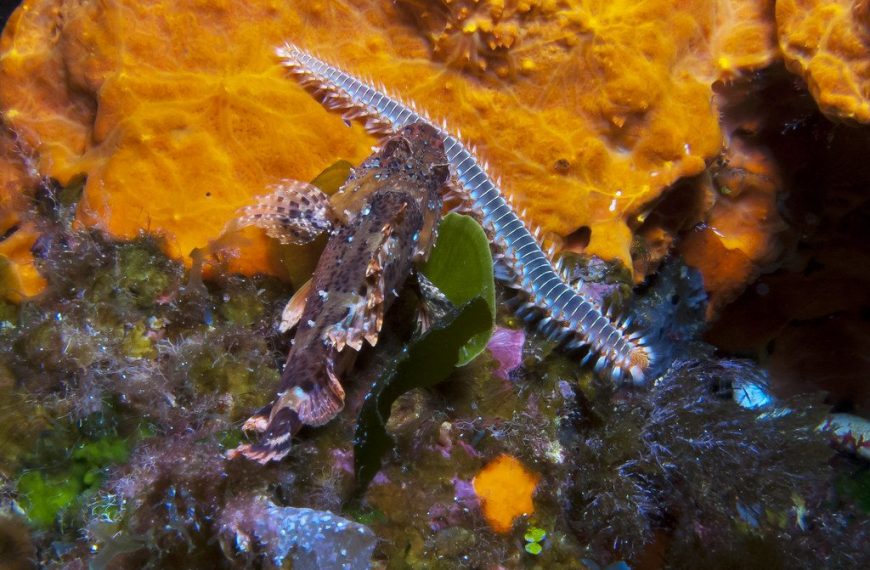
Bristleworms
Bristleworms are usually helpful reef tank scavengers. Learn how to identify them, control numbers, and spot the rare…
 By
By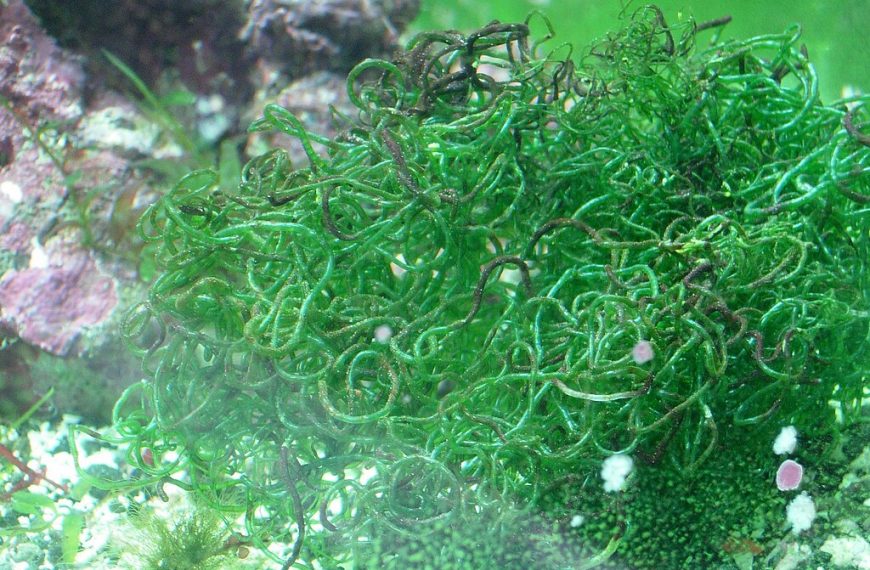
What is a Chaeto Reactor, and How Does it Help Control Nutrients?
A chaeto reactor grows macroalgae in a sealed chamber to remove nitrate and phosphate, helping reef tanks control…