

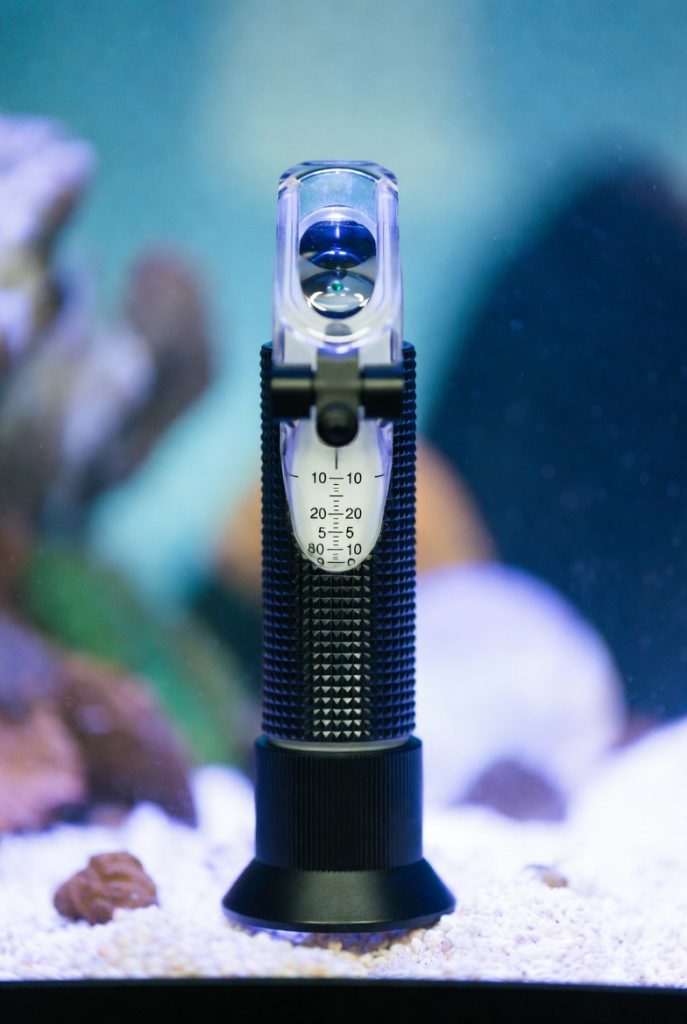
Calibrating a refractometer is simple, but it must be done correctly. Use the right calibration fluid, let the tool reach room temperature, and verify accuracy often. This keeps your salinity readings reliable and protects fish, corals, and invertebrates from avoidable stress.
Many reef problems start with bad salinity readings. A refractometer can drift over time. It can also give false results if it is calibrated with the wrong solution. In this guide, you will learn how to calibrate a refractometer the right way for a reef tank. You will also learn which fluid to use, how often to calibrate, what mistakes to avoid, and how to troubleshoot odd readings. If you keep stable salinity, you give your reef a much better chance to thrive.
Quick Reference Table
| Item | Best Practice |
|---|---|
| Calibration fluid | Use 35 ppt calibration solution |
| Target reading | 35 ppt or 1.0264 specific gravity |
| RODI water for calibration | Not recommended for reef accuracy |
| Calibration frequency | Before first use, then weekly or before important tests |
| Temperature | Let refractometer and fluid reach room temperature |
| Sample size | 2 to 3 drops on a clean prism |
| Wait time | 30 to 60 seconds before reading |
| Cleaning | Rinse with RODI water and dry with soft cloth |
This table covers the basics. The details below matter just as much. Small mistakes can create large salinity errors in a reef tank.
Why Refractometer Calibration Matters
Salinity affects every animal in your aquarium. Fish regulate body fluids based on stable salt levels. Corals depend on stable salinity for tissue health and calcification. Invertebrates are often even less forgiving. If your refractometer reads low, you may slowly raise salinity too high. If it reads high, you may keep salinity too low for weeks.
These errors can cause poor polyp extension, failed molts, slow coral growth, or unexplained livestock stress. Many hobbyists chase alkalinity or nutrient issues first. Sometimes the real problem is simple salinity drift. That is why calibration is not a one-time task. It is part of routine reef maintenance. A properly calibrated refractometer helps you mix saltwater correctly, match water changes to tank salinity, and avoid dangerous swings during top off or dosing mistakes.
What You Need Before You Start
You do not need much equipment. You do need the correct supplies. The most important item is a 35 ppt calibration solution. This is the right reference point for reef aquariums. Avoid calibrating with pure RODI water if your goal is reef accuracy. Many hobby refractometers are most accurate near seawater strength when calibrated at 35 ppt.
You will also need a clean refractometer, a small screwdriver if your model uses one, a soft lint-free cloth, and some RODI water for rinsing. Good light helps too. Natural light or a bright room makes the scale easier to read. If your refractometer has automatic temperature compensation, it still needs time to equalize to room temperature. Do not calibrate it right after bringing it in from a hot garage or cold car. Temperature mismatch can shift the reading.
How to Calibrate a Refractometer Step by Step
Follow these steps in order. They are quick and repeatable.
- Place the refractometer and calibration fluid indoors for 15 to 30 minutes.
- Open the daylight plate and inspect the prism surface.
- Rinse the prism with RODI water if needed.
- Dry it gently with a soft cloth.
- Add 2 to 3 drops of 35 ppt calibration solution to the prism.
- Close the daylight plate slowly to spread the fluid evenly.
- Wait 30 to 60 seconds.
- Look through the eyepiece toward a bright light source.
- Focus the eyepiece if the scale looks blurry.
- Find the line where blue and white meet.
- Adjust the calibration screw until the line sits at 35 ppt or 1.0264.
- Wipe the prism clean.
- Repeat once more to confirm the setting holds.
That is the full process. Once done, your refractometer is ready to test aquarium water or freshly mixed saltwater.
Why You Should Use 35 ppt Solution Instead of RODI Water
This is one of the most common reef hobby mistakes. Many refractometers include instructions for zeroing with distilled water. That may work for some general-purpose salt devices. It is not the best method for reef use. Reef tanks run near 35 ppt. You want the tool calibrated at the range you actually use.
If you calibrate at zero with RODI water, the refractometer can still be off at seawater strength. That means your reading at 35 ppt may not be truly accurate. A proper 35 ppt standard removes that problem. It gives you confidence that your reef tank is actually at natural seawater salinity. For coral systems, this matters more than many beginners realize. Stable and accurate salinity supports better coral coloration, cleaner molting in shrimp, and less stress during acclimation.
How to Test Your Aquarium Water After Calibration
Testing tank water is easy once calibration is complete. First, rinse the prism with RODI water and dry it. Then place 2 to 3 drops of aquarium water on the prism. Close the plate and wait about 30 seconds. This allows the sample to settle and match the prism temperature. Then read the scale under good light.
For most reef tanks, a target salinity of 35 ppt is ideal. That equals about 1.0264 specific gravity. Some hobbyists run slightly lower. The key is consistency. Do not chase tiny daily changes unless you confirm them with repeat testing. If a reading seems odd, test again. Also compare tank water to freshly mixed saltwater if you suspect a mixing issue. If your salinity changes often, review your top off routine. Evaporation removes water, not salt. That means salinity rises when top off is delayed.
How Often Should You Calibrate a Refractometer?
There is no single rule for every hobbyist. A good baseline is once a week for active reef keepers. You should also calibrate before mixing a large batch of saltwater, before major water changes, and any time the tool gets bumped, dropped, or stored in harsh conditions. If you only use it occasionally, calibrate before every use.
Frequent calibration is cheap insurance. Reef tanks can suffer from slow salinity drift for months before obvious symptoms appear. Corals may stop growing. Snails may become inactive. Fish may seem fine at first, then show stress after a change. A quick calibration check prevents these hidden problems. If you maintain a quarantine tank, frag tank, or mixing station, check each system often. Matching salinity between systems reduces stress during transfers and acclimation.
Common Problems
My refractometer will not hold calibration
This usually points to a loose adjustment screw, poor build quality, or residue on the prism. Clean the prism carefully and recalibrate. If the reading drifts again within a short time, the unit may be faulty. Very cheap refractometers sometimes become unreliable over time.
The reading changes every time I test
Inconsistent readings often come from poor sample technique. Use enough liquid to cover the prism fully. Wait the same amount of time before reading. Make sure the prism is clean and dry between tests. Also check that the sample and tool are near room temperature.
The scale looks blurry
Use the eyepiece focus ring first. If the boundary line still looks fuzzy, clean the prism and the daylight plate. Salt residue can distort the image. Better lighting also helps. Stand near a bright window or under a strong lamp.
My salinity seems different from my hydrometer
One of the tools is likely wrong. Swing-arm hydrometers often collect bubbles or residue. That can skew readings. Calibrate the refractometer with 35 ppt solution and compare again. If possible, cross-check with another trusted meter or a local fish store.
I calibrated with RODI water already
Do not panic. Just recalibrate with 35 ppt solution. Then retest your aquarium water and your salt mix. If the new reading is very different, adjust salinity slowly. Rapid corrections can stress livestock. In most cases, slow changes over several days are safer.
Best Practices for Long-Term Accuracy
Handle the refractometer like a precision tool. Rinse it with RODI water after every use. Dry it gently. Store it in a clean, dry place. Do not leave saltwater on the prism. Salt creep and dried residue can damage accuracy. Keep calibration fluid sealed so it does not evaporate or become contaminated.
It also helps to build a routine. Calibrate first. Then test your tank. Then test your new saltwater. Write the numbers down. This habit helps you catch trends early. If salinity starts creeping up, your auto top off may need attention. If your new saltwater is always off, your mixing process may need adjustment. Consistency is one of the biggest keys to reef success. Accurate salinity measurement supports that consistency every day.
Frequently Asked Questions
Can I calibrate a refractometer with distilled water?
You can on some models, but it is not ideal for reef tanks. A 35 ppt calibration solution is much better for seawater accuracy.
What salinity should my reef tank be?
A common target is 35 ppt, or about 1.0264 specific gravity. Stability matters as much as the exact number.
How long does calibration fluid last?
It lasts a long time if sealed well. Replace it if it evaporates, looks contaminated, or has been stored poorly.
Should I calibrate before every use?
If you test often, weekly calibration is usually enough. If you test rarely, calibrate before each use for safety.
Why does accurate salinity matter so much for corals?
Corals respond poorly to unstable salinity. Accurate readings help maintain proper osmotic balance, tissue health, and skeletal growth.
Final Tips for Reef Hobbyists
If you only remember one thing, remember this: calibrate with 35 ppt solution, not plain water. That one choice improves accuracy right away. Then build a simple routine and stick with it. Calibrate often. Test slowly. Clean the prism every time. Recheck odd readings before making corrections.
Salinity is one of the core foundations of reef keeping. It affects everything else you do. When your refractometer is accurate, your water changes become safer, your acclimation becomes easier, and your livestock gets the stable environment it needs. For more reef basics, see our guides on reef tank salinity, how to mix saltwater, reef tank parameters, and auto top off systems.
Was this helpful?
Related Posts
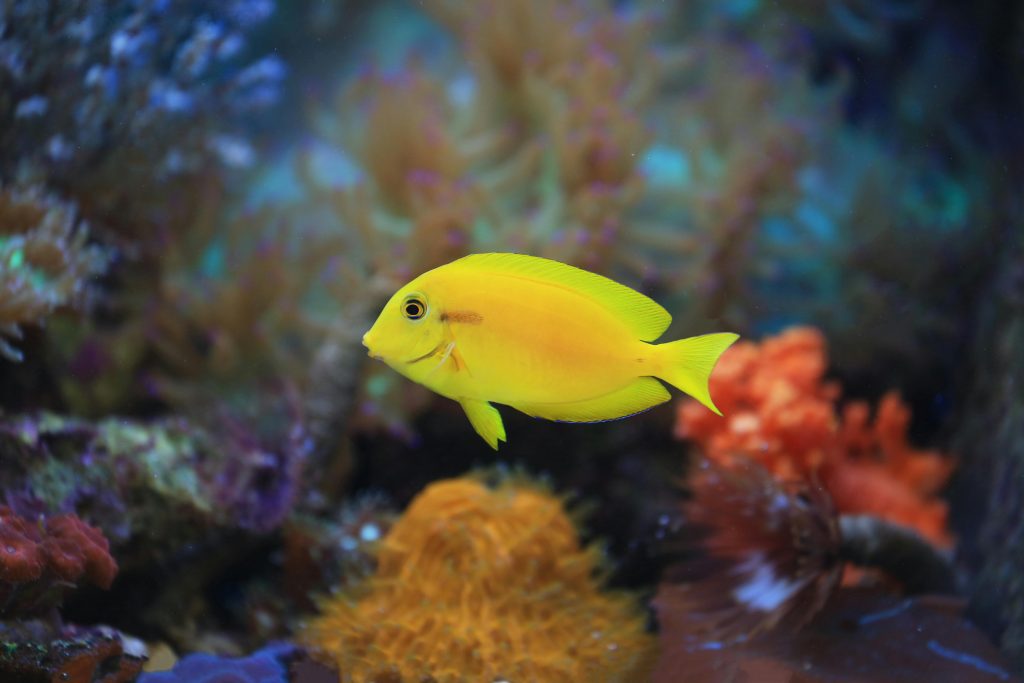
Juvenile Orange Shoulder (acanthurus Olivaceus)
Juvenile orange shoulder tangs are bright, hardy, and reef safe, but they grow large and need a spacious…
 By
By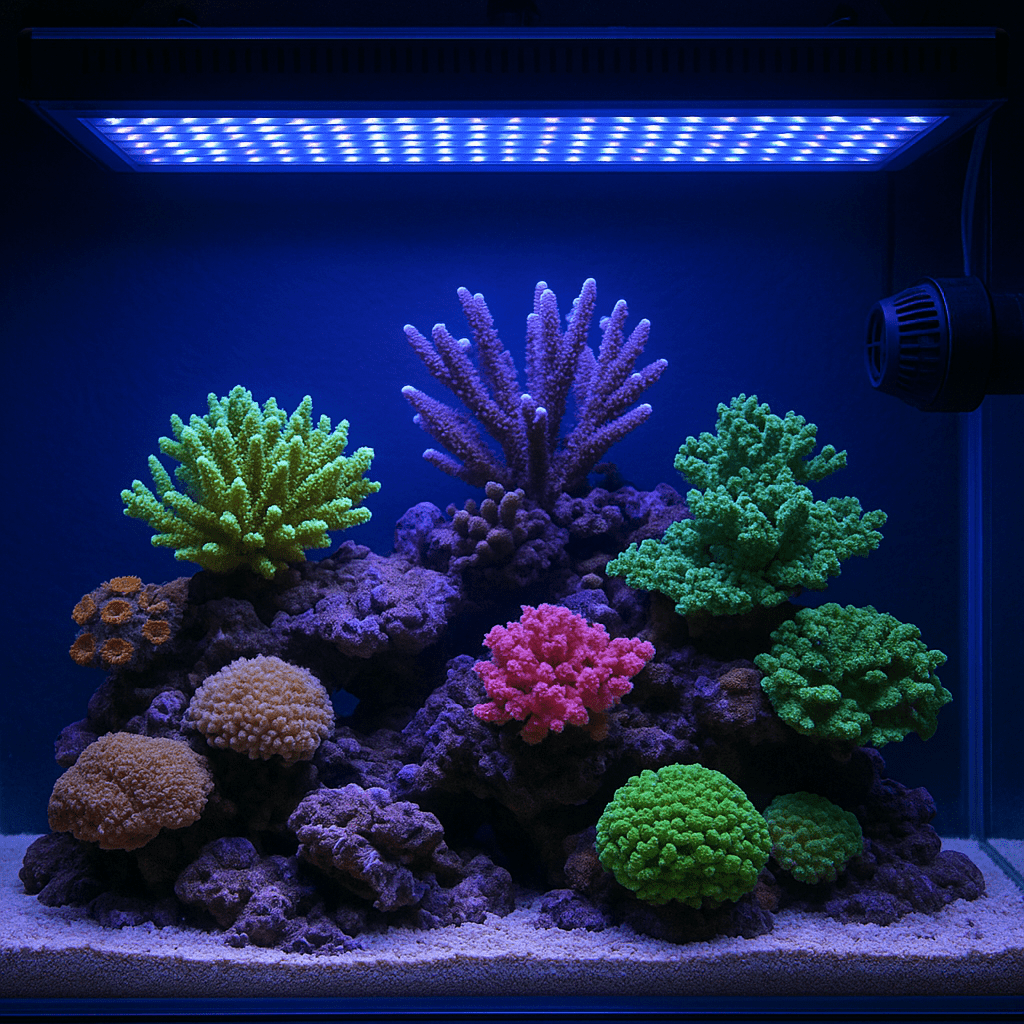
Best Filtration Systems
Best Filtration Systems for a Healthy Saltwater Aquarium Choosing the best filtration system for your saltwater aquarium is…
[favorite_button]
My Bookmarks:
To see full list click here
[user_favorites user_id="" include_links="true" site_id="" post_types="" include_thumbnails="true" thumbnail_size="thumbnail" include_excerpt="false"]