

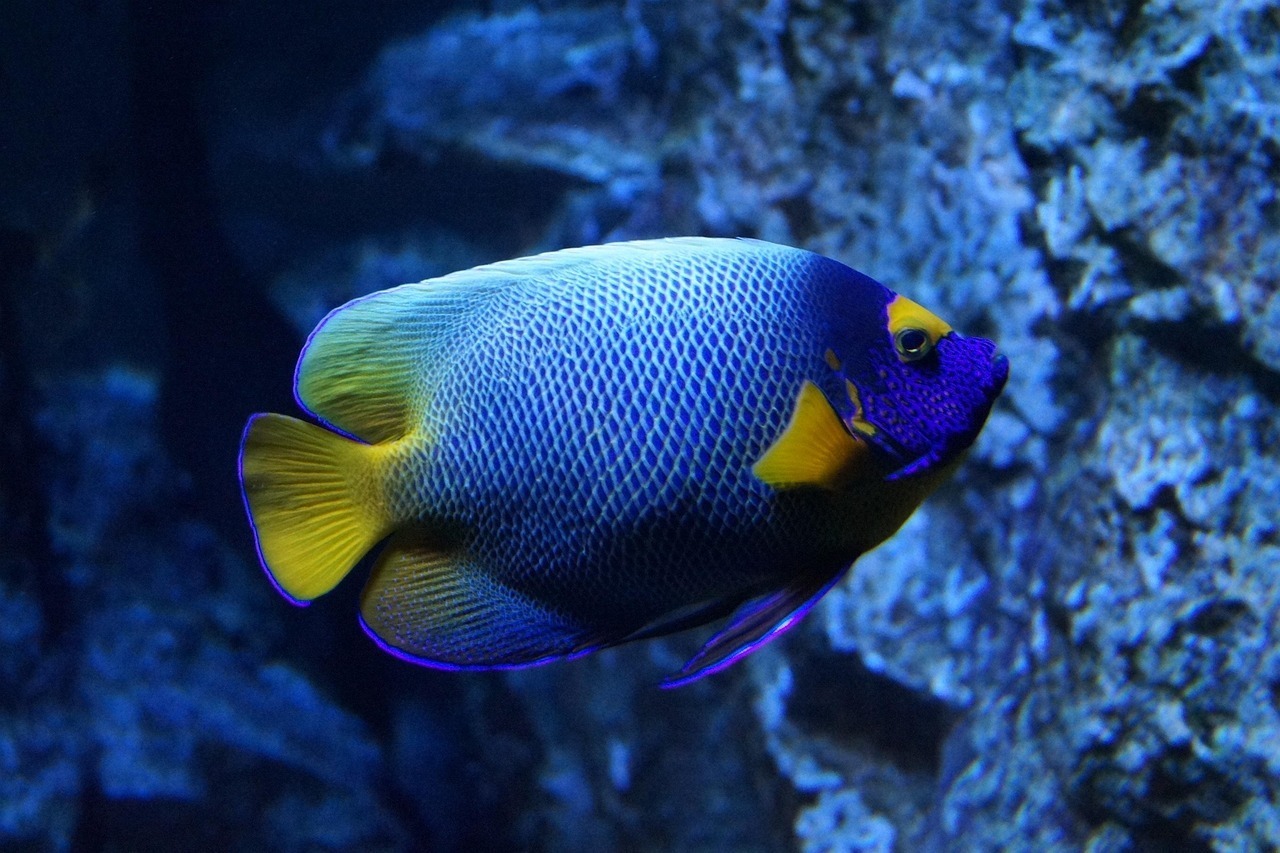
Catching fish in a reef tank is tricky, but it does not need to be chaotic. The safest approach is to reduce stress, protect corals, and use patient methods like fish traps, feeding routines, and night capture. Fast chasing rarely works. Calm planning almost always does.
Many reef keepers eventually need to remove a fish. You may need to rehome an aggressive tang. A wrasse may be bullying new tank mates. A sick fish may need quarantine. Sometimes a fish simply outgrows the aquarium. In every case, the goal stays the same. Catch the fish without tearing apart the reef. This guide explains the best ways to catch fish in a reef tank, what tools help most, and how to avoid common mistakes that stress fish, damage coral, and cloud the water.
Quick Reference: Best Ways to Catch Fish in a Reef Tank
| Method | Best For | Difficulty | Risk to Corals | Notes |
|---|---|---|---|---|
| Fish trap | Bold feeders and territorial fish | Easy | Low | Best overall method for most reef tanks |
| Two-net method | Slower fish in open aquascapes | Moderate | Low to medium | Works best with planning and dim light |
| Night capture | Sleeping fish and shy species | Moderate | Low | Very effective for tangs, rabbitfish, and some gobies |
| Acclimation box capture | Fish already entering boxes for food | Easy | Low | Great if the fish trusts the container |
| Partial rock removal | Last resort cases | Hard | High | Use only when safer methods fail |
In most reef tanks, a clear fish trap is the cleanest option. It causes less panic and protects delicate coral colonies. Night capture is a close second. It works well when fish wedge into the same sleeping spot every evening.
Why Catching Fish in a Reef Tank Is So Difficult
Reef tanks are built to give fish cover. That is great for husbandry. It is terrible for capture. Live rock creates caves, overhangs, and escape routes. Corals block net movement. Fast fish know every gap in the aquascape. They react faster than most hobbyists can move.
Many reef fish also learn patterns. They know when your hand means food. They know when a net means danger. After one failed attempt, they often become much harder to catch. This is why random chasing usually backfires. It teaches the fish to avoid tools and increases stress for the whole tank.
Stress matters. Heavy chasing can cause fish to slam into rockwork. Corals may retract for hours. Sand can be stirred into the water column. Detritus may be released from dead spots. In severe cases, stressed fish can develop disease later. A calm method protects both the target fish and the reef system.
When You Should Remove a Fish
Not every problem requires fish removal. Still, some situations call for quick action. Aggression is a common reason. A dominant fish may harass new additions nonstop. Fin damage, hiding, and skipped meals are warning signs. If that behavior continues, removal may be the best choice.
Illness is another major reason. Fish with marine ich, velvet, or bacterial infections usually need treatment outside the display tank. Medications often cannot be used safely in a reef aquarium. A separate hospital tank is much safer. Catching the fish early improves treatment success.
Other reasons include rehoming, upgrading stock, and correcting poor compatibility choices. Some fish become too large. Others nip corals or eat shrimp. If a fish is damaging the balance of the tank, removing it may save many future problems. For help with planning livestock, see reef tank stocking guide, reef fish compatibility chart, and quarantine fish for reef tank.
Tools That Make Catching Fish Easier
The right tools can save hours of frustration. A clear acrylic fish trap is the top choice. Transparent traps look less threatening. Many include a sliding door or string release. That lets you close the trap from a distance once the fish enters for food.
Two fish nets are also useful. One net acts as a barrier. The second net guides the fish into the first. Fine mesh nets are gentler on fins. A specimen container helps with transfer. It supports the fish better than a dry net and reduces scale damage.
Other helpful items include a red flashlight for night work, algae clips for trap baiting, and a mirror for redirecting territorial fish. Some hobbyists use acclimation boxes as temporary traps. If the fish already associates the box with food, capture becomes much easier. Keep towels nearby. Turn off pumps if needed. Remove only what is necessary.
Step-by-Step: The Best Way to Catch Fish in a Reef Tank
Start with a plan. Do not grab a net and rush in. First, identify the fish’s habits. Where does it sleep. Where does it feed. Which side of the tank does it patrol. Learn these patterns for a day or two if possible.
Next, choose the least invasive method. For most fish, use a trap. Place the trap in the tank and leave it there for a day. Do not trigger it yet. Let the fish get used to its presence. Feed only inside or near the trap. Hunger builds confidence quickly.
On capture day, feed lightly first. Then place favorite food deep inside the trap. Wait at a distance. Once the target fish enters fully, close the door smoothly. Move slowly when removing the trap. Sudden jerks can injure the fish or spill water onto lights and floors.
If a trap fails, try dusk or full night capture. Turn off display lights. Wait until the fish is sleeping. Use a dim red flashlight. Approach slowly with a specimen container or net. Sleeping fish react more slowly. This method often works well for surgeonfish and rabbitfish that wedge into rock crevices.
If both methods fail, use the two-net method. Block the fish’s escape route with a large net. Guide it gently with the second. Never jab or pin the fish against rock. If the fish panics, stop and try again later. Patience catches more fish than speed.
Method Breakdown: What Works Best for Different Fish
Bold feeders are usually easiest. Clownfish, damsels, tangs, and many angelfish often enter traps for food. Territorial fish may also charge their reflection or investigate a box quickly. Use that behavior to your advantage. Keep movements slow and predictable.
Shy fish need more patience. Gobies, blennies, firefish, and some wrasses may avoid traps for days. With these species, routine matters. Feed from the same spot. Keep the trap in place longer. Reduce outside movement around the tank. A stressed fish will not take risks.
Wrasses deserve special mention. Many bury in sand or wedge into mucus cocoons at night. Catching them during daytime is often difficult. Night capture can be much easier. Just be careful with sand beds. Stirring deep sand can release trapped waste. For related husbandry help, see how to dip coral and reef tank water parameters.
How to Protect Corals and Rockwork During Capture
Your reef structure should stay stable during the process. Avoid leaning on rock piles with nets or traps. Loose frags can fall. Branching corals can snap. LPS corals can suffer tissue damage if bumped hard. Plan your hand positions before starting.
Move only small, removable items if needed. Frag racks, magnetic clips, and loose plugs are fine to shift temporarily. Avoid major rock removal unless there is no other option. Disturbing mature rock can release detritus and stress hidden invertebrates. It can also collapse carefully balanced structures.
If you must move coral, wear gloves and know the risks. Some corals have strong stings. Others release slime when handled. Keep removed pieces submerged when possible. Return them quickly. After capture, check that all corals have normal flow and are not shaded by shifted rockwork.
Common Problems
The fish will not enter the trap
This is the most common issue. Usually, the fish does not trust the trap yet. Leave the trap in place longer. Feed only near it for a day or two. Then feed just inside the opening. Finally, place food at the back. Use favorite foods like nori, mysis, or pellets the fish already loves.
Other fish keep entering first
This happens often in mixed reefs. Feed the rest of the tank lightly on one side first. Then bait the trap on the other side. You can also use food types that strongly attract the target fish. For example, nori works well for tangs. Meaty foods may draw wrasses and anthias instead.
The fish hides deep in the rock
Do not start dismantling the reef immediately. Try night capture first. Observe where the fish sleeps. Many fish return to the same cave nightly. Once you know the spot, use a specimen container or net with very slow movements. This is often safer than daytime chasing.
The fish is too fast for nets
Most healthy reef fish are faster than nets. That does not mean the method is impossible. Use one net as a wall. Guide with the second. Dim lights can help. Turning off strong flow pumps may also reduce sudden darting and improve control.
The tank became cloudy after trying
Cloudiness usually comes from disturbed sand or detritus. Stop the capture attempt. Replace filter floss if used. Run mechanical filtration and strong skimming. Do not keep stirring the tank. Let the system clear before trying again. If you moved rock deeply, test ammonia afterward in smaller or newer systems.
What to Do After You Catch the Fish
Transfer the fish calmly. A specimen container is ideal. It supports the body and avoids fin tangling. If the fish is going to quarantine, match temperature and salinity first. Sudden parameter swings add stress after capture. Cover the new tank. Many fish jump after relocation.
Watch the display tank too. Aggression patterns may shift once one fish is gone. A formerly submissive fish may become dominant. Corals may reopen within minutes if the tank stayed calm. If capture involved moving frags or pumps, confirm everything is back in place. Stable flow and lighting matter after disruption.
Finally, learn from the process. If a fish was nearly impossible to remove, consider future stocking more carefully. Reef tanks are easiest when compatibility is planned before purchase. Catching fish should be a rare event, not a routine one.
Frequently Asked Questions
What is the easiest way to catch fish in a reef tank?
A clear fish trap is usually the easiest and safest method. It causes less stress than chasing with a net. Most food-motivated fish can be trained into one.
Can I catch reef fish with a net alone?
Yes, but it is harder in tanks with lots of rock and coral. Two nets work better than one. Dim lights and slow movements improve success.
Should I remove rock to catch a fish?
Only as a last resort. Removing rock can stress corals, release detritus, and destabilize the aquascape. Try traps and night capture first.
How do I catch a fish without stressing the whole tank?
Use patient methods. Avoid fast chasing. Keep hands and tools calm. Work during low light if possible. Stop if the tank becomes too disturbed.
Can I catch a fish at night while it sleeps?
Yes. This is often very effective. Many reef fish sleep in the same spot each night. Use a dim red flashlight and move very slowly.
Was this helpful?
Related Posts
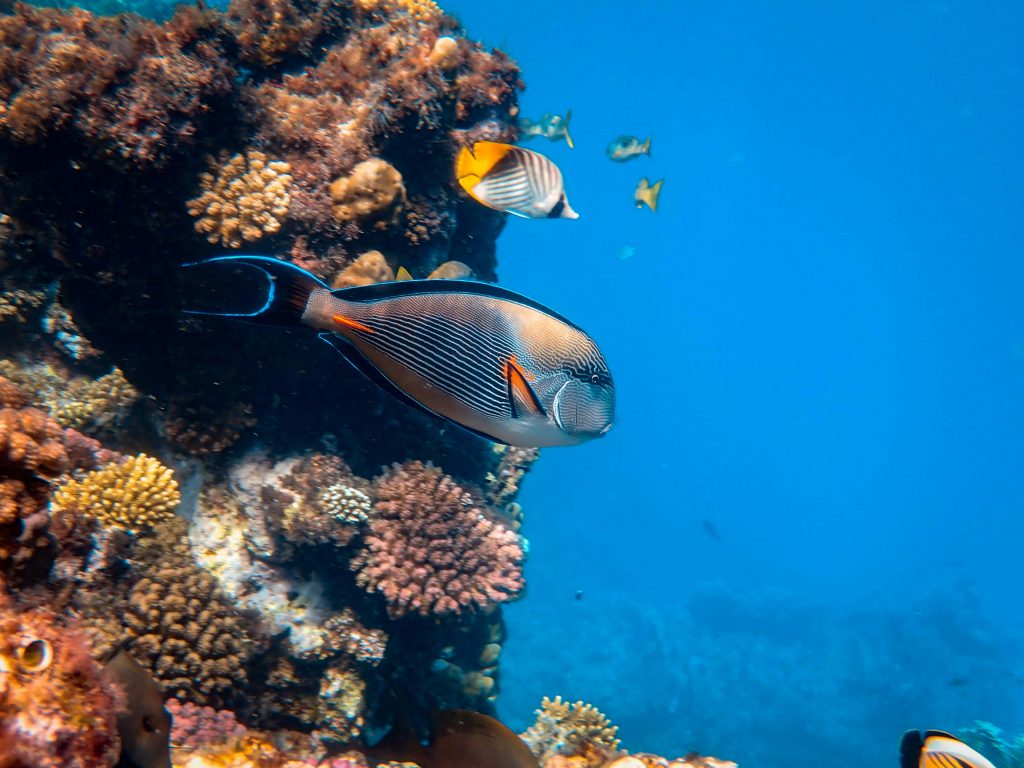
Sohal Tang (Acanthurus Sohal)
Sohal Tang care centers on space, heavy feeding, and aggression control. Learn tank size, diet, compatibility, and common…
 By
By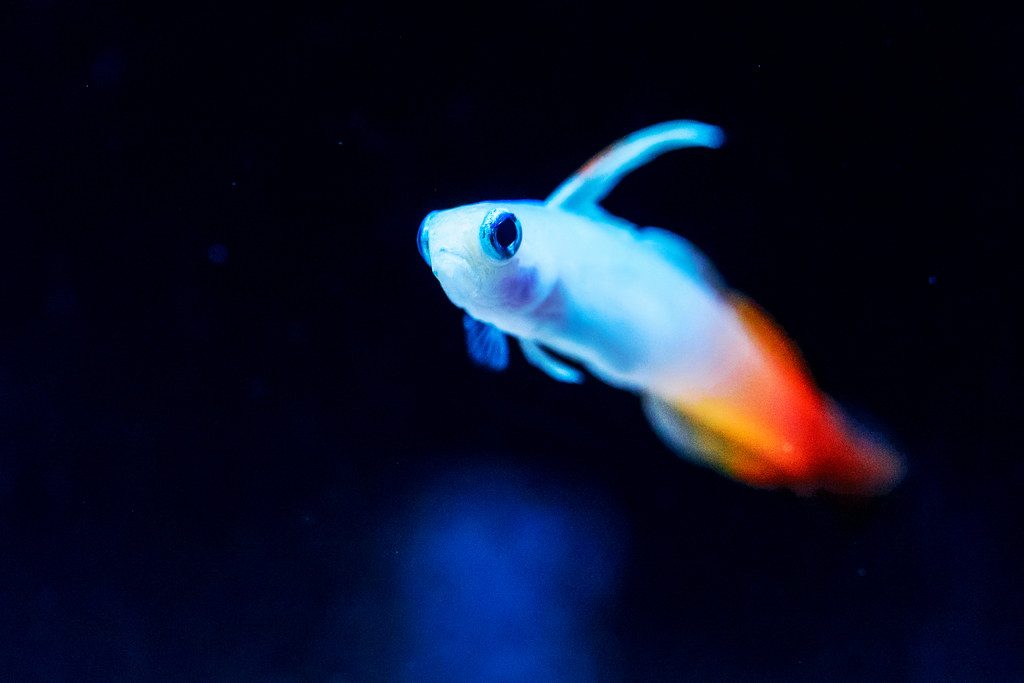
Reef Safe Fish Guide
Learn which reef safe fish work best in coral tanks, plus species to avoid, compatibility tips, and beginner-friendly…
[favorite_button]
My Bookmarks:
To see full list click here
[user_favorites user_id="" include_links="true" site_id="" post_types="" include_thumbnails="true" thumbnail_size="thumbnail" include_excerpt="false"]