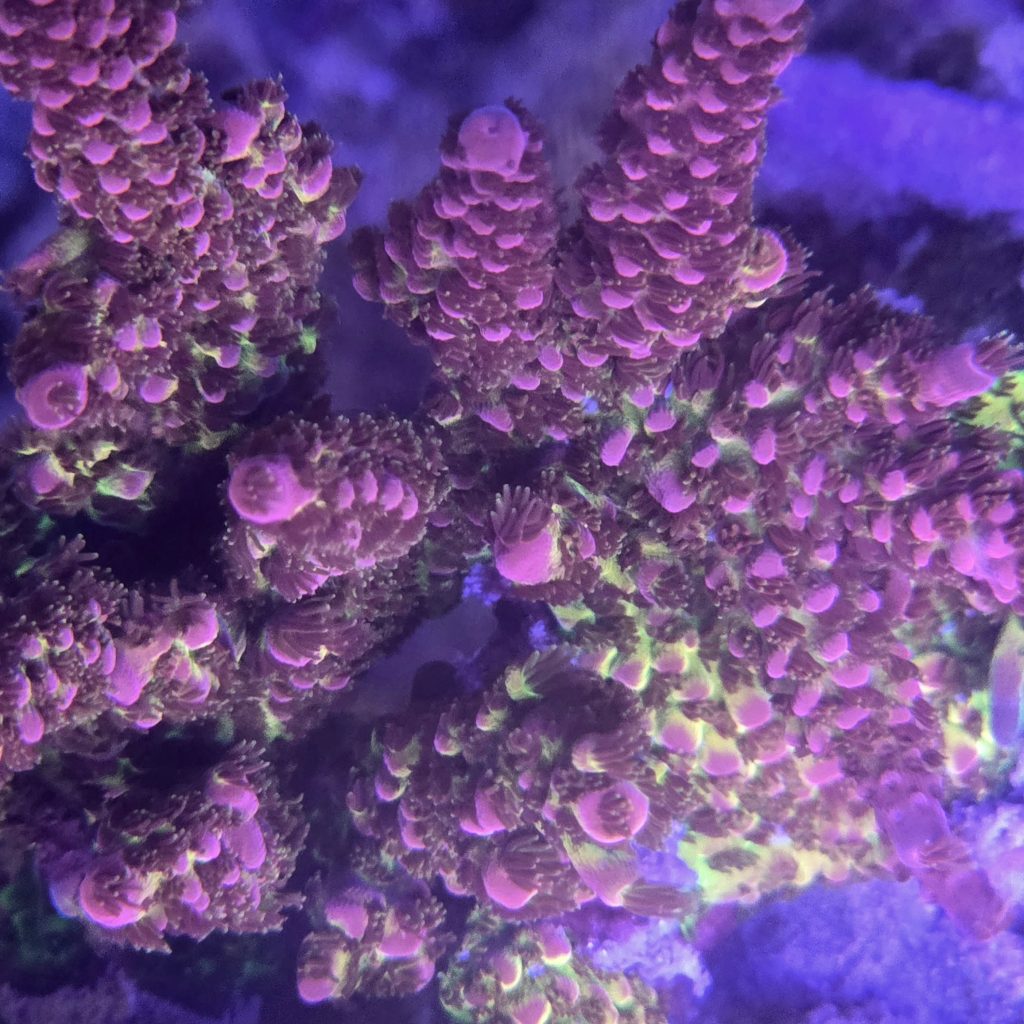
Fragging SPS corals lets you grow your reef faster and share healthy pieces. It also helps you control shading and keep colonies from touching and stinging.
Plan the frag and set up a clean work area
Start with a stable tank and a healthy colony. Avoid fragging right after a big change. Skip it after a new light, a move, or a parameter swing. Aim for steady alkalinity at 8–9 dKH. Keep calcium at 420–460 ppm. Keep magnesium at 1300–1400 ppm. Hold salinity at 1.025–1.026 and temperature at 25–26°C.
Set up a small station near the tank. Use three containers. Fill them with tank water. Use one for cutting, one for dipping, and one for rinsing. Add a towel under everything. Wear nitrile gloves and eye protection. SPS mucus can irritate skin and eyes.
Pick the right tools for the coral type. Use bone cutters for thin branches. Use coral saws for thick bases. Use a razor for encrusting edges. Have gel cyanoacrylate and epoxy putty ready. Use ceramic plugs or small dry rock. Keep paper towels for drying plug tops.
- Prep 2–3 frag plugs per piece, in case one fails.
- Turn off return pumps during placement, for 10–15 minutes.
- Keep the coral out of water for under 60 seconds per step.
For a deeper prep checklist, review reef tank maintenance basics. If pests worry you, read our coral quarantine guide before you cut.
Make clean cuts and mount frags securely
Choose branches with good color and polyp extension. Avoid tips that look pale or burnt. Cut 2–4 cm pieces for most Acropora. For Montipora digitata, 3–5 cm works well. Make one decisive cut. Crushing causes more tissue loss than cutting.
Cut above the base when possible. Leave the mother colony with smooth edges. If you must remove from rock, use a saw and take a small rock chip. That reduces tearing. Place each fresh frag in the rinse container right away. This limits slime and debris on the cut.
Dry the plug top with a paper towel. Pat the frag base until it is tacky. Add a pea-sized gel glue mound. Press the frag into the glue for 10–15 seconds. Then dip the plug in tank water to skin the glue. For heavy pieces, add epoxy around the glue after it sets.
- Use gel glue, not thin glue. Thin glue runs and fails.
- Mount branches upright to reduce detritus on tissue.
- Label plugs with date and coral name for tracking.
Dip, recover, and troubleshoot common issues
Dip frags to reduce pests and infection risk. Use a commercial coral dip per label. Many hobbyists dip for 5–10 minutes with gentle flow. Rinse in clean tank water after dipping. Do not pour dip water back into the tank. Inspect for eggs and bite marks with a flashlight.
Place new frags in moderate light and moderate flow. Start them lower than the parent colony. Move them up over 7–14 days. Keep alkalinity stable during this period. Avoid large water changes for 48 hours. Run fresh carbon for 2–3 days to reduce chemical stress.
Watch for rapid tissue loss at the cut. If it spreads, cut above the dead area fast. Remount the healthy tip. Check temperature and alkalinity first. Also check for stray voltage and low nutrients. Aim for nitrate 2–10 ppm and phosphate 0.03–0.10 ppm. Ultra-low nutrients often slow healing.
- If glue fails, dry the base more and use a larger glue mound.
- If frags brown out, reduce nutrients slowly and improve flow.
- If tips burn, lower alkalinity by 0.3–0.5 dKH per day.
For placement strategy, see reef flow patterns explained. Good flow prevents detritus and helps new cuts heal.
Fragging SPS is safer when you plan, cut cleanly, and keep parameters steady. Take small pieces at first and track results. With practice, you will grow a healthy frag rack and stronger colonies.
Sources: Delbeek & Sprung, The Reef Aquarium (Vol. 1–3); Borneman, Aquarium Corals; Julian Sprung, Coral: A Quick Reference Guide.
Was this helpful?
Related Posts
Reef Safe Fish for Beginners
Discover the best reef safe fish for beginners, plus tank size, feeding, and compatibility tips for a peaceful…
 By
By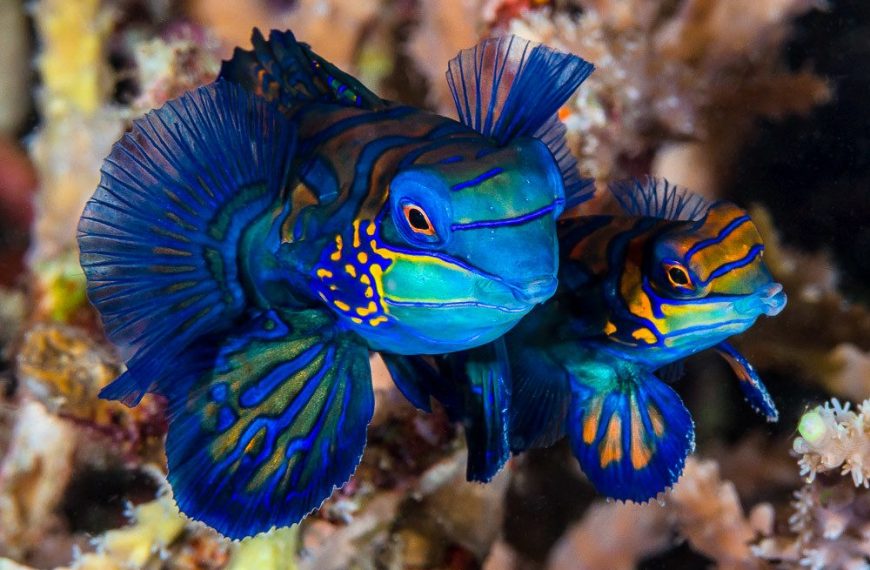
Dragonets Fish Care
Dragonets are beautiful reef fish, but they need mature tanks and steady food sources. Learn how to keep…