

Measuring salinity correctly is one of the most important reef keeping skills. Stable salinity protects fish, corals, and invertebrates from stress. The best results come from using a calibrated refractometer or a quality digital salinity meter, checking the sample at a consistent temperature, and confirming readings regularly.
Many reef problems start with bad salinity readings. Corals stay closed. Snails stop moving. Fish breathe harder. Yet the real issue is often not the tank itself. It is the tool, the method, or the calibration. In this guide, you will learn how to measure salinity the right way, which tools are most accurate, how to avoid common mistakes, and how to keep your reef stable over time. This is one of those basic skills that prevents many expensive problems later.
Quick Reference Table
| Method | Best Use | Accuracy | Main Caution |
|---|---|---|---|
| Refractometer | Most reef hobbyists | High | Must be calibrated correctly |
| Digital salinity meter | Fast routine testing | High | Probe must stay clean |
| Hydrometer | Budget setups | Moderate to low | Bubbles and residue skew readings |
| Conductivity monitor | Advanced systems | High | Needs regular probe maintenance |
For most reef tanks, target a salinity of 1.025 to 1.026 specific gravity. That equals roughly 35 ppt. Pick one target and keep it stable. Stability matters more than chasing tiny daily changes.
What Salinity Means in a Reef Aquarium
Salinity measures how much dissolved salt is in the water. In reef aquariums, it affects nearly everything. Fish regulate internal fluids against the surrounding water. Corals rely on stable osmotic conditions. Invertebrates like shrimp, snails, and starfish are even more sensitive. If salinity swings too fast, animals can suffer serious stress.
You will see salinity reported in a few ways. Specific gravity is common in the hobby. Parts per thousand, or ppt, is also widely used. Natural seawater sits near 35 ppt. That is about 1.026 specific gravity, depending on temperature and measurement method. The exact number matters less than consistency. A reef tank that stays at 1.025 every day is safer than one that drifts between 1.023 and 1.027.
Evaporation raises salinity because water leaves but salt stays behind. Water changes can also shift salinity if the new batch is mixed incorrectly. That is why regular testing is essential. It is not just a setup step. It is part of routine reef maintenance.
Best Tools for Measuring Salinity
There are three common tools used by reef hobbyists. Each can work. Some are simply more reliable than others.
Refractometers are the most popular choice. They are affordable, accurate, and easy to use once calibrated. A good optical refractometer gives dependable readings for most reef tanks. Many hobbyists use one for years with excellent results.
Digital salinity meters are quick and convenient. They remove some user error. You do not need to interpret a line through an eyepiece. However, the sensor must stay clean. Cheap models can also drift. Buy a trusted brand if you go digital.
Swing-arm hydrometers are the budget option. They are easy to find and cheap to replace. They can work for fish-only systems. They are less ideal for reef tanks. Tiny air bubbles, residue, and wear often cause false readings. If you use one, verify it against a refractometer.
Advanced reef keepers may also use conductivity probes. These are useful on controllers and large systems. They still need cleaning and calibration. No tool is maintenance free.
How to Measure Salinity Step by Step
Use this process for the most accurate result.
- Choose a reliable tool. A refractometer or digital meter is best.
- Calibrate the tool first. Use 35 ppt calibration fluid when possible.
- Take a clean water sample from the tank or sump.
- Avoid oily surface water. Sample from an area with good circulation.
- Let the sample and tool reach room temperature if needed.
- Place the sample on the refractometer prism or meter sensor.
- Wait the recommended time. Then read the value carefully.
- Rinse the tool with fresh water after use.
- Record the result in a log or app.
Testing at the same time of day helps. Salinity can creep upward between top-off cycles. If you use manual top-off, test before adding fresh water and after the tank stabilizes. If you use an auto top-off, still verify salinity weekly. Equipment failures happen.
How to Calibrate a Refractometer Correctly
This is where many hobbyists go wrong. A refractometer is only as good as its calibration. Some people use pure RO/DI water to set zero. That can work for some units, but it is not the best method for reef use. Marine refractometers are most accurate when calibrated near seawater strength. Use a 35 ppt calibration solution whenever possible.
Start by cleaning the prism with RO/DI water. Dry it with a soft cloth. Add a few drops of calibration fluid. Close the cover plate. Wait about 30 seconds. Look through the eyepiece under good light. Adjust the screw until the reading matches 35 ppt or the matching specific gravity mark. Then wipe the prism clean and test your tank sample.
Recalibrate often. Weekly is a good habit. Also recalibrate after dropping the unit, exposing it to heat, or storing it for a long time. If your readings suddenly seem odd, calibration should be your first check.
How Often Should You Check Salinity?
New tanks need more frequent testing. Check salinity every day during the first few weeks. This helps you learn your evaporation rate and top-off needs. Once the system is stable, most reef keepers can test two to three times per week. Many still check daily on nano tanks because small volumes change faster.
Always test after major maintenance. This includes large water changes, moving rockwork, replacing return pumps, or adjusting auto top-off settings. Test mixed saltwater before every water change too. Never assume a fresh batch is correct. A mistake in salt mixing can shift the whole tank.
If you keep sensitive SPS corals, clams, or delicate invertebrates, tighter monitoring is wise. Salinity stability supports polyp extension, calcification, and general health. It is one of the easiest parameters to control when your process is consistent.
Common Problems When Measuring Salinity
My salinity reading changes every time
This usually points to method issues. Clean the tool first. Recalibrate it. Take the sample from the same area each time. Make sure the prism or sensor is fully covered. Read under good light. If using a hydrometer, trapped bubbles may be the cause.
My refractometer says one thing and my hydrometer says another
Trust the better tool. In most cases, that is the refractometer, assuming proper calibration. Hydrometers often read low after salt buildup forms inside. Compare both tools against a known 35 ppt standard. That will reveal which one is wrong.
My tank salinity keeps rising
This is almost always evaporation. Salt does not evaporate. Water does. Add fresh RO/DI water, not saltwater, to replace evaporation. If this happens often, install or service an auto top-off system. Check for strong fan use, open lids, or dry room air increasing evaporation.
My salinity dropped after a water change
The new saltwater was likely mixed too weak. Test every batch before use. Mix salt thoroughly with a powerhead. Let it dissolve fully. Match both salinity and temperature to the display tank before adding it.
My digital meter drifts over time
Salt film on the sensor is a common cause. Rinse it after every use. Follow the manufacturer instructions for cleaning. Recalibrate on schedule. Replace worn probes when needed. Digital tools are convenient, but they still need care.
How to Raise or Lower Salinity Safely
Never make fast corrections unless there is an emergency. Fish and corals handle stable numbers better than sudden swings. If salinity is too high, remove a small amount of tank water and replace it with fresh RO/DI water. Recheck after circulation mixes the tank fully. Repeat slowly over hours or days, depending on the size of the error.
If salinity is too low, top off with saltwater instead of fresh water for a short period. You can also perform a water change with slightly higher salinity water. Raise it gradually. A good rule is to avoid changing more than about 0.001 specific gravity per day for most stocked reef tanks.
Always confirm your measurement before correcting anything. Many salinity emergencies start with a bad reading, followed by an unnecessary adjustment. Test twice if the number looks surprising.
Best Practices for Long-Term Salinity Stability
Consistency beats perfection. Use the same tool each time. Calibrate it often. Keep a simple log. Watch evaporation patterns across seasons. Summer air conditioning and winter heating can both change top-off demand. Nano reefs need extra attention because a small amount of evaporation causes a larger salinity shift.
An auto top-off system is one of the best upgrades for reef stability. It replaces evaporated water automatically with fresh RO/DI water. This keeps salinity much steadier than manual top-off. Still, inspect it often. A stuck float or empty reservoir can cause trouble fast.
Also mix new saltwater carefully. Use a dedicated container, heater, and circulation pump. Measure salinity after the salt fully dissolves. Recheck before use. These simple habits prevent stress and support healthy coral growth over the long term.
Frequently Asked Questions
What salinity should a reef tank be?
Most reef tanks do best at 1.025 to 1.026 specific gravity, or about 35 ppt. Pick a target and keep it stable.
Is a refractometer better than a hydrometer?
Yes, for most reef hobbyists. A calibrated refractometer is usually more accurate and more consistent than a swing-arm hydrometer.
Can I calibrate a refractometer with RO/DI water?
You can on some models, but 35 ppt calibration fluid is better for marine aquariums. It improves accuracy near reef salinity levels.
How often should I calibrate my salinity tester?
Weekly is a solid routine. Also calibrate after drops, long storage, cleaning, or any suspicious reading.
Do I top off evaporation with saltwater?
No. Top off evaporation with fresh RO/DI water. Salt stays in the tank when water evaporates.
Final Tips
Salinity testing is simple once your process is solid. Use a dependable tool. Calibrate it with the right fluid. Sample carefully. Record your results. Small habits make a big difference in reef keeping. If your tank looks off, salinity is one of the first parameters to verify.
For more reef basics, see how to mix saltwater, reef tank water parameters, auto top off guide, and how to use a refractometer.
Was this helpful?
Related Posts
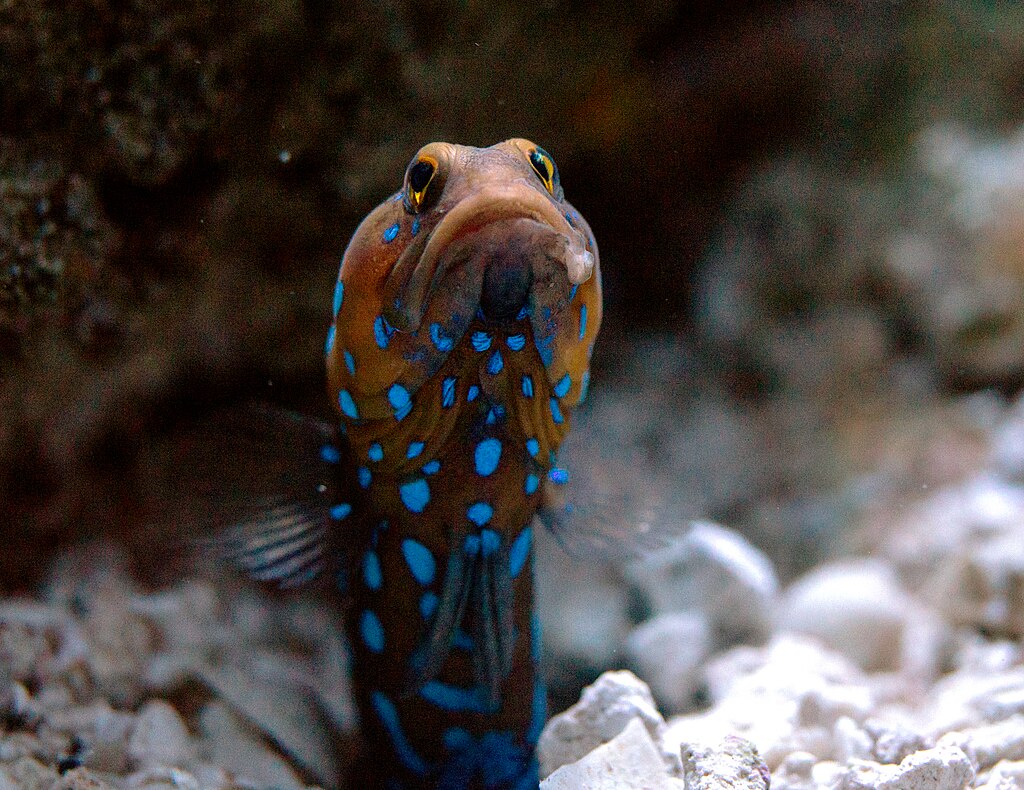
Blue Dot Jawfish (Opistognathus Rosenblatti)
Blue Dot Jawfish need cool water, deep sand, and a tight lid. Learn how to keep Opistognathus rosenblatti…
 By
By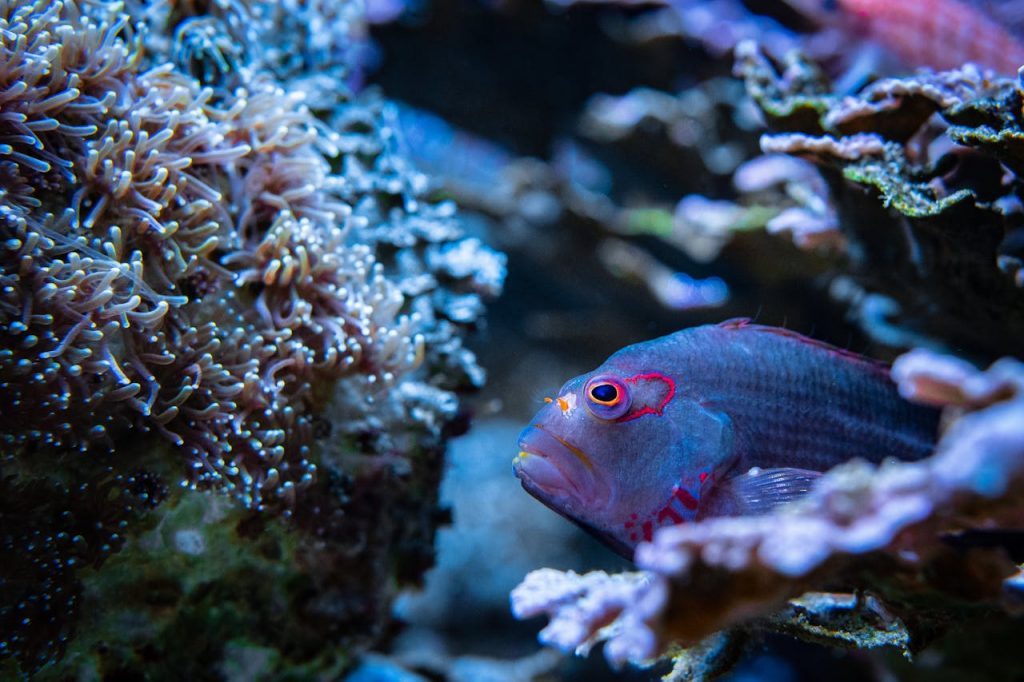
Arc Eye Hawkfish (Paracirrhites arcatus)
Arc Eye Hawkfish care is simple in a stable tank. Learn tank size, feeding, reef safety, and shrimp…
[favorite_button]
My Bookmarks:
To see full list click here
[user_favorites user_id="" include_links="true" site_id="" post_types="" include_thumbnails="true" thumbnail_size="thumbnail" include_excerpt="false"]